How Much Does It Cost to Install Tile Floor?
- Sinotiles
- 2026-05-29
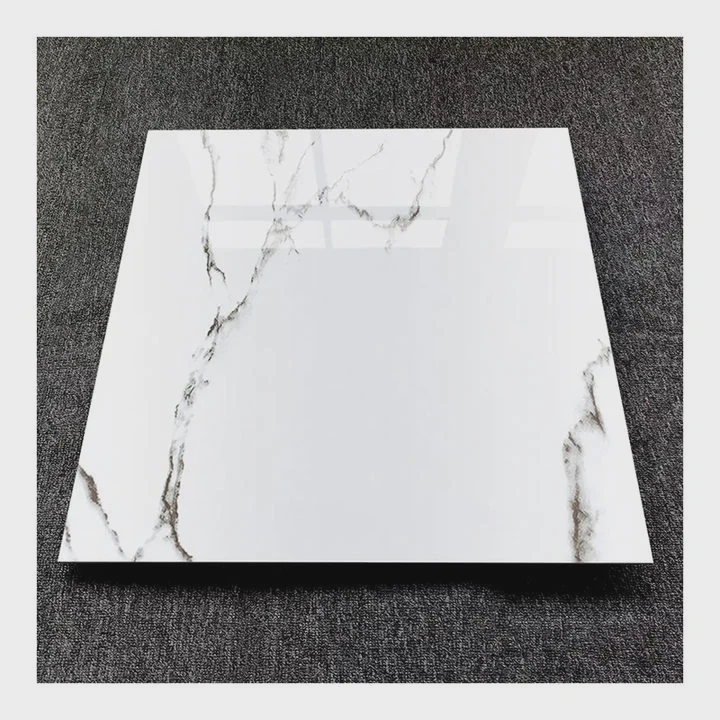
Many homeowners start tile flooring projects without understanding the real costs. Unexpected labor fees, material upgrades, and preparation work often push budgets far beyond the original estimate.
Tile floor installation costs depend on tile material, labor complexity, floor condition, room size, and project location. Most projects combine material costs, installation labor, surface preparation, and finishing expenses.
Tile flooring remains one of the most popular choices for residential and commercial spaces because it offers durability, design flexibility, and long service life. Still, pricing can vary widely between simple ceramic installations and high-end large-format tile projects. Understanding the main cost factors helps property owners avoid surprises and plan better budgets.
What Factors Affect Tile Installation Cost?
Many people focus only on tile prices while ignoring the hidden costs behind installation. In reality, labor, floor preparation, layout complexity, and room conditions often affect the final budget even more than the tile itself.
The main factors affecting tile installation cost include tile type, room size, floor preparation, installation complexity, labor rates, grout materials, and project location.
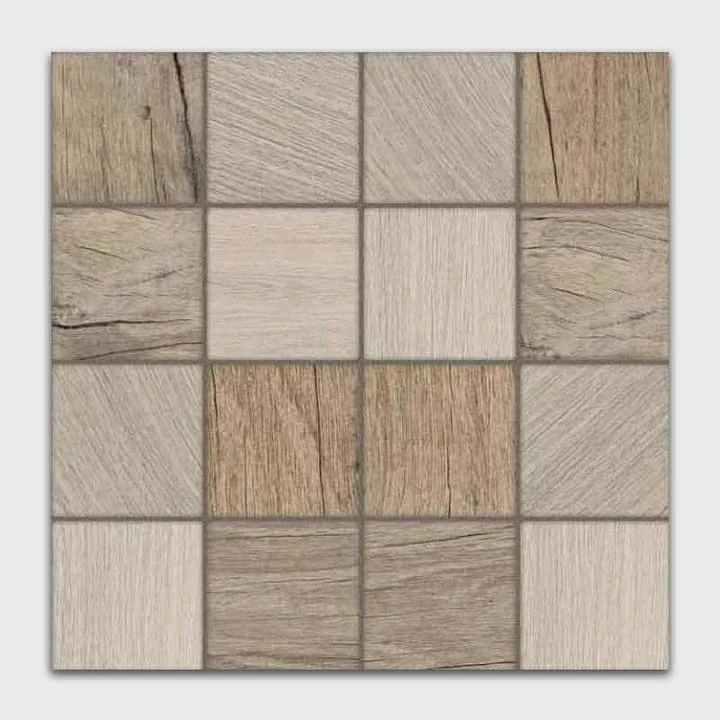
No two tile projects are exactly the same. A simple square room costs far less than a luxury bathroom with detailed patterns and waterproofing systems.
Main Cost Factors
Several elements combine to determine the total project price.
| Cost Factor | Impact on Price | Common Effect |
|---|---|---|
| Tile Material | High | Luxury materials increase cost |
| Labor Complexity | Very High | Detailed layouts raise labor time |
| Floor Preparation | Medium to High | Repairs add extra work |
| Room Size | Medium | Small rooms may cost more per square foot |
| Tile Size | Medium | Large tiles require skilled installation |
| Waterproofing | Medium | Wet areas increase costs |
Room Size and Layout
Large open areas often cost less per square foot because installers work more efficiently. Small bathrooms or tight spaces usually require more cutting and detailed fitting.
Complex layouts may include:
- Curved walls
- Multiple corners
- Floor drains
- Built-in furniture
- Decorative borders
These details increase labor time significantly.
Floor Preparation Costs
Subfloor condition strongly affects installation pricing. Uneven or damaged surfaces require additional preparation before tiles can be installed safely.
Preparation work may include:
- Removing old flooring
- Leveling the floor
- Repairing cracks
- Moisture treatment
- Reinforcing weak subfloors
Skipping preparation often leads to future tile failure.
Tile Size and Thickness
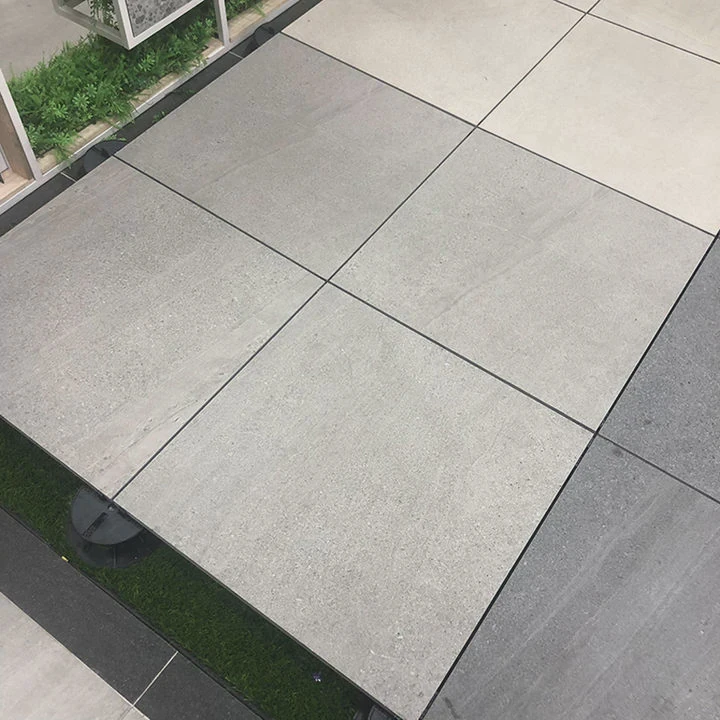
Large-format tiles have become increasingly popular in modern design. However, larger tiles require flatter subfloors and more precise installation.
Large tiles often increase costs because installers must:
- Use leveling systems
- Handle heavier materials
- Create smoother substrates
- Maintain tighter alignment
Thin large slabs may require specialized handling equipment.
Wet Area Requirements
Bathrooms, showers, and outdoor spaces usually need additional waterproofing and drainage systems.
Wet-area installations may include:
- Waterproof membranes
- Drain slope creation
- Moisture barriers
- Specialized adhesives
- Sealants
These materials and labor steps increase project pricing.
Geographic Location
Labor and material costs vary widely between regions.
Factors affecting regional pricing include:
- Local labor rates
- Material availability
- Transportation costs
- Building regulations
- Contractor demand
Urban markets often carry higher installation costs than smaller towns.
Removal and Disposal Costs
Old flooring removal adds another layer of expense.
Removal costs may increase when dealing with:
- Thick mortar beds
- Natural stone floors
- Asbestos materials
- Heavy adhesives
- Multiple flooring layers
Disposal fees may also apply depending on local regulations.
How Does Material Choice Influence Pricing?
Many buyers compare tile prices without considering how material selection affects installation difficulty, maintenance needs, and long-term performance.
Material choice influences tile flooring pricing through differences in manufacturing cost, durability, installation complexity, maintenance requirements, and design quality.
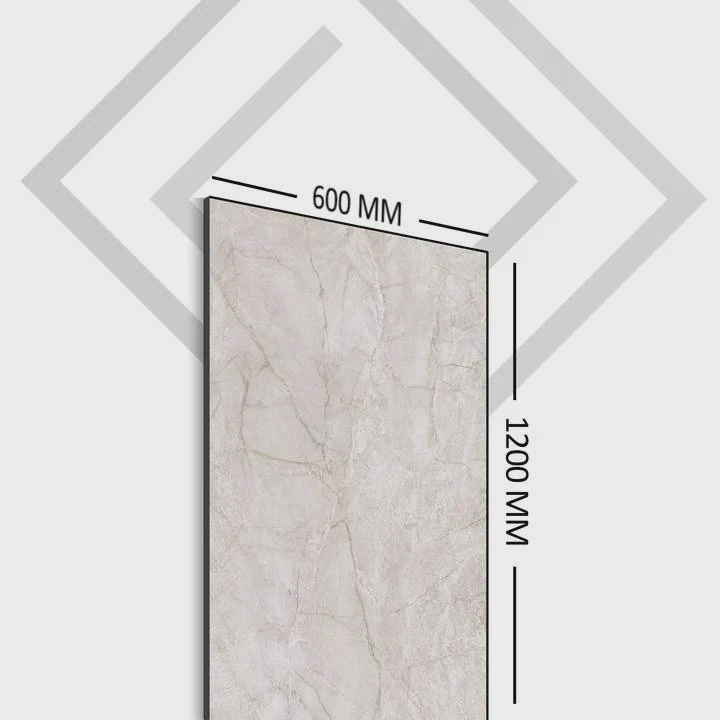
Tile materials range from budget ceramic products to premium natural stone and large porcelain slabs. Each option creates a different cost structure.
Common Tile Material Categories
Different tile materials serve different budgets and project goals.
| Tile Material | Typical Cost Level | Common Applications |
|---|---|---|
| Ceramic Tile | Low to Medium | Residential flooring |
| Porcelain Tile | Medium to High | High-traffic areas |
| Cement Tile | Medium to High | Decorative interiors |
| Natural Stone | High | Luxury projects |
| Mosaic Tile | Medium to High | Bathrooms and accents |
| Large Slab Tile | High | Modern commercial spaces |
Ceramic Tile Costs
Ceramic tile remains one of the most affordable flooring options.
Advantages include:
- Lower material price
- Easier installation
- Wide style selection
- Good residential durability
Many homeowners choose ceramic tile for kitchens and standard living spaces.
Porcelain Tile Pricing
Porcelain tiles cost more because they are denser and more durable.
Benefits include:
- Better water resistance
- Higher wear resistance
- Lower absorption rate
- Strong commercial performance
Porcelain often works well for both indoor and outdoor applications.
Natural Stone Costs
Natural stone creates a premium appearance but increases both material and labor expenses.
Stone flooring may include:
- Marble
- Granite
- Travertine
- Slate
- Limestone
These materials often require:
- Specialized cutting tools
- Surface sealing
- Careful handling
- More skilled installers
Large-Format Tile Pricing
Large tiles and slabs create modern seamless designs, but installation complexity rises significantly.
Large-format systems may require:
- Multiple installers
- Tile leveling systems
- Specialized transport equipment
- Stronger adhesives
This raises both labor and material costs.
Mosaic Tile Expenses
Mosaic tiles can look small and simple, but installation takes considerable time.
Labor increases because installers must:
- Align many small pieces
- Maintain pattern consistency
- Handle extra grout lines
- Create detailed layouts
Decorative mosaic work often becomes labor-intensive.
Imported and Custom Tiles
Imported designer tiles or custom-made products may carry higher pricing because of:
- Shipping costs
- Import taxes
- Limited availability
- Longer lead times
- Custom manufacturing
Luxury projects frequently use these products for unique visual effects.
Long-Term Cost Considerations
Cheap materials may reduce upfront expenses but increase maintenance or replacement costs later.
Higher-quality tiles often provide:
- Better durability
- Longer lifespan
- Improved stain resistance
- Lower maintenance needs
Long-term value matters as much as initial pricing.
Why Labor Costs Vary for Tile Flooring Projects?
Many property owners underestimate labor costs because tile installation appears simple from the outside. In reality, skilled tile work requires precision, planning, and technical experience.
Tile flooring labor costs vary because of installation complexity, tile size, project conditions, surface preparation, local labor markets, and installer skill levels.

Labor often becomes the largest part of a tile flooring budget, especially in premium residential and commercial projects.
Skill Level Impacts Pricing
Experienced tile installers charge more because precision work requires years of practice.
Highly skilled installers can better manage:
- Complex patterns
- Waterproofing systems
- Large-format tile handling
- Tight grout alignment
- Surface leveling
Poor workmanship often causes cracked tiles or uneven surfaces later.
Layout Complexity
Simple grid layouts install faster than decorative patterns.
Complex designs may include:
- Herringbone patterns
- Diagonal layouts
- Borders and inlays
- Custom mosaics
- Multi-size tile combinations
Detailed layouts increase both cutting time and alignment work.
Large Tile Installation Challenges
Large-format tiles require extremely flat surfaces and careful placement.
Installers often need:
- Laser leveling tools
- Multiple workers
- Specialized suction equipment
- Precision spacing systems
Improper installation can create uneven tile edges called lippage.
Surface Preparation Labor
Preparation work is labor-intensive and sometimes unpredictable.
Extra labor may involve:
- Grinding uneven concrete
- Repairing damaged subfloors
- Moisture testing
- Crack isolation systems
- Waterproofing installation
Preparation often determines long-term tile performance.
Room Accessibility
Tight or difficult workspaces increase labor difficulty.
Examples include:
- Small bathrooms
- Staircases
- Upper-floor apartments
- Occupied commercial spaces
Limited access slows material movement and installation speed.
Regional Labor Differences
Labor pricing changes significantly between markets.
Factors include:
- Local wage levels
- Contractor demand
- Union labor rates
- Licensing requirements
- Cost of living
Large cities often have much higher installation rates.
Project Scheduling Pressure
Fast-track projects may require overtime or larger crews.
Rush schedules often increase costs because contractors may need:
- Additional labor
- Weekend work
- Priority scheduling
- Accelerated material delivery
Standard scheduling usually helps reduce expenses.
Why Professional Installation Matters
Some homeowners attempt DIY tile installation to save money. However, mistakes can become expensive later.
Professional installers help reduce risks such as:
- Uneven floors
- Cracked grout
- Waterproofing failure
- Poor drainage
- Tile breakage
Quality workmanship often protects long-term investment value.
Which Budgeting Tips Reduce Installation Expenses?
Many tile projects exceed the original budget because property owners underestimate small expenses that accumulate during construction.
The best budgeting tips for tile flooring projects include planning material quantities carefully, simplifying layouts, comparing contractor quotes, reducing waste, and selecting practical materials that balance quality and cost.

Good budgeting does not always mean choosing the cheapest products. Smart planning often delivers better value while controlling unnecessary expenses.
Plan Material Quantities Carefully
Ordering too little tile creates delays. Ordering too much increases waste.
Most professionals recommend:
- Measuring accurately
- Adding 5-15% extra material
- Accounting for cutting waste
- Considering future repairs
Complex patterns usually require more extra material.
Compare Multiple Contractor Quotes
Labor pricing can vary significantly between contractors.
When reviewing quotes, compare:
- Scope of work
- Included materials
- Surface preparation details
- Waterproofing systems
- Warranty coverage
The lowest quote is not always the best value.
Simplify Tile Layouts
Complex designs increase labor costs quickly.
Simple layouts often reduce:
- Cutting waste
- Installation time
- Material usage
- Alignment difficulty
Straight grid patterns remain one of the most budget-friendly options.
Choose Practical Tile Sizes
Extremely small mosaics or oversized slabs usually increase labor complexity.
Mid-size tiles often balance:
- Easier installation
- Lower waste
- Faster installation speed
- Good visual appeal
Practical sizing helps control both labor and material costs.
Reduce Demolition Expenses
If existing flooring remains stable, some projects allow installation over the old surface.
This may reduce:
- Demolition labor
- Disposal fees
- Dust control costs
- Project duration
Still, the underlying floor must remain structurally sound.
Buy From Reliable Suppliers
Low-quality products sometimes create hidden costs later.
Reliable suppliers help reduce risks such as:
- Shade inconsistency
- Tile warping
- Shipping damage
- Product shortages
Consistent quality simplifies installation and lowers waste.
Schedule Projects Carefully
Contractor demand often changes seasonally.
Potential savings may come from:
- Off-season scheduling
- Flexible timelines
- Larger combined projects
- Early planning
Rush jobs usually cost more.
Focus on Long-Term Value
Cheap installation work may lead to future repair expenses.
Good long-term budgeting considers:
| Budget Strategy | Potential Savings |
|---|---|
| Quality Installation | Fewer repairs |
| Durable Materials | Longer lifespan |
| Proper Waterproofing | Reduced water damage |
| Accurate Planning | Lower material waste |
| Regular Maintenance | Better long-term appearance |
Avoid Unnecessary Upgrades
Some premium options look attractive but may not suit every project budget.
Costly upgrades may include:
- Rare imported stone
- Custom mosaics
- Heated flooring systems
- Ultra-large slabs
Balancing design goals with practical needs helps maintain budget control.
Keep a Contingency Budget
Unexpected issues often appear once old flooring is removed.
A contingency reserve helps cover:
- Subfloor repairs
- Moisture problems
- Additional leveling
- Material shortages
Many contractors recommend reserving 10-15% for unexpected costs.
Conclusion
Tile floor installation costs depend on many factors including materials, labor complexity, preparation work, and project planning. Careful budgeting, practical material choices, and skilled installation help create durable and attractive tile floors while controlling long-term expenses.