How Much Does Tile Flooring Cost?
- Sinotiles
- 2026-06-17
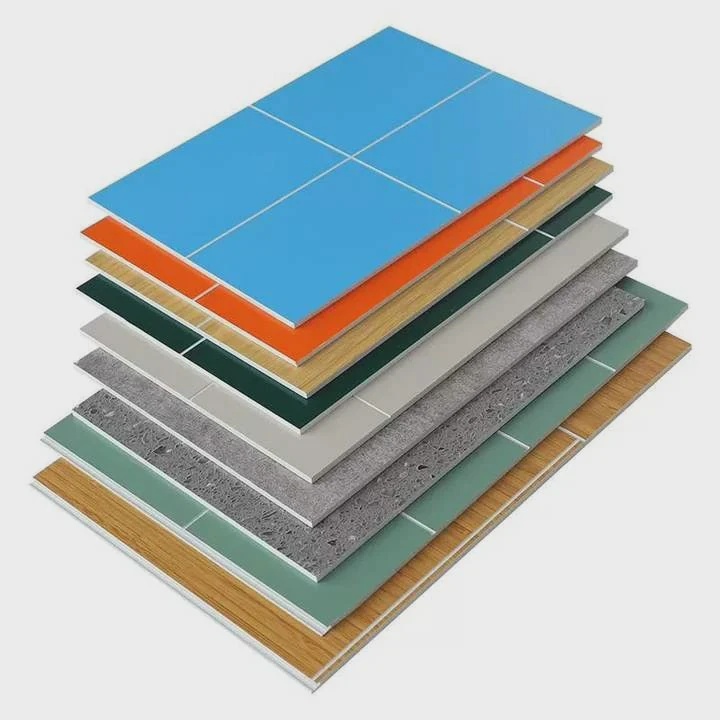
Many buyers focus only on the tile price and overlook installation, preparation, and long-term maintenance costs. This often leads to budget overruns during a flooring project.
Tile flooring costs typically range from a few dollars to more than $20 per square foot depending on tile material, installation complexity, labor rates, and project size. The total cost includes both materials and installation rather than tile alone.
When discussing tile flooring costs with importers, contractors, and property developers, one thing becomes clear: there is no single price that fits every project. Material selection, labor availability, floor conditions, and design requirements all influence the final budget. Understanding these factors helps buyers make informed decisions and avoid unexpected expenses.
What Factors Affect Tile Installation Cost?
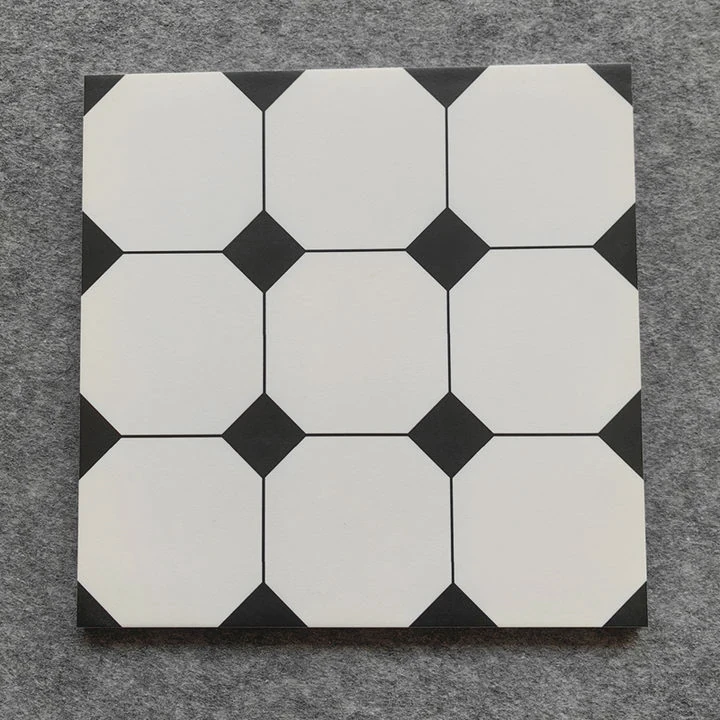
Many flooring projects begin with a simple question about price. However, installation costs involve much more than the tile itself. Several variables influence the final project budget.
Tile installation costs are affected by project size, floor preparation requirements, tile size, layout complexity, location, and labor rates. These factors can significantly change the final cost per square foot.
The same tile may cost very different amounts to install depending on the project conditions.
Floor Preparation Requirements
One of the largest hidden expenses often comes from subfloor preparation.
Common preparation work includes:
- Removing old flooring
- Repairing damaged subfloors
- Leveling uneven surfaces
- Moisture treatment
- Crack repair
A perfectly flat floor allows faster installation and lower labor costs.
Tile Size and Format
Tile dimensions directly affect installation difficulty.
Larger tiles often require:
- More precise leveling
- Specialized tools
- Additional handling
Smaller tiles may increase labor because more individual pieces must be installed.
Layout Complexity
Simple straight layouts generally cost less than decorative patterns.
Examples of higher-cost layouts include:
- Herringbone
- Chevron
- Versailles patterns
- Custom geometric designs
Complex patterns require more cutting and more installation time.
Room Shape
Square or rectangular rooms are usually easier to tile.
Costs often increase when dealing with:
- Curved walls
- Multiple corners
- Columns
- Built-in furniture
- Irregular floor plans
Geographic Location
Labor costs vary widely between regions.
Urban markets often experience:
- Higher wages
- Greater contractor demand
- Increased operating expenses
This can significantly affect installation pricing.
Additional Materials
Many buyers focus only on tile pricing and forget supporting materials.
Typical project materials include:
| Material | Purpose |
|---|---|
| Thinset mortar | Tile adhesion |
| Grout | Joint filling |
| Underlayment | Surface preparation |
| Waterproofing products | Moisture protection |
| Transition strips | Floor finishing |
These materials contribute to the overall project budget.
Project Size Matters
Larger projects often benefit from economies of scale.
Benefits may include:
- Lower installation rates
- Reduced material waste
- More efficient labor use
Smaller projects sometimes have higher costs per square foot because setup time remains similar regardless of project size.
Demolition Costs
Existing flooring removal can add significant expense.
Common removal tasks include:
- Carpet removal
- Vinyl removal
- Existing tile demolition
- Adhesive cleanup
These costs should be considered early in the planning process.
Understanding these factors provides a more realistic view of the true cost of tile flooring installation.
How Does Material Type Impact Pricing?
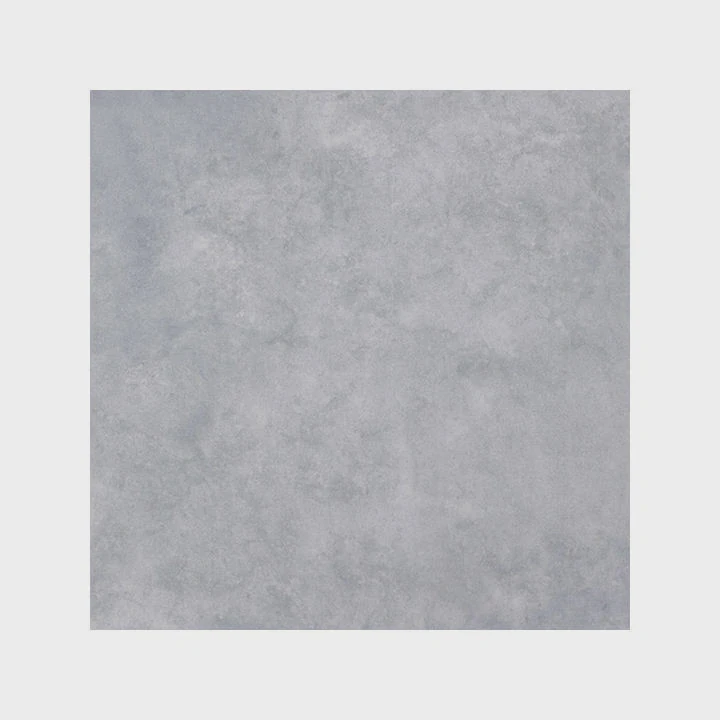
Tile material often represents the most visible part of the flooring budget. Different materials vary widely in both purchase price and installation requirements.
Material type impacts tile flooring costs because different products have varying manufacturing costs, durability levels, installation difficulty, and maintenance requirements.
The market offers a wide range of tile materials for different applications and budgets.
Ceramic Tile
Ceramic tile remains one of the most affordable flooring options.
Advantages include:
- Lower purchase cost
- Easy installation
- Wide design selection
It is commonly used in residential projects with moderate traffic.
Porcelain Tile
Porcelain tile generally costs more than ceramic.
Benefits include:
- Higher density
- Better durability
- Lower water absorption
- Greater wear resistance
Many commercial and high-traffic projects prefer porcelain because of its long lifespan.
Natural Stone Tile
Natural stone often sits at the premium end of the market.
Examples include:
- Marble
- Granite
- Travertine
- Limestone
- Slate
These materials typically involve higher costs for both purchase and installation.
Mosaic Tile
Mosaic products can vary greatly in price.
Factors affecting cost include:
- Material composition
- Sheet size
- Design complexity
- Manufacturing process
Although mosaics cover small areas, installation labor may be higher because of detailed alignment requirements.
Large-Format Tiles
Large-format tiles continue to grow in popularity.
Common sizes include:
- 600x1200mm
- 750x1500mm
- 900x1800mm
- 1200x1200mm
These products often require:
- Advanced leveling systems
- Specialized handling
- Experienced installers
Material Cost Comparison
| Tile Type | Relative Cost Level |
|---|---|
| Ceramic tile | Low |
| Standard porcelain tile | Medium |
| Premium porcelain tile | Medium to High |
| Mosaic tile | Medium to High |
| Natural stone tile | High |
Actual pricing varies by market and supplier.
Long-Term Value
The cheapest tile is not always the lowest-cost solution.
Durability affects long-term ownership costs.
Factors to consider include:
- Replacement frequency
- Maintenance requirements
- Wear resistance
- Cleaning costs
Commercial vs Residential Selection
Commercial projects often prioritize durability and consistency.
Residential buyers may focus more on:
- Design
- Texture
- Color
- Personal preferences
Material selection should align with both budget and project requirements.
A balanced decision considers not only the initial purchase price but also the product’s performance throughout its service life.
Is Labor More Expensive Than Materials?
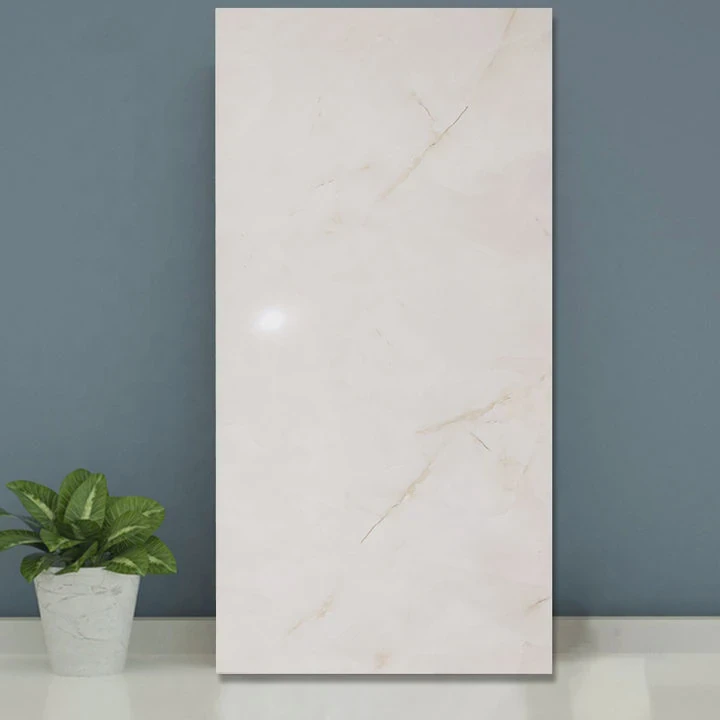
Many property owners are surprised to discover that installation labor can equal or even exceed material costs in some projects.
Labor can be more expensive than materials, especially for complex layouts, premium installations, custom patterns, and projects involving extensive floor preparation.
The relationship between labor and material costs depends on project conditions.
Simple Projects
In straightforward installations, costs may be relatively balanced.
Examples include:
- Standard ceramic tile
- Straight layout patterns
- Flat subfloors
- Open room designs
Labor remains efficient under these conditions.
Complex Projects
Labor costs increase significantly when projects involve:
- Intricate patterns
- Decorative borders
- Multiple room transitions
- Large-format tiles
- Extensive cutting
Installation time becomes the major cost driver.
Skilled Labor Has Value
Professional tile installation requires:
- Layout planning
- Surface preparation
- Waterproofing knowledge
- Precision cutting
- Grouting expertise
Experienced installers often command higher rates because they reduce the risk of costly failures.
Why Labor Costs Continue to Rise
Several market factors contribute to increasing labor expenses.
These include:
- Skilled labor shortages
- Rising wages
- Training requirements
- Insurance costs
In many regions, labor prices have increased faster than tile prices.
Typical Cost Distribution
Although every project differs, a general breakdown may look like this:
| Cost Category | Typical Share |
|---|---|
| Tile materials | 30%-50% |
| Labor | 40%-60% |
| Supporting materials | 10%-20% |
Complex projects often shift a larger percentage toward labor.
Waterproofing and Preparation
Bathrooms and wet areas usually require additional labor.
Tasks may include:
- Waterproof membrane installation
- Slope correction
- Surface leveling
- Crack treatment
These steps improve performance but increase labor requirements.
Commercial Installations
Large commercial projects often benefit from labor efficiency.
Examples include:
- Hotels
- Shopping centers
- Office buildings
Even so, labor remains a major budget component.
Why Quality Installation Matters
Poor installation can lead to:
- Cracked tiles
- Loose flooring
- Water damage
- Premature replacement
A properly installed floor often provides better value than choosing lower-cost labor.
For many projects, labor should be viewed as an investment rather than simply an expense.
Can DIY Reduce Tile Flooring Costs?
Many homeowners consider installing tile themselves to save money. While DIY projects can reduce labor expenses, they also introduce potential risks.
DIY tile installation can reduce flooring costs by eliminating professional labor fees, but success depends on skill level, project complexity, tool availability, and time commitment.
DIY projects vary greatly in difficulty.
Potential Savings
The most obvious advantage is labor cost reduction.
Possible savings include:
- Installation labor
- Project management fees
- Scheduling costs
For small projects, these savings can be significant.
Required Tools
Tile installation requires specialized equipment.
Common tools include:
- Tile cutter
- Wet saw
- Trowels
- Levels
- Mixing equipment
- Spacers
Tool purchases or rentals should be included in the budget.
Learning Curve
Tile installation involves several technical skills.
These include:
- Surface preparation
- Tile layout
- Mortar application
- Cutting techniques
- Grouting procedures
Mistakes during any stage may affect the final result.
Projects Suitable for DIY
Some installations are more beginner-friendly.
Examples include:
- Small laundry rooms
- Simple backsplashes
- Square utility rooms
These projects allow homeowners to gain experience with lower risk.
Projects Better Left to Professionals
Certain applications demand advanced skills.
Examples include:
- Walk-in showers
- Waterproofed wet rooms
- Large-format tile floors
- Commercial installations
- Natural stone projects
Errors in these areas can become expensive.
Hidden DIY Costs
Many people underestimate indirect expenses.
Potential costs include:
- Tool rental
- Material waste
- Rework
- Additional purchases
A mistake that requires replacing damaged tile may reduce the expected savings.
Time Investment
DIY installations often take much longer than professional work.
Factors include:
- Learning time
- Planning time
- Cutting adjustments
- Problem-solving
Time should be considered part of the project cost.
Evaluating the Trade-Off
Before choosing DIY installation, consider:
- Project size
- Skill level
- Tool availability
- Time commitment
- Risk tolerance
In some situations, DIY can produce substantial savings. In others, professional installation may offer better overall value.
The best choice depends on balancing cost, quality expectations, and project complexity.
Conclusion
Tile flooring costs depend on many factors, including material selection, installation complexity, labor rates, and floor preparation requirements. While DIY installation can reduce expenses, professional labor often provides better efficiency and long-term performance. Understanding both material and installation costs helps create a realistic budget and a successful flooring project.