How to Fill a Hole in Tile?
- Sinotiles
- 2026-06-17
A hole in a tile can make an entire wall or floor look damaged. Many property owners assume the only solution is complete tile replacement.
Most tile holes can be repaired using specialized fillers, epoxy compounds, or tile repair kits. The best method depends on the hole size, tile type, color matching requirements, and the visibility of the damaged area.
Over the years, many tile installations have faced accidental drilling mistakes, impact damage, fixture removal, and chipped surfaces. In many cases, replacing the entire tile is unnecessary. A well-executed repair can restore both appearance and function while saving time and cost. Understanding the available repair options helps determine the most effective solution.
What Fillers Work for Ceramic Tile Repair?
A damaged tile often raises one immediate question: what material should be used to fill the hole? Choosing the wrong filler can result in poor appearance, weak adhesion, or early failure.
The most effective fillers for ceramic tile repair include epoxy fillers, tile repair compounds, polyester fillers, and color-matched ceramic repair kits designed specifically for hard surface restoration.
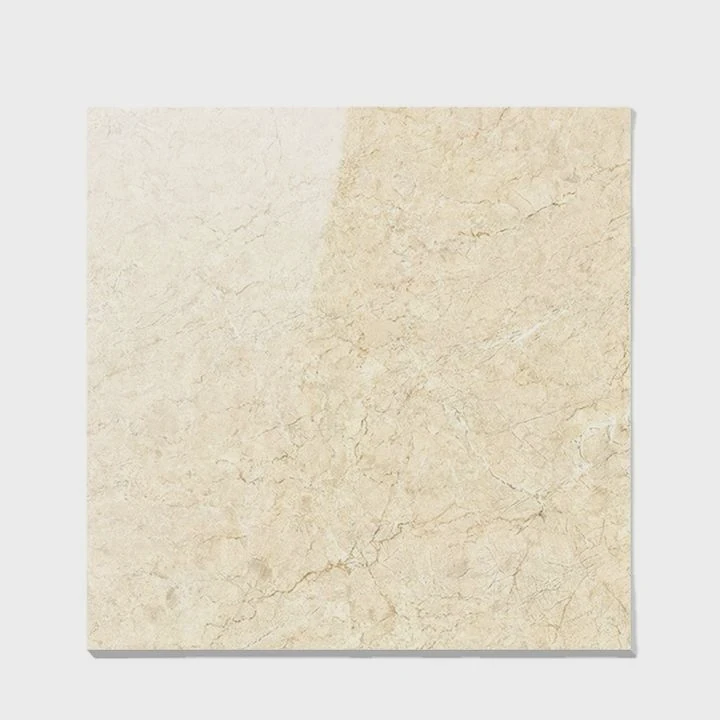
Not every filler performs equally on ceramic tile surfaces. The repair material must bond securely while remaining durable and visually acceptable.
Why Filler Selection Matters
Ceramic tiles are hard, dense, and relatively non-porous. Standard wall fillers or household patching compounds often fail because they do not adhere properly to glazed surfaces.
An effective tile repair filler should provide:
- Strong adhesion
- Minimal shrinkage
- Good durability
- Smooth finishing
- Color compatibility
Common Tile Repair Fillers
Epoxy Fillers
Epoxy-based products are among the most popular options.
Advantages include:
- Excellent bonding strength
- High durability
- Water resistance
- Suitable for floors and walls
Epoxy fillers work particularly well for medium-sized holes and chipped edges.
Tile Repair Compounds
Many manufacturers produce dedicated tile repair kits.
These products are designed specifically for:
- Ceramic tiles
- Porcelain tiles
- Glazed surfaces
They often include coloring agents for improved appearance.
Polyester Fillers
Polyester-based products cure quickly and are easy to sand.
They are commonly used for cosmetic repairs in low-impact areas.
Filler Comparison
| Filler Type | Strength | Water Resistance | Best Application |
|---|---|---|---|
| Epoxy filler | Excellent | Excellent | Holes and chips |
| Tile repair kit | Very good | Good | Visible repairs |
| Polyester filler | Good | Moderate | Cosmetic repairs |
| Acrylic filler | Fair | Fair | Minor surface defects |
Surface Preparation Before Filling
Even the best filler can fail if preparation is poor.
The damaged area should be:
- Clean
- Dry
- Dust-free
- Free from loose fragments
Cleaning improves adhesion and increases repair longevity.
Filling Process
A typical repair involves:
- Cleaning the damaged area.
- Mixing the repair material.
- Filling the hole completely.
- Removing excess material.
- Allowing full curing.
- Sanding if necessary.
- Applying color touch-up.
Hole Size Considerations
Small screw holes often require minimal filler.
Larger defects may require multiple applications to avoid shrinkage.
Long-Term Durability
One bathroom renovation project involved dozens of small holes left after accessory removal. Instead of replacing multiple tiles, a high-quality epoxy filler was used. After color matching and polishing, most repairs became difficult to notice without close inspection.
The success of that project demonstrated that proper filler selection often determines whether a repair looks temporary or nearly invisible.
How Do You Match Tile Color Properly?
Many repairs fail visually even when the hole is filled correctly. The reason is simple: the color does not match the surrounding tile.
Proper tile color matching involves identifying the tile’s base color, gloss level, texture, and undertones, then blending pigments or repair coatings until the repair area closely resembles the original surface.
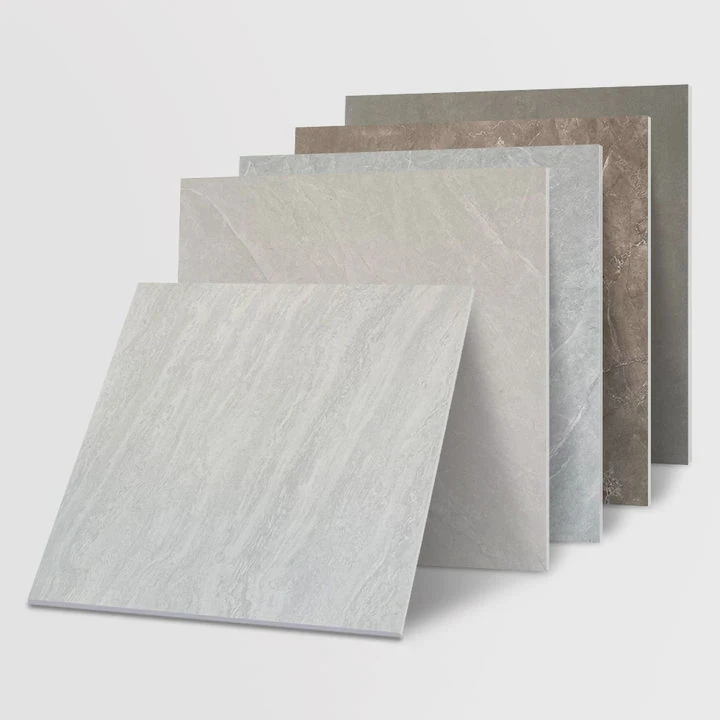
Color matching is often the most challenging part of tile repair.
Why Color Matching Is Difficult
Tiles rarely consist of a single uniform color.
Many ceramic tiles contain:
- Multiple shades
- Surface variation
- Printed patterns
- Natural stone effects
- Gloss differences
A filler that matches only one aspect may still stand out.
Understanding Tile Characteristics
Before selecting repair colors, examine:
Base Color
Identify the dominant tile color.
Examples include:
- White
- Beige
- Gray
- Brown
- Black
Secondary Tones
Many tiles include subtle undertones such as:
- Warm cream
- Blue-gray
- Taupe
- Gold
- Charcoal
Surface Finish
Finish affects visual appearance as much as color.
Common finishes include:
- Glossy
- Satin
- Matte
- Textured
Color Matching Checklist
| Feature | Importance |
|---|---|
| Base color | Very high |
| Undertone | High |
| Pattern variation | High |
| Gloss level | High |
| Surface texture | Moderate |
Using Tile Repair Kits
Many repair kits include multiple pigment colors.
This allows gradual blending until the desired shade is achieved.
Small test samples often help achieve better results.
Building Color in Layers
Professional repair technicians frequently apply color gradually.
Typical process:
- Create base shade.
- Apply and evaluate.
- Add undertones.
- Adjust brightness.
- Replicate patterns if needed.
- Apply protective finish.
This layered approach improves realism.
Matching Gloss Levels
A perfect color match can still look incorrect if the sheen differs.
For example:
- Gloss filler on matte tile appears obvious.
- Matte filler on glossy tile appears dull.
Final coatings may be necessary to match reflectivity.
Working With Patterned Tiles
Stone-look and marble-look tiles often require additional artistic work.
Repairs may include:
- Veining
- Speckles
- Color variation
- Layered shading
These details help disguise the repair.
Lighting Considerations
Color appearance changes under different lighting conditions.
Always inspect repairs under:
- Natural daylight
- Room lighting
- Direct illumination
Practical Experience
One repair involved a light gray marble-look wall tile. The initial filler matched the gray color well, but the repair remained visible because the tile contained subtle blue undertones and a satin finish. After adjusting both color and sheen, the repair blended much more successfully.
Color matching requires patience. Small adjustments often make a significant difference in the final appearance.
Can Epoxy Fix Chipped Tiles?
Epoxy products have become one of the most widely used tile repair materials. Many people wonder whether they are suitable for chipped ceramic tiles.
Yes, epoxy can effectively repair chipped tiles because it bonds strongly to ceramic surfaces, resists moisture, accepts coloring, and provides a durable repair for both cosmetic and functional damage.
Epoxy remains one of the most versatile repair solutions available.
Why Epoxy Works Well
Several characteristics make epoxy particularly effective.
Strong Adhesion
Epoxy bonds securely to many tile surfaces.
This reduces the risk of repair failure.
Low Shrinkage
Many fillers shrink during curing.
Epoxy generally maintains its shape and volume.
Water Resistance
Bathrooms, kitchens, and wet areas often benefit from epoxy’s moisture resistance.
Durability
Once cured, epoxy becomes extremely hard and durable.
Common Tile Damage Suitable for Epoxy
| Damage Type | Epoxy Suitability |
|---|---|
| Small chips | Excellent |
| Corner damage | Excellent |
| Screw holes | Excellent |
| Surface defects | Very good |
| Large cracks | Moderate |
| Broken tile sections | Limited |
Repairing Chipped Edges
Tile edges frequently become damaged from impacts.
Typical repair process:
- Clean the damaged area.
- Remove loose material.
- Apply epoxy carefully.
- Shape the repair.
- Allow curing.
- Sand if necessary.
- Apply color matching.
Coloring Epoxy Repairs
Many repair professionals tint epoxy before application.
This helps:
- Reduce visibility
- Improve blending
- Minimize touch-up work
Limitations of Epoxy
Although epoxy is highly effective, it has limitations.
Large Structural Damage
Extensive breakage may exceed epoxy’s practical repair range.
Pattern Replication
Complex decorative surfaces may still reveal the repaired area.
High Visibility Locations
Repairs in prominent areas require greater attention to detail.
Epoxy Versus Other Repair Materials
Epoxy often outperforms many alternatives because it combines:
- Strength
- Durability
- Water resistance
- Workability
Few repair materials offer the same balance.
Real-World Example
A kitchen backsplash installation suffered several chips during appliance replacement. The owner expected complete tile replacement. Instead, a color-matched epoxy repair restored the damaged areas successfully. Most visitors could not identify the repaired locations afterward.
This outcome illustrates why epoxy has become a preferred solution for many tile repair professionals.
When applied correctly, epoxy can produce durable and visually appealing results.
Is Replacing Tile Better Than Patching?
Every repair project eventually reaches the same decision point: should the tile be repaired or replaced entirely?
Tile replacement is often the best option for severe damage, while patching is usually more practical for small holes, minor chips, and cosmetic defects where the structural integrity of the tile remains intact.
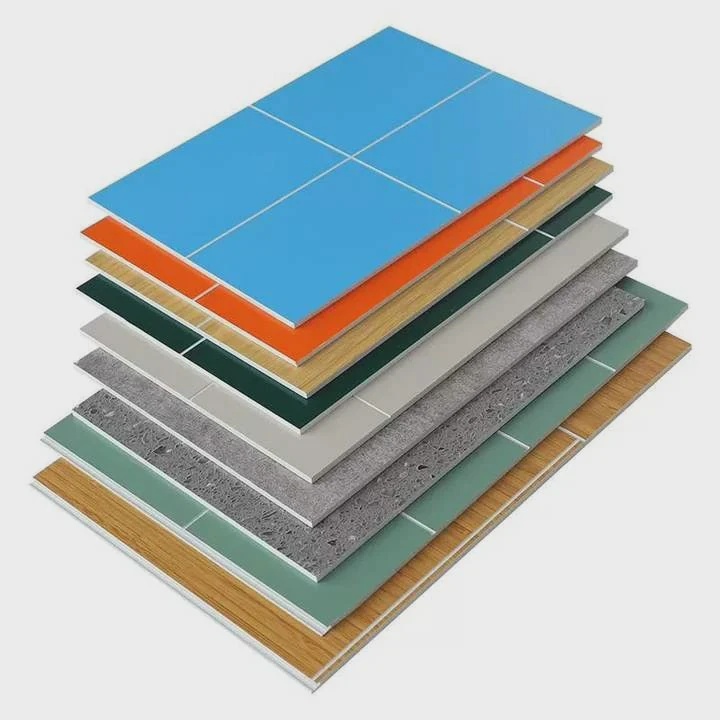
The answer depends on several factors.
When Patching Makes Sense
Patching works well when damage is limited.
Typical examples include:
- Small drill holes
- Minor chips
- Surface defects
- Accessory removal marks
These repairs are often fast and cost-effective.
Advantages of Patching
Lower Cost
Repairs usually require fewer materials and less labor.
Faster Completion
Most repairs can be completed within hours.
Reduced Risk
No need to disturb surrounding tiles.
Better for Older Installations
Matching discontinued tiles can be difficult.
When Replacement Is Better
Some situations justify full replacement.
Examples include:
- Large cracks
- Broken tile sections
- Structural damage
- Extensive chipping
- Water intrusion issues
Repair Versus Replacement Comparison
| Factor | Patching | Replacement |
|---|---|---|
| Cost | Lower | Higher |
| Time | Faster | Slower |
| Visual perfection | Moderate to high | Highest |
| Installation complexity | Lower | Higher |
| Risk to adjacent tiles | Minimal | Higher |
Availability of Matching Tiles
One major challenge is sourcing replacement material.
Many installations use products that are:
- Discontinued
- Out of stock
- Custom manufactured
In such cases, patching may become the preferred option.
Labor Considerations
Tile replacement often involves:
- Removing grout
- Extracting the damaged tile
- Cleaning adhesive
- Installing replacement tile
- Regrouting
This process requires significantly more work than a simple repair.
Assessing Damage Severity
A useful guideline is to evaluate whether the damage affects:
- Appearance only
- Surface integrity
- Structural performance
Cosmetic damage often favors repair.
Structural damage often favors replacement.
Practical Decision Making
One commercial restroom project involved dozens of small holes left behind after hardware upgrades. Replacing every affected tile would have required substantial labor and downtime. Color-matched repairs provided an efficient solution while maintaining an attractive appearance.
In contrast, another project involved tiles that were cracked completely through their thickness. Repair materials could not restore structural integrity, making replacement the better choice.
The best solution depends on balancing appearance, durability, cost, and practicality.
Conclusion
Filling a hole in tile is often a practical alternative to replacement. With the right filler, careful color matching, durable epoxy repairs, and a clear assessment of the damage, many ceramic tile defects can be restored successfully while saving both time and expense.