How to Put Up Ceramic Tile Backsplash?
- Sinotiles
- 2026-06-17
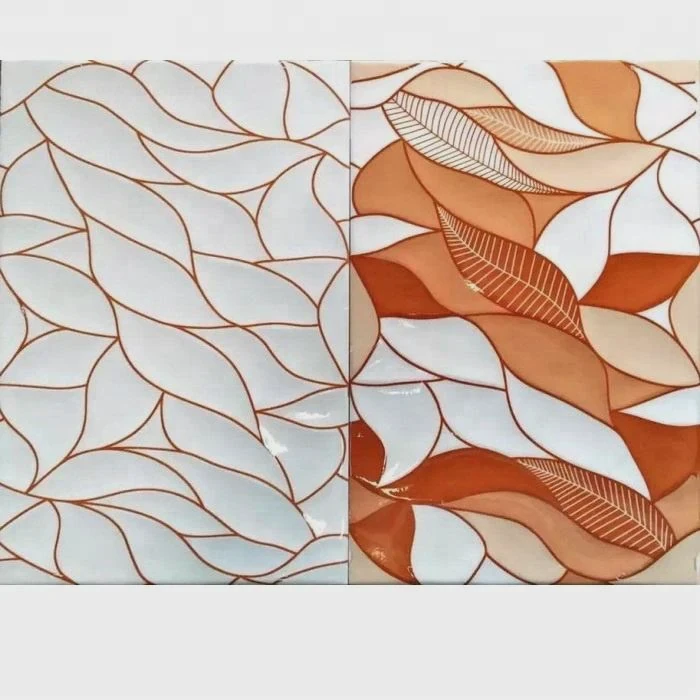
Installing a ceramic tile backsplash can completely transform a kitchen. Yet many projects fail because of poor planning, uneven layouts, or incorrect installation techniques.
To put up a ceramic tile backsplash, plan the layout carefully, prepare the wall, apply the proper adhesive, install the tiles evenly, cut edge pieces accurately, grout the joints, and seal the grout when needed. A systematic approach creates a professional-looking result.
A backsplash is often one of the first features people notice in a kitchen. Understanding each step before starting can help avoid common mistakes and produce a cleaner finished appearance.
What Layout Works Best for Backsplashes?
A beautiful ceramic tile can still look disappointing if the layout is poorly planned. Proper layout creates balance, symmetry, and a more professional finish.
The best backsplash layout depends on the tile style and kitchen design, but centered layouts, running bond patterns, stack patterns, and herringbone arrangements are among the most popular and effective choices.
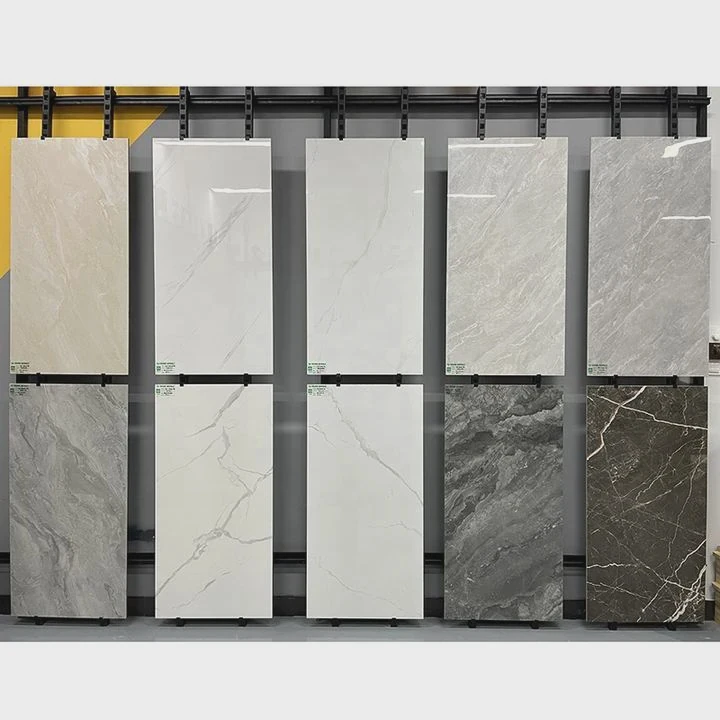
Many homeowners focus on tile selection first. In reality, layout planning often has a greater impact on the final visual effect. Before installing a single tile, I always recommend dry-fitting the pattern and evaluating how the tiles align with cabinets, outlets, and countertops.
Start From a Focal Point
Most kitchen backsplashes have a visual center.
Common focal points include:
- The center of the cooktop
- The center of a sink
- A decorative feature area
- A window opening
Starting from the center helps create balanced cuts on both sides.
Popular Backsplash Layout Patterns
Several layouts work particularly well with ceramic tiles.
| Layout Pattern | Appearance | Best For |
|---|---|---|
| Running Bond | Classic brick look | Traditional kitchens |
| Horizontal Stack | Clean and modern | Contemporary spaces |
| Vertical Stack | Tall visual effect | Modern designs |
| Herringbone | Decorative and dynamic | Feature walls |
| Basket Weave | Textured appearance | Unique designs |
Consider Tile Size
Tile dimensions influence the layout.
Larger tiles often:
- Create fewer grout joints
- Produce a cleaner appearance
- Make small kitchens feel larger
Smaller tiles often:
- Add texture
- Create visual interest
- Fit complex spaces more easily
Plan Around Obstacles
Kitchen backsplashes typically contain several interruptions.
Examples include:
- Electrical outlets
- Light switches
- Windows
- Range hoods
- Cabinets
Careful planning prevents awkward tile cuts.
Avoid Small Edge Pieces
One common mistake is leaving very narrow tile strips at the edges.
Instead, adjust the layout to maintain balanced cuts.
For example:
| Situation | Better Solution |
|---|---|
| 1-inch edge cut | Shift layout slightly |
| Uneven sides | Center the pattern |
| Tiny corner pieces | Resize starting point |
Use Reference Lines
Before applying adhesive, mark horizontal and vertical guide lines.
These lines help:
- Maintain alignment
- Prevent drifting rows
- Keep grout joints consistent
Test the Design First
A dry layout allows adjustments before installation begins.
This simple step often reveals:
- Alignment issues
- Uneven spacing
- Outlet conflicts
- Pattern inconsistencies
Good layout planning creates a foundation for the entire backsplash project. When the pattern starts correctly, installation becomes much easier and the final result looks more professional.
Which Adhesive Is Ideal for Ceramic Tiles?
The adhesive behind the tile is just as important as the tile itself. Using the wrong product can lead to loose tiles and long-term installation problems.
Thin-set mortar is generally the ideal adhesive for ceramic tile backsplashes because it provides strong bonding, durability, and long-term performance. Certain premixed mastics may also be suitable in specific interior applications.
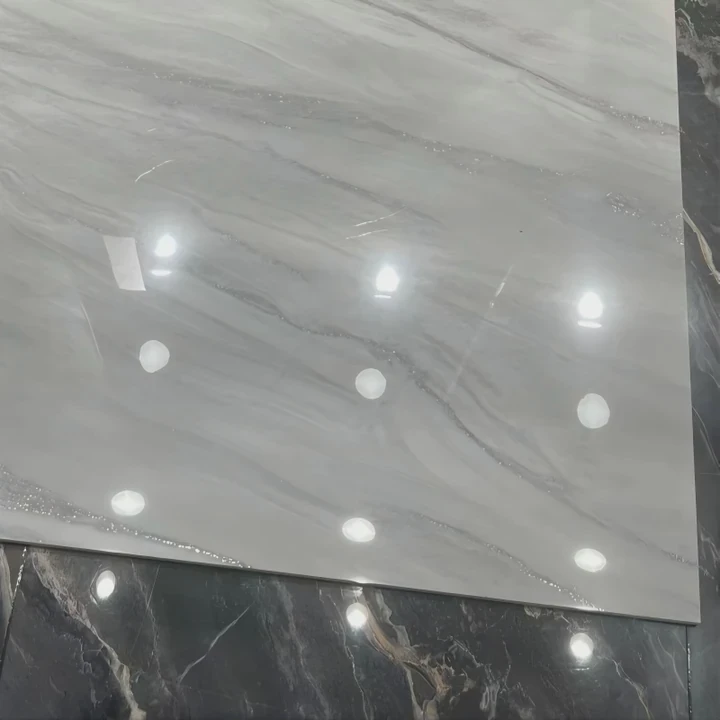
Choosing the correct adhesive depends on several factors, including tile size, wall condition, moisture exposure, and project requirements.
Thin-Set Mortar
Thin-set mortar is the most widely recommended option.
Benefits include:
- Strong bond strength
- Moisture resistance
- Long service life
- Suitable for many tile sizes
Most professional installers prefer thin-set for long-term reliability.
Premixed Tile Mastic
Mastic is another common adhesive used for backsplashes.
Advantages include:
- Easy application
- No mixing required
- Convenient for small projects
However, mastic is generally recommended only for dry interior wall applications.
Adhesive Comparison
| Adhesive Type | Strength | Moisture Resistance | Ease of Use |
|---|---|---|---|
| Thin-Set Mortar | Excellent | Excellent | Moderate |
| Premixed Mastic | Good | Moderate | Easy |
| Epoxy Adhesive | Excellent | Excellent | Difficult |
Selecting the Right Trowel
The adhesive performs best when applied correctly.
Trowel size depends on:
- Tile dimensions
- Tile thickness
- Wall flatness
Common backsplash installations often use smaller notched trowels.
Application Tips
For better adhesion:
- Clean the wall thoroughly.
- Remove grease and dust.
- Apply adhesive evenly.
- Avoid excessive coverage at one time.
- Press tiles firmly into place.
Factors Affecting Adhesive Choice
Several project conditions influence selection.
Tile Weight
Larger or heavier tiles may require stronger bonding materials.
Moisture Exposure
Areas near sinks often benefit from moisture-resistant products.
Installation Surface
Different substrates may require specific adhesive systems.
Common Adhesive Mistakes
| Mistake | Potential Result |
|---|---|
| Wrong adhesive type | Bond failure |
| Excessive adhesive | Uneven tiles |
| Insufficient coverage | Hollow spots |
| Allowing skin-over | Weak adhesion |
A quality ceramic tile backsplash depends heavily on proper adhesive selection. Choosing the correct product and applying it correctly helps ensure the installation remains secure and attractive for many years.
How Do You Cut Tiles for Edges?
Most backsplash projects require tile cutting. Edges, corners, outlets, and cabinets rarely align perfectly with full tile dimensions.
Ceramic tiles can be cut for edges using manual tile cutters, wet saws, tile nippers, or specialty cutting tools. Accurate measuring and careful cutting help create clean and professional-looking installations.
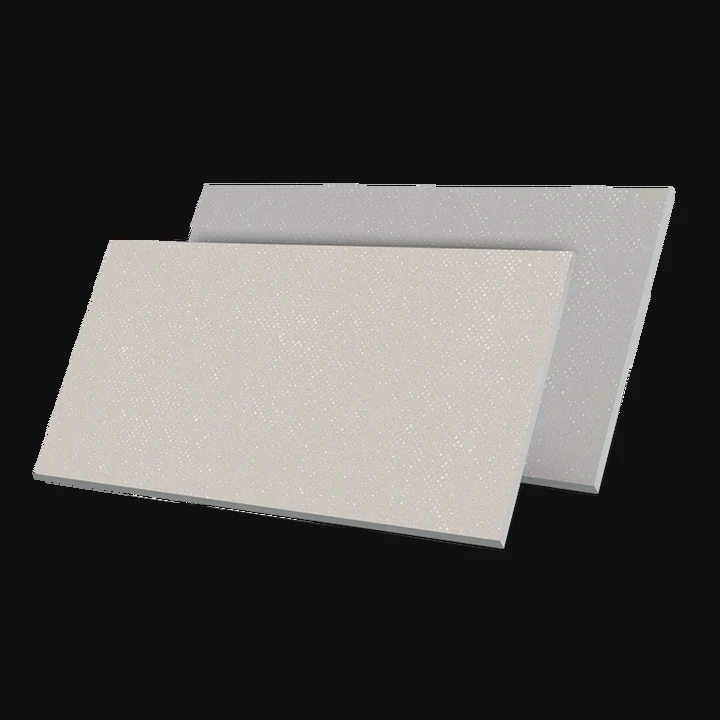
Precise cuts are often what separate professional-looking installations from amateur projects. Even small measurement errors can become noticeable once grout is applied.
Measure Before Cutting
Accurate measurement is essential.
Before making a cut:
- Measure twice
- Mark clearly
- Verify orientation
- Account for grout joints
Small mistakes can waste both time and material.
Manual Tile Cutters
Manual cutters are popular for straight cuts.
Advantages include:
- Fast operation
- Minimal dust
- Simple maintenance
They work particularly well for standard ceramic wall tiles.
Wet Saws
Wet saws provide greater versatility.
Benefits include:
- Smooth cuts
- Reduced chipping
- Complex cutting capability
- Better accuracy
Many professionals use wet saws for most backsplash projects.
Tile Nippers
Tile nippers help with irregular shapes.
Typical applications include:
- Curved cuts
- Small adjustments
- Outlet corners
They are useful but generally less precise than saws.
Tool Comparison
| Tool | Best Use |
|---|---|
| Manual Cutter | Straight cuts |
| Wet Saw | Precise cuts |
| Tile Nippers | Irregular shapes |
| Hole Saw | Pipe openings |
| Angle Grinder | Specialty cuts |
Cutting Around Outlets
Electrical outlets often require careful planning.
A typical process includes:
- Measure outlet location.
- Transfer measurements to the tile.
- Mark the cut lines.
- Cut gradually.
- Test fit before installation.
Minimize Chipping
Chipped edges can affect the appearance of the backsplash.
Helpful practices include:
- Using sharp blades
- Cutting slowly
- Supporting the tile properly
- Keeping wet saw blades clean
Edge Finishing Options
After cutting, exposed edges may require finishing.
Common solutions include:
- Bullnose tiles
- Metal trim profiles
- Stone trim pieces
- Finished edge ceramic tiles
Clean cuts contribute significantly to the overall quality of the backsplash. Taking extra time during this stage often produces a much more polished final appearance.
Should Backsplash Grout Be Sealed Afterward?
Many homeowners finish grouting and consider the project complete. However, grout protection can play an important role in long-term maintenance.
Many backsplash grout installations benefit from sealing because sealers help reduce staining, moisture absorption, and dirt penetration. The need for sealing depends on the grout type being used.
Grout is often more porous than the tile itself. Without protection, it may absorb liquids, cooking oils, and other contaminants over time.
Why Seal Grout?
Sealing provides several benefits.
These include:
- Improved stain resistance
- Easier cleaning
- Reduced moisture absorption
- Better long-term appearance
Kitchen environments frequently expose grout to food and grease.
Types of Grout
Not all grouts require the same treatment.
| Grout Type | Sealing Requirement |
|---|---|
| Cement-Based Grout | Usually recommended |
| Sanded Grout | Usually recommended |
| Unsanded Grout | Often recommended |
| Epoxy Grout | Usually not required |
When to Apply Sealer
Grout should cure fully before sealing.
Most manufacturers recommend waiting:
- Several days after grouting
- Until grout is completely dry
- According to product instructions
Applying sealer too early may reduce effectiveness.
How Sealer Works
A penetrating sealer enters the grout and creates resistance to moisture and stains.
It does not typically:
- Change grout color significantly
- Create a thick surface coating
- Alter grout texture dramatically
Application Process
A typical sealing process includes:
- Clean the grout.
- Allow it to dry completely.
- Apply sealer evenly.
- Remove excess product.
- Allow proper curing time.
Benefits and Limitations
| Benefit | Limitation |
|---|---|
| Better stain resistance | Not stain-proof |
| Easier cleaning | Requires maintenance |
| Reduced moisture absorption | Does not waterproof completely |
| Longer-lasting appearance | Periodic reapplication may be needed |
Long-Term Maintenance
Even sealed grout requires routine care.
Good maintenance includes:
- Wiping spills promptly
- Cleaning regularly
- Inspecting grout lines
- Reapplying sealer when necessary
Is Sealing Always Necessary?
The answer depends on the grout type.
For most cement-based grouts, sealing is generally a worthwhile step because it provides additional protection and helps preserve the backsplash’s appearance over time.
A few extra hours spent sealing grout can often extend the life and beauty of the installation while reducing future cleaning challenges.
Conclusion
Installing a ceramic tile backsplash successfully begins with careful layout planning, proper adhesive selection, accurate tile cutting, and appropriate grout protection. By following each step methodically, homeowners and contractors can create a durable, attractive backsplash that enhances the kitchen for many years.