How to Screw Into Tile?
- Sinotiles
- 2026-06-16
Many people feel nervous about drilling into tile. One wrong move can crack the tile, damage the wall, and turn a simple project into an expensive repair.
To screw into tile successfully, use the correct drill bit, mark the drilling location carefully, pre-drill the hole, and use suitable anchors when needed. Proper technique helps prevent tile cracking and ensures a secure installation.
Whether installing a towel bar, shower shelf, mirror, or wall accessory, understanding the correct drilling process helps protect the tile and creates a stronger, longer-lasting result.
What Tools Are Needed for Drilling Tile?
Many tile drilling problems begin before the drill even touches the surface. Using the wrong tools can increase the risk of cracking, chipping, and poor fastening performance.
Drilling tile requires a suitable drill, tile-specific drill bits, measuring tools, masking tape, safety equipment, and anchors or screws that match the installation requirements.
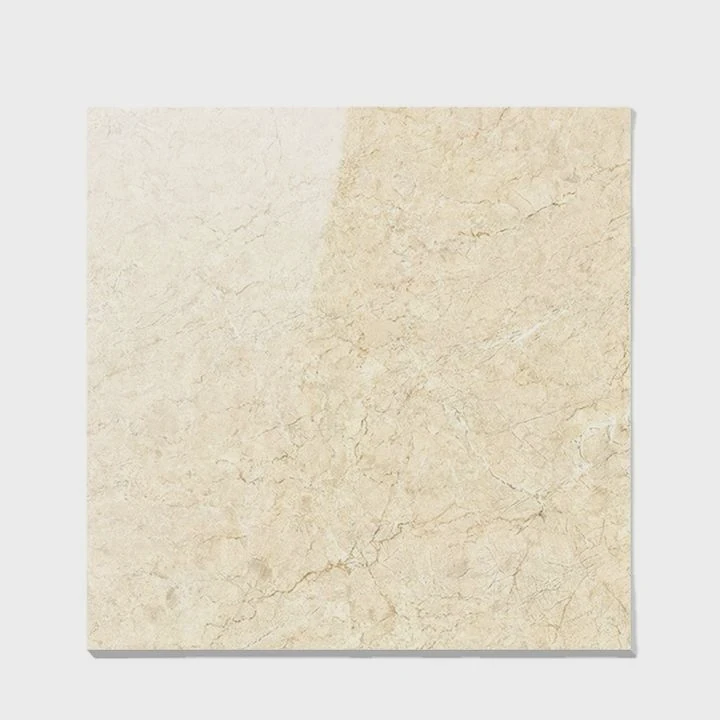
Successful tile drilling depends heavily on selecting the proper tools before starting the project.
Choose the Right Drill
Most tile drilling projects use either:
- Cordless drill
- Variable-speed drill
- Hammer drill (hammer function turned off while drilling tile)
A standard drill with adjustable speed usually provides the best control.
When drilling through tile, slower speeds help reduce heat and minimize cracking risks.
Use Tile-Specific Drill Bits
The drill bit is one of the most important tools in the process.
Common options include:
- Carbide-tipped tile bits
- Diamond-coated drill bits
- Glass and tile drill bits
Different tile materials may require different bit types.
For example:
| Tile Material | Recommended Bit |
|---|---|
| Ceramic tile | Carbide-tipped bit |
| Porcelain tile | Diamond bit |
| Glass tile | Glass and tile bit |
| Mosaic tile | Diamond bit |
| Glazed tile | Carbide or diamond bit |
Harder tiles generally require higher-quality bits.
Measuring and Marking Tools
Accurate positioning helps avoid mistakes.
Useful tools include:
- Tape measure
- Pencil
- Marker
- Level
- Template guides
Careful measurements reduce the need for additional holes.
Masking Tape Helps Control the Bit
Smooth glazed tile surfaces can cause drill bits to slip.
Applying masking tape over the drilling location provides:
- Better grip
- Improved accuracy
- Reduced surface scratching
Many professionals use this simple method before drilling begins.
Cooling Equipment
Heat buildup can shorten drill bit life.
Cooling methods may include:
- Spray bottles
- Damp sponges
- Water cooling systems
Keeping the bit cool improves drilling performance, especially when working with porcelain tile.
Safety Equipment
Tile drilling creates dust and sharp particles.
Recommended safety gear includes:
- Safety glasses
- Work gloves
- Dust mask
- Hearing protection
Personal protection should always be part of the preparation process.
Fastening Components
The drilling process usually supports a fastening system.
Common materials include:
- Stainless steel screws
- Wall anchors
- Expansion plugs
- Toggle anchors
Choosing quality fasteners helps improve long-term stability.
Preparation Makes a Difference
Many drilling failures occur because people focus only on the drill itself.
A complete setup should include:
- Proper drill bit
- Accurate measuring tools
- Suitable anchors
- Safety equipment
- Cooling method
Having everything ready before drilling starts helps produce cleaner holes and reduces the chance of tile damage.
Where Should You Drill on Tile Surfaces?
The location of the hole plays a major role in determining whether the tile remains intact. Even the best tools cannot fully compensate for poor placement.
The safest drilling locations are usually away from tile edges, corners, and existing cracks. Drilling near the center of the tile often reduces stress and lowers the risk of breakage.
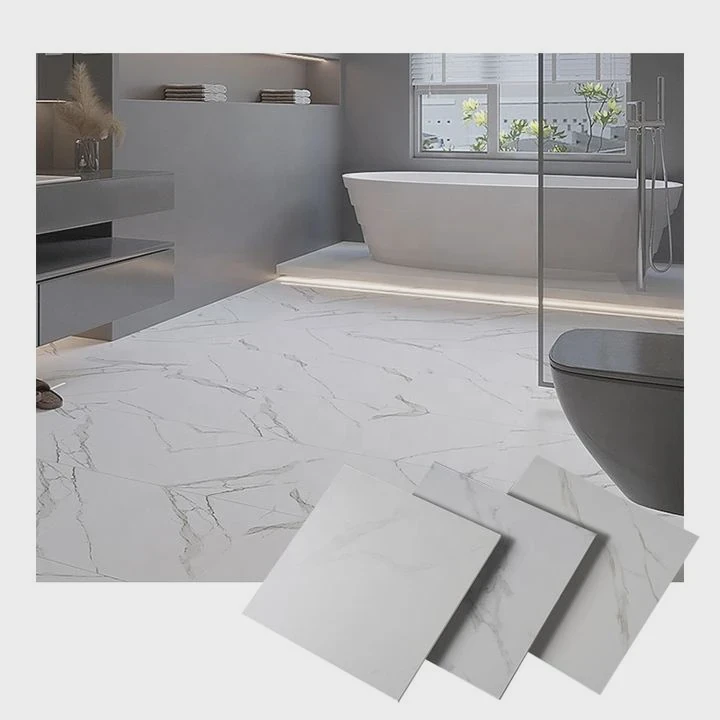
Understanding how stress moves through tile helps determine the safest drilling position.
Avoid Tile Edges
Tile edges are often more vulnerable than central areas.
Drilling too close to an edge can cause:
- Chipping
- Cracking
- Corner breakage
A general rule is to keep holes a reasonable distance away from exposed edges whenever possible.
Stay Away from Corners
Corners concentrate stress.
This makes them one of the highest-risk locations for drilling.
Potential issues include:
- Immediate cracking
- Hairline fractures
- Progressive damage over time
Centering the hole within a stronger section of the tile generally improves safety.
Check for Existing Damage
Before drilling, inspect the tile carefully.
Look for:
- Hairline cracks
- Loose grout
- Surface chips
- Hollow sounds
Drilling into already weakened tile increases the likelihood of failure.
Consider Tile Layout
The tile pattern can influence hole placement.
Factors include:
- Grout joint locations
- Tile size
- Fixture alignment
- Symmetry requirements
Balancing structural safety with visual appearance often produces the best result.
Common Hole Placement Guidelines
| Location | Risk Level |
|---|---|
| Tile center | Low |
| Midway from edge | Low to moderate |
| Near grout joint | Moderate |
| Near edge | High |
| Tile corner | Very high |
| Existing crack area | Very high |
These guidelines help reduce unnecessary stress on the tile.
Evaluate What Is Behind the Tile
The substrate behind the tile matters as much as the tile itself.
Possible backing materials include:
- Drywall
- Cement board
- Concrete
- Masonry
Understanding the wall construction helps determine anchor selection and screw length.
Mark Carefully Before Drilling
A few extra minutes spent measuring can prevent permanent mistakes.
Helpful steps include:
- Measure the location.
- Verify alignment.
- Apply masking tape.
- Mark the drilling point.
- Recheck dimensions.
Accurate marking improves both appearance and functionality.
Think About Long-Term Load
The drilling location should also support the intended load.
For example:
- Towel bars create pulling forces.
- Shelves create downward forces.
- Grab bars create significant structural loads.
Proper placement helps distribute these forces more effectively.
Choosing the right drilling location is often one of the easiest ways to improve installation success while reducing the chance of tile damage.
Can Anchors Improve Tile Screw Stability?
Many people focus on the screw but overlook the anchor. In many installations, the anchor plays an equally important role in creating a secure attachment.
Yes, anchors can significantly improve tile screw stability by distributing loads, increasing holding strength, and helping secure fasteners when the substrate alone cannot provide sufficient support.
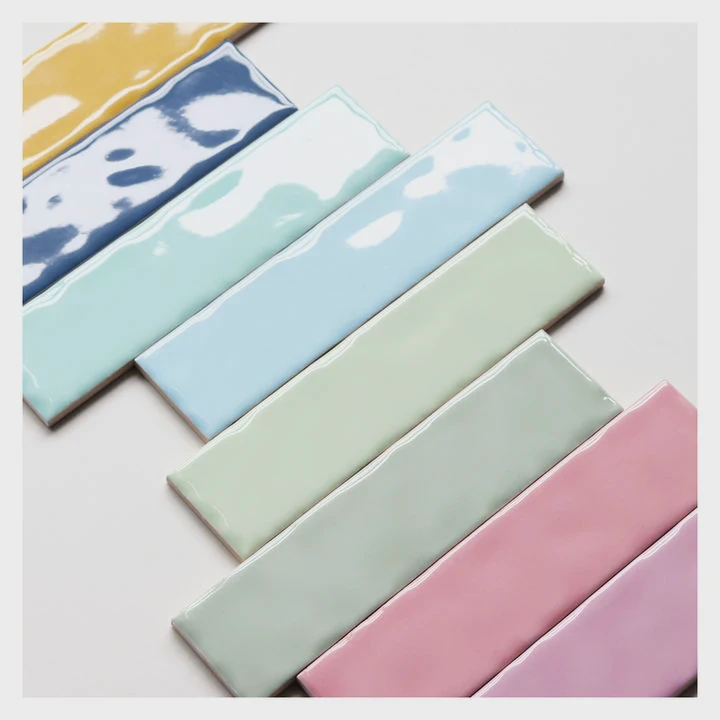
The correct anchor can make the difference between a secure installation and a loose fixture.
Why Anchors Are Often Necessary
Tile itself is not designed to hold screws directly.
After drilling through the tile, the screw usually relies on:
- Drywall
- Cement board
- Masonry
- Studs
Anchors help create stronger connections within these materials.
Load Distribution Benefits
Anchors spread forces across a larger area.
This reduces concentrated stress around:
- Screw holes
- Tile surfaces
- Substrate materials
Better force distribution often improves durability.
Common Anchor Types
Different projects require different anchor solutions.
Popular options include:
- Plastic expansion anchors
- Nylon wall plugs
- Metal anchors
- Toggle anchors
- Heavy-duty masonry anchors
Each option offers different load capacities.
Comparing Common Anchor Types
| Anchor Type | Best Application |
|---|---|
| Plastic anchor | Light accessories |
| Nylon plug | General household use |
| Metal anchor | Medium-duty loads |
| Toggle anchor | Hollow walls |
| Masonry anchor | Concrete backing |
Selecting the correct anchor improves both safety and performance.
Anchors Help Prevent Loosening
Repeated use can gradually loosen screws.
Examples include:
- Frequently used towel bars
- Shower caddies
- Wall-mounted accessories
Anchors help maintain a more stable connection over time.
Moisture Considerations
Bathrooms and wet areas introduce additional challenges.
Moisture-resistant anchors may help prevent:
- Corrosion
- Material degradation
- Reduced holding strength
Stainless steel screws often pair well with moisture-resistant anchors.
When Anchors May Not Be Needed
Some installations fasten directly into wall studs.
Examples include:
- Heavy shelving systems
- Grab bars
- Structural supports
In these cases, anchors may be unnecessary if the screw penetrates solid framing.
Matching Anchors to the Project
Before selecting an anchor, consider:
- Fixture weight
- Frequency of use
- Wall construction
- Moisture exposure
Proper anchor selection helps maximize stability and extend the life of the installation.
Is Pre-Drilling Required for Tile Installation?
Many cracked tiles result from skipping one simple step. Attempting to drive screws directly into tile without preparation often creates excessive stress.
Yes, pre-drilling is generally required when installing screws through tile. A properly drilled pilot hole reduces stress, improves accuracy, protects the tile surface, and allows screws to be installed more safely.
Pre-drilling is one of the most important practices for preventing tile damage.
Why Tile Cannot Be Treated Like Wood
Wood can often accept screws directly.
Tile behaves very differently because it is:
- Hard
- Brittle
- Rigid
Without a pilot hole, pressure concentrates at a single point and greatly increases cracking risk.
Reducing Surface Stress
A pilot hole creates a controlled path for the screw.
Benefits include:
- Reduced cracking risk
- Better alignment
- Improved installation control
- Cleaner finished appearance
This simple step protects both the tile and the substrate.
Improving Drilling Accuracy
Pre-drilling allows greater precision.
Advantages include:
- Better positioning
- Straighter fastener installation
- Reduced wandering
- Improved fixture alignment
Accurate holes become especially important when installing multiple screws.
Typical Pre-Drilling Process
A basic workflow may include:
- Mark the location.
- Apply masking tape.
- Use a tile drill bit.
- Drill at low speed.
- Cool the bit as needed.
- Clean the hole.
- Insert anchor if required.
- Install the screw.
Each step contributes to a safer installation.
Pilot Hole Size Matters
The hole diameter should match the anchor or screw system being used.
General considerations include:
| Component | Hole Requirement |
|---|---|
| Plastic anchor | Match anchor diameter |
| Masonry anchor | Manufacturer recommendation |
| Toggle anchor | Larger opening required |
| Direct screw fastening | Appropriate pilot hole size |
Following manufacturer guidelines helps ensure proper performance.
Avoid Excessive Pressure
One common mistake is forcing the drill.
Too much pressure can cause:
- Tile cracking
- Bit overheating
- Chipping
- Uneven holes
Allow the drill bit to cut gradually through the tile surface.
Benefits Beyond Installation
Pre-drilling not only protects the tile during installation but also improves long-term performance.
Properly drilled holes help:
- Maintain alignment
- Improve anchor fit
- Reduce stress concentration
- Increase fastening reliability
A Small Step With Big Benefits
Many successful tile installations follow the same principle: slow, controlled preparation.
Pre-drilling takes only a few extra minutes, yet it greatly reduces the chance of damaging expensive tile surfaces. For most tile fastening projects, it should always be considered a necessary step rather than an optional one.
Conclusion
Screwing into tile requires the right tools, careful hole placement, proper anchors, and accurate pre-drilling techniques. By working slowly and preparing correctly, it is possible to create secure, professional installations while minimizing the risk of cracking or damaging the tile surface.