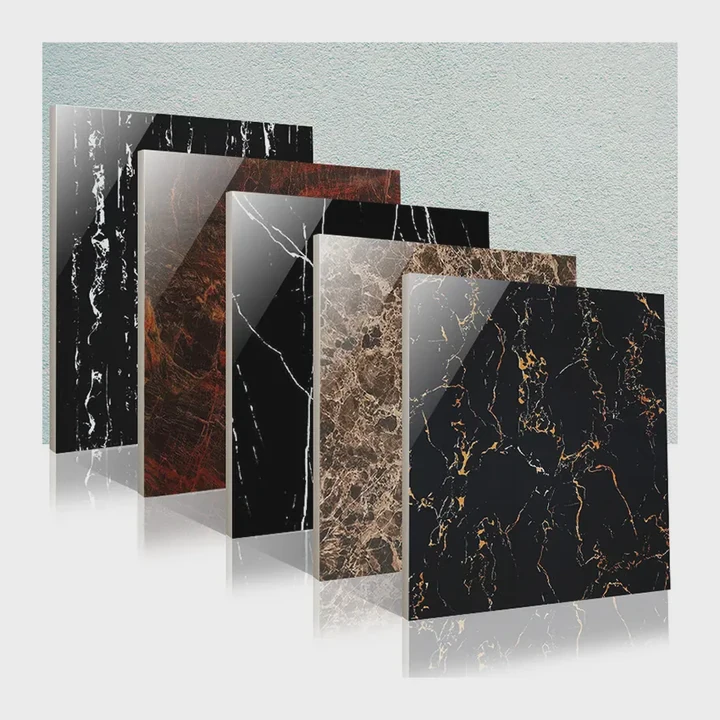
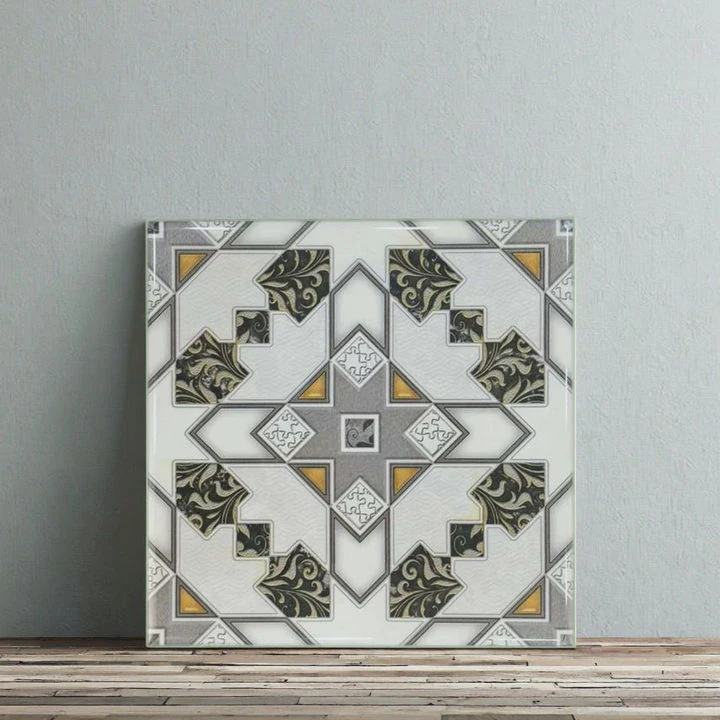
What Type of Tile for Shower Wall?
- Sinotiles
- 2026-06-16
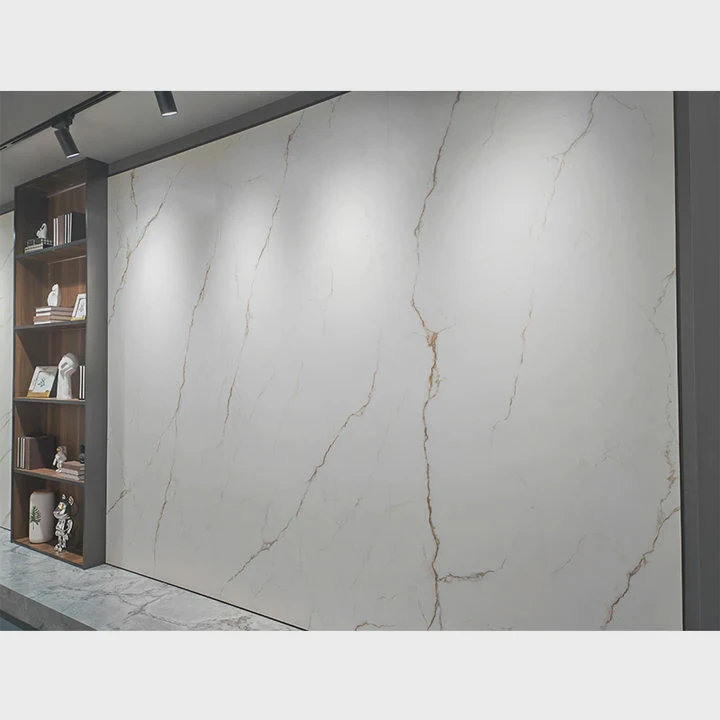
Choosing the wrong shower wall tile can lead to water damage, difficult maintenance, and costly repairs. Many homeowners focus on appearance first and overlook performance.
The best shower wall tiles are porcelain, ceramic, and certain natural stones that can handle moisture exposure. The ideal choice depends on water resistance, maintenance needs, appearance, and budget.
A shower wall faces daily exposure to water, humidity, soap, and cleaning products. Because of this, tile selection should balance beauty with durability. Understanding the strengths and weaknesses of different materials can help create a shower that looks great and performs well for many years.
Which Materials Resist Moisture Best?
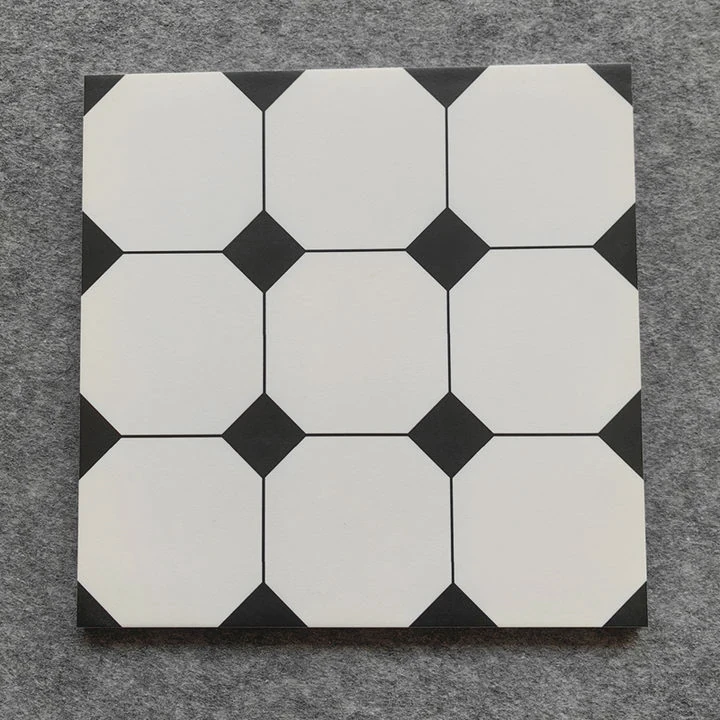
Water is the biggest challenge inside any shower. A tile that performs well in a dry living room may not work well in a constantly wet environment.
Porcelain tiles offer the highest moisture resistance for most shower walls, while ceramic tiles, glass tiles, and properly sealed natural stones can also perform well when installed correctly.
Many people assume all tiles are waterproof. In reality, different materials absorb water at different rates.
Understanding Moisture Resistance
The key factor is water absorption. Materials with lower absorption rates are generally better suited for shower environments.
Tiles that absorb less water typically provide:
- Better long-term durability
- Lower staining risk
- Easier maintenance
- Reduced mold concerns
Common Shower Wall Materials
| Material | Moisture Resistance | Maintenance Level |
|---|---|---|
| Porcelain Tile | Excellent | Low |
| Ceramic Tile | Very Good | Low |
| Glass Tile | Excellent | Low |
| Marble | Moderate | High |
| Travertine | Moderate | High |
| Slate | Good | Medium |
Porcelain consistently ranks among the most reliable options because of its dense structure.
Why Porcelain Performs So Well
Porcelain is manufactured under high pressure and temperature. This process creates a dense body with very low water absorption.
As a result, porcelain offers:
- Strong moisture protection
- High durability
- Easy cleaning
- Long service life
These qualities make it popular for both residential and commercial showers.
Glass Tile as a Moisture-Resistant Option
Glass tile does not absorb water like porous materials.
This creates several advantages:
- Excellent water resistance
- Bright visual appearance
- Easy cleaning
- Strong stain resistance
Glass is often used as an accent tile, but many modern shower designs use it across entire walls.
Natural Stone Considerations
Natural stone provides a luxurious appearance. However, stone contains natural pores that may absorb moisture.
Different stones perform differently:
Marble
Beautiful but requires consistent maintenance.
Travertine
Porous and usually needs sealing.
Slate
Generally offers better moisture resistance than many other natural stones.
Looking Beyond the Tile Itself
Moisture resistance depends on more than the tile surface.
Other important factors include:
- Waterproof membranes
- Grout quality
- Proper installation
- Expansion joints
- Drainage design
Even the most water-resistant tile can fail if installation practices are poor.
When selecting shower wall materials, I usually focus on long-term performance rather than trends alone. Materials with low absorption rates often provide fewer maintenance concerns and better durability throughout the life of the installation.
Are Ceramic or Porcelain Tiles Better?
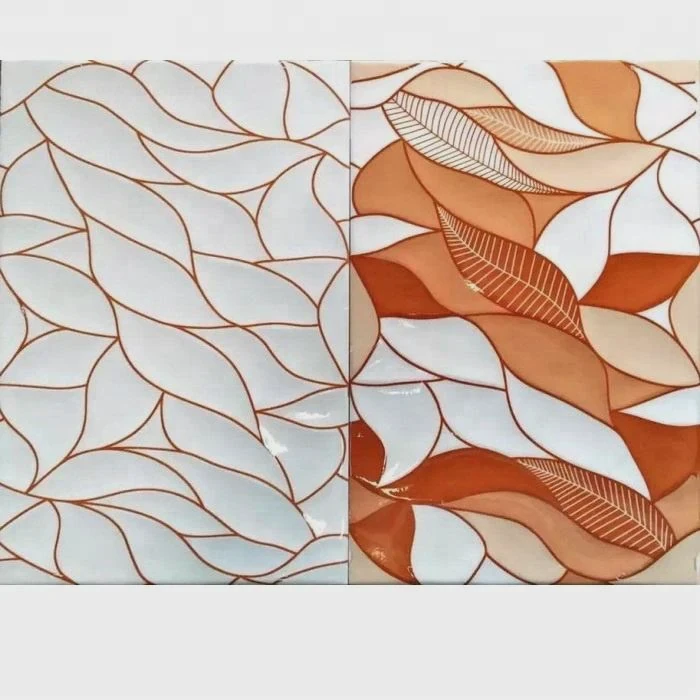
Many buyers narrow their choices to ceramic and porcelain because both are attractive, affordable, and widely available. The question is which one performs better in a shower.
Porcelain tiles are generally better for shower walls because they absorb less water, offer greater durability, and require less maintenance. Ceramic tiles remain a strong option for many residential shower applications.
The difference between ceramic and porcelain often creates confusion because both belong to the same tile family.
Understanding the Difference
Porcelain is essentially a specialized type of ceramic tile.
However, porcelain is produced using:
- Finer clay materials
- Higher firing temperatures
- Greater manufacturing pressure
These factors create a denser finished product.
Comparing Ceramic and Porcelain
| Feature | Ceramic Tile | Porcelain Tile |
|---|---|---|
| Water Absorption | Higher | Lower |
| Durability | Good | Excellent |
| Maintenance | Low | Very Low |
| Cost | Lower | Higher |
| Design Variety | Extensive | Extensive |
Both materials can perform successfully in shower environments.
Advantages of Ceramic Tile
Ceramic remains popular because it offers excellent value.
Benefits include:
- Lower initial cost
- Wide design selection
- Easy installation
- Lightweight construction
Many residential bathrooms use ceramic successfully for decades.
Advantages of Porcelain Tile
Porcelain offers several performance advantages.
These include:
- Superior moisture resistance
- Better stain resistance
- Greater strength
- Longer lifespan
These benefits become especially valuable in heavily used bathrooms.
Design Flexibility
Modern manufacturing technology allows both ceramic and porcelain to mimic:
- Marble
- Wood
- Concrete
- Stone
- Metal finishes
As a result, design possibilities are almost unlimited.
Cost Versus Long-Term Value
Ceramic often costs less upfront. Porcelain usually costs more initially but may provide greater durability over time.
When evaluating value, I consider:
- Installation location
- Expected traffic
- Maintenance preferences
- Project budget
Which Should You Choose?
The answer depends on project priorities.
Ceramic may be ideal when:
- Budget is limited
- The shower receives moderate use
- Decorative options are the primary focus
Porcelain may be ideal when:
- Maximum durability is desired
- Moisture resistance is a priority
- Long-term maintenance should be minimized
For many shower wall projects, porcelain provides the best balance between appearance and performance. However, a well-installed ceramic tile system can also deliver excellent results when maintained properly.
Do Natural Stones Need Extra Sealing?
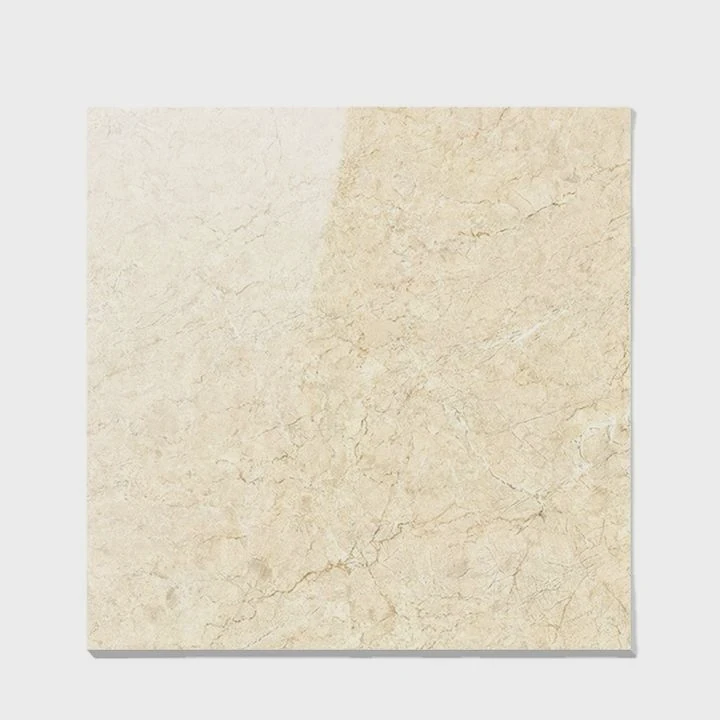
Natural stone creates a premium look that many homeowners love. At the same time, stone requires more attention than manufactured tile products.
Yes, most natural stone shower tiles require sealing to reduce moisture absorption, staining, and long-term surface deterioration. Regular resealing is often necessary to maintain protection.
Natural stone is different from porcelain and ceramic because it forms naturally over thousands or millions of years.
This natural formation creates pores and microscopic openings.
Why Stone Absorbs Moisture
Many stone products contain tiny spaces that allow water to penetrate.
Without protection, moisture may contribute to:
- Staining
- Mineral buildup
- Surface discoloration
- Mold growth in certain conditions
Sealing helps reduce these risks.
Stone Types and Sealing Requirements
Different stones require different levels of protection.
Marble
Marble is elegant but relatively porous.
Routine sealing is commonly recommended.
Travertine
Travertine contains visible pores and often requires careful sealing.
Limestone
Limestone is usually absorbent and benefits from protection.
Slate
Slate generally absorbs less moisture than many other stones but often still benefits from sealing.
Benefits of Sealing
Proper sealing provides several advantages.
These include:
- Improved stain resistance
- Reduced water absorption
- Easier cleaning
- Better appearance retention
Sealing acts as a protective barrier while preserving the stone’s natural look.
Penetrating Versus Surface Sealers
Two common sealer categories exist.
Penetrating Sealers
These enter the stone and provide protection from within.
Advantages include:
- Natural appearance
- Long-lasting protection
- Minimal surface changes
Enhancing Sealers
These deepen color while adding protection.
Advantages include:
- Richer appearance
- Improved color depth
- Decorative enhancement
How Often Should Stone Be Sealed?
The schedule varies according to:
- Stone type
- Shower usage
- Cleaning products
- Water conditions
Some installations may require resealing every few years.
Long-Term Maintenance Planning
One lesson learned from many tile projects is that natural stone rewards proper care.
Homeowners who choose stone should understand that maintenance is part of the investment.
Unlike porcelain, which often requires minimal attention, stone benefits from regular inspections and protective treatments. When properly sealed and maintained, natural stone can remain beautiful for many years while delivering a distinctive and luxurious appearance that manufactured materials often try to imitate.
What Finishes Prevent Mold Buildup?
Mold is one of the most common concerns in shower environments. Many people focus on cleaning products, but tile finish selection also plays an important role.
Smooth, non-porous tile finishes such as glazed porcelain, glazed ceramic, and glass help reduce mold buildup because they retain less moisture and are easier to clean. Proper ventilation remains equally important.
Mold thrives when moisture remains trapped on surfaces for long periods.
Reducing places where moisture can accumulate helps lower risk.
Why Surface Finish Matters
Different finishes affect how easily water, soap, and dirt remain on the surface.
A smoother finish generally provides:
- Faster drying
- Easier cleaning
- Less residue accumulation
- Reduced mold potential
Common Tile Finishes
| Finish Type | Mold Resistance | Cleaning Difficulty |
|---|---|---|
| Glazed Porcelain | Excellent | Easy |
| Glazed Ceramic | Excellent | Easy |
| Glass Tile | Excellent | Easy |
| Honed Stone | Moderate | Medium |
| Textured Stone | Lower | Higher |
The smoother the surface, the easier it usually is to keep clean.
Benefits of Glazed Surfaces
A glazed finish creates a protective layer over the tile body.
Advantages include:
- Lower moisture absorption
- Better stain resistance
- Simplified maintenance
- Improved hygiene
These qualities make glazed tiles popular for shower walls.
Glass Tile and Mold Prevention
Glass naturally resists moisture absorption.
Because the surface remains non-porous:
- Mold has fewer places to develop
- Soap residue is easier to remove
- Cleaning becomes simpler
This is one reason glass remains a popular accent material in bathrooms.
Grout Also Affects Mold Growth
Many people focus only on the tile itself.
However, grout lines often become the primary location for mold development.
Choosing high-quality grout and maintaining it properly can significantly improve performance.
Other Factors That Matter
Even the best tile finish cannot eliminate mold if moisture remains trapped.
Important supporting factors include:
Ventilation
Proper airflow removes humidity.
Cleaning Habits
Regular cleaning reduces residue buildup.
Waterproofing
Correct waterproof systems protect underlying structures.
Drainage
Water should leave surfaces quickly.
Building a Low-Maintenance Shower
For homeowners seeking the easiest maintenance routine, glazed porcelain often offers one of the strongest combinations of durability, moisture resistance, and mold prevention.
A smooth finish does not guarantee a mold-free shower, but it makes cleaning easier and reduces conditions that support mold growth. Combined with good ventilation and proper installation, the right finish can help maintain a cleaner and healthier bathroom environment.
Conclusion
The best shower wall tile combines moisture resistance, durability, and easy maintenance. Porcelain often provides the strongest overall performance, while ceramic, glass, and properly sealed natural stone can also work well. Choosing smooth finishes, using proper waterproofing, and maintaining the installation correctly will help create a beautiful shower that lasts for years.