Can I install tile on top of tile?
- Sinotiles
- 2026-04-16

Old tiles can make a space feel outdated. Removing them takes time and money. Many people wonder if they can skip demolition and tile directly over existing surfaces.
Yes, tile can be installed over existing tiles if the surface is stable, clean, and properly prepared. Using the right adhesive and method ensures a durable and professional result.
This method saves time and reduces labor. However, it only works under the right conditions. Each step must be handled carefully to avoid future problems.
What conditions allow tiling over existing tiles?
Not all tile surfaces are suitable for overlay. Ignoring conditions can lead to loose tiles or cracks later.
Tiling over existing tiles is possible when the old tiles are firmly bonded, level, clean, and free from major damage. A stable base ensures proper adhesion and long-term durability.
Before starting, the existing tile surface must be evaluated carefully. This step determines whether overlay installation is safe.
Check tile stability
The most important condition is stability.
- Tap tiles to check for hollow sounds
- Ensure no tiles are loose
- Look for cracks or movement
Loose tiles must be repaired or removed before proceeding.
Ensure a level surface
An uneven surface creates problems during installation.
- Check for height differences
- Use a straight edge to test flatness
- Fill low areas if necessary
Flatness ensures proper tile alignment.
Evaluate surface condition
The surface must be clean and intact.
- No grease or oil
- No heavy stains
- No peeling coatings
Check moisture exposure
Moisture affects adhesion.
- Ensure the surface is dry
- Check for water damage
- Avoid overlay in high-moisture areas without proper waterproofing
Height and clearance considerations
Adding a new tile layer increases height.
- Check door clearance
- Consider transitions to other rooms
- Adjust fixtures if needed
Condition checklist
| Condition | Requirement |
|---|---|
| Tile stability | Firm, no movement |
| Surface flatness | Even and level |
| Cleanliness | Free of grease and dust |
| Moisture condition | Dry and damage-free |
| Height allowance | Enough clearance available |
Skipping these checks often leads to failure. A strong base is essential for success.
How do you prepare old tile surfaces properly?
Even good tiles need preparation. Smooth glazed surfaces do not bond well with new materials.
Old tile surfaces must be cleaned, roughened, repaired, and primed if necessary to improve adhesion before installing new tiles. Proper preparation ensures strong bonding.
Preparation is the key to successful tile-over-tile installation. It improves bonding between layers.
Clean the surface thoroughly
Cleaning removes barriers to adhesion.
- Use a degreaser
- Remove soap residue
- Wash and dry completely
Even small amounts of grease can affect bonding.
Roughen the tile surface
Glazed tiles are too smooth. Roughening improves grip.
Methods to roughen tiles
- Sanding with coarse sandpaper
- Using a grinding tool
- Applying a bonding primer
This step creates a better surface for adhesive.
Repair damaged areas
Damaged tiles must be fixed before installation.
- Replace cracked tiles
- Fill gaps with leveling compound
- Ensure surface consistency
Apply a bonding agent
Bonding agents improve adhesion on smooth surfaces.
- Roll or brush application
- Allow proper drying time
- Follow manufacturer instructions
Level the surface if needed
Leveling ensures even tile placement.
- Use self-leveling compound
- Fill dips and uneven areas
Preparation steps summary
| Step | Purpose |
|---|---|
| Cleaning | Remove contaminants |
| Roughening | Improve adhesion |
| Repairing | Ensure stability |
| Priming | Enhance bonding strength |
| Leveling | Achieve flat surface |
Common preparation mistakes
- Skipping roughening
- Not cleaning thoroughly
- Ignoring damaged tiles
These mistakes reduce bonding strength and lead to failure.
Proper preparation transforms an unsuitable surface into a reliable base.
Which adhesives work best for tile over tile?
Using the wrong adhesive is a common mistake. Standard adhesives may not bond well to existing tiles.
Modified thin-set mortar and high-bond tile adhesives are best for tile over tile installation, as they provide strong adhesion to smooth surfaces and handle structural movement.
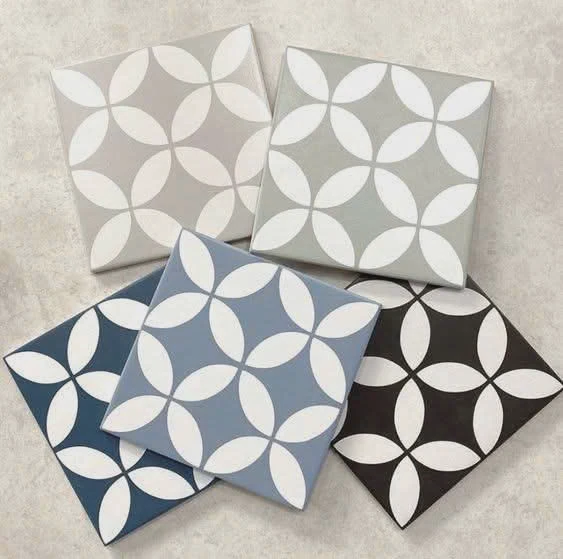
Adhesive selection directly affects durability. The adhesive must bond to both old and new tiles.
Types of suitable adhesives
Polymer-modified thin-set mortar
This is the most recommended option.
- Strong bonding properties
- Flexible under stress
- Suitable for most tile types
It works well for both walls and floors.
Epoxy-based adhesives
Epoxy adhesives offer superior performance.
- Extremely strong bond
- Resistant to moisture
- Suitable for demanding environments
However, they are more expensive and harder to apply.
Ready-mix adhesives (limited use)
These are easier to use but less durable.
- Suitable for light-duty areas
- Not recommended for floors or heavy loads
Adhesive comparison table
| Adhesive Type | Bond Strength | Best Application |
|---|---|---|
| Modified thin-set mortar | High | Floors and walls |
| Epoxy adhesive | Very high | Wet or heavy-use areas |
| Ready-mix adhesive | Medium | Light-duty walls |
Application tips
Correct application ensures performance.
- Use a notched trowel
- Apply evenly across surface
- Press tiles firmly into place
Adhesive thickness and coverage
Proper thickness is important.
- Too thin leads to weak bonding
- Too thick causes uneven tiles
Follow product guidelines.
Curing time considerations
Adhesives require time to set.
- Initial set: a few hours
- Full cure: 24-48 hours
Avoid walking on tiles during this period.
Common adhesive mistakes
- Using non-modified mortar
- Applying uneven layers
- Not allowing curing time
Choosing the right adhesive ensures long-term success and prevents tile failure.
What risks come with installing over tiles?
Tile-over-tile installation saves time, but it comes with risks. Ignoring these risks can lead to costly repairs.
The main risks include poor adhesion, increased floor height, hidden damage, and long-term durability issues if installation is not done correctly.

Understanding risks helps make better decisions. Not every situation is suitable for this method.
Risk of poor adhesion
If preparation is not done properly, tiles may loosen.
- Smooth surfaces reduce bonding
- Dust and grease weaken adhesion
- Incorrect adhesive leads to failure
Increased height issues
Adding a new layer raises floor height.
- Doors may not close properly
- Transitions between rooms become uneven
- Fixtures may need adjustment
Hidden damage beneath tiles
Old tiles may hide problems.
- Cracks in substrate
- Moisture damage
- Structural issues
Overlaying tiles does not fix these problems.
Weight load concerns
Additional tiles add weight.
- May affect weak structures
- Important for upper floors
Long-term durability risks
Improper installation reduces lifespan.
- Tiles may crack over time
- Grout lines may fail
- Maintenance becomes harder
Risk summary table
| Risk Type | Impact |
|---|---|
| Poor adhesion | Tiles may loosen or fall |
| Height increase | Functional and design issues |
| Hidden damage | Problems remain unresolved |
| Added weight | Structural concerns |
| Durability issues | Shorter lifespan |
When not to tile over tile
Avoid this method when:
- Tiles are loose or damaged
- Surface is uneven
- Moisture issues exist
How to reduce risks
- Perform thorough inspection
- Use proper materials
- Follow correct installation steps
Tile-over-tile installation is practical, but only when conditions are right. Careful planning reduces risks and ensures success.
Conclusion
Installing tile over tile is possible when conditions are suitable and preparation is done properly. With the right adhesive and awareness of risks, this method can save time while still delivering a durable and attractive result.