How to Lay Hex Tile?
- Sinotiles
- 2026-04-16
Hex tiles look stylish, but many installations end up uneven, misaligned, or visually messy. These problems often come from poor layout and spacing control.
To lay hex tile correctly, you must plan the layout carefully, keep spacing consistent, choose the right adhesive, and apply grout at the proper time.
Hex tiles are different from square tiles. Their angles and shapes require more attention. This guide explains each step in a clear and practical way to help achieve a clean and professional finish.
What layout techniques ensure even hex tile patterns?
Uneven patterns are the most common issue with hex tiles. Once misaligned, the pattern becomes very noticeable.
To ensure even hex tile patterns, use center-based layout planning, dry-lay tiles first, follow reference lines, and adjust continuously during installation.
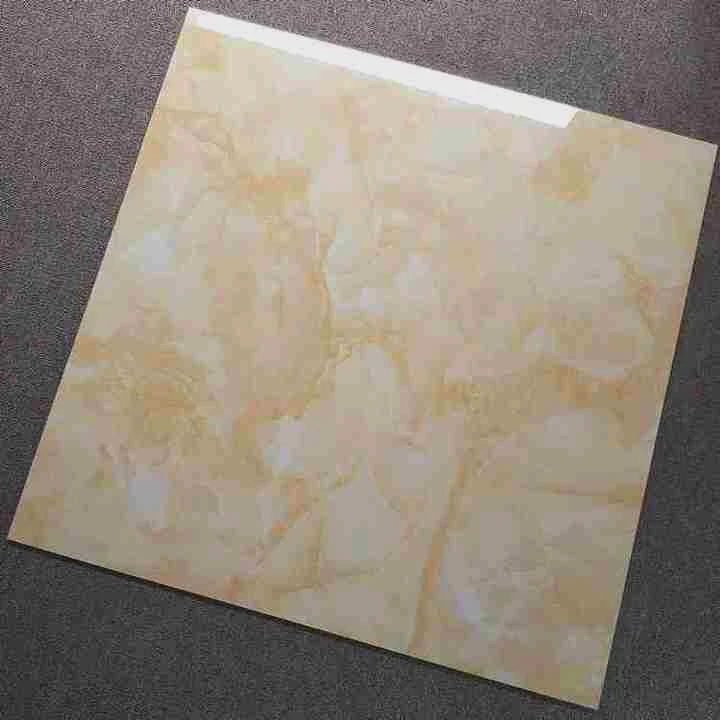
Hex tile layout requires more planning than standard tiles. The unique shape creates repeating patterns that must stay consistent across the surface.
Start from the center
A balanced layout begins at the center of the room or wall.
- Find the midpoint of the space
- Mark horizontal and vertical lines
- Begin placing tiles outward
This method keeps the pattern symmetrical.
Dry-lay before installation
Dry-laying helps visualize the final result.
- Place tiles without adhesive
- Check pattern flow
- Identify necessary cuts
This step reduces surprises during installation.
Use reference lines
Guidelines keep tiles aligned.
- Use chalk lines or laser level
- Follow the lines as you install
- Check alignment frequently
Without reference lines, patterns can drift.
Work in small sections
Hex tiles can shift easily.
- Install a small area at a time
- Check pattern consistency
- Adjust before adhesive sets
Common layout mistakes
| Mistake | Result |
|---|---|
| Starting from one edge | Uneven pattern |
| Skipping dry layout | Poor planning |
| Ignoring alignment lines | Pattern drift |
| Rushing installation | Misaligned tiles |
Handling edges and cuts
Edges require careful attention.
- Use proper tile cutters
- Avoid very small edge pieces
- Adjust layout to balance cuts
Pattern consistency check
After placing several tiles:
- Step back and inspect
- Look for pattern shifts
- Correct immediately if needed
A good layout ensures the entire surface looks balanced and visually pleasing.
How do you maintain consistent spacing for hex tiles?
Spacing issues can ruin the look of hex tiles. Uneven gaps break the pattern and affect grouting.
To maintain consistent spacing, use tile spacers, apply even pressure, align edges carefully, and adjust tiles before adhesive sets.

Hex tiles have more edges than square tiles. This makes spacing control more challenging.
Use proper spacers
Spacers are essential for uniform gaps.
- Choose the correct size
- Place at tile corners
- Use multiple spacers if needed
Some hex tiles come with mesh backing, which helps spacing.
Apply even pressure
After placing each tile:
- Press gently
- Ensure it sits flat
- Avoid pushing too hard
Uneven pressure causes tiles to sit at different heights.
Align edges carefully
Hex tiles must connect perfectly.
- Check each edge alignment
- Avoid overlapping or gaps
- Adjust immediately
Adjust before adhesive sets
Timing is important.
- Make corrections early
- Do not wait until adhesive hardens
Common spacing problems
| Problem | Cause |
|---|---|
| Uneven gaps | Incorrect spacer use |
| Tile lippage | Uneven pressure |
| Misaligned edges | Poor placement |
| Visible pattern breaks | Inconsistent spacing |
Working with mesh-mounted hex tiles
Mesh sheets simplify installation.
- Faster placement
- Pre-set spacing
But still require adjustments at sheet edges.
Professional tip
Use a straight edge or level frequently to check alignment and spacing across multiple tiles.
Consistent spacing ensures a clean look and smooth grouting process.
Which adhesives work best for hex tiles?
Using the wrong adhesive can lead to tile movement, poor bonding, or long-term failure.
The best adhesives for hex tiles are thin-set mortar, epoxy adhesive, or ready-mix adhesive, depending on tile material and installation area.
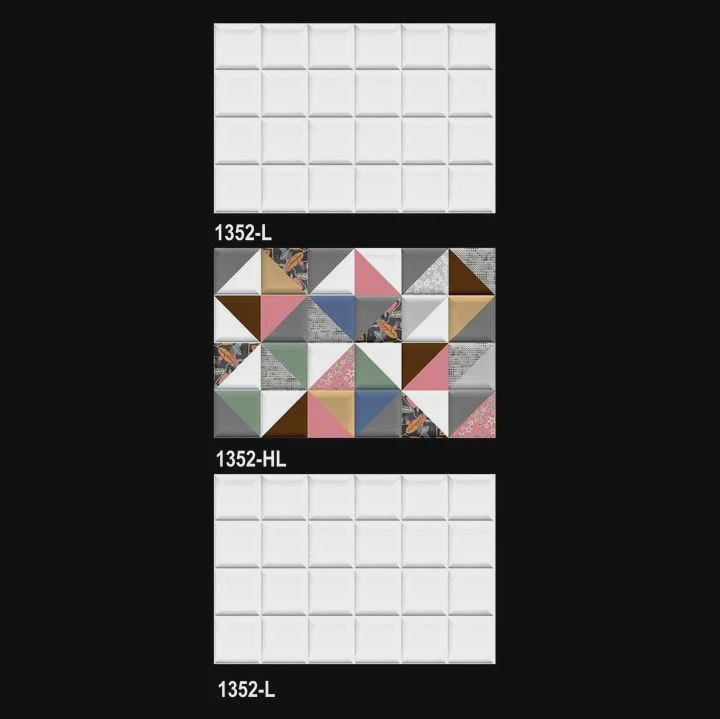
Hex tiles can be made from ceramic, porcelain, or natural stone. Each material may require a different adhesive.
Thin-set mortar
This is the most common option.
- Strong bonding
- Suitable for floors and walls
- Works well with ceramic and porcelain
It must be mixed before use.
Epoxy adhesive
This is a high-performance option.
- Waterproof
- Strong and durable
- Ideal for wet areas
Best for glass or high-end installations.
Ready-mix adhesive
This is convenient for small projects.
- Easy to use
- No mixing required
But not ideal for heavy tiles or wet areas.
Adhesive selection guide
| Tile Type | Recommended Adhesive |
|---|---|
| Ceramic hex tile | Thin-set |
| Porcelain hex tile | Thin-set |
| Glass hex tile | Epoxy |
| Small indoor projects | Ready-mix |
Adhesive color selection
For light-colored tiles:
- Use white adhesive
- Prevents discoloration
Application tips
- Use a small notched trowel
- Spread evenly
- Avoid covering large areas
Common adhesive mistakes
- Using incorrect adhesive type
- Applying too much adhesive
- Allowing adhesive to dry before tile placement
Choosing the right adhesive ensures durability and stability.
When should grout be applied after installation?
Grouting too early or too late can cause serious issues. Timing is critical.
Grout should be applied after the adhesive has cured, typically 24 hours after installation, depending on conditions and adhesive type.
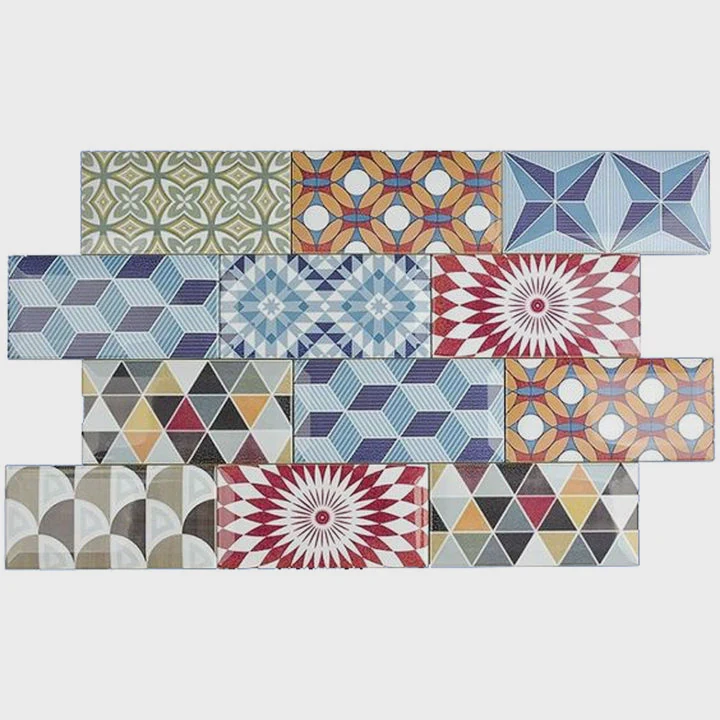
Grouting completes the installation and locks tiles in place.
Why timing matters
If grout is applied too early:
- Tiles may shift
- Adhesive may weaken
If too late:
- Dirt may enter joints
- Cleaning becomes difficult
Standard waiting time
- Most installations: 24 hours
- Faster adhesives: shorter time
- Cooler environments: longer time
Grouting process
- Mix grout properly
- Apply using rubber float
- Press into joints
- Remove excess grout
- Clean surface
Types of grout
Cement-based grout
- Common and affordable
- Suitable for most uses
Epoxy grout
- Strong and stain-resistant
- Ideal for wet or high-traffic areas
Grouting checklist
| Step | Key Action |
|---|---|
| Before grouting | Ensure joints are clean |
| During grouting | Fill joints completely |
| After grouting | Clean tiles carefully |
Common grouting mistakes
- Grouting too early
- Leaving haze on tiles
- Using wrong grout type
Final tip
Always clean tiles in stages to avoid grout haze and ensure a smooth finish.
Proper grouting enhances both appearance and durability.
Conclusion
Laying hex tile requires careful layout planning, precise spacing, suitable adhesive selection, and correct grouting timing. Each step plays an important role in achieving a balanced, durable, and visually appealing tile installation.