Can Tile Be Installed Over Linoleum?
- Sinotiles
- 2026-07-20
Many people want to save time and money by installing tile over old linoleum. A wrong decision can lead to cracked tiles, weak bonding, and expensive repairs.
Yes, tile can sometimes be installed over linoleum if the existing floor is firmly bonded, clean, flat, and in good condition. Still, removing old linoleum often provides a stronger and longer-lasting tile installation.
Many homeowners and contractors ask this question before starting a renovation. The answer depends on the condition of the existing floor, the type of tile, and the installation method. Every project is different. Understanding the risks and the preparation steps helps avoid costly mistakes later.
What Preparation Is Needed for Linoleum Surfaces?
Many tile failures happen because people skip preparation. Even the best tile adhesive cannot fix a dirty, loose, or damaged surface.
A linoleum floor must be clean, dry, flat, well bonded, and free from wax, grease, or loose areas before tile installation begins. Proper preparation greatly improves tile performance.
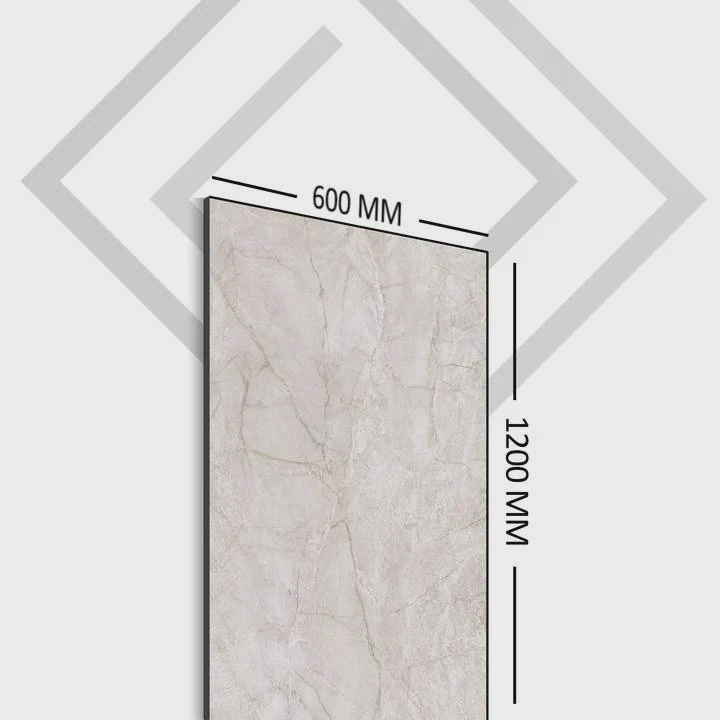
Preparation is the most important part of the entire project. A strong tile floor always begins with a stable base. Even high-quality porcelain tiles cannot stay in place if the floor underneath moves.
Inspect the Existing Linoleum
The first step is checking whether the linoleum is still firmly attached to the subfloor. Every corner should remain tight. There should be no bubbles, loose edges, or soft spots.
If large sections move under foot pressure, installing tile directly over them is risky.
Clean the Surface Thoroughly
Linoleum usually collects years of dirt, wax, polish, soap residue, and grease. These materials prevent adhesives from making direct contact.
A complete cleaning should include:
- Removing dust and dirt
- Degreasing oily areas
- Removing floor wax
- Allowing the floor to dry completely
A clean surface always improves bonding.
Check Floor Flatness
Large-format porcelain tiles require a very flat floor.
A straightedge can quickly reveal uneven areas. High spots should be sanded if possible, while low spots may require a floor-leveling compound.
Light Surface Abrasion
Many installers lightly sand glossy linoleum before applying adhesive.
This creates a rougher texture that helps adhesives grip better.
However, sanding should only be done after confirming the flooring does not contain hazardous materials found in some very old installations.
Moisture Inspection
Moisture is another hidden problem.
If water comes through the concrete slab below the linoleum, tile installation may fail over time.
Simple moisture testing before installation can prevent expensive repairs.
Preparation Checklist
| Inspection Item | Recommended Condition |
|---|---|
| Bond to subfloor | Fully attached |
| Surface cleanliness | No wax, grease, or dirt |
| Moisture | Completely dry |
| Flatness | Meets tile manufacturer’s requirements |
| Damage | No tears or soft spots |
| Surface texture | Slightly rough for better adhesion |
Proper preparation usually takes longer than laying the tile itself. From my experience working with flooring projects, the installers who spend extra time preparing the surface often experience far fewer callbacks than those who rush into installation.
Will Linoleum Affect Tile Adhesion Strength?
Many people assume tile adhesive sticks directly to the subfloor. That is not true when tile is installed over linoleum. The adhesive depends entirely on the old flooring staying in place.
Yes. Linoleum can reduce tile adhesion strength if it is loose, flexible, damaged, or contaminated. The tile system becomes only as strong as the existing linoleum underneath.
Tile itself is extremely rigid.
Linoleum behaves very differently. It expands slightly with temperature changes and can flex under heavy loads.
This difference creates stress inside the tile assembly.
The Weakest Layer Determines Performance
Think of the flooring like several stacked layers.
Tile sticks to adhesive.
Adhesive sticks to linoleum.
Linoleum sticks to the subfloor.
If any one layer fails, the whole floor can fail.
That is why professionals often say the installation is only as strong as its weakest layer.
Movement Creates Cracks
Tile does not tolerate movement very well.
Small movements in linoleum may eventually cause:
- Cracked grout
- Hollow sounding tiles
- Loose tiles
- Broken tile corners
These problems may appear months after installation.
Heavy Traffic Increases Risk
Residential bathrooms experience much lighter loads than busy commercial buildings.
Areas that receive heavy rolling loads, carts, or constant foot traffic place much more stress on the adhesive bond.
Commercial projects usually remove resilient flooring before tiling for this reason.
Surface Contamination
Older linoleum often contains years of maintenance products.
Even if the floor looks clean, invisible wax or polish can prevent proper bonding.
This is why professional cleaning before installation matters.
Factors Affecting Adhesion
| Factor | Effect on Tile Bond |
|---|---|
| Loose linoleum | Very poor |
| Wax residue | Poor |
| Flat, clean surface | Good |
| Moisture underneath | Poor |
| Heavy foot traffic | Higher failure risk |
| Proper preparation | Improved performance |
One renovation project that comes to mind involved a small office where the existing linoleum looked perfect. After closer inspection, several hidden air pockets appeared near the entrance. Removing the old flooring delayed the schedule by one day, but it prevented what would likely have become cracked tiles within the first year.
Which Adhesives Bond Tile to Linoleum Effectively?
Not every tile adhesive works well over resilient flooring. Choosing the wrong product can shorten the life of the installation.
High-performance polymer-modified thin-set mortars or specialty adhesives approved by the manufacturer for resilient flooring provide the best bonding results over properly prepared linoleum.
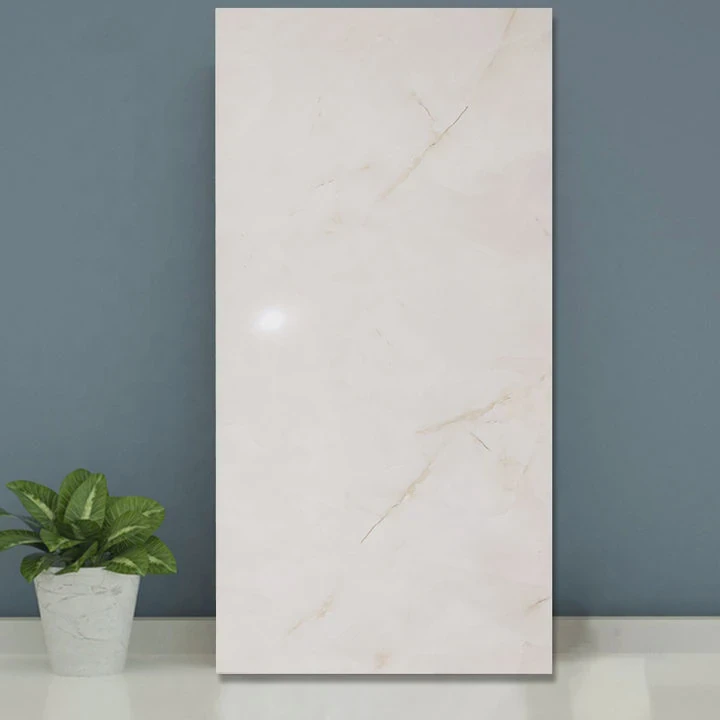
The adhesive plays a major role in successful installation. However, even the strongest adhesive cannot compensate for loose or damaged linoleum.
Polymer-Modified Thin-Set Mortar
This is the most common recommendation.
Modern polymer additives improve flexibility and bonding strength.
Many manufacturers approve selected products for installations over properly prepared resilient flooring.
Always verify the manufacturer’s installation instructions before use.
Specialty Adhesives
Some companies produce adhesives specifically designed to bond difficult surfaces.
These products often provide better grip on non-porous flooring than standard mortars.
Professional installers sometimes choose these products when removal is impractical.
Large-Format Tile Mortars
Large porcelain panels place greater stress on the adhesive.
Mortars designed for large-format tile reduce sagging and improve support under bigger tiles.
Manufacturer Approval Matters
Every adhesive manufacturer publishes installation guidelines.
These documents explain:
- Approved substrates
- Surface preparation
- Mixing instructions
- Cure time
- Temperature limits
Following these instructions is often required to maintain product warranties.
Avoid General Construction Adhesives
Some people mistakenly use general-purpose construction adhesive.
These products are not designed for ceramic or porcelain tile installation.
They often create weak spots and uneven support.
Choosing the Right Adhesive
Several factors affect adhesive selection:
Tile Type
Porcelain tiles absorb very little water.
Many require premium modified mortars for stronger bonding.
Installation Location
Bathrooms, kitchens, laundry rooms, and commercial spaces each have different moisture conditions.
Higher moisture usually requires better-performing materials.
Tile Size
Larger tiles demand higher coverage and stronger support beneath each piece.
Existing Floor Condition
The smoother the linoleum, the more important adhesive selection becomes.
Reading technical data sheets before purchasing materials saves time and prevents expensive mistakes later.
Is Removing Linoleum Better Before Tiling?
Many installers debate this question. Direct installation saves labor today. Complete removal may save repairs years later.
In most cases, removing linoleum before installing tile provides the strongest, most durable, and most reliable flooring system, especially for long-term performance.
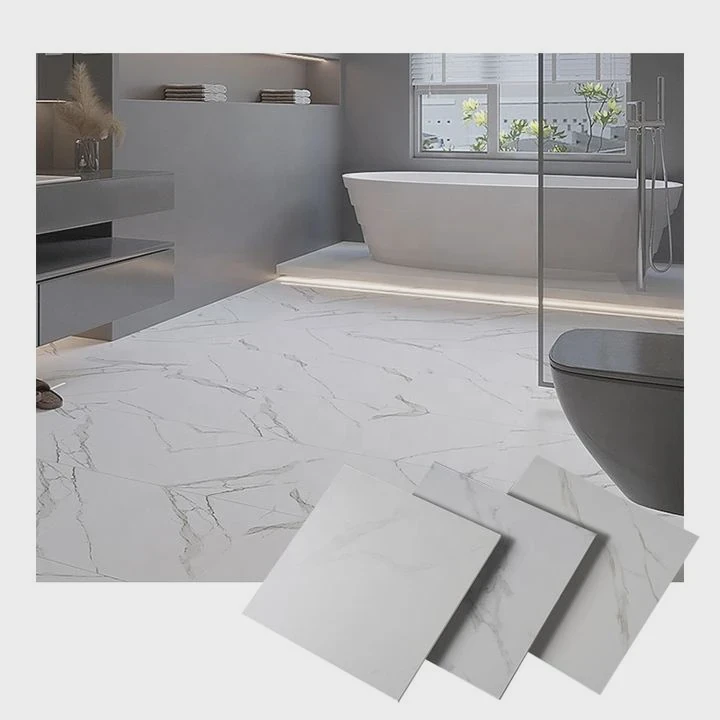
Although tile can sometimes be installed over existing linoleum, removal remains the preferred solution in many professional projects.
Better Bonding
Removing linoleum allows the mortar to bond directly with concrete or approved cement backer boards.
This creates a much stronger mechanical bond.
Lower Long-Term Risk
Old flooring hides unknown problems.
Possible hidden issues include:
- Water damage
- Mold
- Loose subfloor panels
- Cracks
- Structural movement
Removing the flooring exposes these problems before tile installation begins.
Better Height Management
Installing tile over linoleum increases finished floor height.
This may create problems around:
- Door clearances
- Appliances
- Cabinets
- Floor transitions
Removing the old flooring reduces these issues.
Longer Service Life
Professional tile floors often last decades.
The extra effort during preparation usually pays off through reduced maintenance and fewer repairs.
When Leaving Linoleum May Be Acceptable
There are situations where installers may tile over linoleum.
Examples include:
- The linoleum is fully bonded.
- The surface is completely flat.
- No moisture problems exist.
- The adhesive manufacturer approves the application.
- Local building requirements allow it.
Even then, careful inspection remains essential.
Comparing Both Options
| Installation Method | Advantages | Possible Drawbacks |
|---|---|---|
| Tile over linoleum | Faster installation, less demolition, lower initial labor | Depends on old floor condition, higher long-term risk |
| Remove linoleum first | Stronger bond, longer lifespan, reveals hidden issues | More labor, additional disposal cost, longer project time |
Over the years, I have noticed that projects focused on long-term durability usually begin with removing old resilient flooring. It adds work at the start, but it often reduces the chance of failures later. For homeowners planning to stay in the same house for many years, this approach usually offers greater peace of mind. For short renovation schedules, direct installation may still be considered, but only after confirming the existing floor meets every requirement recommended by both tile and adhesive manufacturers.
Conclusion
Installing tile over linoleum is possible under the right conditions, but success depends on careful inspection, proper preparation, and the correct adhesive. When long-term durability is the priority, removing the old linoleum usually creates the strongest and most dependable foundation for a beautiful tile floor.