Can wood flooring be installed over tile?
- Sinotiles
- 2026-08-07
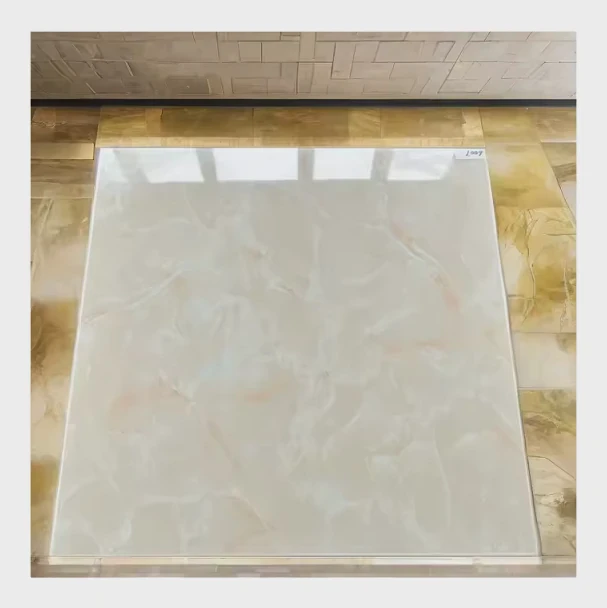
Many homeowners worry about old tile floors because removal can be costly, noisy, and time-consuming. A wrong installation choice can create uneven floors and future problems.
Yes, wood flooring can be installed over tile when the tile surface is strong, flat, clean, and properly prepared. A stable tile base can support wood flooring and help create a durable finished floor.
Replacing a floor does not always mean removing the existing surface. In many renovation projects, keeping the tile can save time and reduce waste. The key point is understanding the condition of the tile before adding wood flooring.
What conditions allow wood flooring over tile?
Old tile does not always need to be removed before installing wood flooring. However, the tile must meet several basic conditions. A weak or damaged tile surface can create problems after installation because the wood floor will follow the movement of the base below.
Wood flooring can be installed over tile when the tile is firmly attached, the surface is dry, the floor is level, and the existing structure can support the new flooring system.

The first step is checking the condition of the tile. Loose tiles, broken tiles, deep cracks, or areas with movement should be repaired before installation. A stable foundation helps the wood flooring maintain its shape and performance over time.
Important conditions to check before installation
A careful inspection can prevent many future issues. The tile surface should provide a solid base instead of creating additional problems.
| Inspection Item | Good Condition | Problem Condition |
|---|---|---|
| Tile attachment | Tiles stay firmly in place | Tiles move or sound hollow |
| Surface level | Flat and even | Large height differences |
| Moisture level | Dry surface | Water damage or moisture problems |
| Tile damage | Minor wear only | Cracks or broken areas |
The type of wood flooring also affects the installation method. Engineered wood is often more suitable than solid hardwood because it handles changes in humidity better. Floating installation methods can work well because they do not always require direct bonding to the tile surface.
Choosing the right wood flooring system
Different wood products have different requirements. Solid wood usually needs a stronger attachment method and may need a traditional subfloor. Engineered wood often provides more flexibility because of its layered structure.
| Wood Flooring Type | Suitability Over Tile | Main Reason |
|---|---|---|
| Engineered wood | High | Better stability with moisture changes |
| Floating laminate-style wood | Medium to high | Easier installation method |
| Solid hardwood | Lower | Requires stricter subfloor conditions |
A successful installation depends on matching the flooring product with the existing tile condition. A professional inspection can help identify whether the current floor is suitable.
In many renovation projects, the biggest mistake is focusing only on appearance. A beautiful wood surface cannot solve problems below it. The base floor must be strong first.
How can subfloor preparation improve installation?
Subfloor preparation creates a stronger connection between the existing tile and the new wood flooring. Even when tile looks acceptable, small problems below the surface can affect the final result.
Proper subfloor preparation improves wood flooring installation by creating a clean, flat, and stable foundation that reduces movement, noise, and long-term damage.
Preparation is often the difference between a short-term renovation and a long-lasting floor. The process may include cleaning, leveling, repairing damaged areas, and adding suitable underlayment.
Cleaning and surface correction
Tile floors often collect dirt, grease, and cleaning product residue. These materials can reduce the performance of adhesives or affect underlayment placement.
The preparation process usually includes:
- Removing dust and debris
- Cleaning surface contamination
- Repairing loose tiles
- Filling deep grout gaps when needed
- Checking floor height differences
The grout lines between tiles can also affect installation. Deep grout joints may create uneven support under some wood flooring systems. In these cases, a leveling layer may be needed.
Creating a better installation base
A prepared surface helps distribute weight more evenly. This reduces stress on specific areas of the wood flooring.
A stable base provides several benefits:
- Less floor movement
- Lower chance of gaps forming
- Better walking comfort
- Improved product lifespan
The preparation method depends on the flooring system. A floating floor may need a quality underlayment, while glued systems require stronger surface bonding conditions.
Common preparation methods
| Preparation Method | Purpose | Benefit |
|---|---|---|
| Deep cleaning | Remove unwanted materials | Improves installation quality |
| Floor leveling | Correct uneven areas | Creates smoother results |
| Tile repair | Stabilize damaged sections | Prevents movement problems |
| Underlayment installation | Add support and protection | Improves comfort and sound control |
Good preparation requires patience. Some homeowners try to save time by installing directly over tile without checking the surface. This can create problems that are more expensive to repair later.
The floor underneath the wood is not visible after installation, but it controls the performance of the entire flooring system. A strong preparation process protects the investment and helps the new floor stay beautiful for many years.
Why ensure tile surface is level and stable?
A level and stable tile surface is one of the most important requirements for installing wood flooring. Wood materials can react to pressure and movement below them, so uneven tile can create visible problems.
A level and stable tile surface helps wood flooring stay flat, reduces stress on joints, and improves the overall durability of the finished floor.
A floor may look acceptable from a distance but still contain small changes in height. These differences can become larger after wood flooring covers the surface.
How uneven tile affects wood flooring
When wood flooring sits on an uneven base, some areas may receive more pressure than others. Over time, this can lead to movement and damage.
Possible problems include:
- Squeaking sounds
- Uneven walking areas
- Open joints between boards
- Damaged locking systems
- Reduced comfort
Stability matters as much as flatness
A flat floor is not enough. The tile must also stay attached to the original structure. A perfectly flat loose tile surface is still unsafe because movement underneath can transfer to the wood flooring.
The inspection should focus on both appearance and physical condition.
| Question | Why It Matters |
|---|---|
| Are tiles firmly attached? | Prevents movement below wood flooring |
| Is the floor flat? | Supports even pressure distribution |
| Are cracks controlled? | Reduces future structural problems |
| Is moisture controlled? | Protects wood from damage |
Understanding tile movement
Tile floors can fail because of several reasons, including poor original installation, moisture problems, or structural movement. If these issues remain hidden under wood flooring, repairs become difficult.
A careful evaluation helps identify whether the tile can become part of the new flooring system or whether removal is necessary.
In my experience with flooring projects, the surface people see is only one part of the complete system. The layers below the finished floor decide how well the installation performs. Good results come from checking every layer before adding new materials.
A stable tile base gives wood flooring a better chance to perform well. It creates confidence that the new floor will not only look attractive on the first day but also remain reliable after years of daily use.
Which risks affect wood flooring over tile performance?
Installing wood flooring over tile can be a practical solution, but several risks need attention. Ignoring these risks can reduce the lifespan of the flooring and increase maintenance costs.
The main risks include moisture problems, uneven surfaces, tile movement, incorrect installation methods, and choosing unsuitable wood flooring products.

Every flooring project has different conditions. A method that works well in one building may not work in another. Understanding possible problems helps create better decisions.
Moisture-related problems
Wood products are sensitive to moisture changes. If moisture exists below the tile or comes from the surrounding environment, the wood flooring may expand, shrink, or change shape.
Important moisture sources include:
- Concrete moisture below tile
- Water leaks
- High indoor humidity
- Poor ventilation
Moisture testing before installation can reduce these risks.
Incorrect installation choices
The installation method must match the flooring product and the tile condition. For example, using an unsuitable adhesive or skipping necessary underlayment can reduce performance.
| Risk | Possible Result | Prevention |
|---|---|---|
| Moisture exposure | Warping or swelling | Check moisture levels |
| Uneven tile | Floor movement | Level the surface |
| Loose tiles | Noise and instability | Repair damaged areas |
| Wrong flooring type | Poor durability | Select suitable materials |
Long-term performance considerations
Wood flooring over tile can perform well when the installation follows proper steps. However, shortcuts often create hidden problems.
The most important factors include:
- Correct floor inspection
- Proper surface preparation
- Suitable wood flooring selection
- Professional installation methods
- Regular maintenance after installation
A good flooring system works as a complete structure. The tile, underlayment, and wood surface must work together. Each layer affects the final result.
Many renovation projects succeed because they focus on preparation instead of only focusing on the final appearance. A careful process reduces risk and creates a floor that feels stable, comfortable, and attractive.
Wood flooring over tile is not a simple cover-up solution. It is a technical installation choice that requires planning. When the existing tile is suitable and the preparation work is done correctly, this method can provide an efficient way to upgrade an interior space.
Conclusion
Wood flooring can be installed over tile when the tile is stable, level, and properly prepared. Careful inspection and correct installation methods help create a durable, comfortable, and attractive flooring solution.
- Pre: How to change Tile battery?
- Next: What is LVT tile?