Does porcelain tile need to be sealed?
- Sinotiles
- 2026-04-16
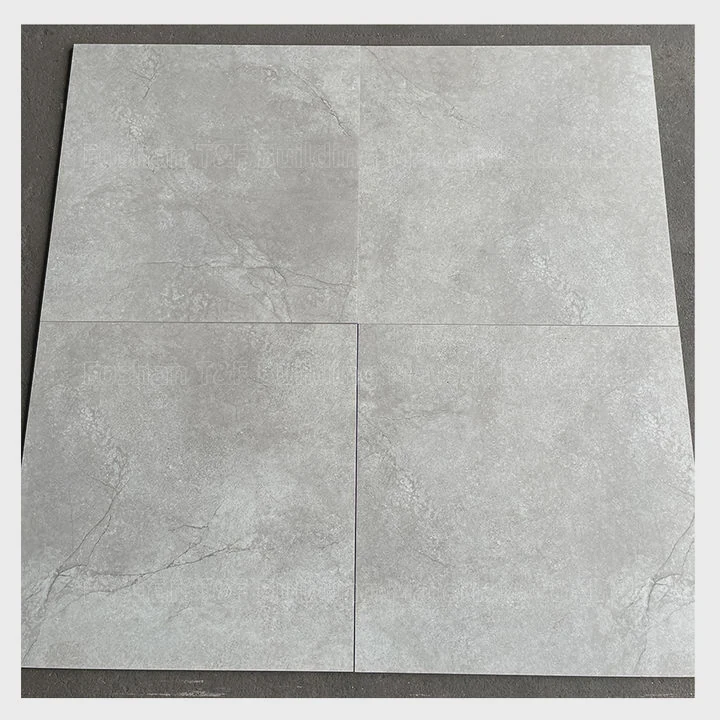
Many buyers think all tiles need sealing. This idea leads to extra cost and wrong maintenance decisions, especially for porcelain tiles.
Porcelain tile usually does not need sealing because it has very low water absorption, but certain finishes and grout lines may still benefit from sealing.
Porcelain is different from natural stone. Understanding when sealing is needed helps avoid mistakes and improves long-term performance.
Why is sealing important for certain tile types?
Some tiles absorb water and stains easily. Without sealing, they can become damaged, discolored, or difficult to clean over time.
Sealing is important because it protects porous tile surfaces from water, stains, and dirt by reducing absorption and extending the tile’s lifespan.
Not all tiles behave the same. The need for sealing depends on how porous the material is.
Understanding tile porosity
Porosity means how much water a tile can absorb. High porosity means more risk.
Here is a simple comparison:
| Tile Type | Water Absorption | Sealing Needed |
|---|---|---|
| Natural stone | High | Yes |
| Ceramic tile | Medium | Sometimes |
| Porcelain tile | Very low | Rarely |
Porcelain tiles are fired at very high temperatures. This makes them dense and less absorbent.
Why porous tiles need sealing
Porous tiles can:
- Absorb spills and stains
- Allow moisture penetration
- Develop mold or discoloration
Sealing reduces these risks by creating a barrier.
Protection benefits
Sealing helps:
- Prevent stains from food or liquids
- Make cleaning easier
- Extend tile life
Where sealing is critical
Sealing is essential for:
- Marble and natural stone floors
- Outdoor stone surfaces
- High-moisture areas
Common misunderstanding
Many people apply sealers on all tiles without checking material type. This is unnecessary for porcelain and may even affect surface appearance.
Practical insight
In many export projects, sealing is recommended only when needed. Over-sealing increases cost but does not add real value for dense materials like porcelain.
How do you know if porcelain tile needs sealing?
Most porcelain tiles do not need sealing, but there are exceptions. Knowing how to identify them is important.
Porcelain tile may need sealing if it is unglazed, polished, or has micro-pores that can absorb stains, while glazed porcelain usually does not require sealing.
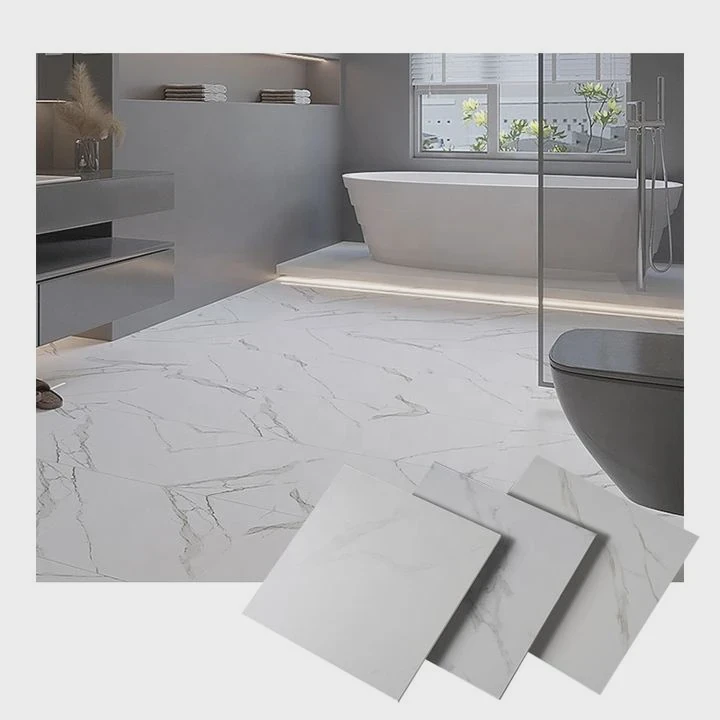
Not all porcelain tiles are exactly the same. Surface finish plays a key role.
Types of porcelain finishes
Different finishes behave differently:
| Finish Type | Sealing Required | Reason |
|---|---|---|
| Glazed porcelain | No | Protective surface layer |
| Polished porcelain | Sometimes | Micro-pores present |
| Unglazed porcelain | Sometimes | Slight absorption |
Water absorption test
A simple test can help:
- Place a few drops of water on the tile
- Wait 10-15 minutes
- Check if water is absorbed
If the tile darkens, sealing may be needed.
Why polished tiles may need sealing
Polishing opens tiny pores on the surface. These pores can:
- Trap dirt
- Absorb stains
- Reduce resistance to liquids
Sealing helps close these pores.
Role of grout lines
Even if tiles do not need sealing, grout often does:
- Grout is porous
- It absorbs water and stains easily
So sealing grout is often recommended.
Common mistakes
Avoid these errors:
- Assuming all porcelain needs sealing
- Ignoring polished surfaces
- Forgetting grout protection
Real project observation
Many clients focus only on tiles. But in real use, grout lines are usually the weakest point. Proper sealing of grout improves overall durability.
Which sealers are suitable for porcelain surfaces?
Choosing the wrong sealer can waste time and money. Some sealers are not needed, while others are designed for specific situations.
Suitable sealers for porcelain include penetrating sealers for polished or unglazed surfaces and grout sealers for protecting grout lines without affecting tile appearance.
Sealers are not one-size-fits-all. The correct type depends on what needs protection.
Types of sealers
Here is a simple breakdown:
| Sealer Type | Use Case | Effect |
|---|---|---|
| Penetrating sealer | Polished porcelain | Protects pores |
| Surface sealer | Rarely used on porcelain | Adds coating |
| Grout sealer | Grout lines | Prevents staining |
Why penetrating sealers are preferred
Penetrating sealers:
- Do not change tile appearance
- Absorb into micro-pores
- Provide invisible protection
This makes them suitable for polished porcelain.
When to avoid surface sealers
Surface sealers can:
- Change the look of tiles
- Create unwanted shine or film
- Wear off unevenly
They are not commonly used for porcelain.
Application tips
For best results:
- Clean surface before sealing
- Apply evenly with cloth or applicator
- Remove excess sealer
Frequency of sealing
Sealing is not permanent:
- Polished porcelain: every few years if needed
- Grout: every 1-2 years
Common mistakes
Avoid:
- Over-applying sealer
- Using wrong type of sealer
- Not cleaning before application
Practical suggestion
In most projects, focus on sealing grout rather than tiles. This gives better protection with less effort.
When should sealing be applied after installation?
Applying sealer at the wrong time can reduce its effectiveness. Timing is important for proper protection.
Sealing should be applied after installation once grout has fully cured, typically after 48 to 72 hours, depending on conditions.
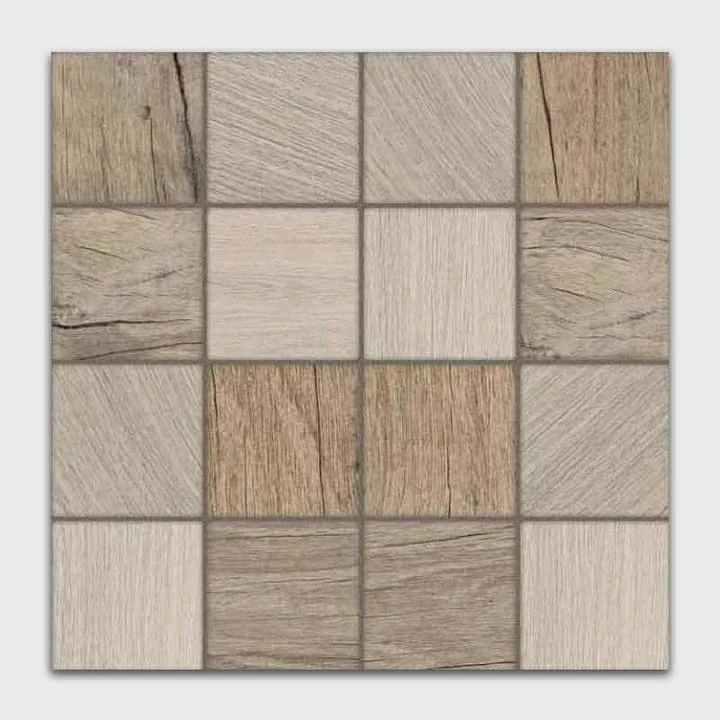
Proper timing ensures that the sealer works correctly and lasts longer.
Why waiting is necessary
If sealing is done too early:
- Moisture may be trapped
- Sealer may not penetrate properly
- Bonding may weaken
Standard timeline
Typical process:
- Tile installation → wait 24-48 hours
- Grouting → wait another 24-48 hours
- Sealing → after full curing
Surface preparation before sealing
Before applying sealer:
- Clean all dust and residue
- Ensure surface is dry
- Check for any defects
Application process
Basic steps:
- Apply sealer evenly
- Let it absorb
- Wipe off excess
- Allow drying time
Environmental factors
Conditions affect curing:
- High humidity slows drying
- Low temperature extends curing time
Common mistakes
Avoid:
- Sealing too early
- Skipping cleaning step
- Applying in wet conditions
Real-world experience
In many cases, sealing failure comes from poor timing, not poor product quality. Proper scheduling ensures better long-term performance.
Conclusion
Porcelain tiles usually do not need sealing, but polished surfaces and grout lines may benefit from it. Understanding tile type, choosing the right sealer, and applying it at the right time ensures better durability and easier maintenance.