How Long Does Grout Take to Dry?
- Sinotiles
- 2026-05-29
Many tile projects fail because people walk on fresh grout too early. This can weaken joints, create cracks, and shorten the lifespan of the installation.
Most grout becomes dry enough for light use within 24 hours, but full curing usually takes between 48 and 72 hours depending on grout type, humidity, temperature, and ventilation conditions.
Grout may look dry on the surface after several hours, but curing continues underneath for much longer. Many homeowners confuse drying with full curing. These are not the same process. Drying refers to surface moisture evaporation, while curing is the chemical hardening process that gives grout its final strength. Understanding this difference helps prevent damage and improves long-term tile performance.
What Factors Influence Grout Drying Time?
Many people expect grout to dry at the same speed in every situation. In reality, several environmental and material factors can change curing time significantly.
Grout drying time depends on grout type, room temperature, humidity, ventilation, joint width, tile material, and the amount of moisture present during installation.
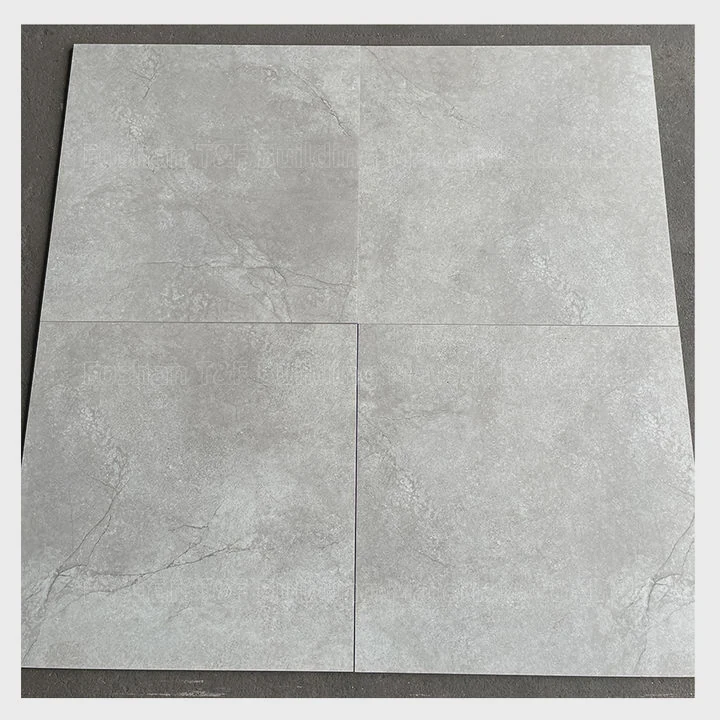
Grout drying is not controlled by one single factor. Several conditions work together during the curing process. Even small environmental changes can affect the final result.
Grout Type Matters Most
Different grout products cure at different speeds.
The most common grout types include:
- Cement-based grout
- Epoxy grout
- Premixed grout
- Fast-drying grout
Each product follows its own curing timeline.
Common Drying Time Comparison
| Grout Type | Light Use | Full Cure |
|---|---|---|
| Cement grout | 24 hours | 72 hours |
| Epoxy grout | 24 hours | 7 days |
| Fast-setting grout | 6-12 hours | 24 hours |
| Premixed grout | 24 hours | Several days |
Epoxy grout often takes longer to fully cure even though the surface hardens relatively quickly.
Temperature Affects Moisture Evaporation
Warm temperatures usually speed up drying.
However, excessive heat may create uneven curing and surface cracking. Extremely cold conditions slow the curing process significantly.
Most grout manufacturers recommend installation temperatures between:
- 50°F to 90°F
- 10°C to 32°C
Stable room temperature helps grout cure evenly.
Joint Width Changes Drying Speed
Wide grout joints contain more material and moisture.
This means:
- Longer drying times
- Slower internal curing
- Higher moisture retention
Narrow joints dry faster because less material needs to harden.
Tile Material Also Influences Drying
Some tile materials absorb moisture differently.
Porous materials may draw moisture away from the grout faster. Dense porcelain tiles absorb very little moisture, so evaporation happens mainly through air exposure.
Water Usage During Installation
Too much water during mixing or cleanup can weaken grout and extend curing time.
Excess water often causes:
- Color inconsistency
- Shrinkage
- Reduced strength
- Surface powdering
Professional installers usually follow precise mixing ratios to maintain stable performance.
Ventilation Helps Moisture Escape
Good airflow supports faster evaporation.
Poorly ventilated bathrooms often experience:
- Slower curing
- Excess moisture retention
- Higher mold risk
Fans and open windows may help improve airflow during curing.
Commercial Projects Require Controlled Conditions
Hotels, shopping centers, and apartment projects often control environmental conditions carefully during tile installation.
This helps ensure:
- Consistent grout color
- Stable curing
- Strong joint performance
Large commercial projects cannot risk uneven grout performance across wide installation areas.
Understanding all these factors helps create stronger and longer-lasting tile installations.
How Does Humidity Affect Grout Curing Duration?
Humidity is one of the biggest reasons grout dries slower than expected. Many bathrooms and kitchens naturally trap moisture during the curing process.
High humidity slows grout curing because moisture evaporates more slowly from the grout surface, while low humidity allows faster drying and hardening.
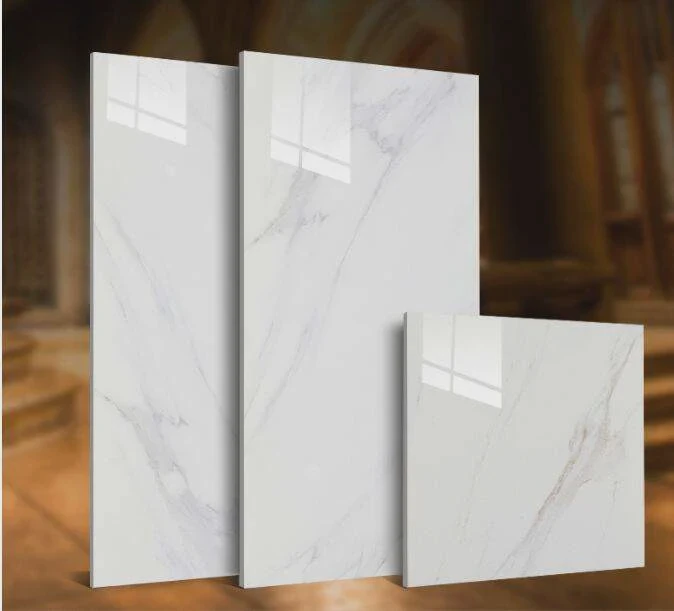
Humidity directly affects how quickly water escapes from fresh grout. Since grout curing depends partly on moisture evaporation, environmental humidity becomes very important.
High Humidity Slows Evaporation
When air already contains high moisture levels, additional moisture from grout evaporates more slowly.
This often happens in:
- Bathrooms
- Laundry rooms
- Basements
- Tropical climates
As a result, grout may remain soft longer than expected.
Low Humidity Speeds Up Drying
Dry environments allow moisture to escape more easily.
This usually shortens:
- Surface drying time
- Initial hardening time
- Light-use waiting periods
Still, very dry conditions may sometimes cause overly rapid drying, which can weaken grout strength.
Bathrooms Create Special Challenges
Bathrooms naturally hold moisture because of:
- Showers
- Steam
- Limited airflow
- Warm temperatures
Many installers recommend avoiding hot showers during the curing period.
Ventilation Improves Humidity Control
Good airflow helps reduce excess moisture in the room.
Helpful methods include:
- Exhaust fans
- Open windows
- Air circulation fans
- Dehumidifiers
Better ventilation supports more stable curing conditions.
Seasonal Weather Changes Matter
Summer installations in humid climates often require longer curing times.
Winter heating systems sometimes create drier indoor air, which may speed up surface drying.
Humidity and Grout Color Problems
Uneven drying caused by humidity may create color variation.
Some areas cure darker or lighter because moisture evaporates at different rates.
This becomes more visible with:
- Dark grout colors
- Large tiled areas
- Uneven airflow conditions
Porcelain Tile Installations Dry Differently
Dense porcelain tiles absorb very little moisture. Because of this, grout moisture escapes mostly through the exposed surface.
This makes ventilation even more important during porcelain installations.
Humidity Impact Overview
| Humidity Level | Effect on Grout |
|---|---|
| Low humidity | Faster drying |
| Moderate humidity | Balanced curing |
| High humidity | Slower curing |
| Excess moisture | Potential discoloration |
Commercial Projects Often Monitor Humidity
Large projects sometimes use moisture control equipment during installation.
This helps maintain:
- Consistent curing
- Better grout appearance
- Stable installation quality
Controlled curing conditions reduce long-term maintenance issues.
Patience Prevents Future Problems
Many grout problems appear because surfaces were exposed to moisture too early.
Allowing proper curing time in humid environments improves:
- Joint strength
- Water resistance
- Long-term durability
Humidity may slow the process, but proper curing protects the entire tile installation.
Why Waiting Ensures Grout Strength and Durability?
Many people become impatient after tile installation and begin using the space too early. This often weakens the grout before it fully hardens.
Waiting during grout curing allows moisture to evaporate properly and helps the grout develop full strength, durability, water resistance, and long-term stability.

Fresh grout remains vulnerable during the first several days after installation. Even if the surface feels dry, the internal structure may still be curing.
Surface Drying Is Not Full Curing
This is one of the most misunderstood parts of tile installation.
Grout may:
- Feel firm
- Appear dry
- Resist light touch
Yet internal curing may still continue underneath.
Early Moisture Exposure Causes Problems
Using showers too early may introduce excess moisture before curing finishes.
This may lead to:
- Weak grout joints
- Color inconsistency
- Cracking
- Reduced water resistance
Foot Traffic Can Damage Fresh Grout
Walking on uncured grout creates pressure and movement.
Even small movement may weaken:
- Tile alignment
- Joint bonding
- Grout density
Professional installers usually block access during curing periods for this reason.
Strong Grout Supports Tile Stability
Grout does more than fill gaps.
It also:
- Helps stabilize tiles
- Reduces edge movement
- Protects against moisture intrusion
Weak grout increases the risk of long-term tile damage.
Proper Curing Improves Water Resistance
Fully cured grout resists moisture much better.
Incomplete curing leaves grout more porous and vulnerable to:
- Water absorption
- Mold growth
- Staining
Epoxy Grout Needs Extra Patience
Epoxy grout often feels hard quickly, but chemical curing continues longer.
Manufacturers may recommend waiting several days before:
- Heavy cleaning
- Steam exposure
- Full commercial use
Long-Term Durability Depends on Early Care
Many tile failures start during the first days after installation.
Proper waiting time improves:
- Grout strength
- Surface appearance
- Joint flexibility
- Overall installation lifespan
Risks of Rushing the Process
| Early Use Problem | Possible Result |
|---|---|
| Walking too soon | Joint weakening |
| Water exposure | Moisture damage |
| Heavy cleaning | Surface erosion |
| Furniture movement | Tile shifting |
Commercial Installations Follow Strict Timelines
Hotels, shopping malls, and large developments often follow strict curing schedules before opening spaces to public use.
This helps avoid:
- Premature repairs
- Customer complaints
- Surface failures
Large installations depend heavily on proper curing discipline.
Waiting Saves Future Repair Costs
Repairing damaged grout later may require:
- Regrouting
- Tile replacement
- Moisture repairs
Allowing proper curing time from the beginning protects both appearance and structural performance.
Which Signs Indicate Grout Is Fully Cured?
Many people are unsure whether grout is truly ready for normal use. Surface appearance alone can sometimes be misleading.
Signs of fully cured grout include consistent color, hard surface texture, dry grout joints, no soft spots, reduced odor, and manufacturer-recommended curing time completion.
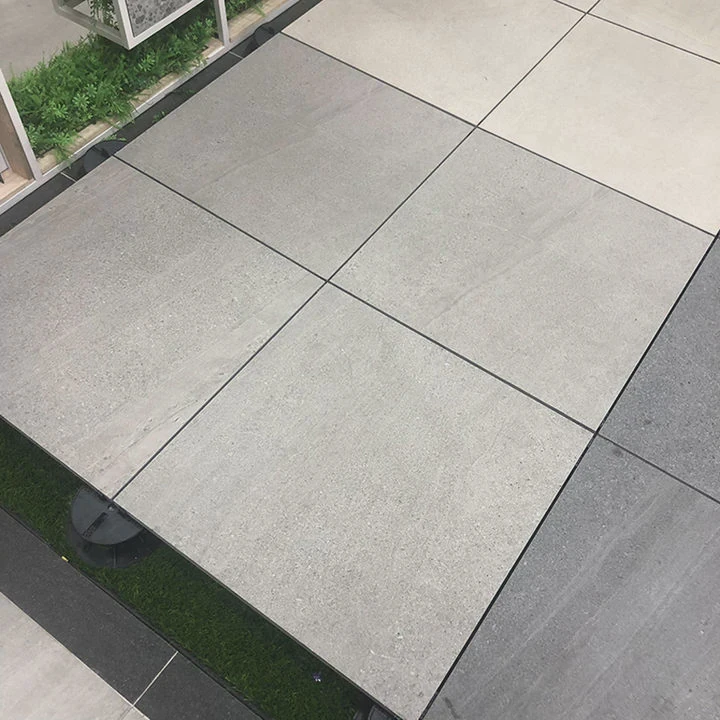
Knowing when grout has fully cured helps prevent accidental damage. Several visual and physical signs can help confirm proper curing.
Uniform Color Appearance
Fresh grout often changes color while drying.
Fully cured grout usually shows:
- Even color consistency
- No dark moisture spots
- Stable surface appearance
Patchy color may indicate uneven curing or excess moisture retention.
Hard and Solid Texture
Properly cured grout feels firm and solid.
Soft or powdery grout may suggest:
- Excess water during mixing
- Incomplete curing
- Poor installation conditions
Dry Joint Surface
Fully cured grout should no longer feel damp or cool to the touch.
Moisture trapped inside joints may still indicate ongoing curing.
Reduced Installation Odor
Some grout products release noticeable odors during curing.
As curing completes, these odors usually fade significantly.
This is more common with:
- Epoxy grout
- Chemical sealers
- Premixed products
Water Test Caution
Some installers lightly test cured grout by placing a small water drop on the surface.
If grout darkens immediately, curing or sealing may still be incomplete.
Still, this test should be done carefully and only after the recommended waiting period.
Manufacturer Guidelines Matter Most
Different grout products follow different curing schedules.
Always follow manufacturer recommendations regarding:
- Foot traffic
- Shower use
- Cleaning
- Sealing
Sealing Should Wait Until Full Cure
Many cement-based grouts require sealing after curing.
Applying sealer too early may trap moisture inside the grout.
This can create:
- Cloudiness
- Weak bonding
- Uneven appearance
Signs of Proper Curing
| Sign | What It Means |
|---|---|
| Consistent color | Moisture balanced |
| Hard texture | Proper strength development |
| Dry appearance | Surface moisture removed |
| Stable joints | Reduced movement risk |
Commercial Quality Inspections
Large projects often inspect grout before final approval.
Inspectors may check:
- Joint consistency
- Color matching
- Surface hardness
- Moisture conditions
Proper curing improves both appearance and long-term reliability.
Full Curing Protects the Entire Installation
Grout may seem like a small part of tile installation, but it plays a major role in long-term performance.
Recognizing proper curing signs helps protect:
- Tile stability
- Water resistance
- Surface durability
- Overall project quality
Conclusion
Most grout requires at least 24 hours before light use and up to 72 hours or more for full curing. Temperature, humidity, grout type, and ventilation all affect drying time. Allowing proper curing protects grout strength, improves durability, and helps tile installations perform well for many years.