How Much Do Tile Installers Make?
- Sinotiles
- 2026-04-23

Tile installation can be tough, and many wonder if the pay is worth the work.
Tile installers’ earnings vary widely depending on skill, experience, location, and certifications. Salaries can range from entry-level wages to high pay for skilled installers in specialized markets.
Understanding these factors helps plan a career and improve income potential.
What Factors Influence Tile Installer Salaries?
Tile installers may earn very different wages, even in the same city. What affects this difference?
Salaries depend on company size, project type, skill level, and local demand. Experienced installers on commercial projects often earn more than beginners on small residential jobs.
Many elements determine how much a tile installer makes. First, the type of employer matters. Large construction companies usually pay more than small residential contractors because they can offer benefits, steady work, and bigger projects. Second, the type of work impacts pay. Installing tiles in luxury homes, hotels, or high-end commercial spaces usually brings higher wages than working in standard houses. Third, project size and complexity play a role. Custom patterns, intricate mosaics, and large slabs demand skill and time, which can increase earnings.
Additionally, the local economy and construction demand affect salaries. Cities with booming construction or high cost of living generally pay higher wages. Seasonal work also matters. In areas with harsh winters, outdoor tiling slows down, and earnings may drop during certain months. Installers who can handle both indoor and outdoor projects tend to have more stable income. Finally, soft skills like reliability, communication, and reputation influence earnings. A highly recommended installer can charge more because clients trust quality and efficiency.
Common Employer Types
| Employer Type | Average Hourly Rate | Notes |
|---|---|---|
| Residential Contractors | \(15–\)25 | Small homes, flexible schedule |
| Commercial Contractors | \(20–\)35 | Larger projects, often union wages |
| Specialty Companies | \(25–\)40 | Mosaics, large slabs, luxury materials |
Skills That Affect Pay
| Skill Level | Impact on Salary | Notes |
|---|---|---|
| Basic Tile Installation | Low | Residential projects, simple layouts |
| Advanced Patterns | Medium | Decorative work, more skill required |
| Large Slab Handling | High | Requires special tools and experience |
How Does Experience Affect Installer Earnings?
Many beginners start with low pay. How fast can earnings grow?
Experience significantly increases income. A novice may earn the minimum wage, while an installer with 5–10 years can earn 50% more, especially on complex projects.

Experience matters a lot. When installers first start, they focus on learning proper cuts, grouting, and placement. These skills are basic but necessary. As experience grows, installers become faster, make fewer mistakes, and can handle larger, more difficult projects. This efficiency often leads to higher pay. Experienced installers also have better problem-solving skills. They can plan layouts, adjust for uneven surfaces, and advise clients on materials. This expertise increases their value to employers and allows them to negotiate higher rates.
Apprenticeship or on-the-job training can shorten the learning curve. Installers who work under skilled mentors gain knowledge quickly and become more profitable sooner. Those with more than ten years often specialize, moving into commercial or luxury sectors, which pay even better. Finally, reputation and client referrals matter. An installer known for reliability and quality work attracts repeat clients, often earning premium rates.
Experience vs. Average Hourly Pay
| Experience Level | Average Hourly Wage | Notes |
|---|---|---|
| Entry-level (0–2 years) | \(12–\)18 | Learning basics, small projects |
| Mid-level (3–5 years) | \(18–\)25 | Residential + some commercial work |
| Experienced (6–10 yrs) | $25–35 | Complex jobs, high efficiency |
| Expert (10+ yrs) | $35–50 | Luxury projects, specialty materials |
Which Regions Offer Higher Pay for Tile Installers?
Where you work affects income. Some cities pay much more than others.
Tile installers earn more in regions with high construction costs or labor demand. Urban areas and states with strong construction markets often offer the best wages.
Location heavily impacts income. For example, states like California, New York, and Massachusetts often pay more because construction costs and living expenses are high. Rural areas or regions with slower construction may offer lower wages. Urban areas have more commercial projects, which are higher paying than residential work. Coastal cities also see higher wages due to the cost of living.
Regional demand can shift over time. Booming cities with infrastructure projects, hotels, and high-rise buildings usually need more skilled installers. In these areas, competition for quality installers allows companies to pay more to attract talent. Some installers relocate to regions with high pay to boost earnings, even if moving is costly.
Additionally, local unions and trade associations may affect wages. Unionized regions often have standardized pay scales, benefits, and protections. This stability can make slightly lower base wages more valuable because it includes insurance, retirement, and consistent work. Finally, installers should consider local certification requirements or licensing. Regions with strict licensing often pay more due to limited qualified workers.
Top Paying Regions
| Region | Average Hourly Rate | Notes |
|---|---|---|
| California | $25–45 | High cost of living, luxury projects |
| New York | $23–40 | Urban construction demand |
| Texas | $18–35 | Growing cities, commercial projects |
| Florida | $17–32 | High residential demand |
Regions with Lower Pay
| Region | Average Hourly Rate | Notes |
|---|---|---|
| Rural Midwest | $12–20 | Low cost of living, small projects |
| Southern small towns | $13–22 | Fewer commercial projects |
Can Certifications Increase Tile Installer Income?
Certifications may seem optional. Do they really help?
Certifications can boost earnings by validating skills. Employers often pay more for certified installers because it reduces risk and improves quality.
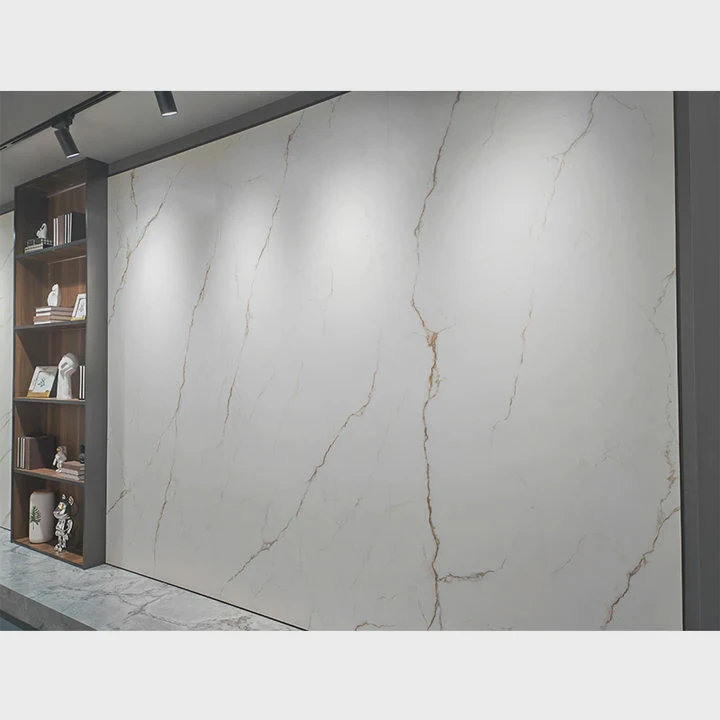
Certifications can make a big difference. They show employers and clients that installers understand proper techniques, safety standards, and advanced materials. For example, certification in large-format tiles, waterproofing, or grout installation demonstrates expertise. Many companies prefer certified installers for commercial projects to minimize mistakes.
Certifications also help installers market themselves. Clients are willing to pay more for someone with verified skills. It can open doors to high-end projects or specialty sectors like hotels, spas, or luxury homes. Some certifications require ongoing education. This keeps installers updated on the latest trends, tools, and materials, increasing their value over time.
Employers sometimes offer higher starting pay for certified applicants. Over time, certification can also allow installers to transition into supervisory roles, training new staff, or managing projects, which comes with additional income. Certifications may cost money upfront, but the potential increase in pay usually outweighs the initial investment.
Common Certifications
| Certification | Focus Area | Benefits |
|---|---|---|
| Ceramic Tile Installer | Basic installation skills | Entry-level credibility |
| Advanced Tile Installer | Large slabs, complex patterns | Higher pay, specialty projects |
| Waterproofing Expert | Bathrooms, pools | Reduces project risk, premium rates |
Certification Benefits Summary
| Benefit | Description |
|---|---|
| Higher Pay | Employers pay for verified skills |
| Career Advancement | Access to management or specialty work |
| Client Trust | Proven expertise attracts clients |
| Skill Updates | Keeps knowledge current |
Conclusion
Tile installer earnings depend on experience, region, skills, and certifications. Strategic choices in these areas can significantly boost income potential.
- Pre: How to Clean Pool Tile?
- Next: How to Lay Subway Tile?