What is Large Format Tile?
- Sinotiles
- 2026-04-23

Tired of tiny tiles breaking up your floor or wall design? Large format tiles might be the solution for a seamless, modern look.
Large format tiles are generally defined by their bigger dimensions, usually starting from 15x15 inches (400x400mm) or larger. They offer visual continuity and fewer grout lines, making spaces appear bigger and more elegant.
If you want to upgrade your home or project with a modern style, understanding large format tiles can guide your choices for design, installation, and functionality.
How is large format tile defined in construction?
Confused about what counts as a large tile? It’s more than just size—it affects installation and space perception.
In construction, large format tiles are identified by their larger-than-standard size, typically starting at 15x15 inches (400x400mm) and can go up to massive panels like 48x96 inches (1200x2400mm). The size impacts handling, cutting, and placement methods.
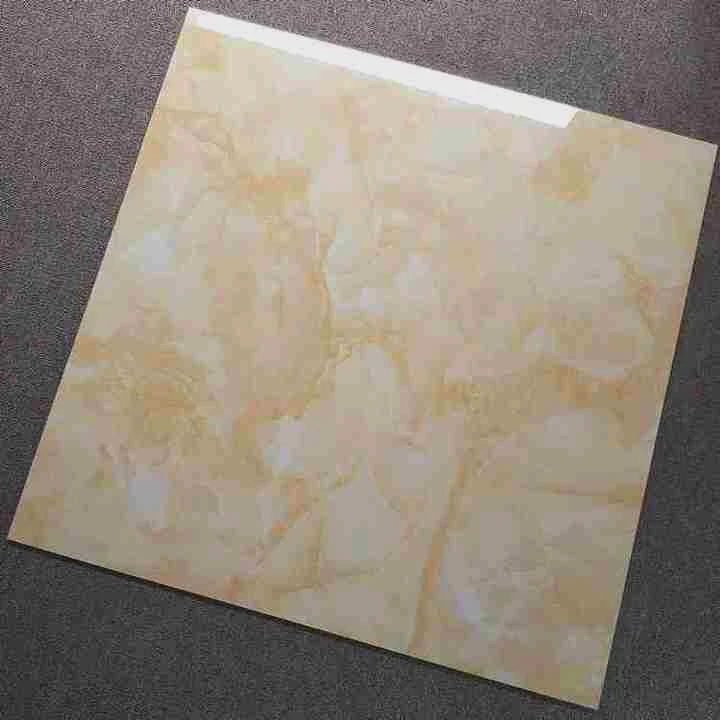
Large format tiles are defined primarily by their dimensions. Standard tiles, like 12x12 inches (300x300mm), are considered regular. When tiles exceed these dimensions, they are categorized as large format. Modern industry standards often refer to tiles that are at least 15x15 inches (400x400mm) as large format. In some cases, manufacturers even produce tiles that are several feet in length, known as slab or ultra-large tiles.
Key aspects in construction
- Handling requirements: Large tiles are heavier and more fragile. This demands careful transport, storage, and handling during installation.
- Installation techniques: Standard adhesives may not spread evenly under large tiles. Specialized adhesives and tools like large format tile leveling systems are often used to avoid uneven surfaces.
- Cutting challenges: Cutting large tiles requires wet saws with high-capacity blades. Precision is important to prevent cracks or breakage.
- Substrate preparation: Floors and walls must be exceptionally level. Even small deviations can result in lippage, where one edge of the tile is higher than another.
| Tile Size | Typical Classification | Handling Notes |
|---|---|---|
| 12x12 in (300x300mm) | Standard | Easy to handle, minimal leveling needed |
| 24x24 in (600x600mm) | Medium-Large | Heavier, leveling tools recommended |
| 48x96 in (1200x2400mm) | Ultra-Large | Requires wet saw, careful handling, skilled installer |
Using large format tiles changes construction practices. Builders must plan transport routes inside buildings and ensure the substrate is perfectly flat. Adhesive coverage must be uniform to avoid voids under the tile. Large format tiles may also reduce overall labor time since fewer tiles cover the same area, but each step must be precise. This definition is important for engineers, architects, and installers who need to adapt traditional tile methods to accommodate size, weight, and aesthetic goals.
Why are large tiles popular in modern design?
Ever wondered why so many new homes and hotels favor huge tiles? The trend is more than aesthetics.
Large tiles are popular because they create a sense of spaciousness, reduce visual clutter, and provide a sleek, continuous surface that fits well with minimalistic and contemporary design styles.
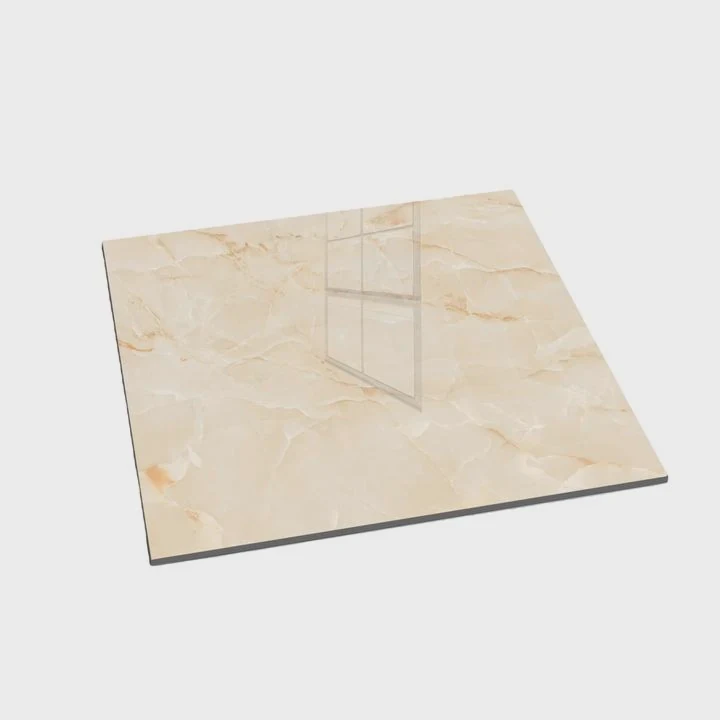
Large format tiles have become a symbol of modern design. Interior designers prefer them because they visually expand rooms and offer a clean, uninterrupted flow on floors and walls. Unlike small tiles, large tiles minimize grout lines, reducing visual breaks and creating a smooth, luxurious surface.
Benefits of large format tiles in design
- Visual continuity: A large surface with fewer grout lines makes rooms appear bigger.
- Minimalist appeal: Large tiles match contemporary aesthetics by offering simplicity and clean lines.
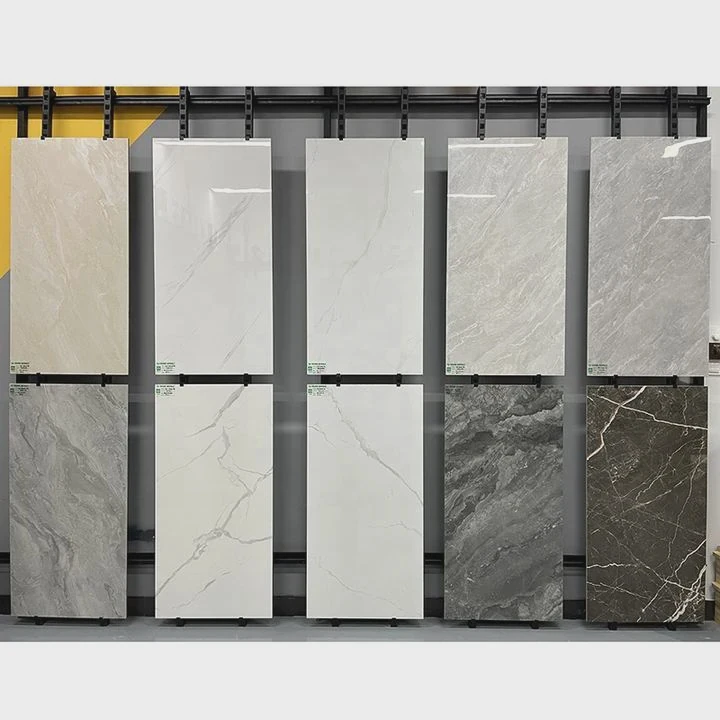
- Versatility in patterns: While minimal in joints, these tiles can mimic wood, stone, or concrete textures, giving high-end looks.
- Perceived value: Large format tiles often feel more premium, enhancing the perceived value of homes and commercial spaces.
| Feature | Small Tile | Large Tile |
|---|---|---|
| Grout lines | Many, can be messy | Few, minimal visual disruption |
| Room perception | Can feel cluttered | Feels larger and open |
| Maintenance | More cleaning | Easier, fewer joints |
| Design flexibility | Limited patterns | Wide variety of textures and effects |
Designers also appreciate how large tiles complement other architectural elements. For example, open-plan spaces benefit from uninterrupted flooring surfaces. Similarly, feature walls using large tiles create dramatic visual effects. Large format tiles are not only functional; they help define a modern lifestyle, emphasizing openness, order, and sophistication.
Where are large format tiles commonly installed?
You might see large tiles in luxury hotels and showrooms. But where are they practical for daily use?
Large tiles are commonly installed on floors, walls, and open surfaces where visual continuity is important. They suit living rooms, kitchens, bathrooms, lobbies, and commercial spaces.
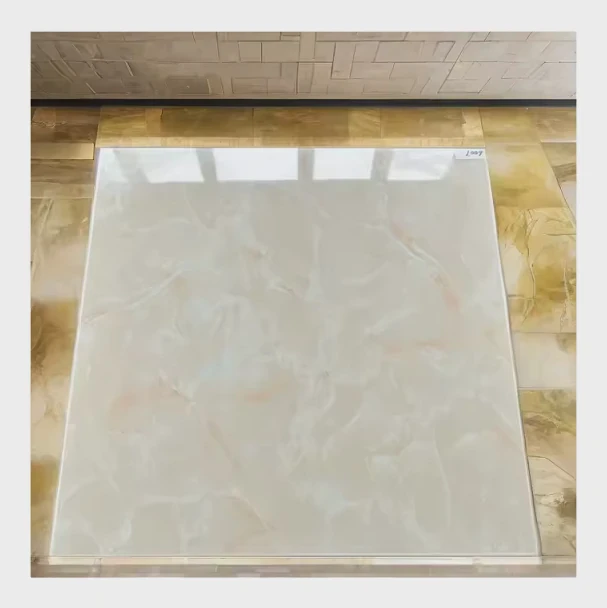
The choice of installation depends on space type, load requirements, and aesthetic goals. Large format tiles are perfect for open areas because they reduce visual clutter and create a seamless look. High-traffic areas can also benefit if the tiles are durable enough to handle heavy use.
Common installation areas
- Residential floors: Living rooms, kitchens, and bathrooms gain a modern, spacious feel.
- Commercial spaces: Hotels, offices, and lobbies use large tiles for elegance and minimal maintenance.
- Walls: Feature walls, bathroom walls, and backsplashes look premium with large tiles.
- Outdoor patios: Certain large tiles with non-slip surfaces can enhance exterior designs.
Considerations for installation
- Weight management: Ensure subfloor or wall can support larger, heavier tiles.
- Adhesive selection: High-performance thinset is needed to prevent cracking or uneven tiles.
- Movement joints: Large surfaces expand and contract; properly placed joints prevent stress cracks.
- Surface preparation: Floor leveling compounds may be required to achieve flatness.
Large format tiles are practical in almost any space that benefits from fewer interruptions. They allow architects and designers to play with scale, proportion, and texture. The aesthetic appeal combined with functional advantages like fewer grout lines makes them a top choice for both residential and commercial projects. Ultimately, proper installation planning is critical to ensure these large tiles remain stable and visually pleasing over time.
Can large tiles reduce grout lines effectively?
Grout lines are necessary, but too many can ruin the smooth look of a room. Can big tiles help?
Yes, large format tiles reduce grout lines effectively. Fewer joints make surfaces appear seamless, easier to clean, and more elegant, enhancing both aesthetics and maintenance.
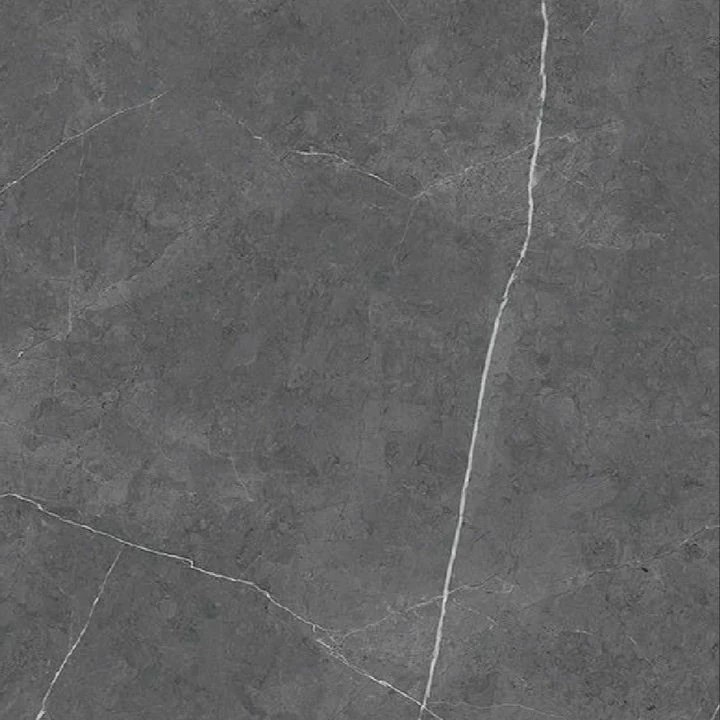
Large tiles naturally cover more area, reducing the number of grout lines. Fewer joints not only improve the look but also simplify cleaning and maintenance. Grout can accumulate dirt and discolor over time, so reducing it helps with hygiene and long-term appearance.
Advantages of fewer grout lines
- Cleaner aesthetics: Continuous surfaces are visually appealing.
- Less maintenance: Fewer lines mean less scrubbing and fewer chemicals required.
- Enhanced durability: Reduced grout lines can mean fewer weak points on floors and walls.
| Benefit | Small Tiles | Large Tiles |
|---|---|---|
| Grout maintenance | High | Low |
| Visual disruption | Many lines | Minimal |
| Cleaning time | Longer | Shorter |
| Seamless effect | No | Yes |
Reducing grout lines also affects design perception. Rooms appear larger, floors look uninterrupted, and walls maintain a consistent pattern. However, large tiles must be installed carefully. If the floor or wall is uneven, even large tiles can show lippage, making the joints noticeable. Using leveling systems, proper adhesives, and precise cutting techniques ensures that the potential benefit of fewer grout lines is fully realized. By understanding these factors, homeowners and designers can maximize the advantages of large format tiles in both function and visual appeal.
Conclusion
Large format tiles redefine space perception, streamline design, and simplify maintenance. They are ideal for modern interiors where elegance, continuity, and minimalism are key.