How Much Does Tile Installation Cost?
- Sinotiles
- 2026-07-06

Many people start a tile project with a simple budget in mind. The problem is that installation costs often end up much higher than expected because several hidden factors affect the final price.
Tile installation costs depend on material selection, labor rates, project size, surface preparation, tile patterns, and installation complexity. Understanding these factors helps homeowners, contractors, and buyers estimate costs more accurately and avoid unexpected expenses.
A tile project is more than just purchasing tiles. Labor, tools, preparation work, cutting requirements, and design choices all contribute to the final budget. Knowing where the money goes makes it easier to plan a successful project.
What Factors Influence Tile Installation Pricing?
Many people compare tile prices and assume they can easily calculate installation costs. In reality, the tile itself is often only one part of the total project expense.
Tile installation pricing is influenced by tile type, project size, location, surface condition, labor requirements, layout complexity, and additional preparation work. Each factor directly affects the overall project budget.
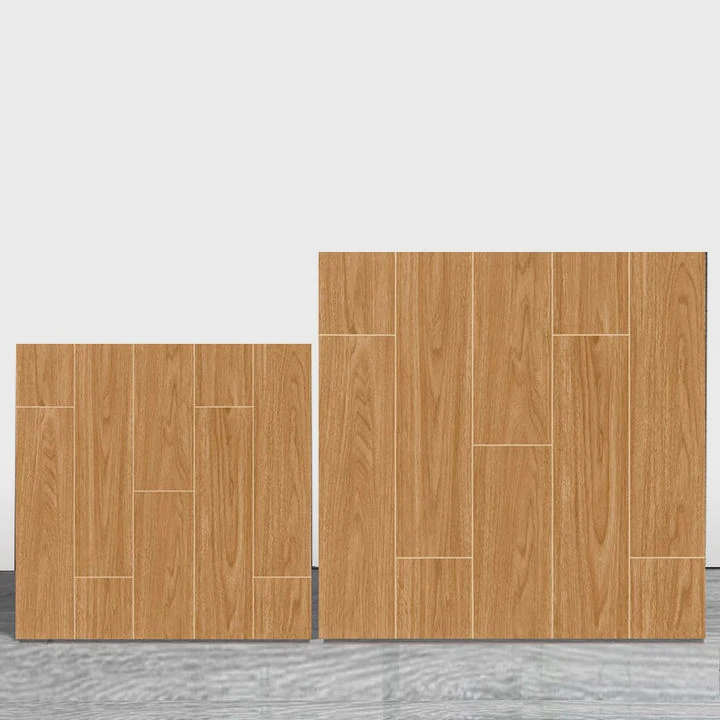
Understanding pricing factors helps prevent budget surprises and allows better planning before work begins.
Tile Type and Material
Different tile materials require different installation methods.
Common tile categories include:
- Ceramic tile
- Porcelain tile
- Concrete tile
- Natural stone tile
- Mosaic tile
- Large-format tile
Some materials are heavier, harder to cut, or require special installation products. These characteristics can increase labor and material costs.
Project Size
Larger projects generally benefit from economies of scale.
However, project size affects:
- Labor hours
- Material consumption
- Waste allowance
- Transportation costs
Small projects may have higher installation costs per square foot because setup and mobilization expenses remain similar regardless of project size.
Geographic Location
Labor costs vary significantly between regions.
Several factors influence local pricing:
- Labor market conditions
- Demand for skilled installers
- Transportation expenses
- Local regulations
Urban areas often have higher installation rates than smaller towns.
Surface Preparation Requirements
Preparation work can represent a significant portion of the total budget.
Common preparation tasks include:
- Floor leveling
- Crack repairs
- Moisture treatment
- Old flooring removal
- Substrate reinforcement
The more preparation required, the higher the installation cost.
Tile Size and Format
Tile dimensions influence installation efficiency.
Larger tiles may require:
- Specialized handling
- Additional leveling systems
- Stronger adhesives
- More experienced installers
Smaller tiles and mosaics often require more placement time and additional grout work.
Cost Impact Comparison
| Cost Factor | Impact on Budget |
|---|---|
| Tile material | High |
| Labor rates | High |
| Surface preparation | High |
| Project size | Medium |
| Location | Medium |
| Tile pattern | High |
| Accessibility | Medium |
Accessibility and Site Conditions
Job site conditions also affect pricing.
Installers may charge more when:
- Access is limited
- Elevators are unavailable
- Materials must be carried long distances
- Work areas remain occupied during installation
These factors increase labor time and project complexity.
Why Accurate Planning Matters
A project may appear straightforward during the planning stage. After removing old flooring, hidden moisture damage or uneven surfaces can quickly increase costs.
That is why experienced contractors often inspect the installation area carefully before providing a final quotation. A thorough assessment helps create more realistic budgets and reduces unexpected expenses later.
How Do Labor and Materials Affect Total Cost?
Many people focus only on tile prices when estimating a project budget. In reality, labor and materials together make up the majority of tile installation expenses.
Labor and materials are the two largest components of tile installation costs. Labor covers installation expertise and project execution, while materials include tiles, mortar, grout, underlayment, and accessories.
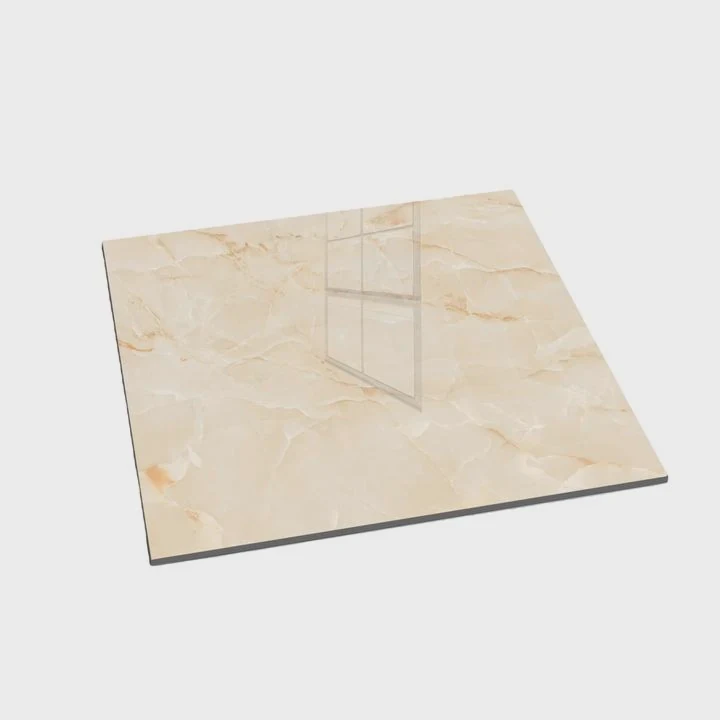
Understanding the relationship between labor and materials helps buyers evaluate quotations more effectively.
Material Costs
Tile prices vary widely depending on quality, design, and manufacturing method.
Material costs typically include:
- Tiles
- Mortar
- Grout
- Tile spacers
- Underlayment
- Sealers
- Trim pieces
Premium materials naturally increase the overall project budget.
Tile Quality and Price
Higher-quality tiles often offer:
- Better durability
- More consistent sizing
- Improved appearance
- Lower defect rates
While premium products cost more initially, they can provide long-term value through reduced maintenance and replacement needs.
Labor Costs
Labor expenses often equal or exceed tile material costs.
Labor charges cover:
- Site preparation
- Layout planning
- Tile installation
- Cutting and fitting
- Grouting
- Cleanup
Highly skilled installers may charge higher rates, but their work often reduces costly mistakes.
Typical Budget Distribution
The balance between labor and materials varies by project.
| Cost Category | Typical Share of Budget |
|---|---|
| Tile materials | 30%-50% |
| Labor | 40%-60% |
| Preparation work | 5%-20% |
| Accessories | 5%-10% |
These percentages vary depending on project complexity and material selection.
Installation Speed and Efficiency
Labor costs are closely linked to productivity.
Several factors affect installation speed:
- Tile size
- Layout complexity
- Surface condition
- Number of cuts required
- Installer experience
Projects requiring extensive cutting and customization take longer to complete.
Hidden Material Costs
Many buyers overlook smaller materials that contribute to the total budget.
These may include:
- Waterproof membranes
- Expansion joints
- Edge trims
- Backer boards
- Transition strips
Although each item may seem minor, together they can significantly affect project costs.
Balancing Quality and Budget
Choosing the lowest-priced materials may not always save money.
Low-cost products can create issues such as:
- Higher breakage rates
- Inconsistent dimensions
- More installation time
- Increased waste
A balanced approach often delivers better long-term value than focusing solely on the lowest upfront cost.
Why Labor Matters
A high-quality tile installed poorly can fail quickly. A skilled installer helps ensure proper alignment, consistent spacing, strong adhesion, and long-term durability.
For this reason, labor should be viewed as an investment rather than simply an expense. Quality workmanship often determines the overall success of a tile installation project.
Why Do Complex Patterns Increase Installation Cost?
Many homeowners and designers choose decorative layouts to create unique spaces. While these designs enhance visual appeal, they often increase installation expenses.
Complex tile patterns increase installation costs because they require more planning, additional cutting, greater material waste, and longer labor hours compared to standard layouts.

Pattern selection has a major influence on both labor requirements and material consumption.
Standard Layouts vs Decorative Layouts
Simple layouts are generally faster to install.
Examples include:
- Straight lay
- Grid pattern
- Running bond
Decorative layouts often require more time.
Examples include:
- Herringbone
- Chevron
- Basket weave
- Versailles pattern
- Geometric designs
The more complex the pattern, the greater the installation effort.
Increased Layout Planning
Complex designs require careful planning before installation begins.
Installers must:
- Establish precise reference lines
- Verify symmetry
- Maintain pattern consistency
- Plan edge transitions
Additional planning increases labor hours even before the first tile is placed.
More Cutting Requirements
Decorative layouts usually require more cuts.
Common reasons include:
- Pattern alignment
- Border integration
- Corner fitting
- Obstacle avoidance
More cuts mean additional labor and higher tool wear.
Material Waste Increases
Complex patterns often generate higher waste percentages.
| Layout Type | Typical Waste Allowance |
|---|---|
| Straight lay | 5%-10% |
| Running bond | 10%-12% |
| Diagonal layout | 10%-15% |
| Herringbone | 15%-20% |
| Chevron | 15%-20% |
Higher waste means more material must be purchased.
Greater Skill Requirements
Not every installer specializes in decorative tile patterns.
Advanced layouts require:
- Precision measurements
- Pattern expertise
- Careful alignment
- Experience with custom cuts
Specialized skills often command higher labor rates.
Installation Time Increases
A straight grid layout may progress quickly.
A herringbone or chevron installation often requires:
- More measurements
- More cuts
- More adjustments
- More inspections
The additional time directly affects labor costs.
Common Pattern Challenges
Decorative layouts create several technical challenges.
These include:
- Maintaining pattern consistency
- Managing visual alignment
- Controlling tile lippage
- Achieving clean transitions
Each challenge requires extra attention during installation.
Is the Extra Cost Worth It?
For many projects, the answer is yes.
Complex patterns can:
- Increase visual impact
- Create a premium appearance
- Differentiate commercial spaces
- Enhance property value
Although installation costs rise, many property owners consider the design benefits worthwhile.
Can DIY Tiling Reduce Overall Expenses?
Many homeowners consider installing tiles themselves to save money. DIY projects can reduce costs, but they also introduce new risks and challenges.
DIY tile installation can reduce labor expenses, but success depends on skill level, proper tools, project complexity, and the ability to avoid costly mistakes.
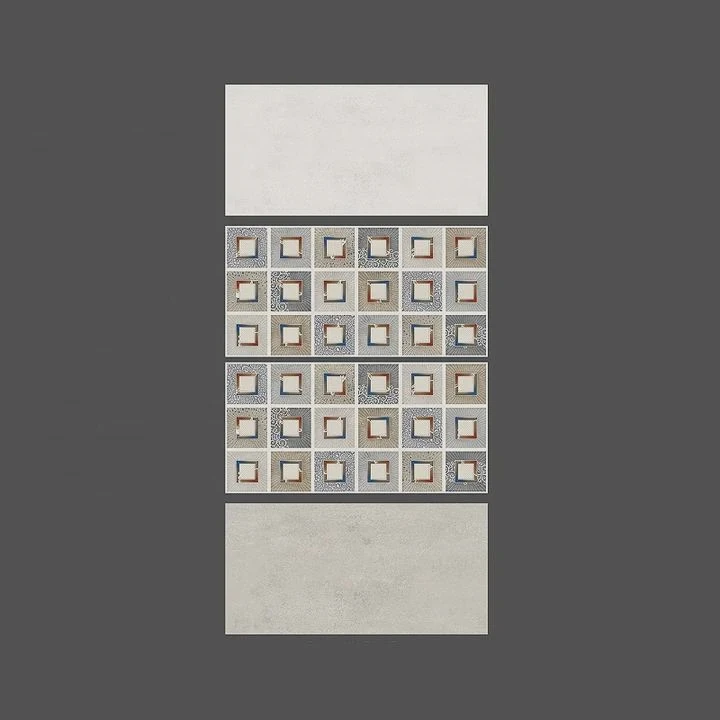
The potential savings of DIY tiling should be evaluated carefully before starting a project.
Where DIY Savings Come From
The largest potential savings come from labor costs.
Homeowners may avoid paying for:
- Installation labor
- Project management
- Cleanup services
For simple projects, these savings can be significant.
Additional DIY Expenses
DIY projects still require investments.
Common costs include:
- Tile cutters
- Trowels
- Levels
- Mixing equipment
- Safety gear
Tool purchases can reduce the overall savings.
Learning Curve
Tile installation requires practical skills.
Beginners often need time to learn:
- Surface preparation
- Mortar application
- Tile alignment
- Grouting techniques
Mistakes during the learning process can increase costs.
Common DIY Mistakes
Several errors frequently occur in first-time projects.
| DIY Mistake | Possible Result |
|---|---|
| Uneven substrate | Tile cracking |
| Incorrect mortar use | Bond failure |
| Poor spacing | Uneven appearance |
| Inadequate coverage | Hollow tiles |
| Improper cutting | Material waste |
Correcting these mistakes may require professional repairs.
Suitable DIY Projects
Some projects are more suitable for DIY installation.
Examples include:
- Small bathroom floors
- Laundry rooms
- Simple backsplashes
- Utility areas
These projects usually involve less complexity and lower risk.
Projects Better Left to Professionals
Large or technical installations often require experienced installers.
Examples include:
- Large-format tiles
- Commercial projects
- Waterproof showers
- Exterior installations
- Complex patterns
Professional expertise helps reduce the risk of failure.
Evaluating True Savings
Many homeowners focus only on labor savings.
A realistic evaluation should also consider:
- Tool costs
- Material waste
- Time investment
- Potential repair costs
In some cases, hiring a professional may provide better overall value.
Finding the Right Balance
A practical approach is to compare project complexity with personal experience.
Simple projects may offer worthwhile DIY savings. More demanding installations often benefit from professional expertise. The goal is not simply to reduce costs but to achieve a durable and attractive finished result that performs well for many years.
Conclusion
Tile installation costs depend on many factors, including materials, labor, project complexity, surface preparation, and design choices. Understanding these cost drivers helps create realistic budgets and allows better decisions when choosing between professional installation and DIY approaches.