how to clean limestone tile?
- Sinotiles
- 2026-04-10
Limestone tiles look elegant, but they stain and wear easily. Many people damage them by using the wrong cleaners or skipping proper care.
To clean limestone tile safely, use pH-neutral cleaners, remove stains with gentle methods, seal the surface regularly, and follow a consistent maintenance routine.
Limestone is softer than other tiles. It needs careful handling and the right products. Each step below helps protect its natural beauty and extend its lifespan.
What cleaners are safe for limestone tiles?
Many common cleaners can harm limestone. Acidic products can cause permanent damage, leaving dull spots and surface erosion.
Safe cleaners for limestone tiles are pH-neutral solutions, mild soap, and stone-specific cleaners that do not contain acid or harsh chemicals.
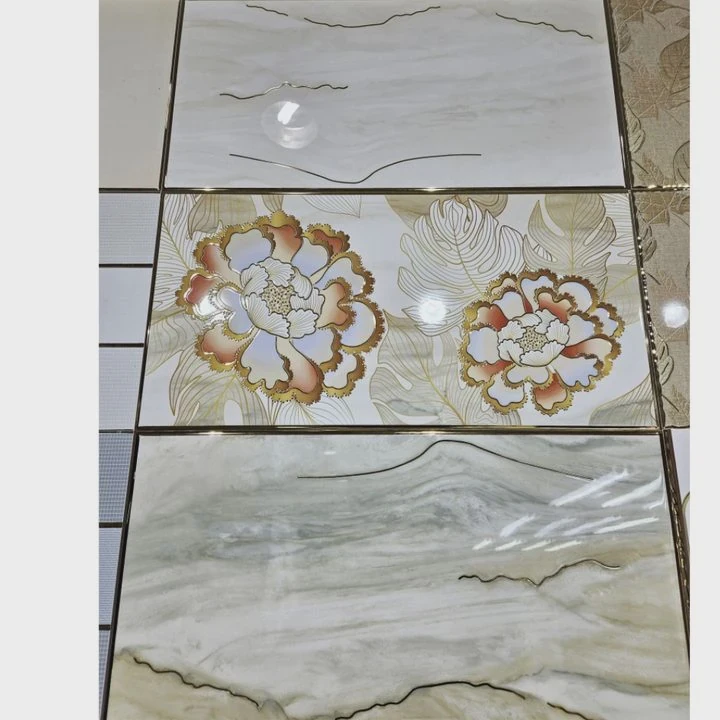
Choosing the right cleaner is the first and most important step. Limestone reacts quickly to the wrong substances.
Recommended cleaning options
Safe products are gentle but effective.
- pH-neutral stone cleaners
- Mild dish soap diluted in water
- Warm water with soft cloth cleaning
Cleaners to avoid
Some products may look harmless but can damage limestone.
- Vinegar
- Lemon-based cleaners
- Bleach or ammonia
- Abrasive powders
Why acidic cleaners are harmful
Limestone contains calcium carbonate. Acid reacts with it.
- Causes etching
- Removes surface shine
- Weakens the structure
Cleaner comparison table
| Cleaner Type | Safety Level | Effect on Limestone | Recommendation |
|---|---|---|---|
| pH-neutral cleaner | High | No damage | Best choice |
| Mild soap solution | High | Safe if diluted | Good for daily use |
| Vinegar | Low | Causes etching | Avoid completely |
| Bleach | Low | Weakens surface | Avoid |
| Abrasive cleaners | Low | Scratches surface | Avoid |
Best practice tips
- Always test a small area first
- Use soft cloths or mops
- Avoid excessive water
Using the right cleaner keeps the surface intact. This step prevents long-term damage and preserves the tile’s natural look.
How do you remove stains from limestone surfaces?
Stains on limestone can be stubborn. Many people try strong chemicals, which often make the problem worse.
To remove stains from limestone, use gentle methods like poultices, baking soda paste, or specialized stone stain removers, depending on the stain type.
Different stains require different approaches. Understanding the stain type helps choose the right method.
Common stain types
- Oil stains (kitchen areas)
- Water spots
- Organic stains (coffee, wine)
- Rust stains
Basic stain removal methods
Each method should be applied carefully.
- Baking soda paste for light stains
- Poultice for deep stains
- Stone-safe cleaners for general marks
How to use a poultice
A poultice draws stains out of the stone.
- Mix cleaning agent with absorbent material
- Apply paste over stain
- Cover and leave for 24-48 hours
- Remove and rinse
Stain removal table
| Stain Type | Recommended Method | Difficulty Level | Notes |
|---|---|---|---|
| Oil | Baking soda poultice | Medium | May need repeat application |
| Organic | Mild cleaner | Easy | Works for fresh stains |
| Rust | Stone-safe remover | Hard | Avoid acidic products |
| Water spots | Gentle polishing | Easy | Prevent with sealing |
Common mistakes
- Scrubbing too hard
- Using acidic cleaners
- Ignoring stain type
Prevention tips
- Clean spills immediately
- Use coasters and mats
- Avoid prolonged moisture exposure
Removing stains requires patience. Gentle methods protect the tile while restoring its appearance.
Can sealing protect limestone from damage?
Many people skip sealing, thinking it is optional. This often leads to stains and faster wear.
Sealing limestone tiles creates a protective barrier that reduces moisture absorption, prevents stains, and extends the lifespan of the surface.
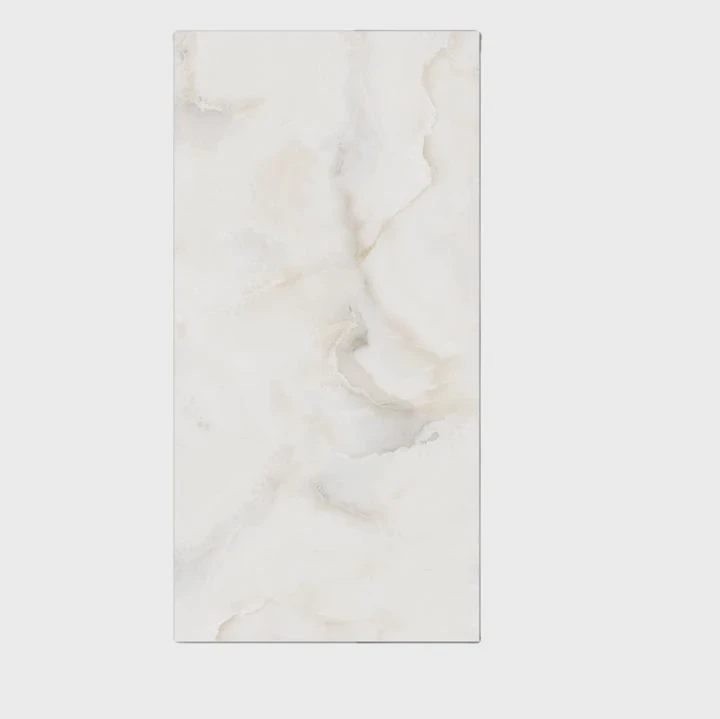
Sealing is one of the most effective ways to protect limestone.
How sealing works
Sealants penetrate the stone surface.
- Block liquid absorption
- Reduce staining
- Maintain natural color
Types of sealers
- Penetrating sealers
- Surface sealers
- Enhancing sealers (for richer color)
Benefits of sealing
- Easier cleaning
- Longer lifespan
- Better resistance to spills
Sealer comparison table
| Sealer Type | Protection Level | Appearance Effect | Best Use Case |
|---|---|---|---|
| Penetrating | High | Natural look | Indoor floors |
| Surface | Medium | Slight shine | Low-traffic areas |
| Enhancing | High | Darker tone | Decorative surfaces |
When to seal
- After installation
- After deep cleaning
- When water no longer beads on surface
Application tips
- Apply evenly
- Allow proper drying time
- Reapply as needed
Sealing is not optional for limestone. It is a necessary step for long-term protection.
How often should limestone tiles be maintained?
Limestone requires regular care. Without it, the surface quickly loses its appearance and strength.
Limestone tiles should be cleaned weekly, inspected monthly, and resealed every 6 to 12 months depending on usage and environment.
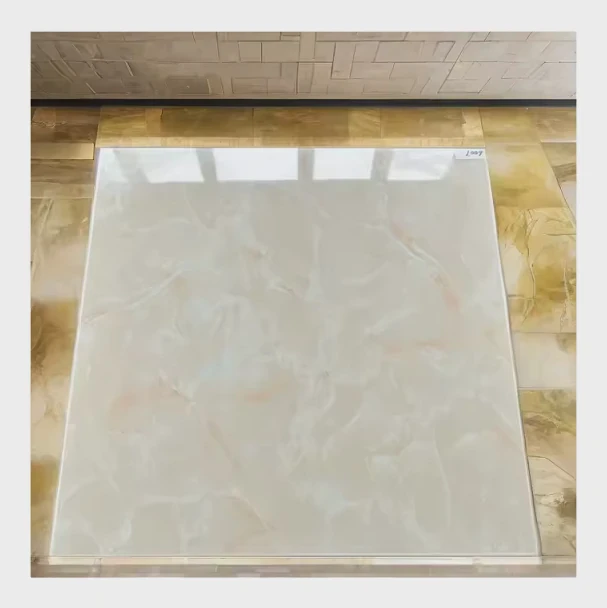
Consistency is more important than effort. Small, regular actions prevent major problems.
Daily and weekly care
Simple routines keep tiles in good condition.
- Sweep or dust regularly
- Mop with pH-neutral cleaner
- Wipe spills immediately
Monthly maintenance
Check for early signs of damage.
- Inspect for stains
- Look for dull spots
- Check grout condition
Long-term maintenance
- Reseal every 6-12 months
- Deep clean periodically
- Repair minor damage early
Maintenance schedule table
| Frequency | Task | Purpose |
|---|---|---|
| Daily | Remove dust and debris | Prevent scratches |
| Weekly | Mop with safe cleaner | Maintain cleanliness |
| Monthly | Inspect surface | Detect early issues |
| 6-12 months | Reseal tiles | Protect from moisture |
Factors affecting maintenance
- Foot traffic level
- Exposure to water
- Indoor vs outdoor use
Best practice tips
- Use rugs in high-traffic areas
- Avoid dragging furniture
- Maintain consistent care routine
Regular maintenance keeps limestone looking new. It also reduces the need for costly repairs.
Conclusion
Cleaning limestone tiles requires gentle products, proper stain removal, regular sealing, and consistent maintenance. With the right care routine, limestone surfaces remain durable, elegant, and long-lasting.