How to Clean Tile Bathroom Floor?
- Sinotiles
- 2026-06-28

Bathroom tile floors face daily exposure to water, soap residue, dirt, and humidity. Without proper cleaning, even high-quality tiles can begin to look dull, stained, or unhygienic.
The best way to clean a tile bathroom floor is to sweep or vacuum loose debris, mop with a suitable tile cleaner, clean grout lines regularly, and dry the surface to prevent moisture buildup. Consistent maintenance keeps tiles looking clean and extends their lifespan.
Many homeowners focus on cleaning sinks, mirrors, and shower walls while overlooking the floor. Yet bathroom floors collect moisture, dust, body oils, and cleaning product residue every day. A simple cleaning routine can keep tiles looking fresh and reduce long-term maintenance costs.
What Cleaners Work Best for Bathroom Tile Floors?
Choosing the right cleaner is one of the most important steps in maintaining a bathroom tile floor. Different tile materials respond differently to cleaning products, and using the wrong cleaner can damage the surface over time.
The best cleaners for bathroom tile floors are pH-neutral tile cleaners, mild detergent solutions, and manufacturer-approved products. The ideal cleaner depends on whether the floor is made from porcelain, ceramic, natural stone, or another tile material.
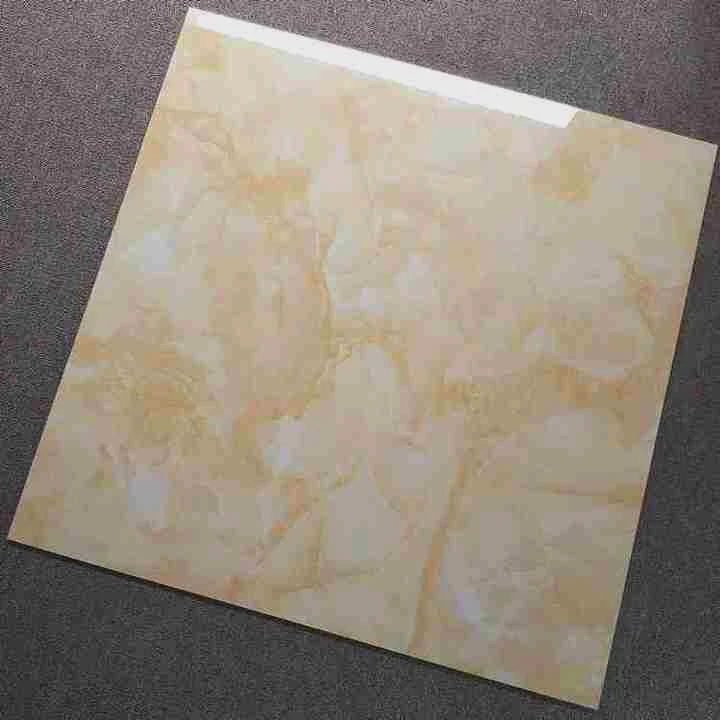
Many people assume stronger chemicals provide better results. In reality, overly aggressive cleaners can leave residue, damage grout, or dull certain tile finishes.
Understanding Common Bathroom Floor Contaminants
Bathroom floors accumulate several types of dirt.
These include:
- Soap residue
- Dust
- Hair
- Body oils
- Hard water deposits
- Cleaning product residue
Different contaminants may require slightly different cleaning approaches.
Recommended Cleaners by Tile Type
| Tile Type | Recommended Cleaner |
|---|---|
| Porcelain Tile | pH-neutral tile cleaner |
| Ceramic Tile | Mild detergent solution |
| Glazed Tile | Neutral floor cleaner |
| Natural Stone Tile | Stone-safe cleaner |
| Mosaic Tile | Manufacturer-approved cleaner |
Why pH-Neutral Cleaners Are Popular
pH-neutral products offer several advantages:
- Safe for frequent use
- Gentle on grout
- No harsh chemical odors
- Suitable for most tile surfaces
- Less risk of surface damage
These cleaners remove everyday dirt without affecting protective finishes.
Homemade Cleaning Solutions
For routine cleaning, some homeowners use simple mixtures such as:
- Warm water and mild dish soap
- Neutral soap solutions
- Diluted tile-safe cleaners
Before using any homemade mixture, verify that it is compatible with the tile material.
Cleaners to Avoid
Certain products can create long-term problems.
Excessive Bleach
Frequent bleach use may weaken grout and discolor surfaces.
Ammonia-Based Products
These can leave streaks and may damage some finishes.
Acidic Cleaners
Acid-based products can harm natural stone and certain grout materials.
Abrasive Powders
These may scratch polished tile surfaces.
Matching the Cleaner to the Floor
A porcelain bathroom floor often tolerates a wider range of cleaning products than a marble floor.
The safest approach is always to identify the tile material first and choose a cleaner specifically recommended for that surface.
Proper cleaner selection not only improves appearance but also helps protect the floor’s long-term durability.
How Can Grout Lines Be Cleaned Thoroughly?
Grout lines often become dirty faster than the tiles themselves. Their porous structure allows them to trap dirt, moisture, soap residue, and bacteria more easily.
Grout lines can be cleaned thoroughly by using a grout-safe cleaner, a soft-bristle brush, and consistent maintenance. Regular cleaning prevents deep staining and reduces the need for aggressive restoration methods.
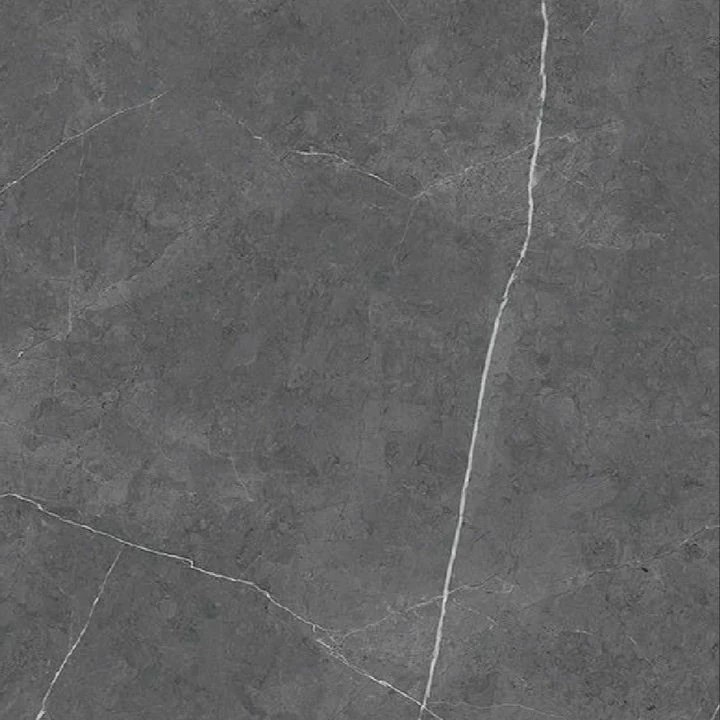
When a bathroom floor looks dirty even after mopping, grout is often the reason. Bright tiles can still appear dull when the grout between them becomes discolored.
Why Grout Gets Dirty
Grout contains microscopic pores that absorb contaminants.
Common sources include:
- Soap residue
- Dirt tracked into the bathroom
- Standing water
- Mold and mildew
- Hard water minerals
Over time, these materials accumulate and darken the grout.
A Simple Grout Cleaning Process
Step 1: Remove Loose Dirt
Sweep or vacuum the floor before cleaning.
This prevents dirt from spreading during scrubbing.
Step 2: Apply Grout Cleaner
Use a grout-safe cleaner according to product instructions.
Step 3: Allow Dwell Time
Let the cleaner sit briefly so it can loosen debris.
Step 4: Scrub Gently
A soft-bristle grout brush works well.
Avoid metal brushes that can damage grout.
Step 5: Rinse Thoroughly
Remove all cleaner residue with clean water.
Comparing Grout Cleaning Methods
| Method | Effectiveness | Safety for Grout |
|---|---|---|
| Warm Water | Light Cleaning | Excellent |
| Grout Cleaner | Moderate to Heavy Cleaning | Excellent |
| Soft Brush | Excellent | Excellent |
| Wire Brush | High Risk | Poor |
| Harsh Acid Cleaner | High Risk | Poor |
Dealing With Stubborn Stains
Some grout stains require multiple cleaning sessions.
Examples include:
- Mold staining
- Rust marks
- Long-term dirt accumulation
- Soap scum buildup
Patience is often more effective than aggressive scrubbing.
The Importance of Grout Sealing
Sealed grout resists moisture and stains more effectively.
Benefits include:
- Easier cleaning
- Reduced moisture absorption
- Better stain resistance
- Longer grout lifespan
Many installers recommend periodic resealing to maintain performance.
Signs Grout Needs Attention
Watch for:
- Dark discoloration
- Cracking
- Mold spots
- Persistent odors
- Surface erosion
Addressing these issues early can prevent costly repairs later.
Why Regular Cleaning Prevents Buildup and Stains?
Many bathroom floor problems develop slowly. Dirt, soap residue, minerals, and moisture accumulate over weeks or months until stains become visible.
Regular cleaning prevents buildup and stains by removing contaminants before they penetrate grout, settle into textured surfaces, or create permanent discoloration. Consistent maintenance also reduces mold and mildew risks.

A bathroom floor that receives weekly cleaning is usually much easier to maintain than one that receives deep cleaning only a few times each year.
The Science Behind Buildup
Contaminants rarely appear all at once.
Instead, layers accumulate gradually.
For example:
- Water dries on the floor.
- Minerals remain behind.
- Soap residue sticks to minerals.
- Dirt adheres to the residue.
- Stains become visible.
Regular cleaning interrupts this cycle.
Common Sources of Staining
Hard Water Deposits
Minerals can leave white or cloudy marks.
Soap Residue
Soap combines with dirt and creates surface film.
Mold and Mildew
Moist environments encourage biological growth.
Cosmetic Products
Hair products and lotions may stain grout.
Benefits of Routine Cleaning
Consistent maintenance offers several advantages.
Better Appearance
Tiles retain their original color and finish.
Improved Hygiene
Bacteria and mold have fewer opportunities to grow.
Easier Maintenance
Light cleaning requires less effort than restoration.
Longer Service Life
Tiles and grout remain in better condition.
Comparing Maintenance Approaches
| Cleaning Frequency | Typical Result |
|---|---|
| Daily Moisture Removal | Excellent Condition |
| Weekly Cleaning | Good Condition |
| Monthly Cleaning | Moderate Buildup |
| Occasional Deep Cleaning | Heavy Buildup |
| Neglected Maintenance | Stains and Damage |
Moisture Is the Biggest Factor
Most bathroom floor issues begin with moisture.
Standing water contributes to:
- Mold growth
- Grout discoloration
- Mineral deposits
- Odors
Removing moisture regularly greatly reduces these risks.
Creating a Sustainable Cleaning Schedule
A practical routine may include:
- Sweeping twice per week
- Mopping weekly
- Cleaning grout monthly
- Inspecting caulk periodically
Small, consistent efforts usually outperform occasional intensive cleaning sessions.
Long-Term Savings
Preventive maintenance often costs very little.
Replacing damaged grout, restoring stained floors, or repairing moisture damage can be significantly more expensive than routine cleaning.
Which Tools Make Bathroom Cleaning Easier?
The right tools can reduce cleaning time, improve results, and help protect tile surfaces from unnecessary damage.
The most useful bathroom floor cleaning tools include microfiber mops, soft-bristle brushes, grout brushes, vacuum cleaners, spray bottles, and microfiber cloths. These tools clean effectively while minimizing the risk of scratching tile surfaces.

Many cleaning problems occur not because of the cleaner itself but because the wrong tools are used.
Essential Bathroom Floor Cleaning Tools
Microfiber Mop
Microfiber mops are highly effective because they trap dirt rather than simply pushing it around.
Benefits include:
- Excellent absorption
- Reusable pads
- Reduced chemical use
- Fast drying
Soft-Bristle Brush
Useful for textured tiles and grout cleaning.
The brush loosens dirt without damaging surfaces.
Vacuum Cleaner
A vacuum removes dust and debris before mopping.
This prevents scratches caused by grit particles.
Microfiber Cloth
Ideal for spot cleaning and drying surfaces.
Specialized Grout Cleaning Tools
For deeper grout cleaning, consider:
- Grout brushes
- Detail brushes
- Narrow cleaning tools for corners
These tools reach areas that standard mops often miss.
Tools to Avoid
Some tools can damage tile finishes.
Avoid:
- Steel wool
- Wire brushes
- Abrasive scrubbing pads
- Sharp scraping tools
Building an Efficient Cleaning Kit
A basic bathroom tile cleaning kit may include:
| Tool | Primary Purpose |
|---|---|
| Vacuum Cleaner | Remove loose debris |
| Microfiber Mop | Routine floor cleaning |
| Microfiber Cloth | Drying and polishing |
| Soft Brush | Scrubbing grout |
| Spray Bottle | Applying cleaners |
| Bucket | Mixing cleaning solutions |
Improving Cleaning Efficiency
Simple habits can save time.
Clean From Top to Bottom
Dust and debris naturally fall downward.
Change Water Frequently
Dirty water spreads residue.
Use Separate Cloths
Different cloths for floors and fixtures improve hygiene.
Dry the Floor
Drying reduces streaks and water spots.
Professional Cleaning Practices
Many professional cleaners follow a structured process:
- Remove debris.
- Apply cleaner.
- Allow dwell time.
- Scrub problem areas.
- Rinse thoroughly.
- Dry completely.
This approach produces more consistent results and reduces residue.
Choosing Quality Tools
High-quality tools often last longer and improve cleaning performance.
A good microfiber mop and brush set can simplify maintenance for years while helping preserve the appearance of both tile and grout.
Conclusion
Cleaning a tile bathroom floor is easier when the right cleaners, techniques, and tools are used. Regular maintenance removes dirt before stains develop, while proper grout care keeps the entire floor looking fresh. By combining suitable cleaning products with a consistent routine, bathroom tile floors can remain attractive, hygienic, and durable for many years.