How to Cut a Circle in Tile?
- Sinotiles
- 2026-04-27

Cutting a clean circle in tile feels risky. One wrong move can waste time, crack the tile, and ruin the finish.
The best way to cut a circle in tile is to match the tool with the hole size, mark the line clearly, cut slowly, and keep the tile supported. Diamond tools and steady pressure give the cleanest result.
Many people think circle cuts are only for pros. That is not true. With the right method, even complex cuts for pipes, drains, and fittings can look neat and sharp.
What Tools Are Best for Cutting Circular Holes in Tile?
Small mistakes often begin with the wrong tool. Many broken tiles come from using force instead of using the correct cutter.
The best tools for circular holes in tile are diamond hole saws for full holes, angle grinders for open curves, tile nippers for shaping edges, and rotary tools for small detail work.
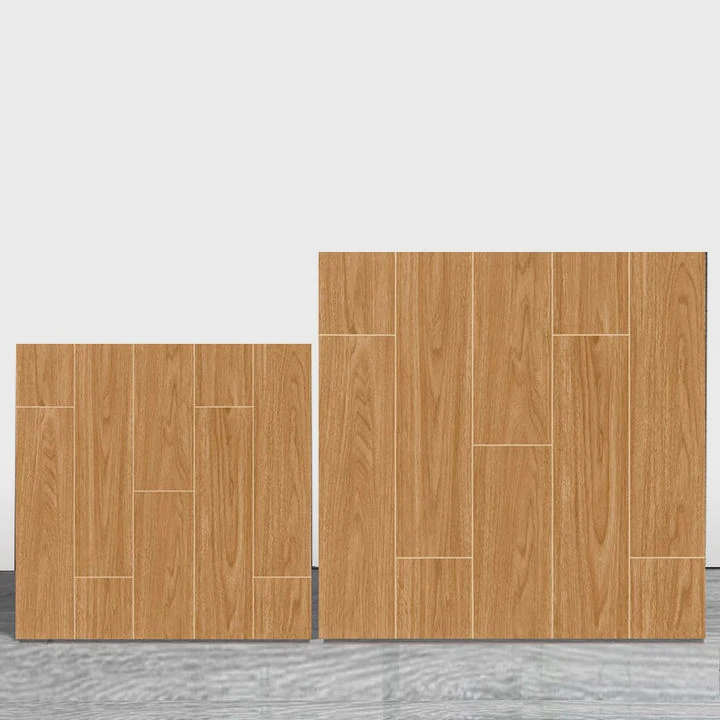
Choosing the tool depends on three things: tile type, hole size, and whether the hole sits in the center or on the edge.
Common Tools and Best Uses
| Tool | Best Use | Strength | Limit |
|---|---|---|---|
| Diamond Hole Saw | Full round holes | Clean and fast | Needs drill control |
| Angle Grinder | Large circles, edge cuts | Flexible shape cutting | Creates dust |
| Tile Nippers | Fine shaping | Cheap and simple | Slow on hard tile |
| Rotary Tool | Small detail cuts | Good control | Slow for big cuts |
Diamond Hole Saws
For shower pipes, faucet valves, and drain openings, diamond hole saws are often the first choice. They grind through tile instead of tearing it. That matters a lot with porcelain, which is dense and hard. I often suggest starting with a quality bit instead of buying several cheap ones. One clean cut saves more money than replacing damaged tiles.
Angle Grinder With Diamond Blade
When the circle touches the tile edge, a hole saw may not work well. An angle grinder lets you create curved notches or half circles. It also works for oversized shapes where pipes need extra movement room.
Tile Nippers
Nippers remove small chips at a time. They are useful after rough cutting. If a pipe cover plate hides the edge, nippers can finish the fit quickly.
My Practical Rule
- Use a hole saw for centered round holes
- Use a grinder for partial circles
- Use nippers for trimming
- Use a rotary tool for tight details
Many installers lose time by forcing one tool to do every job. A better habit is to combine tools. A clean rough cut plus careful finishing often gives the best result.
How Do You Mark Circles Accurately on Tiles?
A perfect cut usually starts with a perfect mark. If the line is off by a few millimeters, the final fit can look crooked.
To mark circles accurately on tile, measure twice, locate the center point, use a template or compass, and draw clear visible lines with a wax pencil or marker.
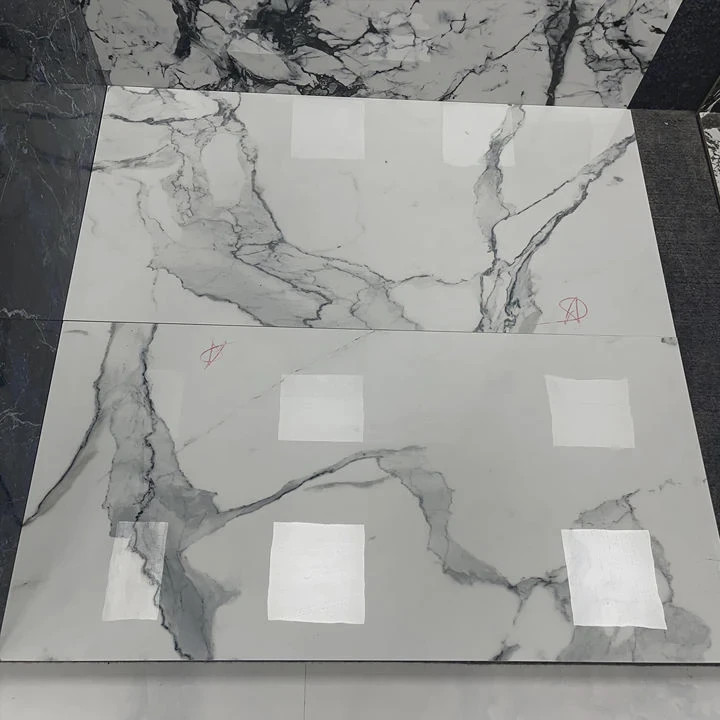
Good marking prevents waste. It also reduces stress during cutting because you know exactly where the blade should travel.
Step-by-Step Marking Method
First, measure the pipe or fitting diameter. Then add clearance if needed. For hidden holes behind trim plates, small extra space is often safe. For visible holes, tighter sizing looks better.
Second, transfer the location to the tile. Use edges of the tile as reference lines. Mark horizontal and vertical center lines.
Third, draw the circle.
Best Marking Options
| Method | Best For | Accuracy Level |
|---|---|---|
| Compass | Standard circles | High |
| Pipe Template | Matching real pipe size | High |
| Cardboard Pattern | Repeated jobs | Medium |
| Freehand | Quick rough cuts | Low |
Useful Tips
Use Painter’s Tape
Glossy tile can be slippery. A strip of painter’s tape gives better grip for pencil marks and drill starts.
Mark Front and Back
Sometimes I mark both sides. If the glaze chips slightly on the exit side, having a back mark helps guide the cut from both directions.
Check Orientation
Patterned tiles need extra care. Veins, stone looks, and wood looks must align after installation. Always place the tile in its final direction before marking.
Dry Fit Before Cutting
Set the tile in place without adhesive. Confirm the center lines match the pipe location. This small pause can save an expensive tile.
Many circle-cut errors are not cutting errors at all. They are layout errors. A clean cut in the wrong place is still a failed cut.
Which Techniques Prevent Cracking During Cutting?
Nothing is more frustrating than reaching the final seconds of a cut and hearing the tile snap. Cracking often happens from pressure, vibration, or heat.
To prevent cracking during circle cuts, support the tile fully, cut slowly, keep diamond tools cool, reduce pressure, and remove material in stages instead of forcing one deep cut.
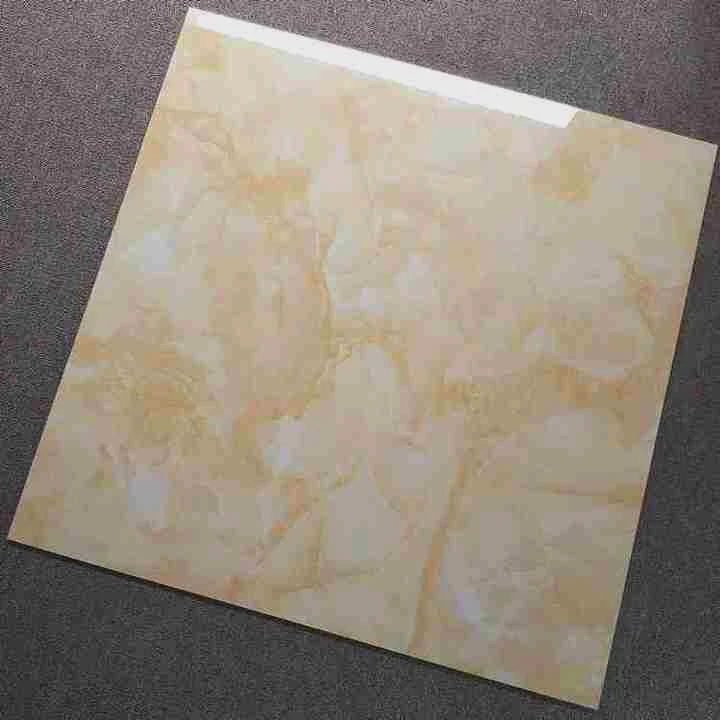
Tile materials react differently. Ceramic is softer and more forgiving. Porcelain is harder and stronger, but it can chip if rushed. Natural stone can contain weak veins. Each material rewards patience.
Core Prevention Methods
Support the Tile
Place the tile on plywood, foam board, or a flat rubber mat. If the center hangs in the air, vibration increases. Unsupported tile often breaks near the end of the cut.
Use Water When Possible
Water cools the diamond edge and reduces dust. Heat can weaken the bond of the blade and stress the tile surface. Many hole saws perform better with steady cooling.
Start Shallow
Do not push to full depth at once. Score the surface first. A shallow groove guides the bit and lowers wandering.
Reduce Exit Blowout
When drilling a full hole, many pros cut halfway from the front and finish from the back. That lowers breakout on the visible face.
Pressure Control
A common mistake is leaning body weight onto the drill. Let the diamonds grind. Too much force creates heat and shock.
Signs You Need to Slow Down
- Burning smell
- Screeching noise
- Excess vibration
- Edge chipping
- Dust turning dark from heat
Material Guide
| Tile Type | Risk Level | Best Approach |
|---|---|---|
| Ceramic | Low | Moderate speed |
| Porcelain | Medium | Slow speed, quality diamond bit |
| Marble | Medium | Gentle feed, water cooling |
| Granite | High | Slow and steady, premium tools |
Real Job Habit That Helps
I keep a spare tile beside me and test the first cut there. Every batch feels slightly different. That quick test tells me how aggressive or gentle the tool should be.
Most cracked tiles do not fail because tile is weak. They fail because the process is rushed.
Can Hole Saws Improve Cutting Precision?
Many people try to freehand circles first. They often end with uneven edges, oversized openings, or chipped glaze.
Yes, hole saws can greatly improve cutting precision because they keep a fixed diameter, cut evenly around the circle, and create cleaner edges than freehand methods.

A quality diamond hole saw acts like a guide system. Once the cut starts correctly, the bit keeps the shape consistent. That makes it ideal for plumbing penetrations, shower mixers, and electrical openings.
Why Hole Saws Work Well
Fixed Size
You choose the exact diameter before cutting. This gives predictable results across many tiles.
Cleaner Finish
Diamond grit grinds instead of strikes. That lowers surface damage when compared with rough chipping methods.
Repeatability
On commercial jobs or apartment projects, repeated pipe sizes are common. One bit can produce matching holes again and again.
How to Use Them Better
- Mark the center point
- Tape the surface if slippery
- Start at a slight angle to begin the groove
- Bring the drill upright after the groove forms
- Keep steady light pressure
- Add water if the bit allows wet cutting
Common Hole Saw Mistakes
| Mistake | Result | Fix |
|---|---|---|
| Starting flat on glossy tile | Skipping across surface | Start at angle |
| High drill speed | Heat and chipping | Use moderate speed |
| Heavy pressure | Cracks and stalls | Let bit grind |
| Cheap worn bit | Slow rough cut | Replace bit |
When Not to Use One
Hole saws are not perfect for every task. If the circle sits on the tile edge, use a grinder. If the hole is oversized or irregular, combine tools.
My Honest View
If someone cuts tile only once a year, a basic bit may be enough. If someone installs tile often, a premium diamond hole saw quickly pays for itself through cleaner cuts and fewer broken pieces.
Precision usually comes from control, not force. Hole saws simply make control easier.
Conclusion
Circle cuts in tile become simple when the process is simple: mark clearly, choose the right tool, cut slowly, and support the tile well. Good tools help, but patience creates the clean finish people notice most.
- Pre: How to Polish Marble Tile?
- Next: How to Fix Tile Grout?