How to Polish Marble Tile?
- Sinotiles
- 2026-04-27
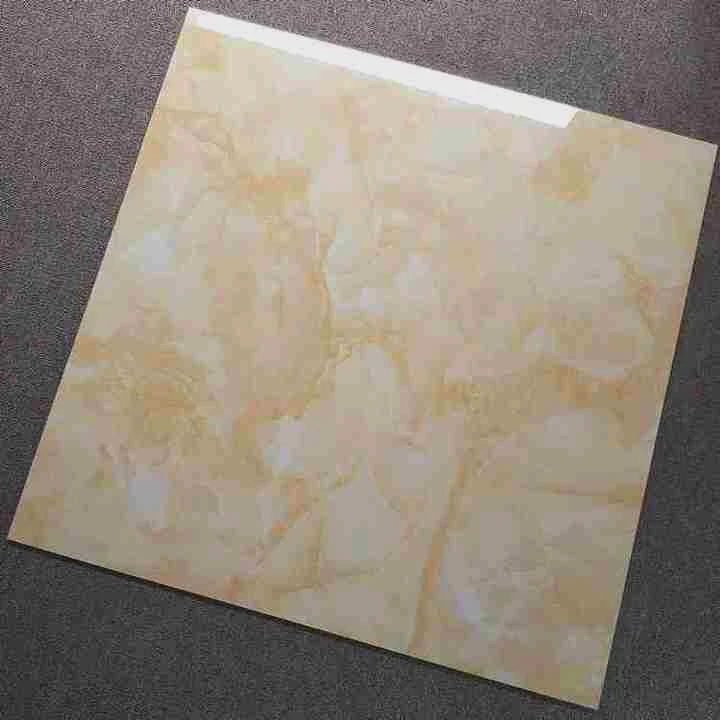
Dull marble can make a clean room look old and tired. Many owners scrub harder, but rough cleaning often makes the surface worse.
The best way to polish marble tile is to clean it first, use marble-safe polishing products, apply gentle tools, and protect the finish with a quality sealer. Soft methods restore shine while avoiding scratches and etching.
Marble rewards careful work. A bright finish does not come from force. It comes from the right product, the right tool, and steady care over time.
What Products Are Best for Polishing Marble Tiles?
Old marble often loses shine because soap film, hard water marks, and tiny scratches cover the surface. Many common cleaners add more damage.
The best products for polishing marble tiles are pH-neutral marble cleaners, marble polishing powders, marble polishing creams, microfiber cloths, and stone-safe sealers. Acid cleaners and harsh abrasives should never touch marble.
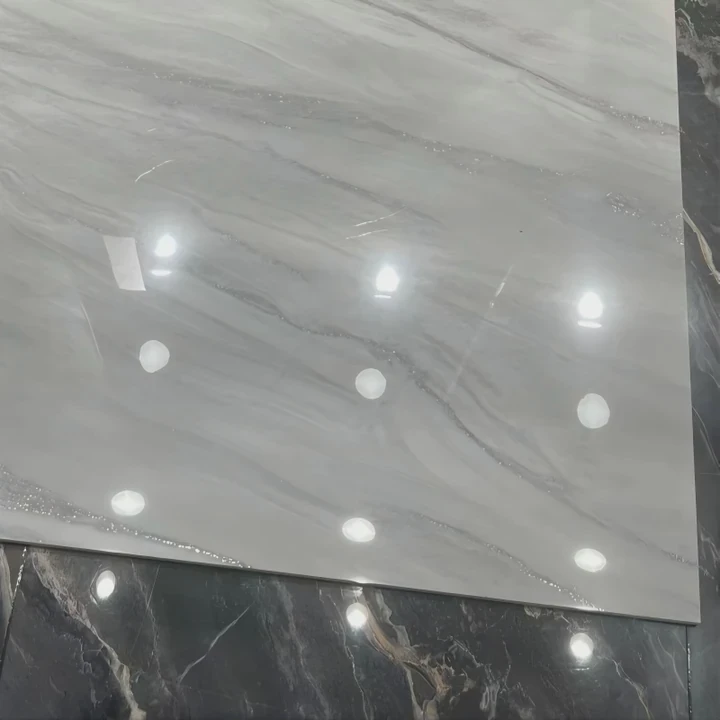
When I help people choose polishing products, I start with one rule: marble is sensitive stone. It reacts badly to vinegar, lemon, bleach mixes, and rough scrub powders. Those items may clean other surfaces, but they can dull marble fast.
Core Products That Work Well
| Product Type | Main Use | Best For | Avoid |
|---|---|---|---|
| pH-neutral stone cleaner | Daily cleaning | Light dirt and dust | Acid cleaners |
| Marble polishing powder | Shine restoration | Mild dullness | Overuse on dirty floors |
| Polishing cream | Spot gloss boost | Vanity tops and small areas | Heavy buildup |
| Microfiber cloth | Buffing | Final finish | Rough towels |
| Stone sealer | Protection | Long-term care | Wax substitutes |
A neutral cleaner removes dirt without harming calcium-based stone. This step matters because trapped grit can scratch the tile during polishing.
Polishing powder often contains fine minerals made for marble. When mixed with a little water and buffed gently, it can improve shine. I prefer powders when the tile looks flat but not deeply damaged.
Cream polish is easier for beginners. It spreads smoothly and works well on bathroom counters, wall tile, or small floor sections.
What to Avoid
Many people buy “multi-surface shine” sprays. Those products may leave wax or silicone film. At first the floor looks glossy. Later it becomes cloudy and sticky.
Avoid these items:
- Vinegar
- Lemon juice
- Bathroom limescale remover
- Steel wool
- Magic-eraser style abrasive pads
- Powder cleanser with grit
How I Build a Simple Product Kit
For most homes, I would keep only five items:
- Neutral cleaner
- Spray bottle of water
- Microfiber mop or cloth
- Marble polishing cream
- Penetrating stone sealer
This small kit handles most marble care without waste.
Buying Tip
Read labels closely. If the bottle says safe for granite, quartz, porcelain, wood, glass, and metal all at once, I stay cautious. Marble usually performs best with products made for natural calcium stone.
The right product does not need to be aggressive. Good marble shine comes from precision, not strength.
How Do You Restore Shine Without Damaging Marble?
Many owners chase shine by scrubbing hard or using strong chemicals. That often removes gloss instead of restoring it.
To restore shine safely, remove dust, wash with a pH-neutral cleaner, dry fully, apply marble polish gently, and buff with a soft pad or microfiber cloth. Deep etching may need professional honing.
Safe restoration starts with diagnosis. Marble loses shine for different reasons. Dirt is easy. Etching from acids is harder. Deep scratches need more work.
Step-by-Step Safe Method
| Step | Action | Why It Matters |
|---|---|---|
| 1 | Dry dust mop | Removes grit before rubbing |
| 2 | Clean with neutral cleaner | Lifts film safely |
| 3 | Rinse and dry | Prevents residue |
| 4 | Apply polish | Adds controlled shine |
| 5 | Buff softly | Enhances reflection |
Step 1: Remove Loose Dirt
I always begin with dry dust removal. Sand and grit act like sandpaper. If you skip this step, polishing can grind debris into the surface.
Use:
- Microfiber dust mop
- Soft vacuum brush attachment
- Dry microfiber towel
Step 2: Wash Gently
Spray a marble-safe cleaner or diluted stone cleaner. Wipe with a damp cloth. Do not flood the floor with water. Too much moisture can seep into grout lines.
Step 3: Dry the Surface
Water spots reduce shine. I dry the tile with a clean towel before polishing.
Step 4: Apply Polish
Use a small amount. More product does not mean more shine. Spread thinly in circular or overlapping motions.
Step 5: Buff
Buff with a fresh microfiber towel or low-speed pad. I often divide the floor into sections. Small sections give better control.
If Shine Still Does Not Return
The surface may be etched. Etching looks dull but feels smooth. It happens when acidic liquids react with marble.
Common causes:
- Juice
- Wine
- Toilet cleaners
- Vinegar spray
- Harsh bathroom products
Light etching may improve with marble polishing powder. Deep etching usually needs honing with diamond abrasives by a stone technician.
My Practical Rule
If the tile looks worse after two gentle attempts, stop. Repeating random products can create layers and haze. At that point, identify the damage before continuing.
Patience protects marble. Fast fixes often cost more later.
Which Tools Improve Marble Polishing Results?
Even the best polish can fail when the wrong tool touches the tile. Rough pads and high speed machines can leave swirl marks.
The best marble polishing tools are microfiber cloths, white buffing pads, low-speed polishers, spray bottles, and soft mops. Gentle tools improve shine while reducing scratches and uneven spots.
Tools matter because marble is softer than many people think. A tool made for concrete or rough tile can damage marble quickly.
Hand Tools for Small Jobs
For bathrooms, backsplashes, or a few tiles, I often choose hand tools first.
Useful options:
- Microfiber cloths
- Foam applicator pads
- Soft detailing brush for grout edges
- Rubber gloves
- Kneeling pad for floor work
Microfiber cloths trap dust and buff well without lint. Foam pads spread cream polish evenly.
Machine Tools for Floors
For larger rooms, machines save time and improve consistency.
| Tool | Best Use | Benefit |
|---|---|---|
| Low-speed floor buffer | Large floors | Even finish |
| Variable-speed hand polisher | Countertops | Better control |
| White polishing pad | Final buff | Soft contact |
| Spray bottle | Moisture control | Prevents over-wetting |
| Wet vacuum | Cleanup | Faster drying |
I prefer low-speed machines over aggressive high-speed units for residential marble. Slower motion gives better control and lowers heat buildup.
Pads Matter More Than Many Expect
Pad color systems vary by brand, but white pads are often the softest polishing choice. Darker stripping pads are usually too aggressive.
Always test one hidden area first.
Helpful Technique Tips
Keep Pads Clean
A dirty pad holds grit. I change or clean pads often during the job.
Use Light Pressure
Heavy downward force does not create elegance. It creates uneven wear.
Crosshatch Movement
Move left to right, then front to back. This pattern helps cover the area evenly.
Control Moisture
Too much water turns polish into slurry and can spread mess into grout lines.
When Not to Use Power Tools
I avoid machines when:
- Tiles are loose
- Lippage is high
- Cracks are visible
- Small decorative inserts may chip
- The user lacks practice
In those cases, hand polishing is safer.
My View After Many Projects
Most shine problems come from poor prep, not weak tools. Yet once prep is done, the right tool makes the result cleaner, faster, and more even.
Can Sealing Help Maintain Marble Gloss Longer?
Freshly polished marble can lose beauty fast if spills soak in and dirt builds up. Many people polish again when protection was the real missing step.
Yes, sealing can help maintain marble gloss longer by reducing stain absorption, slowing residue buildup, and making routine cleaning easier. Sealers protect marble but do not replace polishing or scratch repair.

A common mistake is expecting sealer to create shine. Most penetrating marble sealers sit inside the pores. They help resist liquids instead of adding a thick glossy layer.
What Sealing Actually Does
Marble contains natural pores. Water, oil, soap, and colored liquids can enter those pores. When that happens, the surface may darken, stain, or look cloudy.
A penetrating sealer helps by:
- Reducing liquid absorption
- Slowing stain formation
- Making cleanup easier
- Reducing grime buildup in tiny pores
This cleaner surface often keeps polished reflection looking better for longer.
What Sealing Does Not Do
Sealer does not:
- Remove scratches
- Fix etching
- Replace polishing
- Make damaged marble glossy overnight
That is important. If the tile is dull today, clean and polish first. Seal after the surface is corrected.
Basic Sealing Process
- Deep clean the marble
- Let it dry fully
- Apply sealer evenly
- Allow dwell time per label
- Wipe excess product
- Cure before wet use
I never leave puddles of sealer. Excess product can dry sticky or streaky.
How Often Should You Seal?
Usage changes the answer.
| Area | Typical Recheck Time |
|---|---|
| Bathroom wall tile | 12–24 months |
| Light-use floor | 12 months |
| Busy kitchen floor | 6–12 months |
| Commercial area | Inspect often |
Simple Water Test
Place a few drops of water on clean marble. If it darkens quickly, resealing may be needed.
Daily Habits That Extend Gloss
Even sealed marble still needs care.
Use:
- Entry mats
- Felt pads under furniture
- Quick spill cleanup
- Neutral cleaner
- Soft mop schedule
My Final Practical View
Sealer is like insurance. It cannot reverse old damage, but it helps protect the shine you already paid to restore. When polishing and sealing work together, marble stays elegant much longer.
Conclusion
Marble shine comes from smart care, not harsh force. Use marble-safe products, gentle tools, careful polishing steps, and timely sealing. When deeper damage appears, professional restoration is often the fastest and safest path.