How to drill through ceramic tile?
- Sinotiles
- 2026-03-30
Drilling ceramic tile often leads to cracks, broken edges, and wasted materials. Many people feel unsure and ruin tiles during simple installations.
The best way to drill ceramic tile is to use the right drill bit, apply low pressure, keep steady speed, and control heat to prevent cracks and damage.
Many beginners think drilling tile is hard. It is not. With the right steps and tools, the process becomes safe and predictable.
What drill bits work best for ceramic tile?
Drilling with the wrong bit causes slipping, overheating, and cracks. This leads to wasted tiles and extra cost.
Carbide-tipped masonry bits and diamond drill bits work best for ceramic tile because they can cut through hard glazed surfaces without damaging the tile.
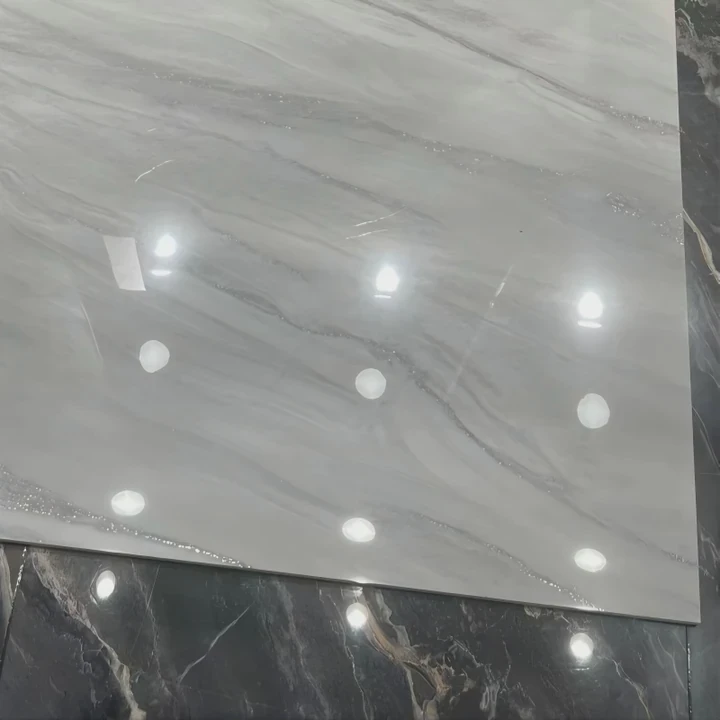
Choosing the correct drill bit is the first and most important step. Ceramic tile has a hard glazed surface. This surface resists normal drill bits. Standard wood or metal bits will not work well. They will slip and scratch the tile instead of cutting into it.
Common Drill Bit Types
| Drill Bit Type | Suitable for Ceramic Tile | 특징 |
|---|---|---|
| Standard twist bit | No | Slips and damages glaze |
| Masonry bit (carbide tip) | Yes | Good for basic drilling |
| Diamond hole saw | Yes | Best for clean holes |
| Spear-point bit | Yes | Good for precise small holes |
Carbide-tipped masonry bits are widely used. They are affordable and easy to find. They work well for small holes like wall plugs or screws. However, they require patience. The drilling speed must stay low.
Diamond drill bits are better for professional results. They cut smoothly and reduce the risk of cracking. These bits are ideal for large holes such as pipes or fittings. They also last longer when used correctly.
Key Factors When Choosing a Bit
- Tile hardness (wall tile vs floor tile)
- Hole size needed
- Frequency of use
- Budget
For example, a contractor working on large projects will often choose diamond bits. A homeowner doing small tasks may use carbide bits.
Practical Advice
Start with a smaller pilot hole when possible. This helps guide the larger bit later. Always keep the drill straight. Tilting can cause uneven pressure and cracks.
From experience, many tile failures come from using cheap or worn-out drill bits. Investing in quality tools saves time and reduces breakage.
How do you avoid cracking ceramic tiles?
Cracked tiles are one of the most common problems during drilling. This usually happens due to pressure, speed, or poor technique.
To avoid cracking ceramic tiles, use low speed, light pressure, proper positioning, and start drilling slowly to control heat and vibration.
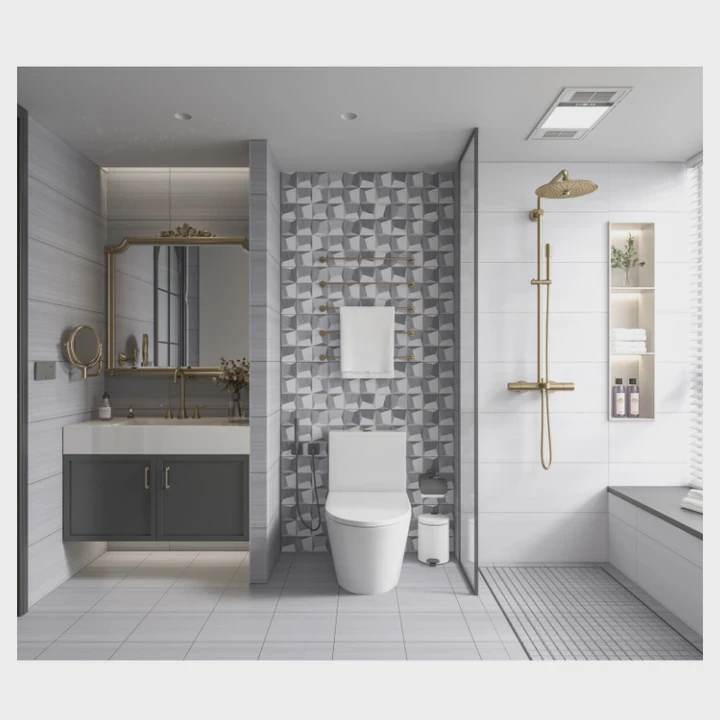
Ceramic tiles are strong but also brittle. This means they can handle pressure evenly, but they break easily under sudden force.
Main Causes of Cracking
| Cause | Result |
|---|---|
| High drilling speed | Overheating and stress cracks |
| Too much pressure | Tile breaks suddenly |
| No support behind tile | Vibration damage |
| Incorrect drill angle | Uneven force and cracks |
Step-by-Step Safe Drilling Method
1. Mark the spot clearly
Use a pencil or masking tape. Tape helps prevent the drill from slipping.
2. Start slowly
Begin at a very low speed. Let the bit grind, not punch.
3. Apply light pressure
Do not force the drill. Let the bit do the work.
4. Keep the drill straight
Hold it at a 90-degree angle to the tile surface.
5. Support the tile
If the tile is not installed yet, place it on a flat surface.
Additional Tips
- Turn off hammer mode on your drill
- Use masking tape to improve grip
- Pause during drilling to reduce heat
Many people think faster drilling saves time. In reality, slow drilling prevents mistakes and saves more time overall.
In some projects, especially large format tiles, cracks can lead to expensive replacements. So control and patience matter more than speed.
Should you use water while drilling tile?
Heat buildup during drilling can damage both the tile and the drill bit. Many people ignore this and face poor results.
Yes, using water while drilling tile helps reduce heat, improve cutting efficiency, and extend the life of the drill bit.
Water plays a key role in the drilling process. When a drill bit rotates against ceramic tile, friction creates heat. This heat can weaken the tile surface and cause cracks.
Benefits of Using Water
| Benefit | Explanation |
|---|---|
| Cooling | Prevents overheating |
| Lubrication | Reduces friction |
| Cleaner holes | Less dust and debris |
| Longer tool life | Protects drill bit |
How to Apply Water
There are several simple ways to use water:
- Use a spray bottle during drilling
- Place a wet sponge near the drilling area
- Create a small water pool using putty
Each method works well depending on the situation.
When Water is Most Important
- When using diamond drill bits
- When drilling large holes
- When working on thick or hard tiles
For small holes, water is still helpful but not always required.
Practical Experience
In large projects, using water significantly improves efficiency. Drill bits stay sharp longer. Tiles remain intact. The overall finish looks more professional.
One common mistake is using too much water. This can make the surface slippery. Always balance safety and effectiveness.
Where should holes be placed on tile surfaces?
Incorrect hole placement can weaken tiles and cause cracks. Many people do not plan hole positions carefully.
Holes should be placed away from tile edges and corners, ideally at least 10–15 mm from edges, to reduce stress and prevent cracking.
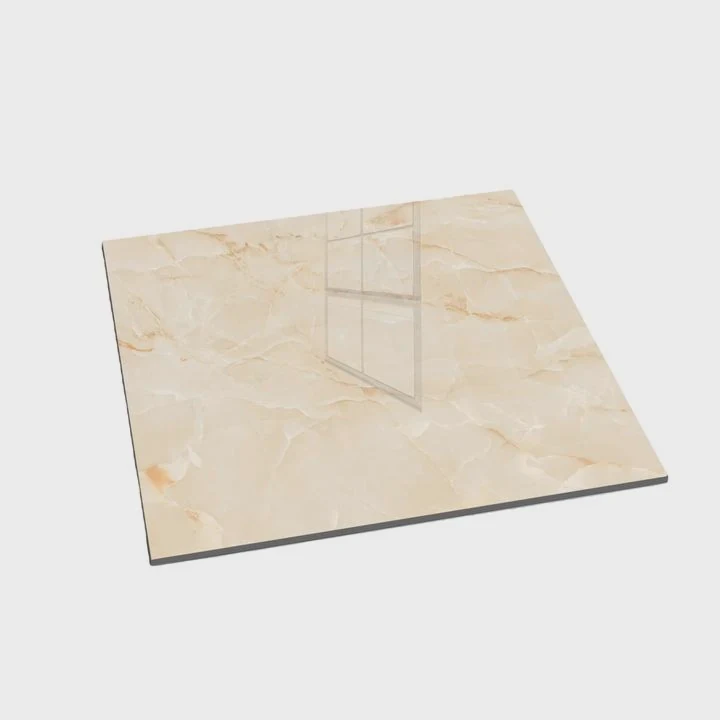
Tile structure is not uniform across its surface. Edges and corners are more fragile. Drilling in these areas increases the risk of breakage.
Safe vs Risky Areas
| Position | Risk Level | Notes |
|---|---|---|
| Center area | Low | Best for drilling |
| Near edges | Medium | Use caution |
| Corners | High | Avoid if possible |
Guidelines for Hole Placement
1. Keep distance from edges
Maintain at least 10–15 mm from edges.
2. Avoid corners
Corners are the weakest points of the tile.
3. Check tile layout
Make sure holes align with joints or fixtures.
4. Plan before installation
Pre-drilling loose tiles is often safer.
Real Project Considerations
In construction projects, hole placement affects both function and durability. For example:
- Bathroom accessories must align with tile joints
- Pipe holes must match exact measurements
- Electrical fittings require precise positioning
Mistakes in placement often lead to tile replacement. This increases cost and delays.
Professional Insight
Many experienced installers prefer marking all holes before starting. This reduces errors and improves workflow.
In large commercial projects, even small mistakes can multiply. So planning is always a key step.
Conclusion
Drilling ceramic tile becomes easy with the right tools, slow speed, proper technique, and careful planning. Small details make a big difference in preventing cracks and achieving clean, professional results.