How to install tile on wall?
- Sinotiles
- 2026-04-15
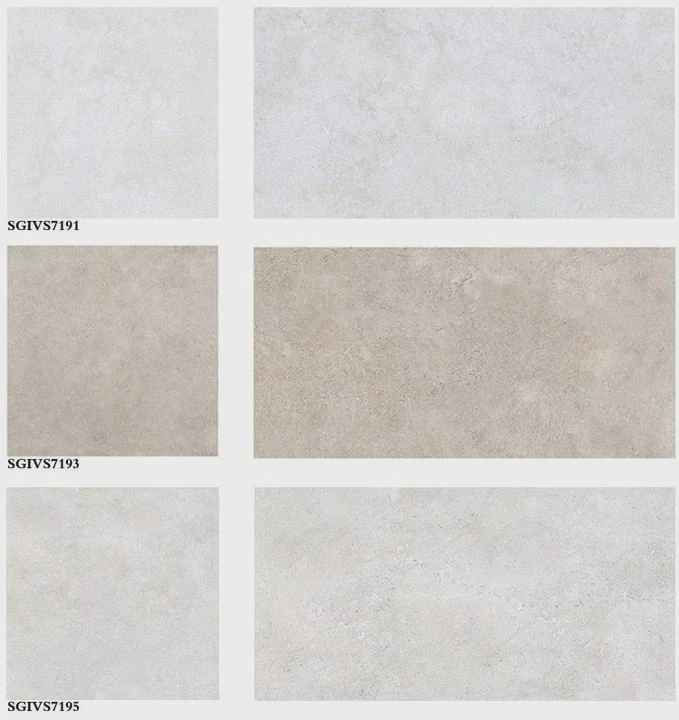
Wall tiles can fall, crack, or look uneven if installed the wrong way. Many people rush the process and later face costly repairs.
The correct way to install wall tiles includes proper surface preparation, accurate leveling, choosing the right adhesive, and applying grout at the right time for a durable and clean finish.
Wall tiling is not just about sticking tiles to a surface. Each step affects the final result. The following sections explain each part in a simple and practical way.
What preparation is required for wall tiling?
Poor preparation is the main reason tiles fail. If the wall is not ready, even the best tiles and adhesive will not last.
Wall tiling requires a clean, flat, dry, and stable surface, along with proper layout planning and necessary tools before installation begins.
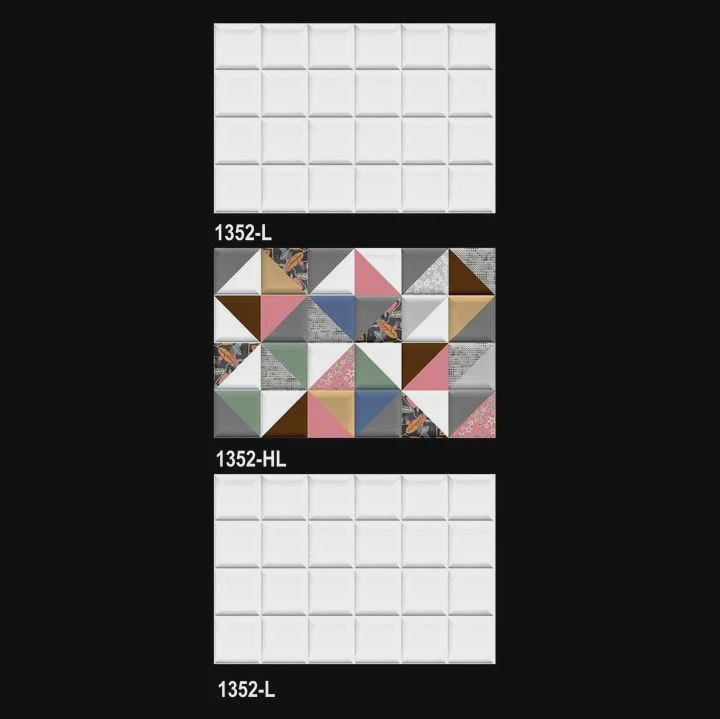
Preparation decides how strong and long-lasting the tile installation will be. Skipping this step often leads to loose tiles and uneven finishes.
Checking the wall condition
The wall must be:
- Clean from dust, grease, and loose material
- Dry with no moisture problems
- Structurally stable and not crumbling
If the wall is weak, tiles may detach over time.
Surface leveling
An uneven wall creates gaps and misaligned tiles.
Common solutions include:
- Using plaster or leveling compound
- Sanding down high spots
- Filling holes and cracks
A flat surface ensures better adhesive bonding.
Waterproofing (if needed)
In wet areas like bathrooms or kitchens:
- Apply waterproof membrane
- Seal corners and joints
This prevents water damage behind tiles.
Layout planning
Before installing tiles:
- Measure the wall carefully
- Mark center lines
- Dry-lay tiles to check alignment
This helps avoid small or uneven cuts at edges.
Essential tools checklist
| Tool | Purpose |
|---|---|
| Spirit level | Check alignment |
| Notched trowel | Apply adhesive evenly |
| Tile cutter | Cut tiles accurately |
| Measuring tape | Ensure correct spacing |
Practical insight
In many export projects, preparation is often underestimated. But experienced installers always spend more time on preparation than installation. This step saves time later and improves quality.
How do you keep tiles level during installation?
Uneven tiles are easy to notice and hard to fix. Many installations fail visually because tiles are not aligned properly.
Tiles are kept level by using spacers, leveling systems, guide lines, and checking alignment frequently during installation.
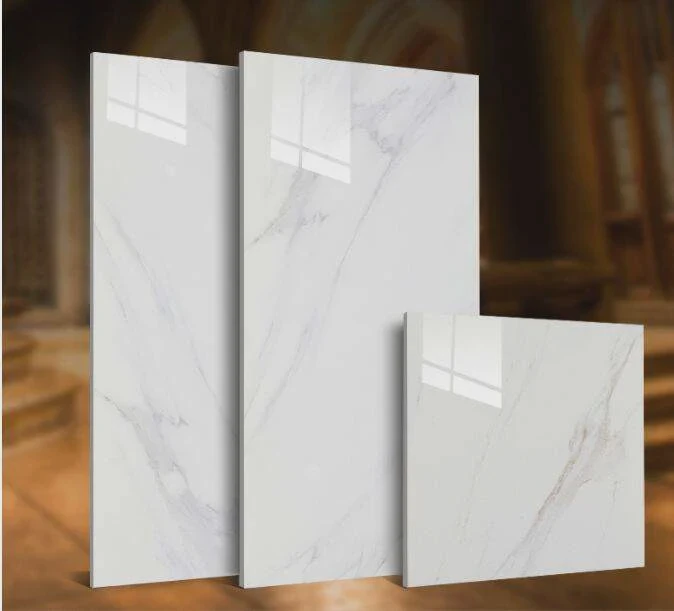
Keeping tiles level is not difficult, but it requires attention at every step.
Using tile spacers
Tile spacers help maintain equal gaps:
- Ensure consistent grout lines
- Prevent tiles from shifting
- Improve overall appearance
They are simple but very effective.
Tile leveling systems
Leveling systems include clips and wedges. They:
- Keep tiles at the same height
- Reduce lippage (uneven edges)
- Improve surface flatness
These systems are especially useful for large-format tiles.
Marking guidelines
Before installing:
- Draw horizontal and vertical lines
- Use a laser level if available
These lines guide tile placement and keep rows straight.
Starting from the right point
Do not always start from the floor. Instead:
- Start from a straight reference line
- Use a support batten if needed
This prevents uneven bottom rows.
Continuous checking
Alignment should be checked often:
- Use a spirit level after every few tiles
- Adjust immediately if needed
Small errors can grow into big problems if ignored.
Common mistakes
Avoid these issues:
- Skipping spacers
- Not checking alignment regularly
- Relying only on visual judgment
Real project experience
Large-format tiles are popular today. However, they show leveling problems more clearly. That is why leveling systems are now standard in many professional installations.
Which adhesives are best for vertical surfaces?
Choosing the wrong adhesive can cause tiles to slide or fall. This is a common problem, especially with wall installations.
The best adhesives for vertical surfaces are high-quality tile adhesives with strong bonding, anti-slip properties, and suitability for the tile type and wall condition.
Wall tiles need adhesives that can hold weight without movement.
Types of tile adhesives
Here is a simple comparison:
| Adhesive Type | Best Use | Features |
|---|---|---|
| Cement-based | Standard tiles | Strong, cost-effective |
| Ready-mix adhesive | Small wall tiles | Easy to use |
| Epoxy adhesive | Heavy or special tiles | Very strong, durable |
Anti-slip property
For wall tiles, anti-slip is critical. This prevents tiles from sliding down after installation.
Good adhesives:
- Hold tiles in place immediately
- Reduce need for constant adjustment
Choosing based on tile type
Different tiles need different adhesives:
- Large tiles → high-strength adhesive
- Porcelain tiles → low water absorption adhesive
- Natural stone → special adhesive to prevent staining
Application technique
Correct application improves performance:
- Use notched trowel
- Apply evenly
- Do not apply too much at once
Open time matters
Adhesive has a limited working time:
- Apply tiles before adhesive dries
- Work in small sections
Common mistakes
Avoid these errors:
- Using floor adhesive on walls
- Mixing adhesive incorrectly
- Applying too thick or too thin
Practical suggestion
For most wall projects, cement-based adhesive with anti-slip properties offers a good balance between cost and performance.
When should grout be applied after tiling?
Grouting too early can ruin the installation. Many people rush this step and cause long-term issues.
Grout should be applied only after the tile adhesive has fully cured, usually after 24 to 48 hours, depending on conditions and materials used.
Timing is important for a strong and clean finish.
Why waiting matters
If grout is applied too early:
- Tiles may shift
- Adhesive may weaken
- Joints may crack later
Waiting ensures stability.
Standard waiting time
Typical curing time:
- 24 hours for normal conditions
- 48 hours for large tiles or humid environments
Always check adhesive instructions.
Preparing before grouting
Before applying grout:
- Clean joints from dust and debris
- Remove spacers
- Ensure joints are dry
Grouting process basics
Steps include:
- Apply grout with rubber float
- Press grout into joints
- Remove excess grout
- Clean surface with sponge
Post-grouting care
After grouting:
- Avoid water exposure for at least 24 hours
- Clean haze from tiles
- Allow full curing
Common mistakes
Avoid these:
- Grouting too soon
- Not cleaning joints properly
- Using too much water during cleaning
Real-world insight
In many projects, rushing grouting leads to callbacks and repairs. Proper timing improves both appearance and durability.
Conclusion
Wall tile installation requires careful preparation, precise leveling, proper adhesive selection, and correct timing for grouting. Following these steps ensures a strong, clean, and long-lasting tile finish.