How to lay ceiling tile?
- Sinotiles
- 2026-03-27
Many people start ceiling tile projects and quickly feel lost. The tools, measurements, and cuts can seem confusing, and mistakes can cost time and money.
Laying ceiling tiles becomes simple when you follow a clear process: prepare the right tools, plan your grid carefully, cut tiles accurately, and avoid common errors.
Once the basics are clear, the whole process feels much more manageable. Each step builds on the last, so understanding the full workflow makes the job smoother and more professional.
What tools are needed to install ceiling tiles?
Starting without the right tools leads to slow progress and poor results. Many beginners struggle because they underestimate how important preparation is.
You need basic tools like a measuring tape, utility knife, T-square, level, drill, and safety gear to install ceiling tiles properly and efficiently.
When preparing for a ceiling tile project, tool selection plays a key role in both speed and final quality. Each tool has a clear purpose, and skipping even one can create problems later.
Essential Tools Breakdown
| Tool | Purpose | Why It Matters |
|---|---|---|
| Measuring Tape | Measure ceiling dimensions | Ensures accurate layout |
| Chalk Line | Mark straight grid lines | Keeps alignment consistent |
| T-square | Guide straight cuts | Prevents uneven edges |
| Utility Knife | Cut tiles cleanly | Reduces breakage |
| Level | Check grid alignment | Avoids uneven ceiling |
| Drill | Install anchors and grid | Speeds up installation |
Safety Equipment Is Not Optional
Many installers ignore safety at the start. This often leads to injuries or fatigue.
- Safety glasses protect from dust and debris
- Gloves prevent cuts from sharp tile edges
- Dust masks reduce inhalation of fine particles
Tool Quality vs Cost
Cheap tools may seem attractive at first. However, poor-quality blades or measuring tools can ruin tiles. A dull knife, for example, causes rough edges and wasted material.
Practical Experience Insight
In past projects, using a high-quality T-square made a big difference. Cuts became faster and more accurate. It also reduced material waste, which is critical in large projects.
Additional Helpful Tools
- Laser level for faster layout
- Step ladder for safe access
- Marker or pencil for clear marking
A well-prepared toolset creates confidence. It also ensures that each step flows smoothly into the next stage.
How to measure ceiling grid layout?
Incorrect measurements are one of the biggest reasons ceiling projects fail. A small error at the start can lead to uneven tiles and poor visual balance.
To measure a ceiling grid layout, divide the ceiling evenly from the center, mark grid lines with a chalk line, and ensure all borders are symmetrical.
Measuring the ceiling grid is not just about numbers. It is about visual balance and structural accuracy.
Step-by-Step Layout Process
- Measure the total ceiling length and width
- Find the center point of the ceiling
- Snap chalk lines across both directions
- Divide the space into equal grid sections
Why Centering Matters
If tiles start from one wall, the opposite edge may end with very narrow pieces. This looks unprofessional.
Centering ensures:
- Equal tile sizes on both edges
- Better visual symmetry
- Easier cutting process
Standard Grid Sizes
| Tile Size | Grid Spacing |
|---|---|
| 600×600 mm | 600 mm grid |
| 600×1200 mm | 600×1200 grid |
| 300×600 mm | 300×600 grid |
Choosing the right grid depends on the tile size. Matching these correctly avoids installation issues.
Common Measurement Mistakes
- Ignoring wall unevenness
- Forgetting to account for fixtures
- Not double-checking measurements
Real-World Tip
Walls are rarely perfectly straight. Measuring in multiple points helps reduce errors. It is better to adjust early than fix problems later.
Handling Obstacles
Lighting fixtures, vents, and pipes must be included in the layout plan. Mark these areas clearly before installing the grid.
A careful layout stage saves time and prevents frustration. It also ensures the final ceiling looks clean and professional.
How to cut ceiling tiles for edges?
Cutting tiles incorrectly leads to cracks, waste, and uneven edges. Many people rush this step and regret it later.
To cut ceiling tiles for edges, measure carefully, mark clearly, and use a sharp utility knife with a straight guide for clean and precise cuts.
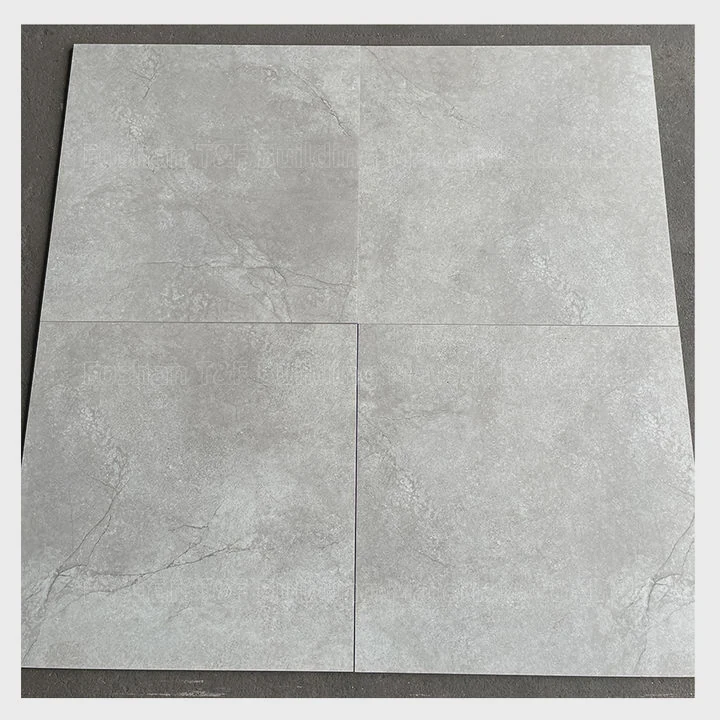
Edge cutting is where precision matters most. Unlike full tiles, edge tiles are visible and define the finish quality.
Cutting Process
- Measure the gap between the grid and wall
- Transfer measurement onto the tile
- Use a T-square to guide the cut
- Score the tile with a knife
- Snap or cut through cleanly
Types of Cuts
- Straight cuts for walls
- L-shaped cuts for corners
- Circular cuts for pipes or fixtures
Cutting Techniques Comparison
| Method | Advantage | Disadvantage |
|---|---|---|
| Knife Scoring | Clean and precise | Requires steady hand |
| Saw Cutting | Good for thick tiles | Creates dust |
| Pre-cut Tools | Fast | Less flexible |
Avoiding Common Cutting Errors
- Using a dull blade
- Cutting without a guide
- Rushing measurements
Material Differences
Different tiles behave differently:
- Mineral fiber tiles are softer and easier to cut
- Porcelain or ceramic tiles need stronger tools
Practical Insight
In large projects, marking multiple tiles before cutting improves efficiency. It reduces repeated measuring and speeds up workflow.
Finishing Edges
After cutting, check edges:
- Smooth rough parts
- Ensure tight fit against walls
- Avoid visible gaps
Precision cutting improves both appearance and installation speed. It also reduces material waste significantly.
What mistakes to avoid when laying ceiling tiles?
Even with good tools and planning, small mistakes can ruin the final result. Many issues come from rushing or skipping steps.
Avoid mistakes like poor measurements, uneven grids, improper cutting, and ignoring safety, as these can lead to wasted materials and unprofessional results.
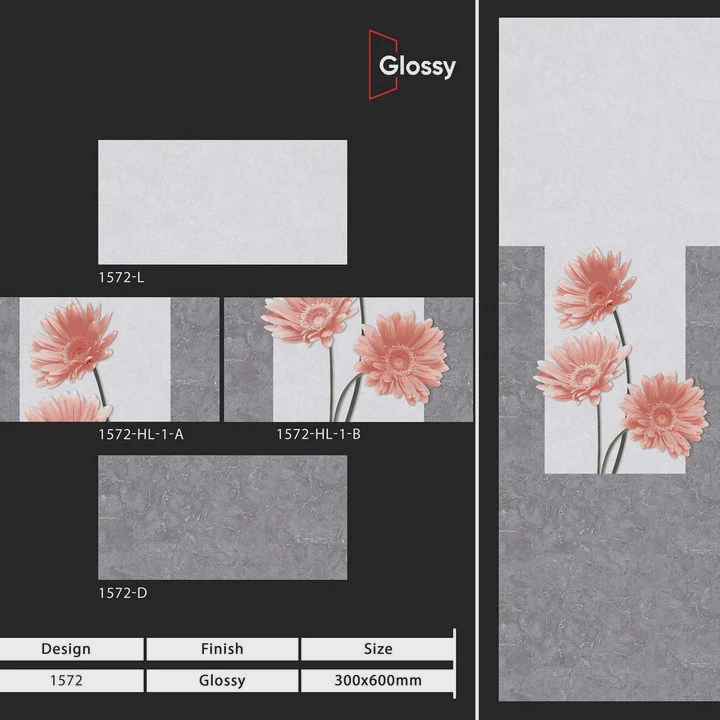
Understanding common mistakes helps prevent them before they happen.
Most Common Mistakes
1. Skipping Planning
Some installers jump straight into installation. This often leads to uneven layouts.
2. Ignoring Leveling
If the grid is not level, tiles will not sit properly. This creates visible gaps.
3. Poor Tile Handling
Tiles can crack easily if handled roughly.
4. Wrong Tool Usage
Using incorrect tools leads to bad cuts and slow progress.
Mistake Impact Table
| Mistake | Result | Solution |
|---|---|---|
| Wrong measurements | Uneven tiles | Double-check layout |
| Uneven grid | Misaligned ceiling | Use level tools |
| Bad cutting | Visible gaps | Use sharp blades |
| Rushing work | Poor finish | Follow step-by-step |
Hidden Problems
Some mistakes are not visible immediately:
- Weak grid support may fail later
- Poor alignment becomes obvious under lighting
Time vs Quality Balance
Trying to finish quickly often leads to rework. Taking more time at the start reduces total project time.
Real Project Lesson
In one project, skipping grid leveling caused tile sagging after installation. Fixing it required removing half the ceiling. That mistake could have been avoided with a simple level check.
Best Practices
- Always measure twice
- Work from the center outward
- Keep tools sharp and clean
- Inspect each step before moving forward
Avoiding mistakes is not just about skill. It is about patience and attention to detail.
Conclusion
Laying ceiling tiles becomes easy when each step is done carefully. The right tools, accurate layout, clean cuts, and avoiding common mistakes all work together to create a strong and professional ceiling.