How to Lay Glass Tile Backsplash?
- Sinotiles
- 2026-06-29
Many homeowners love the clean look of glass tile backsplashes, but many projects end with uneven lines, visible adhesive, or cracked tiles.
To lay a glass tile backsplash successfully, use the correct adhesive, prepare a smooth wall surface, install sheets carefully, and use white mortar to maintain the tile’s true color and appearance.
Glass tiles can transform a kitchen or bathroom with their reflective surface and modern style. Still, glass behaves differently from ceramic or porcelain tile. The materials, tools, and installation methods matter much more. Understanding these details before starting can help avoid expensive mistakes and create a backsplash that looks professional for years.
What Adhesive Works for Glass Tiles?
Many installation failures happen because the wrong adhesive is used behind the glass tiles.
A high-quality polymer-modified thin-set mortar designed specifically for glass tiles is usually the best adhesive. It provides strong bonding, flexibility, and proper support while maintaining the appearance of translucent glass.
Glass tiles require more attention than many people expect. Unlike ceramic tiles, glass is non-porous. This means standard adhesives may not bond properly.
Why Standard Adhesives Can Cause Problems
Some installers choose generic tile adhesive because it is cheaper or easier to find. This often creates issues later.
Glass expands and contracts differently than ceramic. If the adhesive lacks flexibility, stress can build up behind the tile. Over time, this may lead to cracking or bond failure.
Poor-quality adhesives may also show through transparent glass tiles and affect the finished appearance.
Common Adhesive Options
The choice depends on the tile manufacturer’s recommendations and project conditions.
| Adhesive Type | Suitable for Glass Tile | Notes |
|---|---|---|
| Polymer-modified thin-set | Yes | Most common choice |
| Glass tile mortar | Yes | Specifically formulated |
| Organic mastic | Sometimes | Only when approved by manufacturer |
| Standard thin-set | Usually No | May lack required flexibility |
Surface Preparation Before Adhesive Application
Even the best adhesive cannot compensate for poor wall preparation.
The wall should be:
- Clean
- Dry
- Flat
- Free from grease
- Free from loose paint
- Structurally sound
Kitchen backsplashes often contain cooking oils that are invisible to the eye. Cleaning the surface thoroughly before installation helps ensure proper bonding.
Applying the Adhesive Correctly
Using the correct trowel is just as important as choosing the right adhesive.
A small notched trowel helps distribute mortar evenly. After combing the mortar, many installers flatten the ridges slightly. This reduces the chance of visible trowel lines showing through transparent glass tiles.
Why Manufacturer Instructions Matter
Different glass tile products may require different installation methods.
Some large-format glass tiles need specialized mortars. Some mosaic sheets have unique backing materials that affect adhesive selection.
Whenever possible, I recommend treating the tile manufacturer’s instructions as the primary guide. The adhesive recommendation is usually based on laboratory testing and long-term performance data.
Choosing the proper adhesive creates the foundation for the entire project. Once the tiles are installed, correcting adhesive-related problems becomes difficult and expensive. A small investment in the right mortar often protects the beauty and durability of the backsplash for many years.
How to Prevent Glass Tile Cracking?
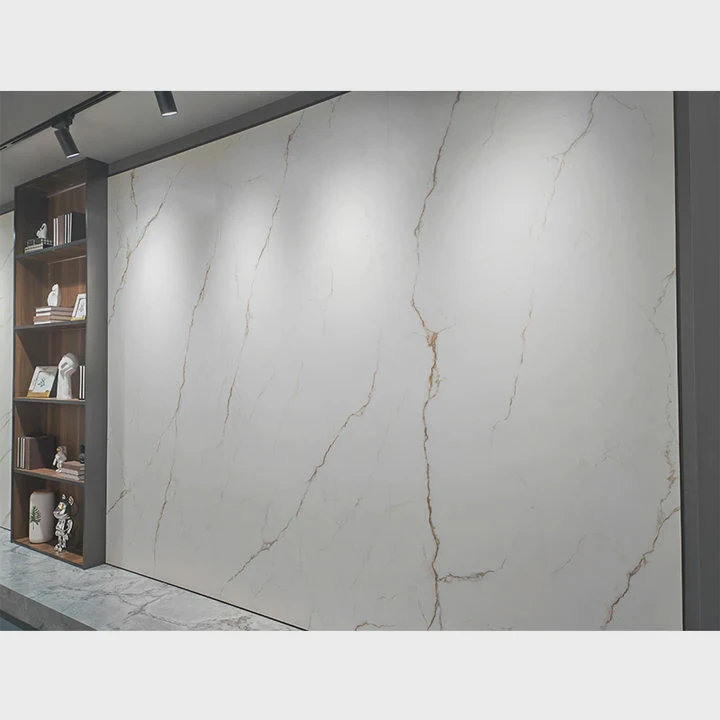
Glass tiles are beautiful, but they can crack more easily than many other tile materials if handled incorrectly.
To prevent glass tile cracking, use proper cutting tools, apply even pressure during installation, ensure full mortar coverage, and allow room for natural expansion and contraction.
Many people assume cracks occur only after installation. In reality, damage often begins during handling and installation.
Use Proper Cutting Equipment
Glass tiles require specialized cutting tools.
Standard tile cutters that work well on ceramic may create uneven pressure on glass. This can lead to chips, fractures, or complete breakage.
Wet saws equipped with glass-specific blades often produce the cleanest cuts.
Avoid Excessive Pressure
One common mistake is pressing tiles too hard into the mortar.
The goal is to achieve full contact with the adhesive. Excessive force can create concentrated stress points.
Instead of pushing aggressively, apply steady and even pressure across the tile surface.
Ensure Full Mortar Coverage
Voids behind glass tiles can create weak areas.
When pressure is applied during daily use, unsupported sections become vulnerable to cracking.
Key Factors That Reduce Cracking Risk
| Factor | Benefit |
|---|---|
| Full mortar coverage | Prevents weak spots |
| Proper cutting tools | Reduces edge fractures |
| Flat substrate | Minimizes stress |
| Expansion gaps | Allows movement |
| Quality mortar | Improves flexibility |
Leave Expansion Space
Temperature changes affect glass.
Even indoor environments experience expansion and contraction due to cooking heat, sunlight, and seasonal conditions.
Movement joints around edges help absorb these changes without transferring stress to the tile surface.
Handle Sheets Carefully
Many glass backsplash products come mounted on mesh sheets.
Although installation becomes easier, the sheets still require careful handling. Bending or twisting them excessively may create stress that damages individual pieces.
Protect the Installation During Curing
The adhesive needs time to develop full strength.
During this period, avoid bumping, pressing, or cleaning the backsplash aggressively.
Many installers rush to grout or clean the area too quickly. Allowing proper curing time reduces the risk of movement and cracking.
Over the years, many cracked glass tile installations can be traced to simple mistakes rather than material defects. Careful preparation, correct tools, and patience during installation provide the best protection. Glass may appear delicate, but when installed properly, it can remain beautiful and durable for decades.
Can Mesh Backing Simplify Installation?
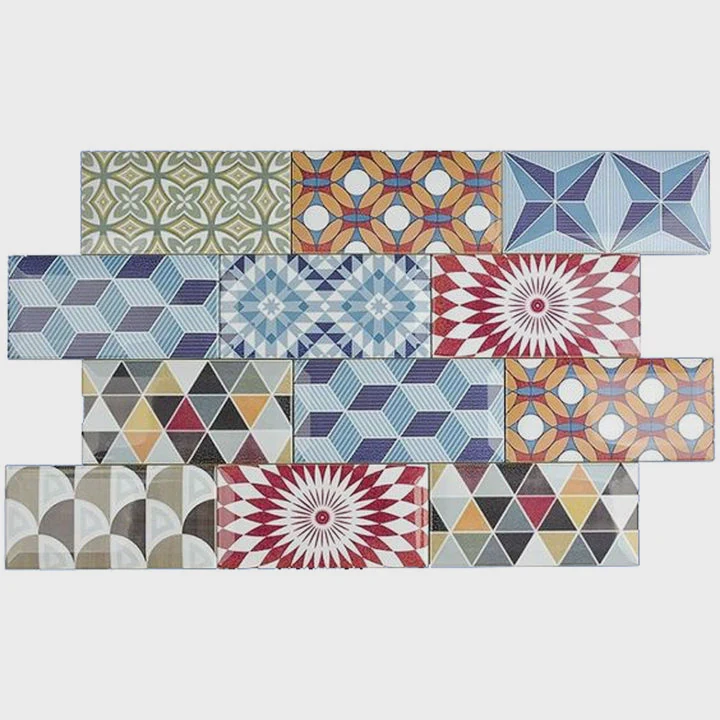
Installing dozens or hundreds of individual glass tiles can be time-consuming and frustrating.
Yes, mesh backing greatly simplifies glass tile backsplash installation by keeping tiles aligned, improving spacing consistency, and speeding up the installation process.
Many modern glass tile products are sold as mosaic sheets attached to mesh backing.
This system has changed the way installers approach backsplash projects.
What Is Mesh Backing?
Mesh backing consists of a flexible grid attached to the rear of multiple tiles.
Instead of placing every tile individually, installers position an entire sheet at once.
This approach improves efficiency while helping maintain consistent spacing.
Benefits of Mesh-Mounted Tiles
The advantages become clear during installation.
Faster Installation
Large areas can be covered quickly.
A sheet containing dozens of tiles can be installed in the time required to place only a few individual pieces.
Better Alignment
Factory-mounted spacing helps maintain uniform grout lines.
This reduces the chances of crooked rows or inconsistent joints.
Easier Planning
Layout adjustments become simpler because installers work with larger sections rather than individual tiles.
Comparison Between Installation Methods
| Feature | Individual Tiles | Mesh-Mounted Sheets |
|---|---|---|
| Installation speed | Slow | Fast |
| Alignment control | More difficult | Easier |
| Labor requirement | Higher | Lower |
| Consistency | Depends on installer | More uniform |
| DIY friendliness | Moderate | High |
Watch for Sheet Lines
Mesh backing simplifies installation, but it introduces a new challenge.
If sheets are not aligned carefully, visible grid patterns may appear after grouting.
Many first-time installers place sheets directly against one another without checking spacing.
The result is often larger grout joints between sheets than within the sheets.
Adjusting Individual Tiles
One advantage of mesh-mounted products is flexibility.
Individual tiles can usually be adjusted before the mortar sets. This allows minor corrections to maintain a consistent appearance.
Special Considerations for Glass Mosaic Sheets
Some glass mosaics use paper-faced mounting systems rather than mesh backing.
Others combine mesh backing with specialty coatings.
Because of these variations, installation instructions should always be reviewed before beginning the project.
In many kitchen backsplash projects, mesh backing saves significant time while improving overall consistency. The installer can focus more on layout and finish quality rather than managing hundreds of separate pieces. When handled correctly, mesh-mounted sheets create a cleaner and more professional appearance with much less effort.
Why Use White Mortar for Glass Tiles?
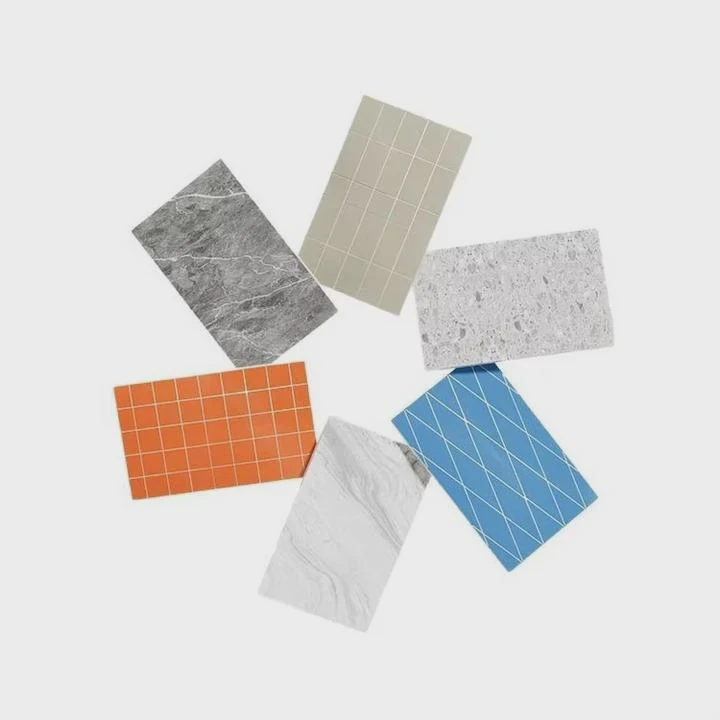
The color hidden behind glass tiles may seem unimportant, but it can dramatically affect the finished appearance.
White mortar is recommended for most glass tile installations because it preserves color accuracy, enhances brightness, and prevents dark shadows from showing through translucent tiles.
Many people do not realize that glass allows light to pass through.
As a result, the material behind the tile becomes part of the visual design.
How Mortar Color Affects Appearance
With ceramic tile, mortar color often remains hidden.
Glass behaves differently.
Gray mortar can darken the overall appearance of the backsplash. It may also alter the intended shade of colored glass tiles.
White mortar creates a clean and neutral background.
Benefits of White Mortar
Several visual advantages make white mortar the preferred choice.
Improved Color Accuracy
Manufacturers typically design glass tiles to be installed over white backgrounds.
The resulting appearance matches the product samples shown in displays and catalogs.
Enhanced Brightness
Glass reflects and transmits light.
A white background increases brightness and helps maximize this reflective quality.
More Uniform Appearance
White mortar reduces visible shadows and color variation behind translucent tiles.
The finished wall appears cleaner and more consistent.
White Mortar vs Gray Mortar
| Characteristic | White Mortar | Gray Mortar |
|---|---|---|
| Color accuracy | Excellent | May alter color |
| Brightness | High | Lower |
| Visibility through tile | Minimal | More noticeable |
| Preferred for glass | Yes | Usually No |
Consistent Mortar Coverage Is Important
White mortar alone does not guarantee good results.
Uneven mortar thickness may still create visible patterns behind transparent tiles.
For this reason, many installers flatten mortar ridges before placing the tile sheets.
This creates a more uniform background.
Working With Translucent and Transparent Glass
The more transparent the tile, the more important the mortar color becomes.
Highly translucent products reveal almost everything behind them.
Any dark spots, trowel ridges, or inconsistent coverage may become visible after installation.
Creating the Desired Finished Look
Many homeowners choose glass tile because of its depth, light reflection, and clean appearance.
White mortar helps support these design goals. It allows the tile’s natural color and reflective qualities to remain the focal point.
Over many backsplash projects, one lesson becomes clear: what lies behind the glass matters almost as much as the glass itself. White mortar provides a bright and consistent foundation that helps showcase the tile exactly as the manufacturer intended.
Conclusion
Laying a glass tile backsplash requires careful material selection and proper installation techniques. Using the right adhesive, preventing stress that causes cracking, taking advantage of mesh-backed sheets, and choosing white mortar all contribute to a durable and attractive finished backsplash that highlights the beauty of glass tile.