How to Lighten Travertine Tile?
- Sinotiles
- 2026-04-25
Travertine tiles can lose their natural charm when they darken due to dirt, spills, or improper cleaning. This can make any space feel dull and tired.
Lightening travertine tiles safely restores their original color and brightness, giving your floors or walls a fresh, clean look.
Understanding the correct techniques helps prevent damage and ensures your travertine remains beautiful for years.
What methods can lighten travertine tile color?
Travertine is a porous stone, which means it absorbs liquids and oils easily. This absorption can darken the surface, but there are ways to bring back its lighter shade.
Popular methods include using hydrogen peroxide, baking soda paste, or specialized travertine cleaners to brighten tiles without causing harm.
Lightening travertine begins with testing any product in a small, hidden area. Hydrogen peroxide works well on light stains. Apply it directly or dilute it slightly with water. Baking soda paste is another effective method. Mix baking soda with water, spread on the tile, let it dry, and rinse thoroughly. Poultices, which are thicker pastes that draw stains out over hours, work for deeper discoloration. Avoid acidic cleaners like vinegar or lemon juice, as they can etch and permanently damage the stone. Consistent, gentle cleaning with pH-neutral products prevents darkening over time. Remember, natural travertine varies in color, so results may differ slightly across tiles. Regular maintenance ensures the color remains even and vibrant.
Table: Methods to Lighten Travertine
| Method | How It Works | Notes |
|---|---|---|
| Hydrogen Peroxide | Mild bleaching to lift light stains | Test in hidden area first |
| Baking Soda Paste | Absorbs and lifts stains | Rinse thoroughly after use |
| Poultice | Draws deep stains from stone | Requires several hours to work |
| Specialized Travertine Cleaner | Designed for natural stone | Follow product instructions |
How do you clean stains that darken travertine?
Stains from oils, food, or spills can make travertine appear darker than its natural tone. Quick treatment helps prevent permanent marks.
Using a poultice, mild soap, and warm water removes most stains while keeping travertine safe and bright.
First, identify the type of stain. Oil-based stains like grease respond well to a baking soda poultice. Mix baking soda with water to make a paste, cover the stain, and leave for 24 hours. For water or organic stains, hydrogen peroxide is effective. Always rinse well and dry tiles afterward. Avoid acidic cleaners that can etch or worsen the surface. Soft brushes help lift dirt without scratching the stone. Regular weekly cleaning prevents stains from becoming deep and dark. Consistency is key. With careful attention, travertine tiles remain light and naturally beautiful.
Table: Stain Types and Cleaning Methods
| Stain Type | Recommended Cleaning | Avoid |
|---|---|---|
| Oil | Baking soda poultice | Vinegar, bleach |
| Food | Mild soap + warm water | Acidic cleaners |
| Rust | Commercial rust remover safe for stone | Lemon, harsh acids |
| Watermarks | Hydrogen peroxide + gentle wipe | Abrasive scrubbing |
Which products are safe for travertine surfaces?
Travertine is sensitive to acids and harsh chemicals. Only pH-neutral cleaners, gentle soaps, or products made for travertine are safe.
Using safe products lifts dirt and stains while protecting the stone from etching, fading, or discoloration.
Choose products labeled pH-neutral or safe for natural stone. Soap-based cleaners work well for regular maintenance. Heavy-duty stains may need a commercial travertine cleaner. Test any new product in a hidden area before full use. Use soft cloths or brushes to prevent scratches. Even plain water can lighten mild dirt if applied carefully. Avoid soaking tiles for long periods. Safe products prevent grime buildup and maintain the natural beauty of the stone over time.
Choosing Safe Cleaners
- Look for pH-neutral labels.
- Avoid acidic or abrasive products.
- Use soft brushes and microfiber cloths.
- Test first on a small area.
- Follow instructions carefully.
Can sealing affect travertine appearance?
Sealing protects travertine from stains, but it can also change the appearance slightly, sometimes making the tile look darker or glossier.
Proper sealing locks in natural color and prevents future stains, but choosing the right sealer ensures the stone keeps the desired look.
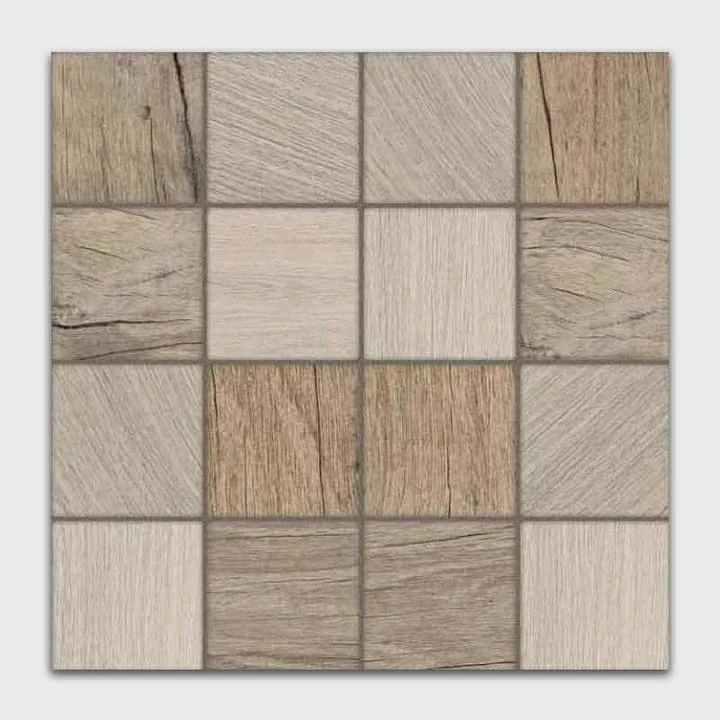
Sealing is preventive. Penetrating sealers soak into the stone and protect from stains with minimal visual change. Topical sealers can create a glossy finish and slightly darken tiles. Before sealing, clean and dry tiles thoroughly. One coat may suffice, but two thin layers give better protection. Sealers reduce cleaning frequency and prevent liquids from soaking into the stone. Reapply every 1-2 years or as recommended. Test a small patch to see the effect on color and finish before applying to the entire area. Regular sealing keeps travertine bright and protected over time.
Sealer Options
| Sealer Type | Effect on Appearance | Longevity |
|---|---|---|
| Penetrating | Minimal change | 1-2 years |
| Topical | Glossier, slightly darker | 1-2 years |
| Impregnating | Natural look, deep protection | 2+ years |
Tips for Sealing
- Clean tiles before applying sealer.
- Apply thin, even coats.
- Do not walk on tiles until fully dry.
- Reapply based on wear and traffic levels.
Conclusion
Lightening travertine tiles safely uses gentle cleaning methods, correct products, and proper sealing. With consistent care, tiles stay bright, beautiful, and naturally durable.