How to Paint Over Bathroom Tile?
- Sinotiles
- 2026-06-28
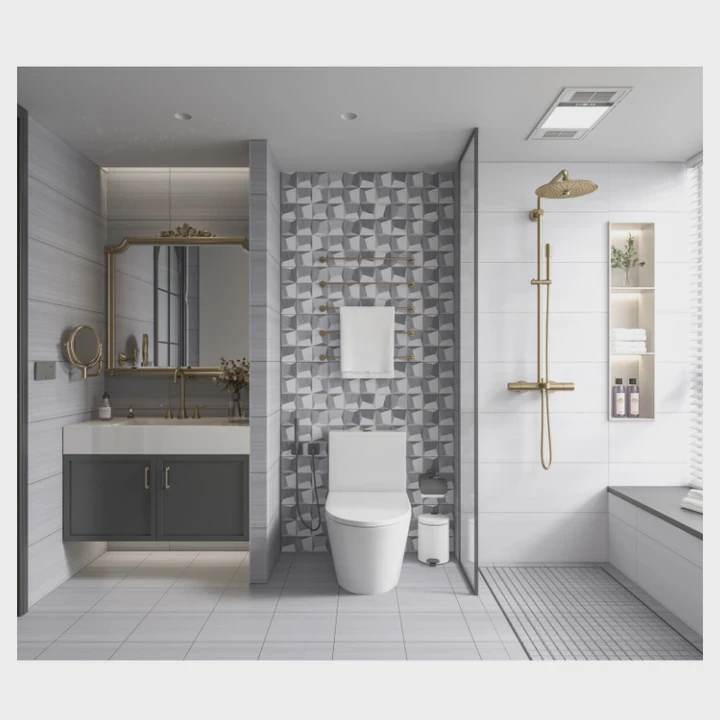
Bathroom tiles can look outdated long before they wear out. Replacing them is expensive, messy, and time-consuming, which is why many homeowners consider painting instead.
Yes, bathroom tiles can be painted successfully when the surface is cleaned properly, primed correctly, and coated with durable tile-specific paint. Proper preparation and application are essential for achieving a long-lasting finish that resists moisture and daily wear.
Painting bathroom tile is one of the most affordable ways to refresh a space without a full renovation. However, tile surfaces are very different from drywall or wood. They are smooth, non-porous, and constantly exposed to humidity. Understanding the correct process can make the difference between a finish that lasts for years and one that starts peeling within months.
What Preparation Is Required Before Repainting Tiles?
A fresh coat of paint cannot hide poor preparation. Most tile painting failures begin long before the first coat of paint is applied.
Before repainting bathroom tiles, the surface should be cleaned thoroughly, repaired if necessary, lightly sanded, and completely dried. Proper preparation removes contaminants and creates a surface that helps paint bond effectively.
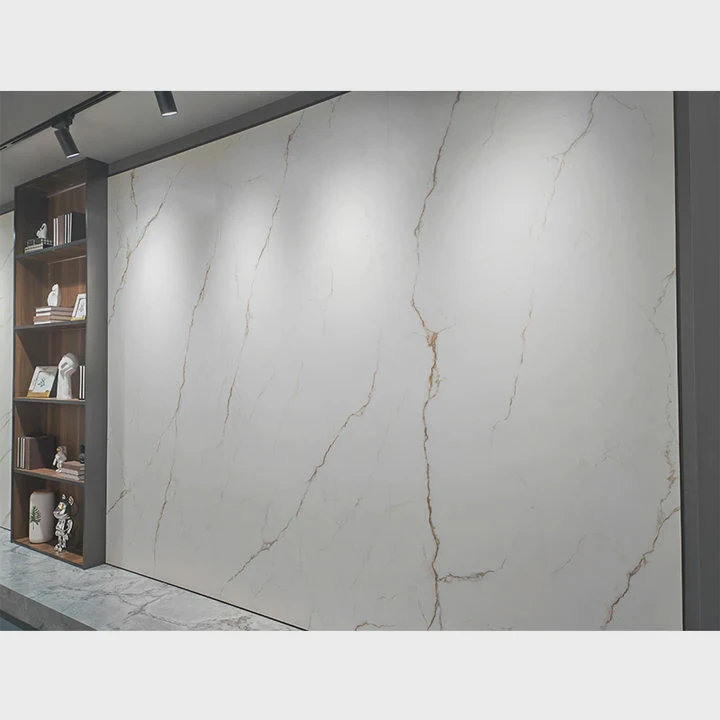
Many people underestimate the amount of dirt, soap residue, and moisture that accumulates on bathroom tile surfaces. Even clean-looking tiles may contain invisible contaminants that interfere with paint adhesion.
Deep Clean the Tile Surface
The first step is removing all surface contamination.
Common contaminants include:
- Soap scum
- Body oils
- Shampoo residue
- Hard water deposits
- Mold and mildew
A strong bathroom cleaner or degreasing cleaner is often necessary.
The goal is to create a completely clean surface before moving to the next step.
Remove Mold and Mildew
Bathrooms naturally experience high humidity.
Any visible mold or mildew should be treated before painting.
Failure to remove biological growth can lead to:
- Paint failure
- Surface discoloration
- Ongoing moisture issues
Cleaning solutions specifically designed for mold removal are often effective.
Inspect Tiles for Damage
Every tile should be checked carefully.
Look for:
- Cracks
- Chips
- Loose tiles
- Missing grout
Painting does not repair structural issues.
Damaged areas should be fixed before painting begins.
Repair Grout Lines
Grout condition affects the final appearance.
Worn grout may require:
- Regrouting
- Spot repairs
- Cleaning and sealing
Fresh grout often improves the finished result significantly.
Sand the Surface Lightly
Most bathroom tiles have a smooth glazed finish.
This glossy surface makes paint adhesion difficult.
Light sanding helps:
- Reduce gloss
- Create surface texture
- Improve primer grip
A fine-grit sandpaper is usually sufficient.
Remove Sanding Dust
After sanding, all dust should be removed.
Effective methods include:
- Vacuuming
- Damp microfiber cloths
- Tack cloths
Dust left behind can interfere with primer performance.
Allow Complete Drying
Moisture trapped beneath coatings is a common cause of failure.
Before priming, tiles should be:
- Clean
- Dry
- Free of residue
Patience during this stage often improves long-term durability.
Preparation Checklist
| Preparation Step | Purpose |
|---|---|
| Deep cleaning | Remove contaminants |
| Mold treatment | Eliminate biological growth |
| Surface repairs | Create stability |
| Light sanding | Improve adhesion |
| Dust removal | Ensure smooth coating |
| Complete drying | Prevent moisture issues |
A properly prepared surface gives paint the best possible chance to perform well in a demanding bathroom environment.
How Can Primer Ensure Better Paint Adhesion?
Many homeowners focus on paint selection while overlooking the importance of primer. In reality, primer often plays the most important role in the entire process.
Primer improves paint adhesion by creating a bonding layer between the smooth tile surface and the paint coating. High-quality bonding primers help prevent peeling, chipping, and premature coating failure.
Tiles are designed to resist moisture and stains. Ironically, those same qualities make them difficult to paint.
Why Paint Struggles on Tile
Tile surfaces are generally:
- Smooth
- Dense
- Non-porous
- Moisture resistant
These characteristics reduce the ability of paint to attach directly to the surface.
Without primer, paint may:
- Peel
- Chip
- Scratch easily
- Wear unevenly
Primer Creates a Bonding Layer
A bonding primer acts as an intermediary layer.
It connects:
- The tile surface.
- The paint coating.
This improves overall coating performance.
Benefits of High-Quality Primer
A suitable primer can provide:
- Better adhesion
- Improved durability
- More consistent color
- Reduced paint consumption
These benefits contribute to a more professional-looking finish.
Choosing the Right Primer
Not all primers are suitable for tile surfaces.
Look for products designed for:
- Ceramic tile
- Porcelain tile
- Glossy surfaces
- High-moisture environments
Bonding primers are often recommended.
Primer Application Tips
Proper application matters.
Key recommendations include:
- Apply thin, even coats
- Avoid heavy buildup
- Follow drying times carefully
- Use quality rollers or brushes
Rushing this stage can compromise results.
Common Primer Mistakes
Several mistakes reduce effectiveness.
Examples include:
- Skipping primer entirely
- Using wall primer instead of bonding primer
- Applying primer to dirty surfaces
- Painting before primer cures
Each mistake increases the risk of coating failure.
Primer vs No Primer
| Factor | With Primer | Without Primer |
|---|---|---|
| Adhesion | Strong | Weak |
| Durability | Higher | Lower |
| Peeling Resistance | Better | Poorer |
| Paint Coverage | Improved | Reduced |
| Longevity | Longer | Shorter |
Primer Supports Long-Term Performance
Bathrooms experience frequent temperature and humidity changes.
A quality primer helps coatings tolerate:
- Steam
- Moisture
- Cleaning products
- Daily wear
For most tile painting projects, primer should never be considered optional.
Why Choose Durable Coatings for Tile Repainting?
Bathroom tile faces conditions that many painted surfaces never encounter. Standard wall paint is usually not designed for this environment.
Durable coatings provide resistance to moisture, cleaning chemicals, abrasion, and daily use. Choosing tile-specific or high-performance coatings helps maintain appearance and reduce maintenance over time.
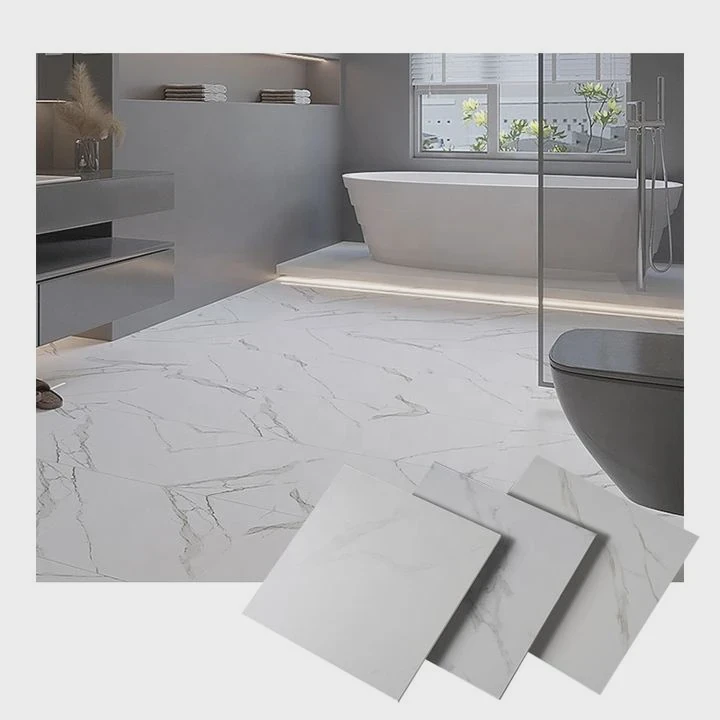
Many paint failures occur because the wrong type of paint was selected rather than because the application process was incorrect.
Bathroom Environments Are Demanding
Bathroom surfaces experience:
- High humidity
- Water exposure
- Frequent cleaning
- Temperature fluctuations
Paint must withstand these conditions consistently.
Standard Wall Paint Is Often Inadequate
Traditional interior wall paint may perform poorly on tile.
Common problems include:
- Peeling
- Bubbling
- Softening
- Staining
Tile surfaces require specialized coatings.
Popular Tile Coating Options
Several coating systems are commonly used.
These include:
- Epoxy-based coatings
- Tile refinishing kits
- Urethane-modified coatings
- Specialty tile paints
Each option offers different performance characteristics.
Epoxy Coatings
Epoxy remains one of the most durable solutions.
Benefits include:
- Strong adhesion
- Excellent moisture resistance
- High durability
- Easy cleaning
Many professional refinishing systems rely on epoxy technology.
Specialty Tile Paints
Modern tile paints are designed specifically for smooth surfaces.
Advantages include:
- Easier application
- Good appearance
- Wide color selection
They are often suitable for DIY projects.
Durability Comparison
| Coating Type | Moisture Resistance | Durability |
|---|---|---|
| Standard Wall Paint | Low | Low |
| Tile Paint | Medium-High | Medium-High |
| Epoxy Coating | Very High | Very High |
| Urethane Coating | High | High |
Finish Selection Matters
Different finishes affect both appearance and maintenance.
Common choices include:
- Satin
- Semi-gloss
- Gloss
Higher-sheen finishes generally offer easier cleaning.
Consider Daily Usage
Tile around a decorative wall may experience little wear.
Tile in a shower area faces much harsher conditions.
Selecting the coating based on usage helps maximize longevity.
Long-Term Cost Benefits
Durable coatings may cost more initially.
However, they often reduce:
- Repainting frequency
- Repair costs
- Maintenance requirements
Investing in quality materials frequently produces better value over time.
Which Steps Ensure Long-Lasting Painted Tile Finish?
Painting tile successfully involves more than simply applying primer and paint. Long-term durability depends on following a complete process from start to finish.
A long-lasting painted tile finish requires careful preparation, quality primer, durable coatings, proper curing time, and ongoing maintenance. Following each step correctly helps prevent peeling, chipping, and premature wear.
Many successful tile painting projects remain attractive for years because attention was given to every stage of the process.
Follow Manufacturer Instructions
Every coating system has unique requirements.
Instructions often specify:
- Surface preparation
- Drying times
- Application methods
- Recoat intervals
Ignoring these guidelines can shorten coating life.
Apply Thin, Even Coats
Heavy coats may seem efficient but often create problems.
Potential issues include:
- Drips
- Uneven texture
- Extended drying time
- Weak curing
Several thin coats usually provide better results.
Allow Proper Drying Between Coats
Drying and curing are not the same.
Dry paint may feel solid on the surface while remaining soft underneath.
Following recommended waiting periods helps ensure durability.
Protect the Surface During Curing
Fresh coatings remain vulnerable.
Avoid:
- Scrubbing
- Heavy moisture exposure
- Impact damage
during the curing period.
Ensure Adequate Ventilation
Good airflow supports proper curing.
Ventilation helps:
- Remove moisture
- Reduce odors
- Improve coating performance
Bathroom exhaust fans can assist significantly.
Use Gentle Cleaning Methods
Once the project is complete, maintenance still matters.
Safe cleaning practices include:
- Soft cloths
- Mild cleaners
- Non-abrasive sponges
Aggressive cleaning can shorten coating life.
Address Damage Early
Small chips or scratches should be repaired promptly.
Early maintenance helps prevent:
- Moisture penetration
- Coating failure
- Larger repairs
Routine inspection is beneficial.
Long-Term Maintenance Guide
| Maintenance Action | Benefit |
|---|---|
| Gentle cleaning | Preserve finish |
| Prompt touch-ups | Prevent expansion of damage |
| Moisture control | Improve longevity |
| Regular inspection | Detect issues early |
| Proper ventilation | Reduce humidity stress |
Realistic Expectations
Painted tile can dramatically improve appearance, but it is not identical to factory-finished tile.
Areas with constant water exposure may require more maintenance than decorative wall sections.
Understanding these limitations helps set realistic expectations.
Consistency Produces Better Results
The most durable painted tile projects usually share the same characteristics:
- Thorough preparation
- Quality materials
- Correct application
- Adequate curing
- Ongoing care
Each step contributes to the final outcome.
Conclusion
Painting over bathroom tile is an affordable way to update an outdated space without replacing existing surfaces. Thorough preparation, a quality bonding primer, durable tile-specific coatings, and proper curing practices all work together to create a finish that looks attractive and lasts significantly longer in a moisture-rich bathroom environment.