How to Paint Tile Backsplash?
- Sinotiles
- 2026-05-22
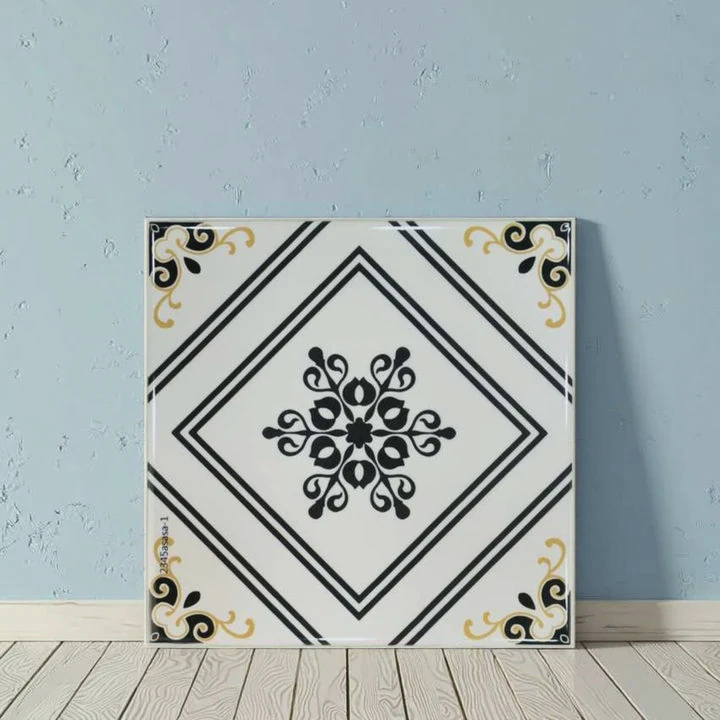
Many old tile backsplashes make kitchens and bathrooms look outdated. Full tile replacement costs time and money, so many property owners search for faster renovation options.
The best way to paint a tile backsplash is to clean and prepare the surface carefully, apply a strong bonding primer, use paint designed for tile surfaces, and follow proper sealing and curing steps for durability.
Painted tile backsplashes have become popular in residential renovations, rental property upgrades, and quick remodeling projects. Many contractors and property investors use this method because it improves appearance without removing existing tiles. Still, tile surfaces are smooth and non-porous, so proper preparation and material selection are critical for long-term performance.
What Preparation Is Needed Before Painting Tiles?
Proper tile preparation includes deep cleaning, grease removal, sanding glossy surfaces, repairing damage, and protecting surrounding areas before painting begins.
Good preparation improves paint bonding, reduces peeling risk, and creates a smoother and more durable backsplash finish.
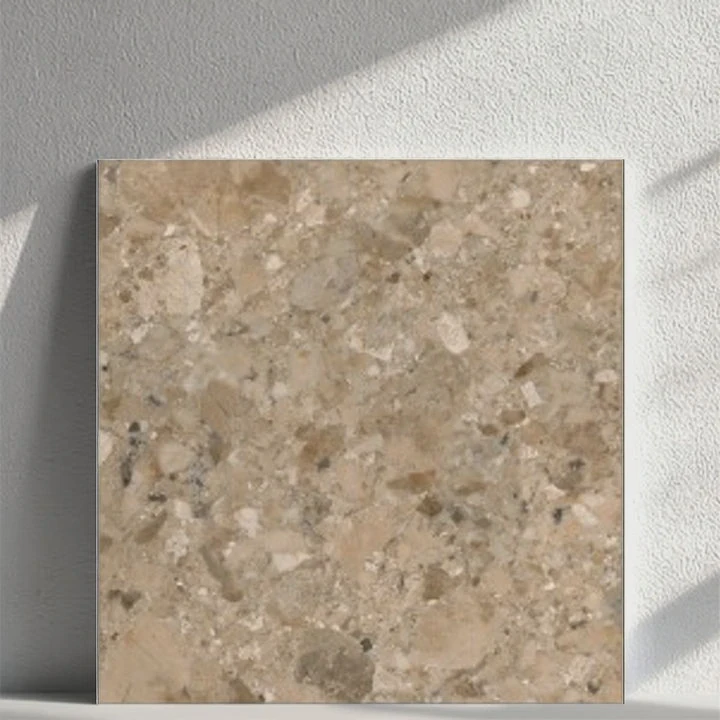
Many painted tile projects fail because preparation was rushed. Tile surfaces naturally resist moisture and stains. This same resistance also makes paint adhesion more difficult.
Cleaning Is the First Priority
Kitchen backsplashes collect:
- Oil residue
- Soap buildup
- Cooking grease
- Dust particles
Bathrooms may also collect:
- Moisture residue
- Mold
- Mineral deposits
These contaminants prevent paint from bonding properly.
Degreasers Improve Surface Cleaning
Standard soap may not remove heavy grease completely.
Professional installers often use:
- Degreasing cleaners
- TSP substitutes
- Mild alkaline cleaners
After cleaning, the surface should dry completely before the next step.
Glossy Surfaces Need Sanding
Most ceramic and porcelain tiles have glazed surfaces.
These smooth finishes reduce paint adhesion.
Light sanding helps:
- Create surface texture
- Improve primer bonding
- Reduce peeling risk
Fine-grit sandpaper usually works best because aggressive sanding may damage the tile surface.
Repair Damaged Areas First
Cracked grout or loose tiles should be repaired before painting.
Painting over damaged surfaces may lead to:
- Visible defects
- Moisture problems
- Future paint cracking
Small repairs improve final appearance greatly.
Protect Nearby Surfaces
Backsplash painting often happens in finished kitchens or bathrooms.
Protective materials help cover:
- Countertops
- Cabinets
- Faucets
- Appliances
This reduces cleanup time later.
Important Preparation Steps
| Preparation Step | Main Purpose |
|---|---|
| Deep cleaning | Remove grease and dirt |
| Sanding | Improve paint adhesion |
| Repair grout lines | Create smooth appearance |
| Tape surrounding areas | Prevent accidental paint marks |
| Dry surface fully | Improve bonding strength |
Moisture Must Be Controlled
Painting damp surfaces creates adhesion problems.
Before painting:
- Walls should be dry
- Ventilation should improve airflow
- Humidity should remain controlled
Bathrooms may require extra drying time.
Surface Testing Can Help
Some installers test paint adhesion on a small hidden section first.
This helps verify:
- Surface compatibility
- Primer performance
- Final color appearance
Testing reduces project risk.
Tile Type Affects Preparation
Different tile materials respond differently to paint preparation.
| Tile Type | Preparation Difficulty |
|---|---|
| Ceramic tile | Moderate |
| Porcelain tile | Higher |
| Natural stone | Variable |
| Glass tile | Difficult |
Highly glossy porcelain tiles often require more careful surface preparation.
How Can Primer Improve Paint Adhesion on Tiles?
Primer improves paint adhesion by creating a bonding layer between the smooth tile surface and the paint coating.
A strong bonding primer helps prevent peeling, chipping, and uneven paint coverage on tile backsplashes.
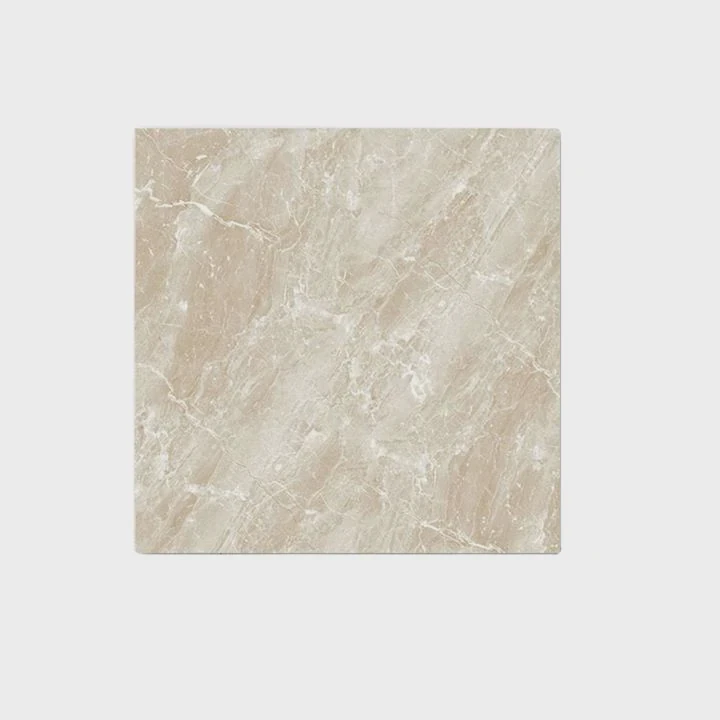
Tiles are very different from drywall or wood. Their non-porous glazed surfaces make direct paint application unreliable without proper primer.
Why Primer Is Necessary
Without primer, paint may:
- Peel quickly
- Scratch easily
- Bubble from moisture exposure
- Separate from glossy surfaces
Primer creates a stable base layer that grips the tile surface better.
Bonding Primers Work Best
Standard wall primers are often not strong enough for tile surfaces.
Professional installers usually select:
- Bonding primers
- Epoxy primers
- High-adhesion primers
These products are designed for difficult surfaces.
Primer Helps Create Uniform Color
Tiles often contain:
- Dark grout lines
- Glossy reflections
- Pattern variations
Primer helps create a more consistent surface before painting.
Common Primer Options
| Primer Type | Main Benefit |
|---|---|
| Bonding primer | Strong adhesion |
| Epoxy primer | High moisture resistance |
| Shellac primer | Stain blocking |
| Acrylic bonding primer | Easier application |
Each option performs differently depending on room conditions.
Kitchens and Bathrooms Need Moisture Resistance
Backsplashes experience:
- Steam
- Cooking heat
- Cleaning chemicals
- Water splashes
Moisture-resistant primers improve durability in these environments.
Primer Application Technique Matters
Thin and even primer coats usually work better than heavy coats.
Heavy primer buildup may create:
- Drips
- Uneven texture
- Longer curing time
Rollers and foam brushes often produce smoother finishes.
Drying Time Is Important
Many painting problems happen because primer was not fully cured.
Manufacturers usually specify:
- Minimum drying times
- Temperature requirements
- Humidity limitations
Following these guidelines improves final adhesion.
Primer Improves Paint Durability
A strong primer layer helps the final coating resist:
- Scratches
- Cleaning abrasion
- Minor impacts
- Surface wear
This becomes especially important in busy kitchens.
Professional Projects Often Use Multi-Coat Systems
Some commercial renovation projects apply:
- Surface cleaner
- Bonding primer
- Paint layer
- Protective topcoat
This system improves long-term durability.
Why Choose Specific Paints for Tile Surfaces?
Specific tile paints provide stronger adhesion, better moisture resistance, improved durability, and greater resistance to cleaning chemicals compared to ordinary wall paint.
Tile-specific paints help maintain appearance and durability in kitchens and bathrooms where moisture and cleaning are common.
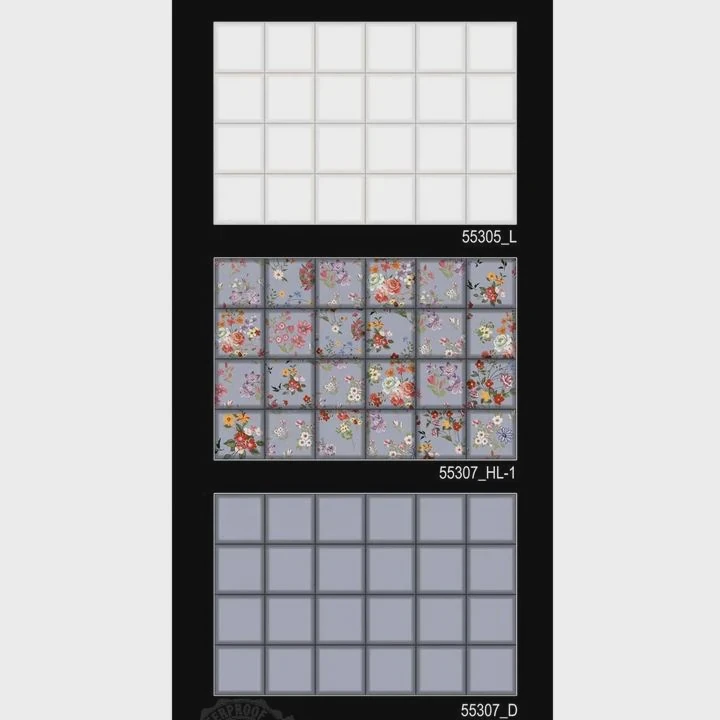
Many people try using regular wall paint on tiles. This often leads to peeling, soft surfaces, or quick wear.
Tile Surfaces Create Special Challenges
Tile backsplashes face regular exposure to:
- Water
- Oil splashes
- Steam
- Heat
- Cleaning products
Ordinary paint usually cannot handle these conditions well.
Common Paint Options for Tiles
| Paint Type | Suitability for Tile |
|---|---|
| Epoxy paint | Excellent |
| Acrylic enamel | Good |
| Latex wall paint | Poor |
| Urethane-modified paint | Very good |
| Oil-based enamel | Good |
The correct choice depends on room conditions and expected wear.
Epoxy Paint Provides Strong Durability
Epoxy coatings are highly durable because they:
- Resist moisture
- Resist chemicals
- Bond strongly
- Create hard surfaces
Still, epoxy products often require more careful application.
Acrylic Enamel Is Easier to Use
Many residential projects use acrylic enamel because it:
- Dries faster
- Produces less odor
- Cleans more easily
- Provides smoother application
This makes it popular for DIY renovations.
Gloss Level Affects Appearance
Paint finish selection changes the final visual effect.
| Finish Type | Appearance |
|---|---|
| Matte | Soft appearance |
| Satin | Balanced finish |
| Semi-gloss | Easy cleaning |
| Gloss | Strong reflection |
Semi-gloss remains a common backsplash choice because it balances durability and appearance.
Heat Resistance Matters Near Stoves
Kitchen backsplashes near cooktops face higher temperatures.
Some paints may discolor or soften under heat exposure.
Heat-resistant coatings improve performance in cooking areas.
Chemical Resistance Improves Longevity
Backsplashes are cleaned regularly.
Strong paint systems resist:
- Kitchen cleaners
- Soap residue
- Water exposure
- Mild chemicals
Weak coatings may wear quickly.
Color Selection Changes Space Perception
Light colors often make kitchens feel:
- Larger
- Cleaner
- Brighter
Dark colors create:
- Modern contrast
- Dramatic appearance
- Luxury visual effects
Many designers coordinate backsplash color with cabinets and countertops.
Professional Installers Focus on System Compatibility
Successful painted backsplash systems rely on:
- Compatible primer
- Proper paint selection
- Correct curing process
Using mismatched products increases failure risk.
Which Steps Ensure Long-Lasting Painted Backsplash?
Long-lasting painted backsplashes depend on proper surface preparation, strong primer application, quality paint selection, correct curing time, and careful maintenance after installation.
Following the full painting process carefully helps create a backsplash finish that remains attractive and durable for many years.
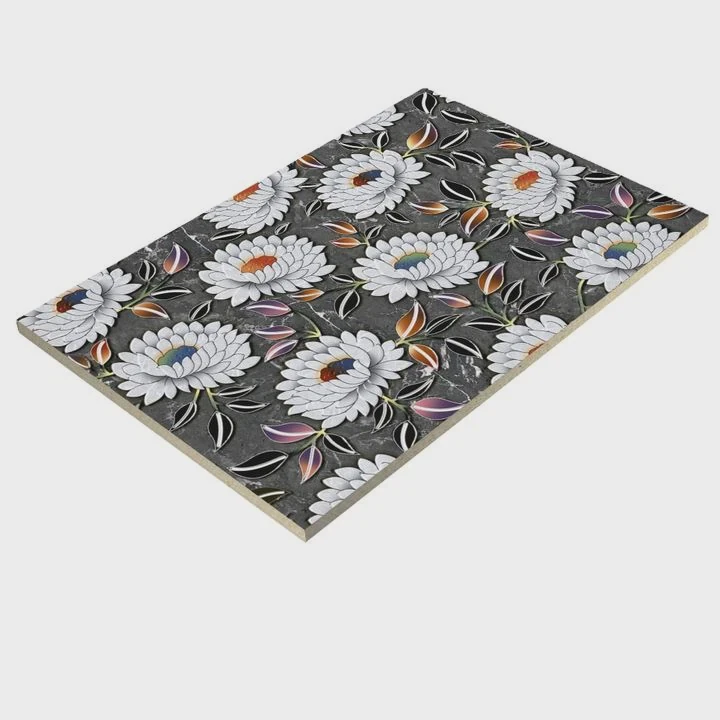
Many painted tile backsplashes look good at first but fail later because shortcuts were taken during installation.
Step 1: Prepare the Surface Properly
Surface preparation remains the most important stage.
The tile surface should be:
- Clean
- Dry
- Lightly sanded
- Free from grease
Poor preparation weakens the entire system.
Step 2: Apply Bonding Primer
A high-quality bonding primer improves:
- Adhesion
- Surface uniformity
- Durability
Most professionals recommend at least one full primer coat.
Step 3: Use Thin Paint Layers
Several thin paint coats usually perform better than one thick coat.
Thin layers reduce:
- Drips
- Uneven texture
- Slow curing
Proper drying time between coats is important.
Step 4: Allow Full Curing
Paint may feel dry before full curing finishes.
Many coatings require:
- Several days
- Low humidity
- Stable temperatures
Early cleaning or heavy use may damage uncured paint.
Step 5: Apply Protective Topcoat
Some installations benefit from clear protective sealers.
Topcoats improve:
- Scratch resistance
- Moisture protection
- Cleaning durability
This is especially useful in high-use kitchens.
Common Causes of Paint Failure
| Problem | Common Cause |
|---|---|
| Peeling paint | Weak surface preparation |
| Bubbling | Moisture trapped beneath coating |
| Scratching | Poor paint quality |
| Uneven finish | Heavy paint application |
| Staining | Missing protective topcoat |
Proper Cleaning Extends Lifespan
Harsh scrubbing may damage painted surfaces.
Gentle cleaning methods work better:
- Soft cloths
- Mild soap
- Non-abrasive cleaners
Regular maintenance preserves appearance.
Ventilation Improves Performance
Good airflow helps:
- Faster curing
- Lower moisture buildup
- Better long-term durability
Bathrooms and kitchens benefit from exhaust fans.
Professional Results Require Patience
Painting tile backsplashes is not only about color change. It also involves:
- Surface science
- Adhesion control
- Moisture management
Careful work usually creates much better long-term results.
Conclusion
Painting a tile backsplash requires careful preparation, strong bonding primer, suitable tile paint, and proper curing methods. When every step is completed correctly, painted backsplashes can provide an affordable, attractive, and durable upgrade for kitchens and bathrooms.