How to Prep a Shower for Tile?
- Sinotiles
- 2026-06-16
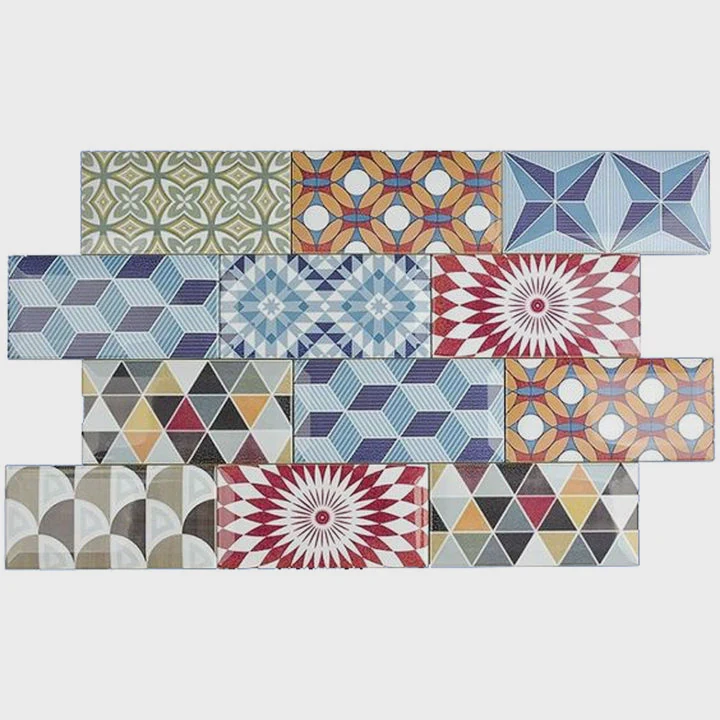
Many tile failures begin long before the first tile is installed. Poor preparation can lead to leaks, mold, cracked grout, and expensive repairs that appear months or even years later.
To prep a shower for tile, the substrate must be structurally sound, properly waterproofed, fitted with the correct backer board, and protected against moisture intrusion. Careful preparation creates the foundation for a durable and leak-free tiled shower.
Many homeowners focus on selecting beautiful tiles, while contractors and project managers often know that preparation is the most critical stage of the entire installation. A well-prepared shower protects the building structure, improves tile performance, and extends the lifespan of the finished installation.
Why Is Waterproofing Essential Before Tiling?
Water is one of the biggest threats to any bathroom installation. Without proper protection, moisture can travel behind tiles and damage walls, floors, and structural components.
Waterproofing is essential because tile and grout are not completely waterproof. A dedicated waterproofing system prevents water from reaching the underlying structure and helps protect against leaks, mold, and long-term damage.
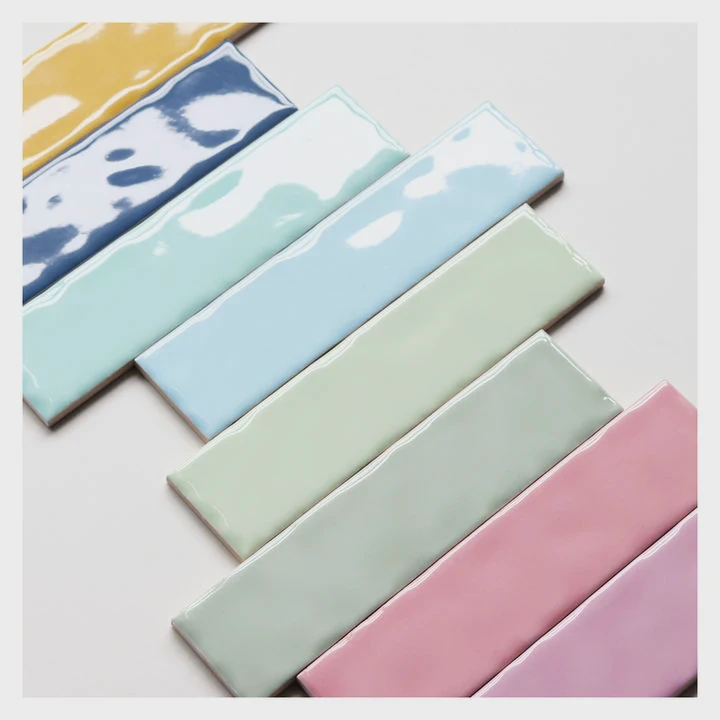
Many people mistakenly believe that tile itself stops all water penetration. In reality, moisture can pass through grout joints, tiny cracks, and other openings.
Understanding Water Movement
A tiled shower experiences constant exposure to:
- Running water
- Steam
- Humidity
- Cleaning chemicals
Over time, moisture naturally seeks pathways into the wall assembly.
Without waterproofing, water may reach:
- Wood framing
- Insulation
- Drywall
- Adjacent rooms
This can result in hidden damage that remains unnoticed for long periods.
Tile Is Not the Waterproof Layer
The tile surface provides decoration and wear resistance, but it is not the primary moisture barrier.
A complete shower system typically includes:
| Layer | Function |
|---|---|
| Tile | Decorative surface |
| Thin-set adhesive | Tile bonding |
| Waterproof membrane | Water protection |
| Backer board | Structural support |
| Framing | Building structure |
The waterproof membrane is the component that protects the structure from moisture.
Common Waterproofing Methods
Several systems are widely used in modern shower construction.
These include:
- Liquid waterproof membranes
- Sheet membranes
- Foam waterproof boards
- Integrated waterproof systems
Each method can perform well when installed correctly.
Areas Requiring Waterproofing
Every moisture-exposed area should receive protection.
Critical locations include:
- Shower walls
- Shower floors
- Niches
- Benches
- Corners
- Pipe penetrations
These areas often experience the highest risk of water intrusion.
Long-Term Cost Savings
Waterproofing adds cost during installation, but it usually reduces expenses later.
Proper waterproofing helps prevent:
- Mold remediation
- Structural repairs
- Tile replacement
- Interior water damage
The cost of repairing a failed shower is often many times higher than the cost of proper preparation.
Industry Standards Continue to Improve
Modern building practices place greater emphasis on waterproofing than in the past.
Many older bathrooms relied on methods that are now considered inadequate. Today’s professional installers often use complete waterproofing systems that provide significantly better protection.
From my experience in the tile industry, waterproofing discussions frequently arise during large hotel and residential projects. Experienced contractors rarely compromise on this step because they understand that even premium tiles cannot compensate for a failed waterproofing system.
What Backer Board Should Be Used?
Choosing the wrong substrate can compromise the entire shower installation. Even excellent waterproofing cannot fully overcome an unsuitable backing material.
Cement backer board, fiber cement board, and modern waterproof tile backer boards are among the most recommended options for shower installations because they resist moisture and provide stable support for tile.
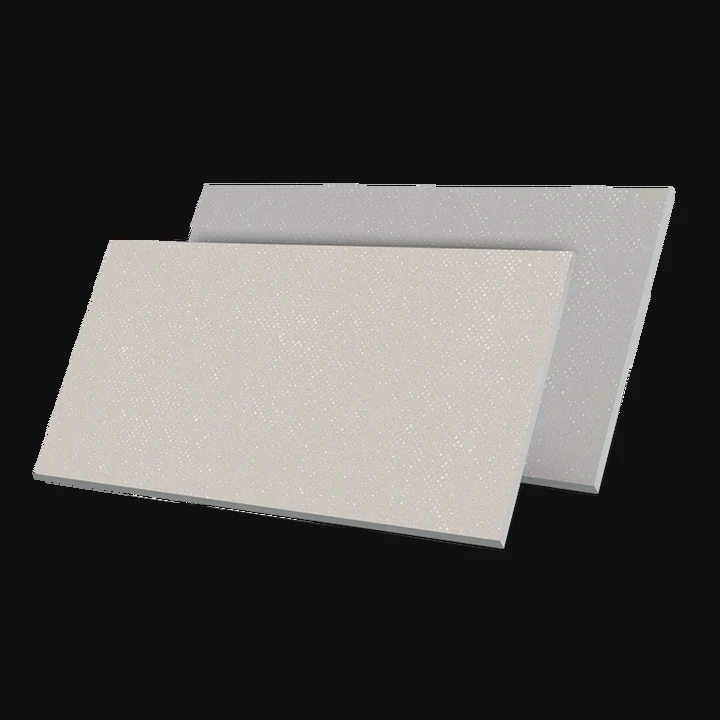
The backer board serves as the foundation for the tiled surface.
Why Standard Drywall Is Risky
Some people assume drywall is sufficient because it is commonly used throughout homes.
However, standard drywall has significant limitations in wet environments.
Potential issues include:
- Moisture absorption
- Swelling
- Mold growth
- Structural deterioration
For this reason, drywall is generally not recommended within active shower areas.
Cement Backer Board
Cement backer board remains one of the most popular options.
Key benefits include:
- Water resistance
- Dimensional stability
- Strength
- Wide availability
It has been used successfully in residential and commercial projects for many years.
Fiber Cement Board
Fiber cement boards combine cement with reinforcing fibers.
Advantages include:
- High durability
- Smooth surface
- Moisture resistance
- Good workability
Many installers appreciate the balance between strength and handling convenience.
Waterproof Foam Boards
Modern waterproof boards have gained popularity in recent years.
These products often feature:
- Lightweight construction
- Integrated waterproofing
- Easy cutting
- Faster installation
Many professional installers use these systems to reduce labor time.
Comparing Common Options
| Backer Board Type | Moisture Resistance | Weight | Installation Ease |
|---|---|---|---|
| Cement board | Excellent | Heavy | Moderate |
| Fiber cement board | Excellent | Moderate | Good |
| Foam board | Excellent | Light | Excellent |
| Standard drywall | Poor | Light | Easy |
| Moisture-resistant drywall | Limited | Light | Easy |
The best choice often depends on project requirements and budget.
Proper Installation Matters
Even the best backer board can fail if installed incorrectly.
Important considerations include:
- Fastener spacing
- Joint treatment
- Panel alignment
- Waterproof integration
Each detail contributes to overall system performance.
Supporting Large Format Tiles
Modern bathrooms increasingly use larger tile sizes such as:
- 600x1200mm
- 750x1500mm
- 900x1800mm
These formats place greater demands on wall flatness and substrate quality.
A stable backer board helps ensure proper support.
Compatibility With Waterproofing Systems
Before selecting a backer board, installers should verify compatibility with:
- Waterproof membranes
- Thin-set adhesives
- Sealants
- Tile systems
Following manufacturer recommendations helps avoid installation issues.
The backer board may remain hidden after installation, but it plays a critical role in the long-term performance of the shower. Selecting the correct product creates a solid foundation for both waterproofing and tile adhesion.
How to Install a Vapor Barrier Properly?
Moisture management involves more than stopping liquid water. Water vapor can also move through wall assemblies and create hidden problems over time.
A vapor barrier should be installed continuously behind the backer board or incorporated into the waterproofing system according to local building requirements. Proper overlap, sealing, and placement are essential for effective moisture control.
Understanding the role of vapor barriers helps prevent long-term moisture issues.
What Is a Vapor Barrier?
A vapor barrier is a material designed to slow the movement of water vapor through building assemblies.
Common materials include:
- Polyethylene sheeting
- Specialized membranes
- Vapor-retarding panels
Its purpose differs from a waterproof membrane, although both address moisture management.
Why Vapor Control Matters
Warm, humid air inside a shower can migrate into wall cavities.
This moisture may eventually cause:
- Mold growth
- Wood rot
- Insulation damage
- Indoor air quality issues
Vapor control helps reduce these risks.
Typical Installation Process
The exact method depends on the shower system being used.
A traditional installation often follows these steps:
- Install framing.
- Attach vapor barrier material.
- Overlap seams properly.
- Seal penetrations where required.
- Install backer board.
- Apply tile assembly components.
Following manufacturer instructions is critical.
Proper Overlap Requirements
One common mistake is failing to overlap vapor barrier sheets correctly.
Proper overlap helps maintain continuity.
Typical practices include:
- Vertical overlaps
- Horizontal overlaps
- Directed water shedding
This approach helps guide moisture away from vulnerable areas.
Managing Corners and Penetrations
Corners, valves, and plumbing openings require special attention.
These locations often represent the highest risk of moisture intrusion.
Areas to inspect carefully include:
- Shower valves
- Mixing controls
- Shower heads
- Pipe penetrations
- Niches
Avoiding Double Vapor Barriers
One common installation mistake is creating a moisture trap.
This can occur when:
- A vapor barrier exists behind the wall.
- A waterproof membrane is installed on the surface.
Depending on climate and system design, this arrangement may prevent proper drying.
Comparison of Moisture Protection Components
| Component | Primary Function |
|---|---|
| Vapor barrier | Controls vapor movement |
| Waterproof membrane | Blocks liquid water |
| Sealant | Protects joints and gaps |
| Grout | Surface finishing |
| Tile | Decorative covering |
Each component serves a different role.
Following Local Building Codes
Building requirements vary by region.
Factors affecting vapor control include:
- Climate zone
- Humidity levels
- Construction methods
- Regulatory standards
Installers should always verify local requirements before beginning work.
When moisture management systems are properly integrated, the shower assembly can perform reliably for many years. Small errors during this stage may remain hidden until significant damage has already occurred.
Can Improper Prep Cause Leaks Later?
Many shower failures are blamed on grout, tile, or sealant. In reality, the root cause often traces back to poor preparation before installation began.
Yes, improper shower preparation can absolutely cause leaks later. Inadequate waterproofing, incorrect backer board installation, poor vapor management, and construction errors frequently lead to moisture intrusion and structural damage.
Preparation is often the difference between a shower that lasts decades and one that fails prematurely.
Common Preparation Mistakes
Several errors repeatedly appear in failed shower investigations.
These include:
- Missing waterproof membrane
- Improper membrane overlaps
- Unsealed penetrations
- Incorrect drain integration
- Weak substrate installation
Even small mistakes can create pathways for water.
Early Warning Signs
Leaks do not always appear immediately.
Initial symptoms may include:
- Musty odors
- Discolored grout
- Loose tiles
- Damp walls
- Peeling paint nearby
These signs often indicate hidden moisture issues.
Structural Consequences
Water intrusion can affect more than the tile surface.
Potential damage includes:
| Affected Area | Possible Damage |
|---|---|
| Wood framing | Rot |
| Insulation | Reduced performance |
| Drywall | Deterioration |
| Flooring | Water damage |
| Adjacent rooms | Moisture staining |
Repair costs often increase as damage spreads.
Why Leaks Are Difficult to Diagnose
Water frequently travels away from the original entry point.
A visible stain may appear several feet from the actual problem.
This can make troubleshooting more complicated and expensive.
The Importance of System Thinking
A shower functions as a complete system.
Success depends on:
- Waterproofing
- Drainage
- Vapor control
- Substrate quality
- Proper installation
Focusing on only one component is rarely enough.
Professional Inspection Benefits
Before tiling begins, many experienced contractors inspect:
- Wall flatness
- Membrane coverage
- Drain details
- Fastener placement
- Corner treatment
These inspections help identify problems before they become hidden behind tile.
Real Cost of Preparation Errors
The financial impact of poor preparation can be substantial.
Repair projects may involve:
- Demolition
- Mold remediation
- Structural repairs
- Reinstallation
These costs often exceed the original installation budget.
Prevention Is Far Easier Than Repair
The most effective strategy is thorough preparation from the beginning.
Key priorities include:
- Reliable waterproofing
- Proper substrate selection
- Correct vapor management
- Quality workmanship
Over the years, I have seen many projects where premium tiles were installed over poorly prepared surfaces. In nearly every case, the expensive tile could not prevent failure once water reached the underlying structure. The success of a shower installation depends far more on preparation than on the tile itself.
Conclusion
Proper shower preparation creates the foundation for a durable, leak-free tile installation. Waterproofing, moisture-resistant backer boards, correctly installed vapor barriers, and careful attention to construction details all work together to protect the structure. When preparation is done correctly, the finished shower can deliver reliable performance and lasting beauty for many years.