How to Change Tile Color?
- Sinotiles
- 2026-06-17
Many homeowners become tired of outdated tile colors but hesitate to start a costly renovation. Removing and replacing tile can be expensive, messy, and time-consuming.
Tile color can be changed through painting, refinishing coatings, reglazing systems, or complete replacement. The best option depends on the tile condition, budget, durability requirements, and desired appearance.
Changing tile color is often much easier than replacing the entire installation. However, each method has advantages and limitations that should be understood before starting a project.
Can Tile Be Painted Effectively?
Many people assume tile paint is a temporary solution that quickly peels away. While poor preparation often causes failures, modern tile paints can produce surprisingly good results when applied correctly.
Yes, tile can be painted effectively if the surface is properly cleaned, sanded, primed, and coated with products specifically designed for tile applications.
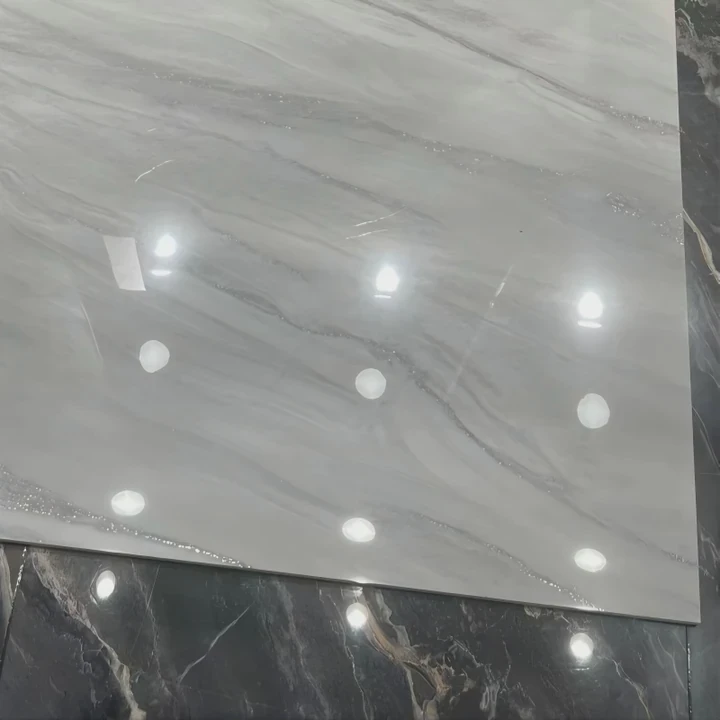
Tile presents a unique challenge because its surface is smooth, dense, and non-porous. Ordinary wall paint struggles to bond to glazed ceramic surfaces.
Why Tile Painting Sometimes Fails
Most paint failures occur because of poor preparation rather than poor paint quality.
Common mistakes include:
- Skipping cleaning
- Not removing grease
- Applying paint directly to glaze
- Using standard wall paint
- Ignoring primer requirements
When these issues occur, peeling often appears within months.
Basic Tile Painting Process
A successful tile painting project follows several steps.
| Step | Purpose |
|---|---|
| Cleaning | Remove dirt and grease |
| Sanding | Improve surface adhesion |
| Priming | Create bonding layer |
| Painting | Change tile color |
| Sealing | Improve durability |
Each stage contributes to the final result.
Best Areas for Painted Tile
Tile paint performs best in low-impact locations.
Examples include:
- Bathroom walls
- Kitchen backsplashes
- Decorative feature walls
- Laundry room walls
These areas experience relatively light wear compared to floors.
Areas Where Painting Is Less Ideal
High-traffic surfaces create greater challenges.
Examples include:
- Floor tiles
- Commercial spaces
- Entryways
- Outdoor installations
Constant abrasion can shorten the lifespan of painted finishes.
Appearance Expectations
Modern tile paints can provide:
- Matte finishes
- Satin finishes
- Semi-gloss finishes
- Gloss finishes
Many painted tiles look excellent immediately after completion.
However, painted tile remains a coating rather than a factory-fired finish. Understanding this distinction helps set realistic expectations.
Cost Advantages
Painting often costs significantly less than replacement.
Benefits include:
- Minimal demolition
- Lower labor costs
- Faster completion
- Less disruption
For homeowners seeking a color update without major renovation, painting can be a practical option when proper products and techniques are used.
What Coatings Work on Ceramic Tiles?
Not all coatings adhere equally well to ceramic tile. The wrong product may fail quickly regardless of application quality.
Epoxy coatings, tile-specific paints, urethane finishes, and professional reglazing systems are among the most effective coatings for ceramic tiles.
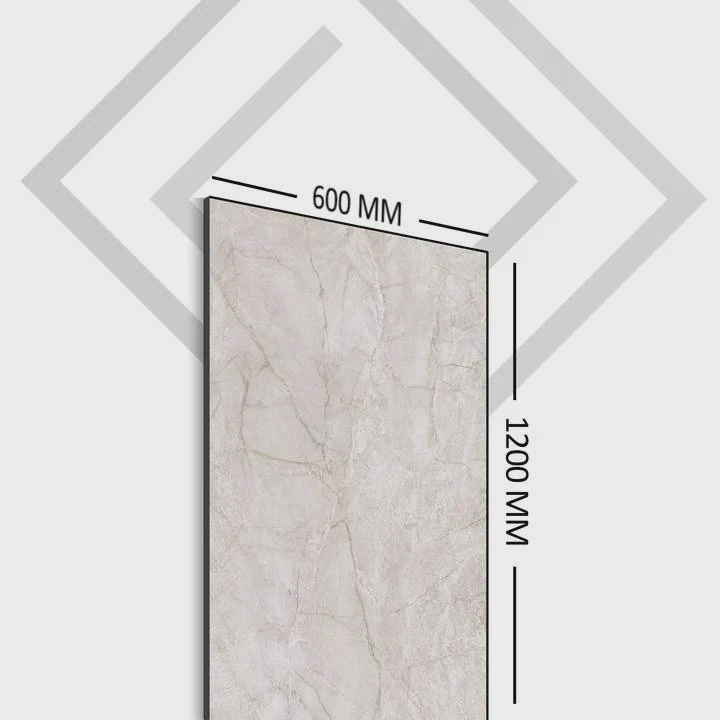
Ceramic tile surfaces are hard and non-absorbent. This characteristic requires coatings that can create strong chemical or mechanical bonds.
Common Tile Coating Options
Different coatings serve different purposes.
| Coating Type | Durability | Typical Use |
|---|---|---|
| Tile Paint | Moderate | Walls and backsplashes |
| Epoxy Coating | High | Bathrooms and wet areas |
| Urethane Coating | High | Added protection |
| Reglazing Finish | Very High | Professional refinishing |
Selecting the correct coating often determines the long-term success of the project.
Tile-Specific Paint
Tile paints are designed to adhere better than ordinary interior paints.
Advantages include:
- Easier application
- Wide color selection
- Lower cost
- DIY-friendly process
These products are popular for residential updates.
Epoxy-Based Systems
Epoxy coatings create a harder surface than many conventional paints.
Benefits include:
- Strong adhesion
- Moisture resistance
- Chemical resistance
- Improved durability
Bathrooms frequently benefit from epoxy systems because of their resistance to water exposure.
Professional Reglazing
Professional tile refinishing companies often use specialized coatings that differ from retail products.
The process may involve:
- Deep cleaning
- Surface etching
- Bonding agents
- Industrial coatings
- Protective topcoats
The final appearance often resembles a new tile surface.
Importance of Surface Preparation
Even the best coating cannot compensate for poor preparation.
Proper preparation includes:
- Removing soap residue
- Eliminating grease
- Repairing cracks
- Deglossing surfaces
Many coating failures originate during preparation rather than application.
Matching Coatings to Tile Location
Different environments require different solutions.
Recommended Coatings by Area
| Location | Recommended Coating |
|---|---|
| Bathroom Wall | Epoxy or Reglazing |
| Kitchen Backsplash | Tile Paint |
| Shower Surround | Professional Reglazing |
| Decorative Wall | Tile Paint |
Understanding the demands of the space helps determine the most suitable coating system.
The best coating is not necessarily the most expensive one. Instead, it is the product that matches the tile type, environmental conditions, and expected level of wear.
How Durable Is Tile Refinishing?
Durability is often the biggest concern when considering refinishing instead of replacement. Many people wonder whether refinished tile can truly withstand daily use.
High-quality tile refinishing can last from 5 to 15 years or more, depending on surface preparation, coating quality, installation conditions, and maintenance practices.
Refinishing durability varies significantly because different systems use different materials.
Factors That Affect Longevity
Several variables influence how long refinished tile lasts.
Key Durability Factors
| Factor | Impact on Lifespan |
|---|---|
| Surface Preparation | Very High |
| Product Quality | Very High |
| Moisture Exposure | High |
| Traffic Level | High |
| Cleaning Practices | Medium |
Preparation remains the most important factor.
Professional vs DIY Results
Professional refinishing often delivers longer service life because of:
- Industrial-grade materials
- Specialized equipment
- Advanced preparation methods
- Controlled application techniques
DIY projects can still perform well but may not achieve the same lifespan.
Areas With Excellent Durability
Refinished surfaces often perform very well in:
- Bathroom walls
- Decorative tile features
- Kitchen backsplashes
- Laundry room walls
These locations experience limited physical wear.
Areas With Greater Wear
More demanding environments include:
- Floors
- Shower pans
- Commercial spaces
- Outdoor applications
These surfaces face continuous abrasion and moisture exposure.
Maintenance Influences Lifespan
Proper maintenance helps protect refinished surfaces.
Recommended practices include:
- Soft cleaning cloths
- Non-abrasive cleaners
- Prompt stain removal
- Avoiding harsh scrubbing
Aggressive cleaning products can shorten coating life.
Realistic Expectations
Refinished tile can look excellent for many years.
However, refinishing differs from factory-manufactured tile glazing.
Factory glazing is fired at extremely high temperatures during production. Refinishing creates a durable surface coating but cannot completely replicate the original manufacturing process.
Even so, many homeowners find the lifespan more than acceptable considering the lower cost compared to full replacement.
When applied correctly and maintained properly, tile refinishing offers a practical balance between affordability, appearance, and durability.
Is Replacing Tile Better Than Painting?
This question often determines the direction of an entire renovation project. Both options can improve appearance, but each serves different goals.
Replacing tile is generally the most durable long-term solution, while painting offers a faster and more affordable way to change tile color without major demolition.
The right choice depends on budget, project scope, and expected service life.
Advantages of Painting
Painting offers several immediate benefits.
Benefits of Tile Painting
| Benefit | Description |
|---|---|
| Lower Cost | Minimal material expense |
| Faster Completion | Often completed in days |
| Less Mess | No demolition required |
| Easier DIY Option | Suitable for many homeowners |
For cosmetic updates, painting often provides substantial visual improvement at a fraction of replacement costs.
Advantages of Replacement
Replacement offers benefits that coatings cannot fully match.
These include:
- Factory-finished surfaces
- Long-term durability
- Design flexibility
- New grout installation
- Opportunity to update layouts
A new tile installation effectively resets the lifespan of the surface.
When Painting Makes Sense
Painting is often a good choice when:
- Tile remains structurally sound.
- Budget is limited.
- Color is the primary concern.
- Renovation time is restricted.
Many homeowners choose painting as a transitional solution before future remodeling.
When Replacement Makes More Sense
Replacement becomes attractive when:
- Tiles are cracked.
- Water damage exists.
- Layout changes are desired.
- Long-term durability is critical.
In these situations, painting only addresses appearance rather than underlying issues.
Cost Comparison
The difference in cost can be significant.
| Option | Relative Cost |
|---|---|
| Painting | Low |
| Refinishing | Medium |
| Replacement | High |
Labor often represents the largest expense during replacement projects.
Evaluating Long-Term Value
The lowest-cost option is not always the best value.
A homeowner planning to stay in a property for many years may prefer replacement.
Someone seeking a quick update before selling a home may find painting more practical.
The decision should consider:
- Budget
- Timeline
- Durability expectations
- Existing tile condition
Both solutions have legitimate advantages. The best choice depends on the goals of the project rather than a universal rule.
Conclusion
Changing tile color can be achieved through painting, refinishing, reglazing, or complete replacement. Painting offers an affordable and fast transformation, while replacement provides maximum durability and design flexibility. The ideal solution depends on the tile condition, budget, expected lifespan, and overall renovation goals.