How to Put Tile in Shower?
- Sinotiles
- 2026-04-23
Starting a shower tiling project can feel overwhelming. Many face leaks, uneven tiles, or wasted materials without proper guidance.
To tile a shower correctly, preparation, waterproofing, material choice, and proper grouting are essential for a long-lasting, beautiful result. Following clear steps ensures success.
Understanding these basics can save time and money, keeping your shower functional and stylish. Let’s break down each stage so you can avoid common mistakes.
What preparation is needed before shower tiling?
Preparation mistakes lead to crooked tiles and water damage. Many DIYers underestimate the importance of a solid base.
Before tiling, walls and floors must be clean, dry, and level. Proper backing boards, measurements, and layout planning make tiling easier and last longer.
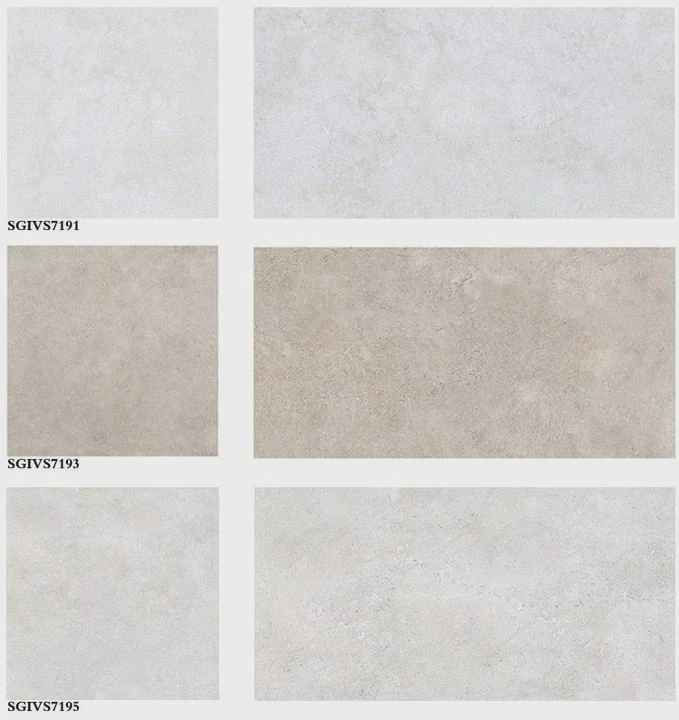
Preparation sets the foundation for durable tile work. First, remove old materials like drywall, paint, or wallpaper in the shower area. Ensure studs are solid and free of rot. Replace any damaged wood. Next, install cement backer boards rather than drywall, as they resist water and mold. Use corrosion-resistant screws and tape joints to avoid weak points. Check the floor slope; it should direct water to the drain. Measure carefully and plan your tile layout to minimize small cuts and awkward shapes. Dry-fit tiles if possible to visualize placement and spacing. Using a level helps avoid uneven lines, and marking guidelines can keep rows straight. Pre-cut tiles for corners and edges. This planning reduces mistakes during installation. Missing steps here can lead to expensive repairs later.
Tools and Supplies Needed
| Item | Purpose |
|---|---|
| Tape measure | Accurate tile placement |
| Level | Keep tiles straight |
| Chalk line | Mark guidelines |
| Notched trowel | Spread thinset evenly |
| Tile spacers | Ensure uniform gaps |
| Wet saw | Cut tiles precisely |
Common Prep Mistakes
- Ignoring wall rot or water damage
- Using drywall instead of cement board
- Not leveling floor slope
- Skipping dry-fit layout
By taking time on preparation, the tiling process becomes smoother, and finished results last longer.
How do you waterproof shower surfaces properly?
Waterproofing prevents leaks that cause structural damage. Many showers fail here due to skipped steps.
Applying a waterproof membrane to walls and floors is key. Every corner, seam, and joint must be sealed before tiling.
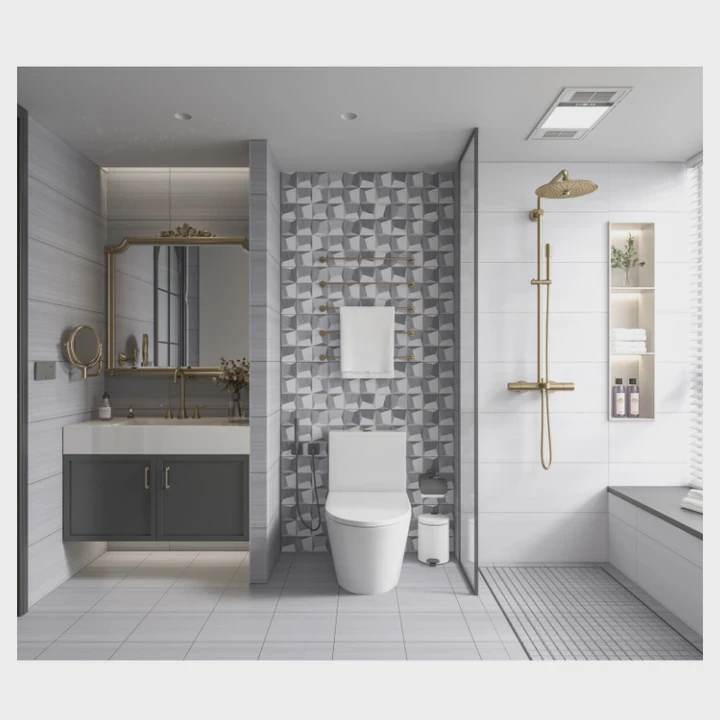
Waterproofing is more than just painting a layer. Start with the floor pan. Apply a liquid or sheet membrane across the base and up the walls at least 6–8 inches. Corners are critical; use pre-formed corner pieces or extra membrane layers. Seams between sheets or around pipes must be taped and coated with membrane. Extend the waterproof layer behind the tiles for full coverage. Inspect for bubbles or gaps. Allow the membrane to cure according to the manufacturer instructions. Some membranes require primer or multiple coats. Do not rush this step; even small leaks can ruin your project.
Waterproofing Materials
| Material | Features |
|---|---|
| Liquid-applied membrane | Flexible, easy to brush on |
| Sheet membrane | Durable, uniform thickness |
| Pre-formed corners | Reinforce high-risk areas |
| Silicone sealant | Seal edges and penetrations |
Tips for Effective Waterproofing
- Cover all joints and corners thoroughly
- Apply multiple coats if required
- Inspect for pinholes or missed spots
- Allow full curing time before tiling
Proper waterproofing is critical to protect walls, floors, and adjacent rooms from water damage.
Which materials ensure long term durability?
Tile quality and adhesives determine how long your shower stays intact. Many DIY projects fail with cheap materials.
Choose dense tiles, high-quality thinset, and corrosion-resistant accessories to maintain strength and avoid water damage over time.
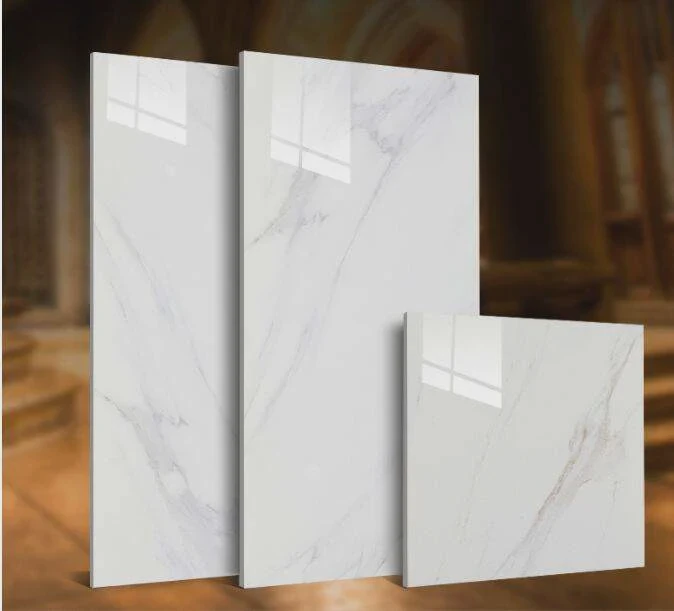
Selecting durable materials improves longevity. Porcelain tiles are denser and less porous than ceramic, resisting stains and cracking. Large format tiles reduce grout lines, which lowers water penetration points. For adhesives, use a polymer-modified thinset; it sticks better to cement board and tiles and handles moisture. Metal components like screws, anchors, and corner trims should be stainless steel or coated to resist rust. When planning the grout, pick an epoxy or high-quality cement grout to reduce staining and cracking. Check the water absorption rating; lower is better for wet areas. Some tiles are rated specifically for wet walls or floors. Combining these materials ensures your shower stays intact for years, even under heavy use.
Recommended Materials
| Component | Recommended Type |
|---|---|
| Wall tiles | Porcelain or high-density ceramic |
| Floor tiles | Textured porcelain for slip resistance |
| Adhesive | Polymer-modified thinset |
| Grout | Epoxy or premium cement grout |
| Anchors & screws | Stainless steel |
Material Selection Tips
- Match tile type to wet use
- Choose slip-resistant floors
- Avoid low-density or soft tiles
- Use high-quality adhesives for better bonding
Using the right materials reduces maintenance and prevents common failures like tile lifting or grout cracking.
When should grout and sealant be applied?
Incorrect timing leads to weak grout or water leaks. Rushing this step can ruin months of work.
Grout should be applied after tiles have set, and sealant should follow grout curing. This sequence ensures proper adhesion and waterproofing.
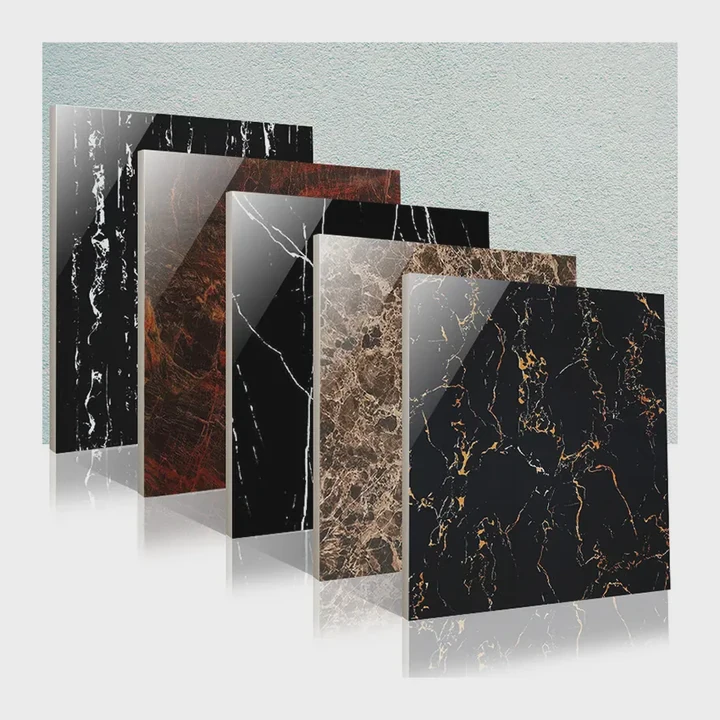
Wait at least 24–48 hours for the thinset to cure before grouting. Mix grout to the right consistency and fill spaces evenly. Remove excess immediately to avoid haze. After grout cures, usually 24 hours, apply a grout sealant to prevent water absorption and stains. Silicone caulk should be applied in corners, edges, and where tiles meet the shower pan or tub. Avoid sealing over un-cured grout; this can trap moisture and cause failure. Regularly wipe and smooth grout lines to prevent gaps. Choosing the right sealant type for your tile and grout is essential. Some tiles require penetrating sealers, while others need surface sealers. Follow manufacturer recommendations carefully.
Grouting and Sealing Steps
- Allow thinset to cure
- Mix and apply grout evenly
- Clean excess grout
- Let grout cure fully
- Apply grout sealer
- Seal edges and corners with silicone
Common Mistakes
- Grouting too soon after tiling
- Using wrong type of sealant
- Skipping corner silicone
- Not cleaning grout lines properly
Correct timing ensures a durable, water-tight shower with minimal maintenance.
Conclusion
Proper preparation, waterproofing, quality materials, and correct grouting make shower tiling successful. Following each step ensures durability, beauty, and peace of mind for years.