How to Repair Pool Tile?
- Sinotiles
- 2026-04-23
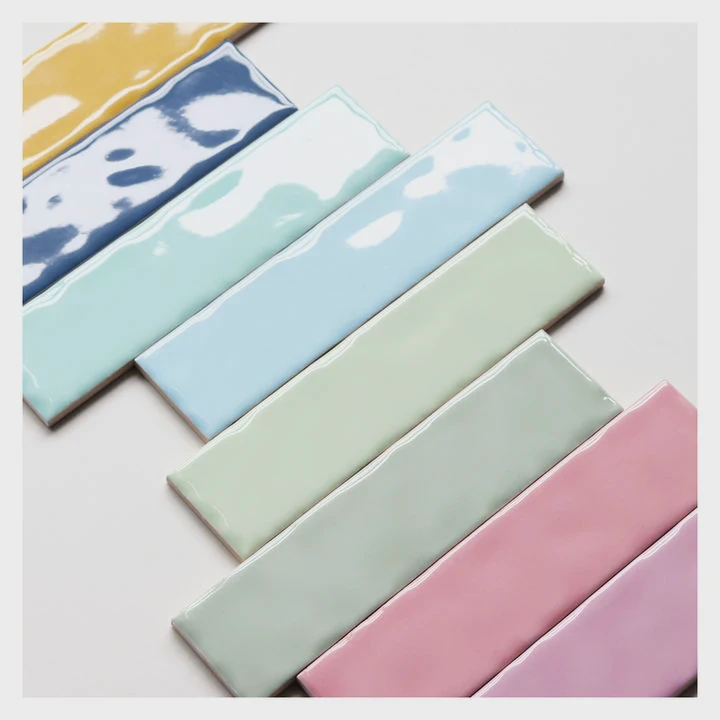
Pools are meant to be relaxing, but cracked or loose tiles can ruin the experience fast. Damage is not just ugly—it can be unsafe.
Repairing pool tiles is possible with the right tools and knowledge. Knowing what causes damage, how to replace tiles, and the best materials helps keep pools safe and beautiful.
Before we jump into repair steps, understanding why tiles get damaged is key. This helps prevent future problems and makes repairs more effective.
What causes pool tiles to become damaged?
Cracked or loose pool tiles are not random. Pressure, water chemistry, and environmental conditions all play a role.
Tiles can crack or pop off due to poor installation, harsh chemicals, and natural wear over time. Understanding the root cause helps fix the problem properly.

Common reasons for tile damage
Pool tiles face constant stress. Water, sun, and temperature changes create conditions that can weaken adhesion or grout. Poor installation or low-quality tiles can also be a major factor. Heavy impacts, like dropping tools or furniture, often cause immediate cracks.
Chemical imbalances
Pool water chemistry is critical. High chlorine levels, incorrect pH, or excessive calcium can erode grout or tiles. Over time, chemical damage can weaken both adhesive and tiles, making them more prone to breaking.
Structural movement
Pools shift slightly due to soil movement or temperature changes. Even small movements can crack tiles if there is no flexible adhesive or proper spacing. Older pools without expansion joints are more vulnerable.
Maintenance issues
Ignoring small cracks or loose tiles can make problems worse. Water seeps behind tiles, eroding the adhesive and grout. Regular inspection prevents larger repairs later.
Summary table of causes
| Cause | Effect on Pool Tile |
|---|---|
| Poor installation | Loose or uneven tiles |
| Chemical imbalance | Discoloration and grout erosion |
| Structural movement | Cracks and tile popping |
| Physical impact | Chips or shattered tiles |
| Neglect | Water damage behind tiles |
Knowing the causes helps target the right repair strategy and avoid repeating the same mistakes.
How do you replace broken pool tiles safely?
Replacing broken tiles requires preparation, proper tools, and careful handling. Safety matters to avoid injury and prevent further damage.
Removing and installing new tiles properly ensures the pool stays safe, attractive, and leak-free.
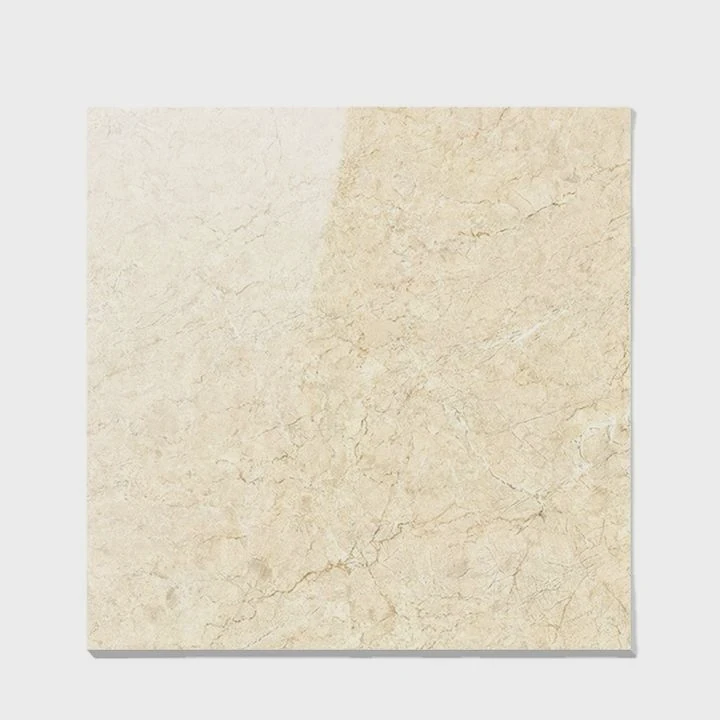
Step-by-step safe replacement
- Drain or lower water: Work in a dry area to reduce slipping risk.
- Remove grout: Use a grout saw or rotary tool carefully to avoid damaging adjacent tiles.
- Take out broken tile: Gently tap and lift fragments with a chisel and hammer.
- Clean the surface: Remove old adhesive and debris. The area should be smooth and dry.
- Apply new adhesive: Use a waterproof, pool-safe adhesive. Follow the manufacturer’s instructions.
- Place the new tile: Press firmly, ensuring it aligns with surrounding tiles.
- Re-grout: Fill gaps with pool-grade grout. Smooth and clean excess.
- Cure and refill: Allow adhesive and grout to cure fully before refilling the pool.
Safety precautions
- Wear gloves and safety glasses to prevent cuts.
- Avoid inhaling dust from old grout or tile.
- Use tools slowly and carefully, especially near the pool edge.
Example replacement tools table
| Tool | Purpose |
|---|---|
| Grout saw | Remove old grout |
| Chisel & hammer | Remove broken tiles |
| Waterproof adhesive | Secure new tiles |
| Rubber float | Apply grout |
| Sponge | Clean excess grout |
Following these steps reduces the risk of mistakes and ensures a smooth, professional finish.
Which adhesives are best for pool tile repair?
Not all adhesives work underwater or withstand pool chemicals. Choosing the right one is key to long-lasting repairs.
Epoxy-based and polyurethane adhesives are ideal because they bond well, resist water, and tolerate chemical exposure.
Comparison of adhesive types
There are several options. Ordinary tile glue fails in wet conditions. Cement-based adhesives work if the pool is drained. Epoxy adhesives offer strong, waterproof bonds and chemical resistance.
| Adhesive Type | Pros | Cons |
|---|---|---|
| Epoxy | Waterproof, chemical resistant, strong bond | More expensive, harder to apply |
| Polyurethane | Flexible, durable, bonds wet surfaces | Limited working time |
| Cement-based | Easy to use, inexpensive | Requires dry surface, slower cure |
| Premixed tile glue | Convenient | Less durable in pools |
Choosing the right adhesive
- For underwater repairs: use epoxy or polyurethane.
- For dry or drained areas: cement-based adhesives work well.
- Always check manufacturer instructions and pool compatibility.
- Small cracks can sometimes be repaired with grout, but loose or missing tiles require adhesive.
Correct adhesive ensures tiles stay secure for years, reducing the need for repeated repairs.
When should grout be reapplied after repairs?
Grout seals tiles and prevents water from seeping behind them. Timing and method are important to maintain pool integrity.
Re-grouting should be done after tile adhesive fully cures to avoid shifting and ensure a tight, waterproof seal.
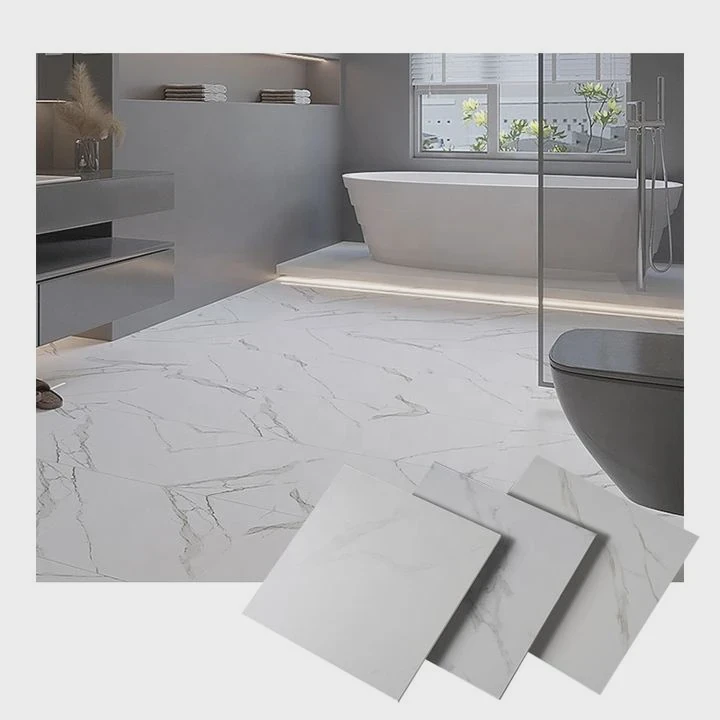
Timing and method
Most adhesives need 24–48 hours to cure before grouting. Rushing the process can lead to uneven surfaces or loose tiles. Choose pool-grade, waterproof grout.
Step-by-step re-grouting
- Mix grout according to instructions.
- Use a rubber float to press grout into gaps.
- Remove excess grout with a damp sponge.
- Let grout cure for 24–72 hours depending on product.
- Inspect for cracks and smooth edges.
Tips for durability
- Avoid grouting when humidity is very high.
- Use a small bead of silicone around edges for extra waterproofing in high-stress areas.
- Maintain regular inspection of grout lines to catch early wear.
Grout maintenance table
| Task | Recommended Frequency |
|---|---|
| Inspect grout lines | Every 3–6 months |
| Clean grout | Monthly |
| Reapply grout | Every 3–5 years or after tile repair |
Proper re-grouting protects the pool from leaks, maintains aesthetics, and extends the life of repaired tiles.
Conclusion
Repairing pool tiles requires knowing why damage occurs, using the right adhesives, replacing tiles carefully, and properly re-grouting. Following these steps keeps pools safe, durable, and visually appealing.