How to Tile Bathroom Walls?
- Sinotiles
- 2026-07-01
Many bathroom tile projects fail before the first tile goes on the wall. Poor planning often leads to uneven lines, loose tiles, and costly repairs.
To tile bathroom walls successfully, proper wall preparation, accurate layout planning, the right adhesive selection, and careful tile alignment are essential. Following a step-by-step process helps create a durable and professional-looking finish.
Many people focus only on choosing beautiful tiles. The real success comes from the work done before and during installation. Understanding each stage makes the project easier and helps avoid common mistakes.
What Preparation Is Needed Before Tiling Walls?
Many bathroom wall problems start long before the first tile is installed. A wall may appear smooth and clean, yet hidden issues can affect the final result and shorten the life of the installation.
Before tiling bathroom walls, the surface should be cleaned, repaired, leveled, measured, and protected against moisture. Proper preparation creates a strong foundation for a long-lasting tile installation.
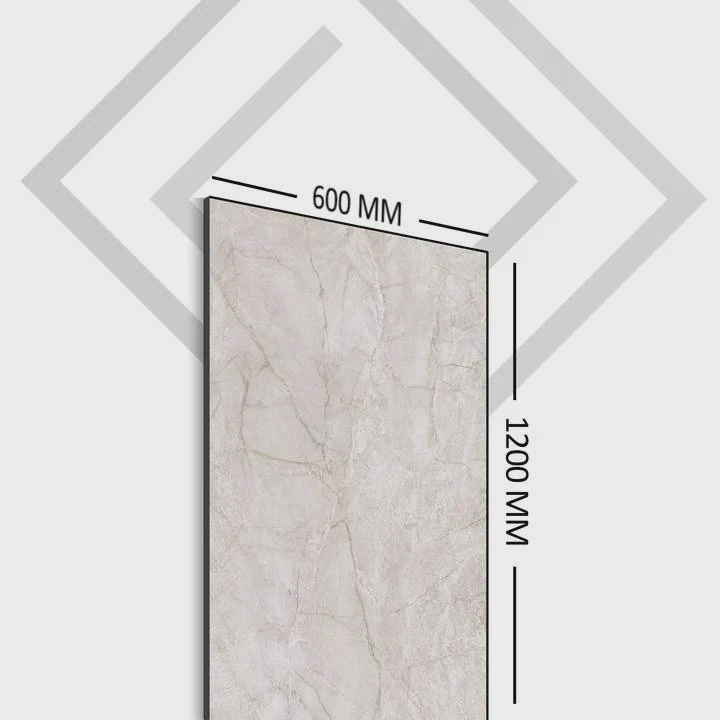
A successful bathroom tiling project begins with preparation. During many renovation projects, the difference between a professional finish and a poor result often comes down to how much attention was given to the wall before any adhesive was applied.
Inspect the Wall Surface
The first task is to inspect the wall carefully. Every section should be solid, dry, and free from damage.
Common issues include:
- Cracks
- Loose plaster
- Mold growth
- Water damage
- Uneven surfaces
Any damaged area should be repaired before moving forward. Tiles cannot solve wall problems. In many cases, they simply hide them temporarily.
Clean the Surface Thoroughly
Dust, grease, soap residue, and paint can reduce adhesive performance.
The wall should be:
- Dry
- Dust-free
- Clean
- Structurally sound
Even a small amount of contamination may weaken the bond between the adhesive and the wall.
Measure the Space Carefully
Accurate measurements help estimate tile quantities and reduce waste.
Before purchasing materials, it is useful to calculate:
| Item | Purpose |
|---|---|
| Wall area | Determine tile quantity |
| Tile size | Plan layout |
| Cut positions | Reduce waste |
| Grout joint width | Improve appearance |
A detailed plan often saves both time and money during installation.
Install Suitable Backer Boards
Bathrooms experience regular moisture exposure. Standard drywall may not provide sufficient protection in wet areas.
Many installers choose:
- Cement board
- Tile backer board
- Waterproof construction panels
These materials provide a stable surface and improve long-term durability.
Mark Reference Lines
Reference lines help maintain straight tile rows.
A laser level or spirit level can be used to create:
- Horizontal guide lines
- Vertical center lines
- Tile positioning marks
These guides reduce alignment errors and help maintain consistency throughout the project.
Apply Waterproofing
Shower walls and wet zones require additional protection.
Common waterproofing solutions include:
- Liquid waterproof membranes
- Waterproof sheet membranes
- Sealing tapes for corners and joints
Why Preparation Matters
Many homeowners become excited about tile selection and design. Yet preparation often determines the final quality of the installation.
A properly prepared wall provides:
- Better adhesive bonding
- Improved durability
- Easier installation
- Reduced maintenance
Good preparation may not be visible after the project is complete, but it remains one of the most important parts of bathroom wall tiling.
How Do You Align Tiles Evenly on Bathroom Walls?
Even high-quality tiles can look unattractive when alignment is poor. Crooked grout lines and uneven spacing quickly draw attention and affect the overall appearance of the bathroom.
Tiles can be aligned evenly by creating accurate reference lines, using tile spacers, checking levels regularly, and following a carefully planned layout throughout the installation process.
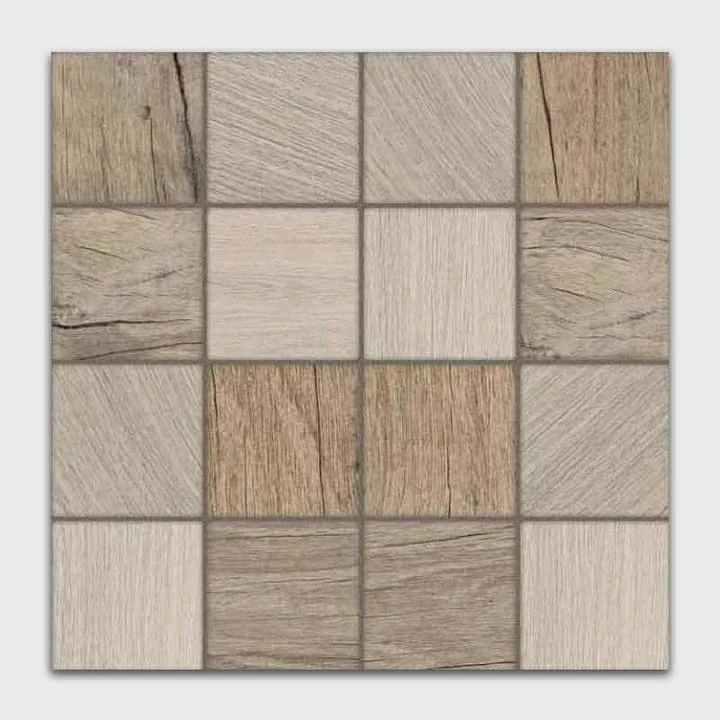
Tile alignment requires patience more than speed. Small mistakes in the first row often become larger problems as the installation progresses upward.
Begin with a Layout Plan
Before applying adhesive, it is important to determine the tile layout.
Several factors influence the layout:
- Wall dimensions
- Tile size
- Grout joint width
- Position of fixtures
Starting from the center of the wall often creates a balanced appearance and helps avoid very small tile cuts near edges.
Use a Level Starting Point
Bathroom floors are not always perfectly level. Installing tiles directly from the floor can create uneven rows.
Many installers use a temporary support batten to establish a perfectly level starting point.
Benefits include:
- Straighter tile rows
- Better visual balance
- Reduced tile movement during installation
The bottom row can be completed later after the main wall area is finished.
Tile Spacers Create Consistency
Tile spacers help maintain equal grout joints across the entire wall.
Common spacer sizes include:
| Spacer Size | Typical Use |
|---|---|
| 1.5 mm | Small ceramic wall tiles |
| 2 mm | Standard wall applications |
| 3 mm | Large format tiles |
| 5 mm | Rustic or decorative styles |
Consistent spacing improves both appearance and grout performance.
Check Alignment Frequently
Checking alignment after every few rows helps prevent problems from spreading across the wall.
Useful tools include:
- Spirit level
- Laser level
- Straight edge
- Measuring tape
Frequent checking allows small adjustments before the adhesive begins to harden.
Manage Corners Carefully
Corners often reveal installation mistakes more clearly than flat surfaces.
When approaching corners:
- Measure each row carefully
- Maintain grout line consistency
- Balance tile cuts
- Keep patterns aligned
A well-finished corner contributes significantly to the overall appearance of the project.
Consider Large Format Tiles
Large format tiles have become increasingly popular in modern bathroom design.
Advantages include:
- Fewer grout lines
- Modern appearance
- Easier cleaning
However, they require:
- Flatter walls
- Stronger adhesive support
- More accurate leveling
Tile leveling systems are often useful when working with larger formats.
Maintain a Consistent Pace
Many alignment problems occur when installers rush.
A careful approach allows time to:
- Verify measurements
- Adjust spacing
- Check levels
- Correct minor issues
The best-looking bathroom walls are usually the result of consistent attention to detail rather than fast installation speed.
Which Adhesives Work Best for Wall Tiles?
A beautiful tile installation depends heavily on the adhesive hidden behind the tiles. Choosing the wrong adhesive can lead to loose tiles, cracking, and expensive repairs.
Polymer-modified thin-set adhesives are generally considered the best choice for most bathroom wall tile installations because they provide strong bonding, flexibility, and moisture resistance.
Adhesive selection should never be treated as a minor decision. Different tile types and wall conditions require different solutions.
Understanding Common Adhesive Types
Several adhesive options are available for bathroom wall installations.
The most common choices include:
- Ready-mixed adhesive
- Cement-based thin-set
- Polymer-modified thin-set
- Epoxy adhesive
Each product serves a different purpose.
Ready-Mixed Adhesive
Ready-mixed adhesive is popular among beginners because it is simple to use.
Advantages include:
- No mixing required
- Easy application
- Convenient for small projects
However, it may not be suitable for areas with constant water exposure.
Cement-Based Thin-Set
Traditional thin-set remains a popular option for many installations.
Benefits include:
- Good bonding strength
- Affordable cost
- Wide availability
Many ceramic tile projects use this type of adhesive successfully.
Polymer-Modified Thin-Set
This option is widely regarded as one of the most reliable choices for bathroom walls.
Key benefits include:
- Strong bond strength
- Better flexibility
- Water resistance
- Compatibility with porcelain tiles
Many professional installers prefer this adhesive for both residential and commercial projects.
Epoxy Adhesives
Epoxy adhesives provide exceptional performance.
They offer:
- High chemical resistance
- Strong bonding capability
- Excellent durability
However, they are often more expensive and require greater installation experience.
Factors That Affect Adhesive Selection
Several conditions should be considered before selecting an adhesive.
Tile Material
Different materials have different bonding requirements.
Examples include:
- Ceramic tiles
- Porcelain tiles
- Glass tiles
- Natural stone tiles
Porcelain tiles, for example, often require stronger adhesives because of their low water absorption rate.
Wall Substrate
The wall material also affects adhesive performance.
Common substrates include:
- Cement board
- Concrete
- Waterproof panels
- Plaster
The adhesive must be compatible with both the tile and the wall surface.
Moisture Conditions
Bathrooms contain varying levels of moisture.
Areas such as:
- Shower walls
- Steam rooms
- Wet rooms
typically require higher-performance adhesive systems.
Proper Adhesive Application
Even the best adhesive can fail if applied incorrectly.
Important practices include:
- Following manufacturer instructions
- Using the correct trowel size
- Achieving full adhesive coverage
- Avoiding dried adhesive skin
Proper installation techniques help maximize adhesive performance and improve long-term durability.
Can Beginners Tile Bathroom Walls Successfully?
Many homeowners believe bathroom wall tiling requires years of professional experience. While expertise certainly helps, beginners can often achieve excellent results with proper planning and patience.
Beginners can successfully tile bathroom walls by following a structured process, using suitable tools, practicing basic techniques, and focusing on accuracy rather than speed.
The first tiling project may feel intimidating. Yet many successful installations are completed by people with little previous experience.
Start with a Small Project
A smaller area provides a safer learning environment.
Good beginner projects include:
- Bathroom backsplashes
- Feature walls
- Guest bathrooms
These projects help build confidence before tackling larger installations.
Gather Essential Tools
The right tools make the process easier and more accurate.
Basic equipment includes:
- Tile cutter
- Measuring tape
- Spirit level
- Notched trowel
- Tile spacers
- Grout float
Working with proper tools reduces frustration and improves results.
Follow a Clear Installation Process
A simple workflow helps prevent mistakes.
Typical steps include:
- Prepare the wall
- Plan the layout
- Mark reference lines
- Apply adhesive
- Install tiles
- Allow curing time
- Apply grout
- Clean the surface
Following each step carefully creates a smoother installation experience.
Practice Tile Cutting
Tile cutting often causes the greatest concern for beginners.
Practicing on spare tiles allows installers to learn:
- Straight cuts
- Corner cuts
- Outlet openings
- Pipe penetrations
A few practice attempts usually improve confidence significantly.
Learn from Common Mistakes
Most beginners encounter minor challenges.
Common examples include:
- Uneven spacing
- Excess adhesive
- Crooked rows
- Grout cleanup issues
These mistakes are normal and often easy to correct when identified early.
Focus on Consistency
Many new installers worry too much about working quickly.
A better approach is to focus on:
- Straight lines
- Accurate measurements
- Clean grout joints
- Regular alignment checks
Consistency usually produces better results than speed.
Know When Professional Help Is Needed
Certain situations may require additional expertise.
Examples include:
- Large luxury bathrooms
- Complex waterproofing systems
- Large format slab installations
- Natural stone applications
Seeking professional guidance in these situations can reduce risks and improve outcomes.
Confidence Comes Through Practice
Every experienced installer was once a beginner. The first few rows may feel challenging. The process becomes easier with each tile installed.
Preparation, patience, and attention to detail often matter far more than previous experience. With a structured approach and realistic expectations, many beginners can complete bathroom wall tiling projects successfully and achieve results they are proud of.
Conclusion
Bathroom wall tiling becomes much easier when proper preparation, accurate alignment, suitable adhesive selection, and careful installation techniques are combined. A patient and methodical approach helps create durable, attractive walls and allows even beginners to achieve professional-looking results.