How to Tile on Concrete?
- Sinotiles
- 2026-05-08
Many tile projects fail because the concrete surface was not prepared well. Loose tiles, cracks, and hollow sounds often start from small mistakes during the first steps.
Tiling on concrete requires proper cleaning, leveling, moisture checking, correct mortar selection, and careful sealing after installation. A strong concrete base helps tiles last longer and prevents future repair problems.
Concrete looks simple, but every slab behaves differently. Some floors hold moisture. Some have cracks. Some are uneven after years of use. Good tile installation depends on understanding these conditions before laying the first tile. The right process improves durability, reduces maintenance, and creates a better final finish for both residential and commercial projects.
What Preparation Is Required for Concrete Surfaces?
Poor surface preparation causes many tile failures. Dust, moisture, oil, and uneven concrete can weaken the bond between tile and substrate. Even high-quality tiles cannot perform well on a weak base.
Concrete surfaces should be cleaned, repaired, leveled, and fully cured before tile installation. Moisture testing and crack inspection are also important to prevent long-term tile damage.
Concrete preparation often decides whether a tile project lasts for years or starts failing within months. Many contractors focus only on tile design and forget the substrate condition. That mistake creates expensive repairs later.
Check Concrete Curing Time
Fresh concrete needs enough curing time before tile installation. Most slabs require at least 28 days of curing. If moisture remains trapped inside the slab, tile adhesive may fail later.
Here is a simple guideline:
| Concrete Condition | Recommended Action |
|---|---|
| Newly poured slab | Wait minimum 28 days |
| Old concrete floor | Inspect for cracks and moisture |
| Painted concrete | Remove coating completely |
| Oily concrete | Degrease and clean deeply |
A fully cured slab gives better stability and reduces shrinkage movement.
Clean the Surface Properly
Concrete absorbs dirt, grease, and chemicals over time. Adhesive cannot bond well to contaminated surfaces.
Good preparation normally includes:
- Sweeping dust and debris
- Grinding weak surface layers
- Removing paint or glue residue
- Washing oil stains
- Vacuuming loose particles
Mechanical grinding often works better than simple cleaning. It opens the concrete pores and improves mortar bonding strength.
Repair Cracks and Holes
Small cracks can become large tile problems later. Movement under the tile layer may cause grout cracking or tile lifting.
Different cracks need different solutions:
Hairline Cracks
These are usually stable. Crack isolation membranes may help reduce movement transfer.
Structural Cracks
These require professional repair before tiling starts. Ignoring structural movement may lead to major tile failure.
Surface Holes
Patch compounds help create a smooth and level substrate.
Level the Concrete Floor
Flatness matters more than many buyers expect. Large format tiles especially need a level surface to avoid lippage.
Common leveling methods include:
- Self-leveling compounds
- Grinding high spots
- Filling low areas
- Using screed systems
Large commercial projects often require strict floor flatness standards.
Test Moisture Levels
Moisture is one of the biggest hidden risks in concrete tiling.
Excess moisture may cause:
- Adhesive breakdown
- Efflorescence
- Mold growth
- Tile debonding
Professional installers often use moisture meters or calcium chloride testing before installation.
In many export projects, especially in humid regions like Southeast Asia or the Middle East, moisture testing becomes even more important because climate conditions affect slab behavior differently.
How Do You Ensure Proper Tile Adhesion on Concrete?
Tiles may look strong after installation, but poor adhesion can slowly weaken the entire floor. Hollow sounds, loose corners, and cracked grout often begin with bonding mistakes during installation.
Proper tile adhesion depends on clean concrete, suitable mortar, correct trowel use, full mortar coverage, and controlled installation conditions. Every step affects long-term tile performance.
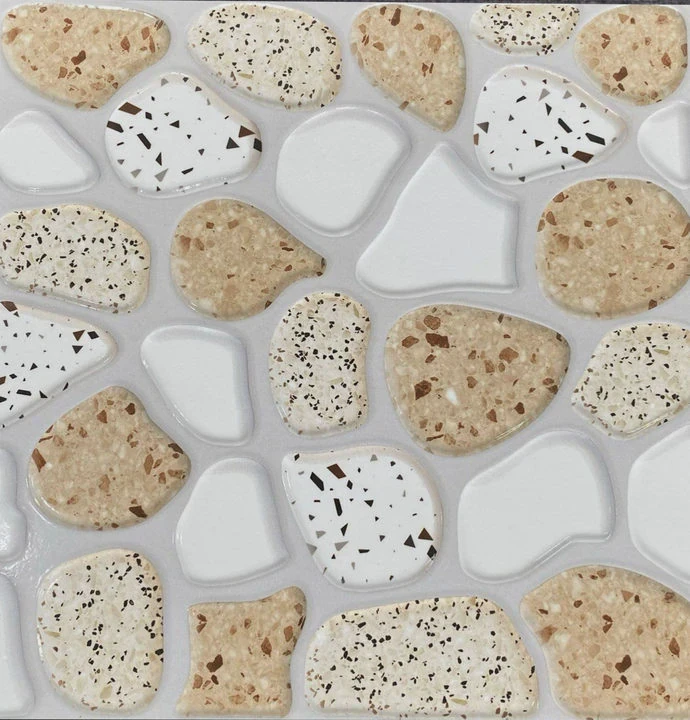
Strong tile adhesion is not only about using expensive adhesive. The installation process itself matters just as much. Many failures happen because contractors rush through surface preparation or mortar application.
Choose the Correct Adhesive Type
Not every mortar works for every project. Tile size, concrete condition, and project environment all influence adhesive selection.
For example:
| Tile Type | Recommended Adhesive |
|---|---|
| Ceramic tile | Standard thin-set mortar |
| Porcelain tile | Polymer-modified mortar |
| Large format tile | Medium-bed mortar |
| Outdoor tile | Flexible waterproof mortar |
Porcelain tiles usually need stronger bonding because they absorb very little water.
Use the Correct Trowel Size
Trowel selection changes mortar coverage. Poor coverage creates air pockets under the tile.
Typical trowel guidelines include:
- Small wall tiles: smaller notch
- Large floor tiles: larger notch
- Textured back tiles: deeper notch
Large format tiles often require at least 95% mortar coverage in commercial spaces.
Apply Mortar Correctly
Mortar should be combed in one direction. Random circular spreading traps air under the tile.
Good installation usually follows this process:
- Spread mortar evenly
- Comb with notched trowel
- Press tile firmly
- Move tile slightly across ridges
- Check coverage regularly
Back buttering large tiles also improves adhesion strength.
Control Installation Conditions
Temperature and humidity affect mortar curing speed.
Extreme conditions may create problems:
Hot Weather
Mortar dries too fast. Bond strength becomes weaker.
Cold Weather
Curing slows down. Tiles may shift before full bonding develops.
Windy Areas
Surface skinning may happen before tile placement.
Many professional installers work in smaller sections to avoid premature drying.
Prevent Bond Failure
Several common mistakes reduce adhesion quality:
- Installing over dusty concrete
- Using expired mortar
- Mixing mortar incorrectly
- Adding too much water
- Walking on fresh tiles too early
These mistakes may not appear immediately, but problems often show months later.
One project experience showed how important mortar consistency can be. A contractor once reduced mortar thickness to speed up installation on a shopping center floor. The tiles looked fine during handover. Six months later, hollow sounds appeared across large sections because coverage was incomplete.
That situation is very common in high-speed commercial installations.
Which Mortars Work Best for Concrete Floors?
Many buyers think all tile mortars are the same. In reality, different mortars perform very differently depending on tile type, traffic level, moisture exposure, and floor movement.
Polymer-modified thin-set mortars are usually the best choice for concrete floors because they provide strong adhesion, flexibility, and better resistance to moisture and movement.
Mortar selection affects both installation efficiency and long-term durability. Choosing the wrong mortar may cause debonding, cracked grout, or uneven surfaces.
Standard Thin-Set Mortar
Standard thin-set mortar works well for basic ceramic tile applications in dry indoor spaces.
Advantages include:
- Lower cost
- Easy mixing
- Good workability
However, it has limitations on demanding projects.
It may not perform well with:
- Large porcelain tiles
- Outdoor installations
- Heavy traffic areas
- Moisture-prone floors
Polymer-Modified Mortar
This is one of the most common choices for modern concrete tile projects.
Polymer additives improve:
- Bond strength
- Flexibility
- Water resistance
- Impact resistance
This mortar type performs especially well for porcelain tiles because porcelain absorbs very little moisture.
Many commercial contractors prefer modified mortar for shopping malls, hotels, and office buildings because the floors face heavy daily use.
Medium-Bed Mortar
Large format tiles require additional support. Standard thin-set may allow heavy tiles to sink slightly during installation.
Medium-bed mortar helps by:
- Supporting tile weight
- Reducing lippage
- Improving leveling
- Handling thicker applications
This becomes important for large slab porcelain and 600×1200 mm or larger tiles.
Rapid-Setting Mortar
Some projects need fast completion schedules. Rapid-setting products reduce waiting time before grouting or foot traffic.
These mortars are useful for:
- Retail renovations
- Airport repairs
- Hotel upgrades
- Fast commercial turnover
Still, installers must work quickly because open time is shorter.
Epoxy Mortar
Epoxy systems provide extremely strong bonding and chemical resistance.
They are common in:
- Industrial kitchens
- Chemical plants
- Laboratories
- Food processing areas
Epoxy products cost more and require skilled installation, but performance is excellent in demanding conditions.
Mortar Comparison
| Mortar Type | Best Use | Main Advantage |
|---|---|---|
| Standard Thin-Set | Basic ceramic floors | Lower cost |
| Polymer-Modified | Porcelain and commercial floors | Strong adhesion |
| Medium-Bed | Large format tiles | Better support |
| Rapid-Setting | Fast projects | Faster curing |
| Epoxy Mortar | Industrial spaces | Chemical resistance |
Understand Floor Movement
Concrete naturally expands and contracts. Temperature changes and structural settling create movement over time.
Flexible mortars help absorb small movements and reduce stress transfer to tiles.
This becomes more important in:
- Outdoor areas
- Heated floors
- Large commercial spaces
- Areas with temperature swings
Many experienced importers now ask suppliers directly about mortar compatibility when sourcing porcelain tile products for different markets.
That question is smart because tile quality alone cannot guarantee installation success.
When Should Sealing Be Applied After Installation?
Many people install beautiful tiles but apply sealer at the wrong time. Early sealing can trap moisture. Late sealing may expose grout and tile surfaces to stains and damage.
Sealing should usually be applied after grout fully cures and the tile surface is completely dry. The exact timing depends on grout type, tile material, and environmental conditions.
Sealing protects both appearance and durability. However, not every tile requires the same sealing process. Some porcelain tiles need little protection, while natural stone and cement-based grout often need more care.
Wait for Full Grout Curing
Fresh grout contains moisture. Sealing too early traps water inside the installation system.
Typical grout curing times include:
| Grout Type | Typical Cure Before Sealing |
|---|---|
| Cement grout | 48–72 hours |
| Rapid-setting grout | 24 hours |
| Epoxy grout | Usually no sealer needed |
Manufacturers may recommend different curing periods depending on humidity and temperature.
Understand Which Materials Need Sealing
Not all tiles absorb moisture equally.
Porcelain Tiles
Most glazed porcelain tiles have very low absorption rates. Many do not require sealing.
Natural Stone
Marble, travertine, and slate often need sealing to prevent staining.
Cement Grout
Most cement grout benefits from sealing because grout lines absorb moisture and dirt.
Choose the Correct Sealer
Different sealers provide different protection levels.
Common sealer categories include:
- Penetrating sealers
- Surface sealers
- Enhancing sealers
- Waterproof sealers
Penetrating sealers are popular because they protect without changing tile appearance significantly.
Apply Sealer Correctly
Poor sealer application may leave haze or uneven shine.
A typical process includes:
- Clean tile surface completely
- Allow floor to dry fully
- Apply sealer evenly
- Remove excess quickly
- Allow curing time
Professional installers often test sealers on small hidden sections first.
Consider Traffic Timing
Even after sealing, floors may still need curing time before heavy use.
Heavy traffic too early may damage:
- Fresh grout
- Sealer protection
- Tile alignment
Commercial projects often stage opening schedules carefully to protect newly installed floors.
Maintenance After Sealing
Sealing is not permanent. Maintenance schedules matter.
High-traffic commercial floors may require resealing sooner than residential spaces.
Factors affecting sealer lifespan include:
- Cleaning chemicals
- Foot traffic
- Moisture exposure
- UV exposure
- Tile porosity
One hotel renovation project showed how important sealing maintenance can be. The floor initially looked excellent, but aggressive cleaning chemicals slowly weakened the grout sealer. Within one year, grout discoloration appeared near entrances and wet zones.
Regular maintenance planning could have prevented most of those issues.
Conclusion
Tiling on concrete requires more than simply placing tiles over a slab. Proper preparation, suitable mortar selection, strong adhesion methods, and correct sealing timing all work together to create durable and professional tile installations that last for many years.