How to tile shelves?
- Sinotiles
- 2026-07-27
Many shelves look simple, but poor material choices can create problems. Weak surfaces, water damage, and wrong tile sizes can make shelves crack or lose their beauty over time.
Tiling shelves can create a durable and stylish storage solution. The process requires choosing the right base material, waterproofing correctly, selecting suitable tiles, and making sure the shelf can support the added weight.
In my experience with ceramic building materials, tiled shelves are a practical way to combine function and design. They can work well in bathrooms, kitchens, living areas, and commercial spaces when the structure is prepared correctly.
What materials support tiled shelves best?
The best materials for tiled shelves are strong, stable, and moisture-resistant. A shelf must support the weight of the tile, adhesive, grout, and daily items placed on the surface.
Common shelf base materials include cement board, plywood with waterproof protection, concrete, and metal frames. Each option has different advantages depending on the installation location.
Common tiled shelf base materials
| Material | Advantages | Suitable areas |
|---|---|---|
| Cement board | Water-resistant and stable | Bathrooms and wet areas |
| Plywood | Easy to customize | Dry indoor spaces |
| Concrete | Very strong and durable | Heavy-duty shelves |
| Metal frame | High strength support | Floating and modern designs |
Cement board is one of the most popular choices for tiled shelves. It provides a strong surface and handles moisture better than normal drywall. This makes it suitable for shower niches, bathroom shelves, and areas near water.
Plywood can also support tiled shelves, especially in dry areas. However, plywood should not be used without proper waterproof protection in places with moisture exposure. Water can cause wood materials to expand, bend, or weaken.
Concrete shelves provide excellent strength. They are often used in custom construction projects where designers want a permanent solution. However, concrete shelves are heavier and may require stronger structural support.
Metal frames are another option for modern designs. They can create thin and elegant shelf structures while providing strong support. Many contemporary interiors use metal structures with porcelain or ceramic tile finishes.
Important factors when choosing shelf materials
A tiled shelf needs to handle three types of pressure:
| Pressure type | Example |
|---|---|
| Weight pressure | Bottles, decorations, kitchen items |
| Surface pressure | Daily use and cleaning |
| Moisture pressure | Water exposure in bathrooms |
The base material is the foundation of the entire project. Beautiful tiles cannot solve problems caused by weak support. If the shelf moves or bends, the tile surface may crack.
The shelf thickness also matters. A thin shelf may look modern, but it needs stronger materials and better installation methods. A thicker shelf often provides more stability.
When selecting materials, I always consider the final location. A bathroom shelf needs different protection compared with a living room display shelf. The environment decides the best construction method.
For commercial projects, material stability becomes even more important. Hotels, restaurants, and public spaces usually require shelves that can handle frequent use. In these cases, stronger bases and professional installation provide better long-term results.
The right combination of base material, adhesive, and tile creates a shelf that is both attractive and functional. Good preparation is the first step toward a successful tiled shelf project.
How do you waterproof tiled shelves?
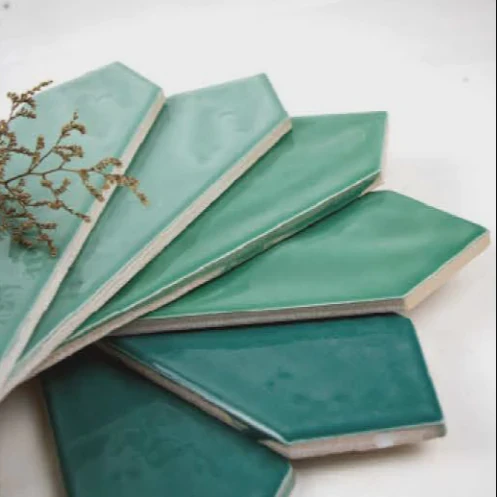
Waterproofing tiled shelves is important because water can damage the structure behind the tile. This is especially true for bathroom shelves, shower niches, and kitchen areas.
Tiles and grout can reduce water penetration, but they are not completely waterproof by themselves. A proper waterproof layer behind the tile provides additional protection.
Steps to waterproof tiled shelves
- Choose a moisture-resistant shelf base.
- Apply a waterproof membrane.
- Seal corners and joints carefully.
- Install tiles with suitable adhesive.
- Apply grout and final sealing treatment.
The waterproofing layer is usually installed before the tiles. Common waterproof materials include liquid membranes, waterproof sheets, and cement-based waterproof coatings.
Waterproofing materials comparison
| Waterproof material | Features | Best use |
|---|---|---|
| Liquid membrane | Easy application and flexible coverage | Bathrooms |
| Waterproof sheet | Strong moisture barrier | Shower areas |
| Cement waterproof coating | Durable and stable | Construction projects |
The corners of tiled shelves require special attention. Water often enters through small gaps where surfaces meet. Proper sealing at these points helps prevent hidden damage.
Why waterproofing matters
Without waterproof protection, several problems may appear:
- Mold growth
- Structural damage
- Loose tiles
- Cracked grout
- Unpleasant odors
Many people focus only on choosing beautiful tiles. However, the hidden layers behind the tile often decide the lifespan of the shelf.
A well-waterproofed shelf can last many years. A poorly prepared shelf may fail even when high-quality tiles are used.
In wet areas, I recommend using porcelain tiles because they usually have low water absorption and strong performance. Porcelain tiles can provide excellent surface protection when combined with correct waterproof construction.
However, the tile itself is only one part of the system. The adhesive, grout, waterproof layer, and shelf structure must work together.
Professional installation becomes especially important for shower shelves. Water damage can become expensive because problems may stay hidden behind walls or under surfaces.
For residential projects, homeowners should avoid treating waterproofing as an optional step. It is a small investment compared with future repairs.
For international building projects, waterproof standards may also vary by region. Contractors should consider local climate, building codes, and expected usage before selecting materials.
A tiled shelf should not only look attractive on the first day. It should continue performing after years of moisture exposure and daily use.
Which tile sizes suit shelves best?
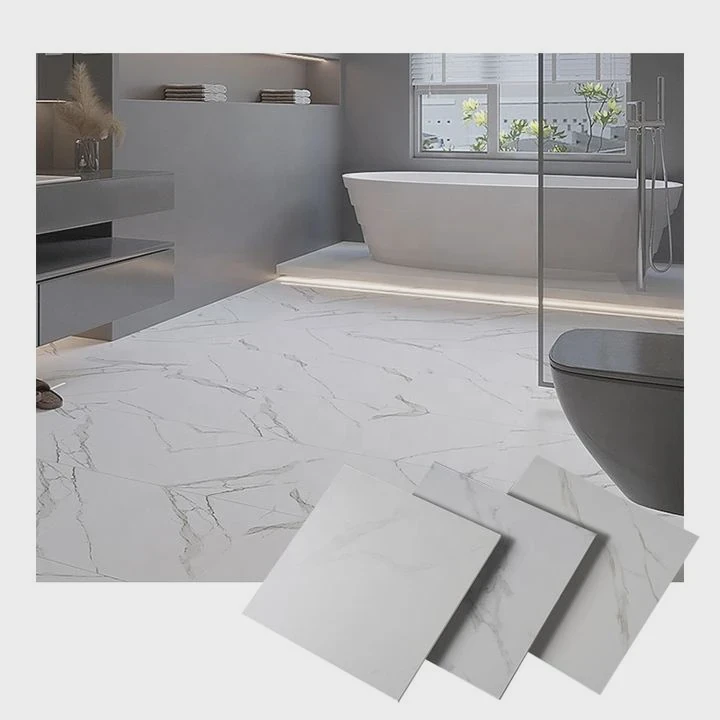
The best tile size for shelves depends on the shelf dimensions, design style, and installation purpose. Small tiles, medium tiles, and large tiles can all work, but each creates a different result.
Tile size affects appearance, cutting requirements, grout lines, and maintenance.
Popular tile sizes for shelves
| Tile size | Benefits | Common applications |
|---|---|---|
| Small mosaic tiles | Flexible and decorative | Shower niches |
| Medium tiles | Balanced appearance | Bathroom shelves |
| Large format tiles | Modern and clean look | Luxury interiors |
Small mosaic tiles are often used for curved or detailed shelf designs. They can follow different shapes and create attractive patterns.
Medium-size tiles are common because they are easier to install and provide a balanced appearance. They work well for most residential shelves.
Large format tiles are becoming more popular in modern interiors. They create fewer grout lines, which makes cleaning easier. They also create a more premium appearance.
Choosing tile size based on shelf dimensions
A narrow shelf usually works better with smaller tiles. Large tiles may require many cuts, which can reduce the visual quality.
A wide shelf can support larger tiles. For example, a large bathroom shelf can use porcelain slabs or large tiles to create a continuous stone-like appearance.
When choosing tile sizes, I also consider edge finishing. Shelf edges are visible, so the tile cut must look clean. Poor edge treatment can reduce the overall design quality.
Tile size and maintenance
| Tile choice | Maintenance level |
|---|---|
| Small tiles | More grout cleaning |
| Medium tiles | Moderate maintenance |
| Large tiles | Less grout care |
For bathroom shelves, many designers choose smaller tiles because they provide better grip and fit complex spaces. For modern kitchens and living areas, larger tiles often create a cleaner style.
Tile selection should also match the overall room design. A shelf should not look separate from the surrounding space. The color, texture, and size should support the complete interior style.
From a product perspective, modern porcelain tiles provide many options for shelf applications. Large sizes, natural stone patterns, and matte finishes allow designers to create different visual effects.
The best tile size is not always the biggest or smallest option. It is the size that matches the shelf structure, installation ability, and design purpose.
Can floating shelves be tiled safely?
Floating shelves can be tiled safely, but they require careful structural planning. The shelf must support the extra weight from tiles, adhesive, and items placed on it.
A floating shelf without enough internal support may bend or fail. This can cause tile cracks and safety problems.
Requirements for safe tiled floating shelves
| Requirement | Purpose |
|---|---|
| Strong internal frame | Supports shelf weight |
| Proper thickness | Prevents bending |
| Correct anchors | Connects shelf securely |
| Quality adhesive | Keeps tiles attached |
A floating shelf usually needs a strong hidden support system. Metal brackets, reinforced frames, or built-in wall structures are common solutions.
The tile adds weight, so the shelf design must consider the total load. A shelf that works for lightweight decorations may not support heavy bathroom bottles or kitchen equipment.
Common mistakes with tiled floating shelves
Some installation problems include:
- Using weak shelf materials
- Installing tiles on unstable surfaces
- Ignoring weight calculations
- Poor wall connection
- Missing waterproof protection
These mistakes can shorten the shelf lifespan.
A successful floating tiled shelf combines engineering and design. The visible surface may look simple, but the hidden structure does most of the work.
I believe floating shelves are a good example of why building materials must be selected as a complete system. The tile, adhesive, support frame, and wall connection all influence the final result.
For lightweight decorative shelves, tiled floating designs can create a beautiful modern appearance. For heavy-use shelves, stronger construction methods are necessary.
In commercial spaces, safety becomes even more important. Restaurants, hotels, and retail areas need shelves that can handle repeated use. Professional design and installation help reduce risks.
Floating tiled shelves can provide a clean and elegant look. They create a combination of storage and decoration. With proper planning, they can become a long-lasting feature in many interior spaces.
Conclusion
Tiling shelves requires strong materials, proper waterproofing, suitable tile sizes, and safe structural support. With the right preparation, tiled shelves can provide durable and attractive solutions for many spaces.