How to Use a Tile?
- Sinotiles
- 2026-04-03
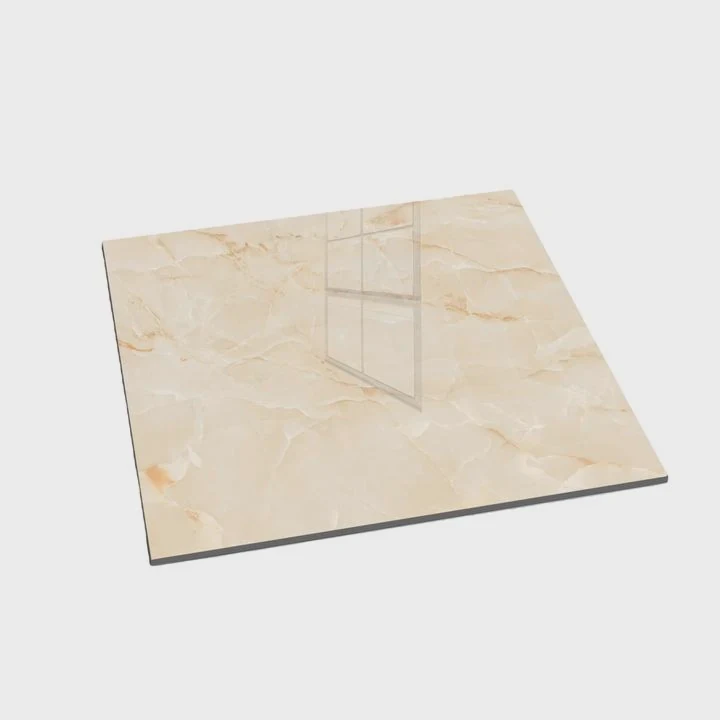
Many people start a project and feel confused about tiles. They worry about cost, tools, and mistakes. This confusion often leads to delays and wasted money.
Using tiles in construction means selecting, cutting, placing, and fixing tiles on surfaces like floors or walls. It requires planning, proper tools, and correct installation methods to ensure durability and appearance.
Tiles look simple, but the process behind them is not. When each step is clear, the work becomes easier and results become more professional.
What does using tile involve in construction projects?
Many projects fail because people underestimate tile work. They think tiles are just placed on surfaces. That idea leads to poor results and costly repairs.
Using tile in construction involves surface preparation, layout planning, adhesive application, tile placement, spacing, cutting, grouting, and finishing. Each step must follow a clear process to ensure strength and visual quality.
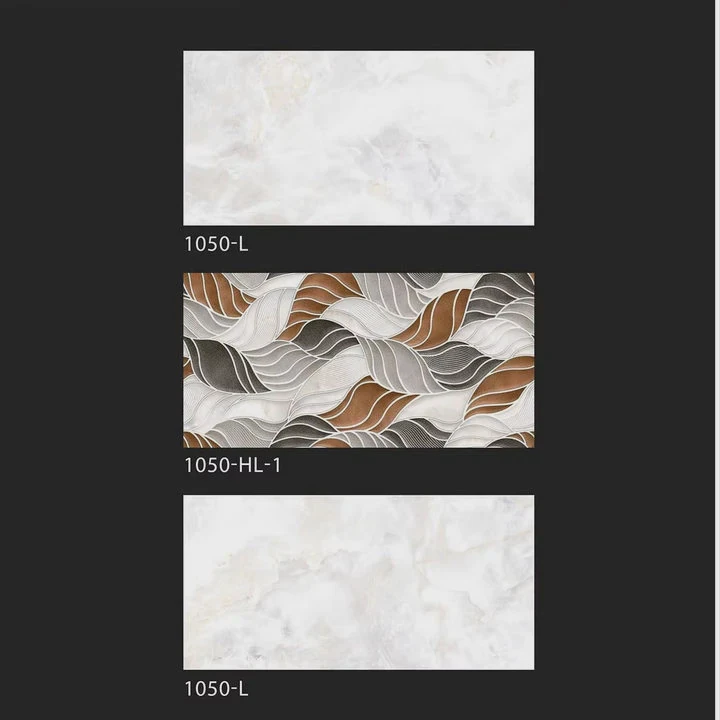
Tile work starts long before the first tile is placed. Every step matters, and skipping one step often creates problems later.
Key stages in tile use
1. Surface preparation
The base must be clean, dry, and flat. Any dust, oil, or uneven area will affect how tiles stick. A weak base leads to cracks or loose tiles.
2. Layout planning
A clear layout avoids uneven edges and poor alignment. Workers often mark lines on the surface to guide tile placement. This step ensures symmetry.
3. Adhesive application
Tile adhesive or mortar is spread evenly using a notched trowel. The thickness must be consistent. Too much adhesive causes uneven tiles. Too little reduces bonding strength.
4. Tile placement
Tiles are pressed into the adhesive and adjusted carefully. Spacers are used to keep equal gaps between tiles.
5. Cutting tiles
Edges and corners require cutting. This step ensures tiles fit around walls, pipes, and fixtures.
6. Grouting
After tiles set, grout fills the gaps. It locks tiles in place and prevents water from entering.
7. Finishing
Cleaning and sealing complete the process. This step improves both appearance and durability.
Common mistakes in tile projects
| Mistake | Result | Solution |
|---|---|---|
| Poor surface preparation | Tiles loosen or crack | Clean and level surface |
| Wrong adhesive | Weak bonding | Use proper adhesive type |
| No spacing | Uneven layout | Use tile spacers |
| Rushed grouting | Weak joints | Allow proper curing time |
Each stage connects to the next. If one step is weak, the whole system becomes weak. That is why tile work is not just about design. It is also about process control.
How do you choose the right tile for tasks?
Many buyers focus only on design. They pick tiles based on color or pattern. Later, they find the tile does not suit the space. This creates functional problems.
Choosing the right tile depends on usage, location, durability, size, and surface finish. Floor tiles need strength and slip resistance, while wall tiles focus more on design and weight.
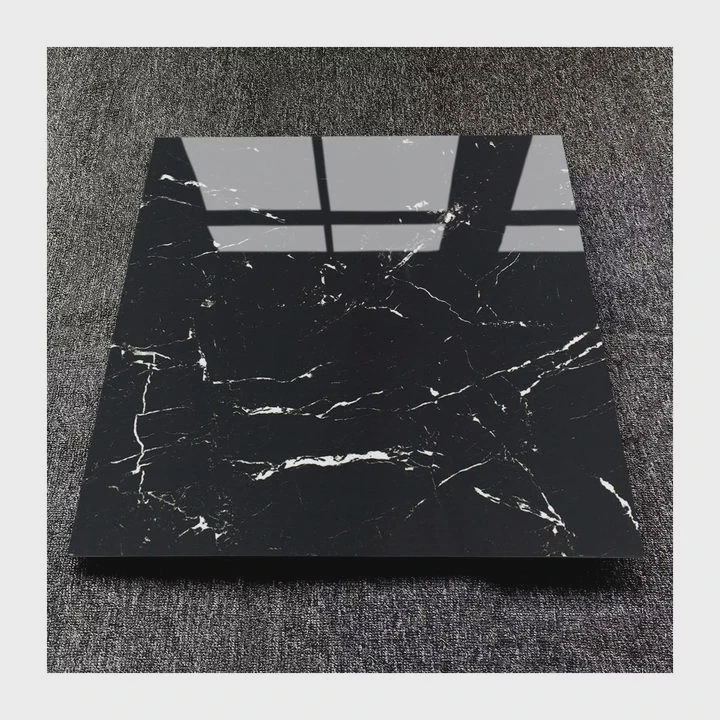
Tile selection is not just about style. It is about matching the tile to the job.
Key factors to consider
1. Tile type
Different tiles serve different purposes.
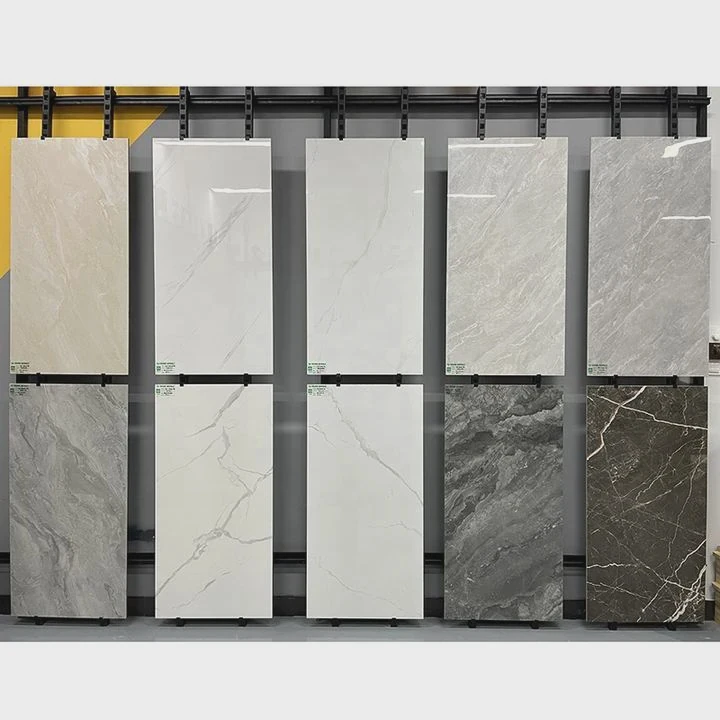
- Porcelain tiles: strong and dense, good for floors
- Ceramic tiles: lighter, good for walls
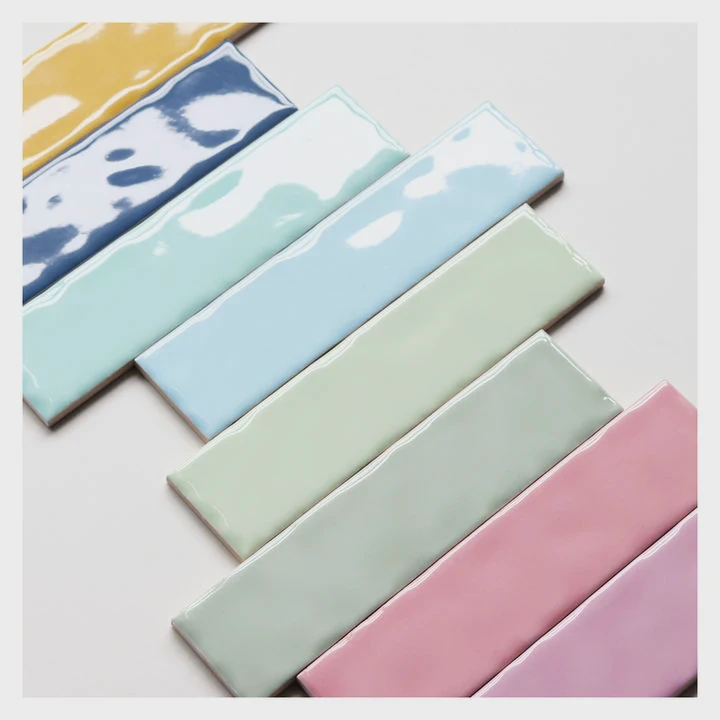
- Polished tiles: smooth and shiny, best for indoor use
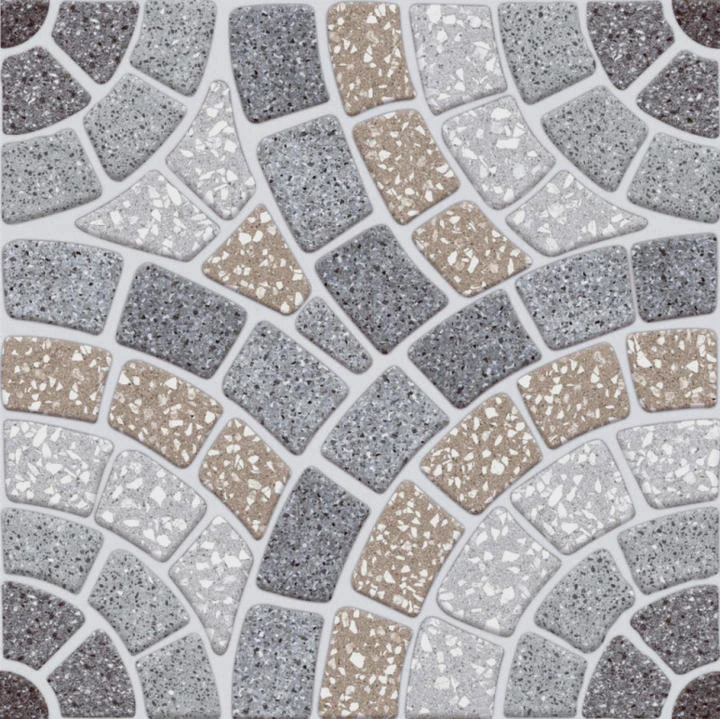
- Rustic tiles: textured, better for outdoor or wet areas
2. Tile size
Large tiles create a modern look. Small tiles work better in tight spaces or detailed designs.
3. Surface finish
Slip resistance is important for safety. Glossy tiles look elegant but can be slippery. Matte tiles provide better grip.
4. Water absorption
Low absorption tiles are better for bathrooms and kitchens. High absorption tiles are more suitable for dry areas.
5. Load and traffic
Commercial spaces need stronger tiles. Residential areas can use lighter options.
Tile selection guide
| Application Area | Recommended Tile Type | Key Feature |
|---|---|---|
| Living room | Polished porcelain | Smooth and elegant |
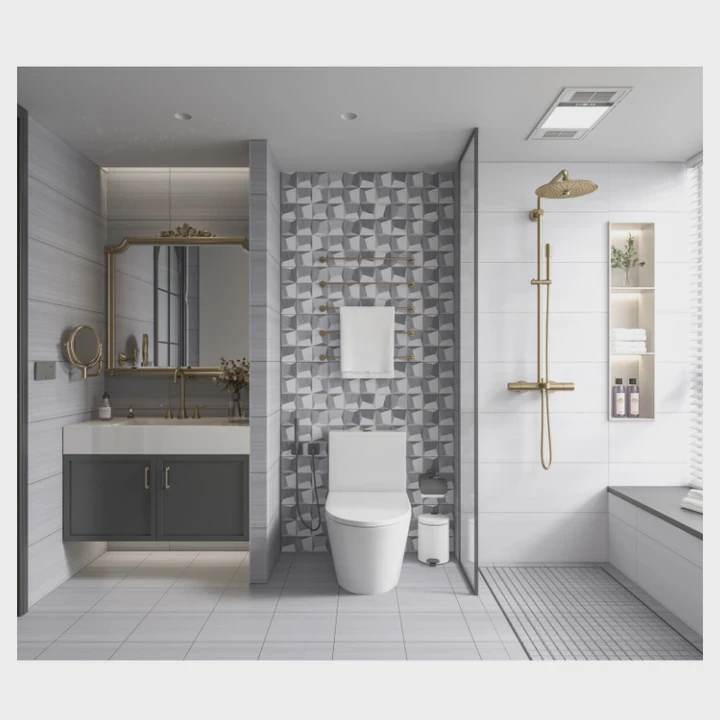
| Bathroom | Matte ceramic | Anti-slip |
| Outdoor | Rustic porcelain | Weather resistant |
| Commercial space | Full-body porcelain | High durability |
Design vs function
Many projects fail because they focus too much on design. A beautiful tile that cracks or becomes slippery creates problems.
A balanced choice considers both appearance and performance. This approach ensures long-term satisfaction.
Which tools are needed to work with tile?
Some people try tile work without proper tools. They think basic tools are enough. This often leads to uneven cuts and poor installation.
Working with tile requires specific tools such as tile cutters, trowels, spacers, levels, and grout tools. Each tool plays a role in ensuring accuracy, alignment, and durability.
Using the right tools improves both speed and quality. It also reduces mistakes.
Essential tile tools
1. Measuring tools
Tape measures and rulers help ensure correct dimensions. Accurate measurement prevents waste.
2. Tile cutter or wet saw
Tiles must be cut cleanly. Manual cutters work for straight cuts. Wet saws handle thicker or harder tiles.
3. Notched trowel
This tool spreads adhesive evenly. The notches control adhesive thickness.
4. Tile spacers
Spacers keep equal gaps between tiles. This ensures uniform grout lines.
5. Level
A level ensures tiles are flat and aligned. Uneven tiles affect both look and safety.
6. Rubber float
This tool is used to apply grout into joints.
7. Sponge and bucket
Cleaning excess grout is important. A damp sponge helps achieve a clean finish.
Tool importance breakdown
| Tool | Purpose | Impact on Result |
|---|---|---|
| Tile cutter | Shape tiles | Clean edges |
| Trowel | Spread adhesive | Strong bonding |
| Spacers | Maintain gaps | Even layout |
| Level | Check alignment | Professional finish |
Tool quality matters
Cheap tools often create more work. For example, a low-quality cutter may crack tiles instead of cutting them cleanly.
Reliable tools save time and reduce material waste. This is especially important in large projects.
Why is proper installation important for tiles?
Some people think installation is simple. They rush the process or skip steps. This leads to cracks, loose tiles, and water damage.
Proper tile installation ensures long-term durability, safety, and appearance. It prevents issues like cracking, water leakage, and uneven surfaces, which can increase repair costs over time.
Installation is the most critical stage in tile work. Even high-quality tiles fail if installed poorly.
Key reasons installation matters
1. Structural strength
Tiles must bond strongly to the surface. Weak bonding leads to hollow tiles or detachment.
2. Water resistance
In wet areas, poor installation allows water to seep under tiles. This causes mold and damage.
3. Safety
Uneven tiles create tripping hazards. Slippery surfaces increase risk in bathrooms and kitchens.
4. Visual consistency
Proper alignment creates a clean and professional look. Poor installation leads to uneven lines and gaps.
Installation best practices
Surface leveling
A flat surface ensures tiles sit evenly. Any uneven base will show after installation.
Correct adhesive use
Different tiles require different adhesives. Choosing the wrong one reduces durability.
Proper spacing
Consistent spacing ensures uniform grout lines.
Curing time
Tiles need time to set. Walking on them too early weakens the bond.
Long-term impact
Poor installation does not always show immediately. Problems often appear after months.
- Tiles may crack under pressure
- Grout may break or fall out
- Water may leak into the structure
Fixing these problems costs more than doing it right the first time.
Cost comparison
| Installation Quality | Initial Cost | Long-Term Cost |
|---|---|---|
| Proper installation | Medium | Low |
| Poor installation | Low | High (repairs) |
Choosing proper installation is not just about quality. It is also about saving money over time.
Conclusion
Using tiles involves careful planning, proper tools, correct selection, and skilled installation. Each step affects the final result. When done right, tiles offer durability, safety, and strong visual appeal for many years.