Is Ceramic Tile Porous?
- Sinotiles
- 2026-06-12
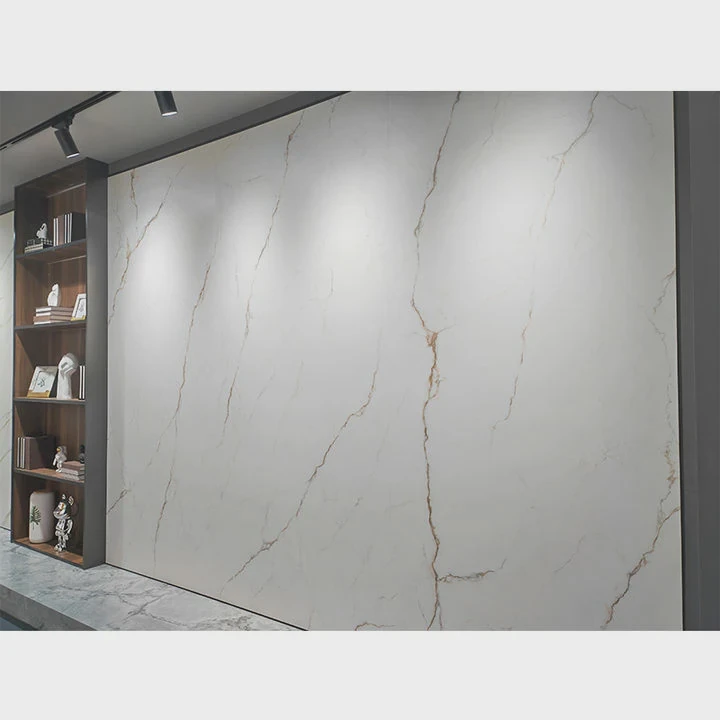
Many buyers assume all ceramic tiles behave the same way. This misunderstanding can lead to poor product selection, unexpected maintenance issues, and performance problems after installation.
Ceramic tile is generally porous to some degree because it is made from natural clay materials. However, the level of porosity depends on the tile body, manufacturing process, and whether the surface is glazed or unglazed.
Porosity plays a major role in how a tile performs over time. It affects water absorption, stain resistance, durability, maintenance requirements, and suitable installation environments. Understanding ceramic tile porosity helps buyers choose the right product for residential, commercial, and project applications.
What Makes Ceramic Tile Absorbent or Non-Absorbent?
Many people think ceramic tile either absorbs water or it does not. In reality, water absorption exists on a scale, and different ceramic tiles can perform very differently.
The absorbency of ceramic tile depends on its raw materials, firing temperature, manufacturing process, density, and internal pore structure.
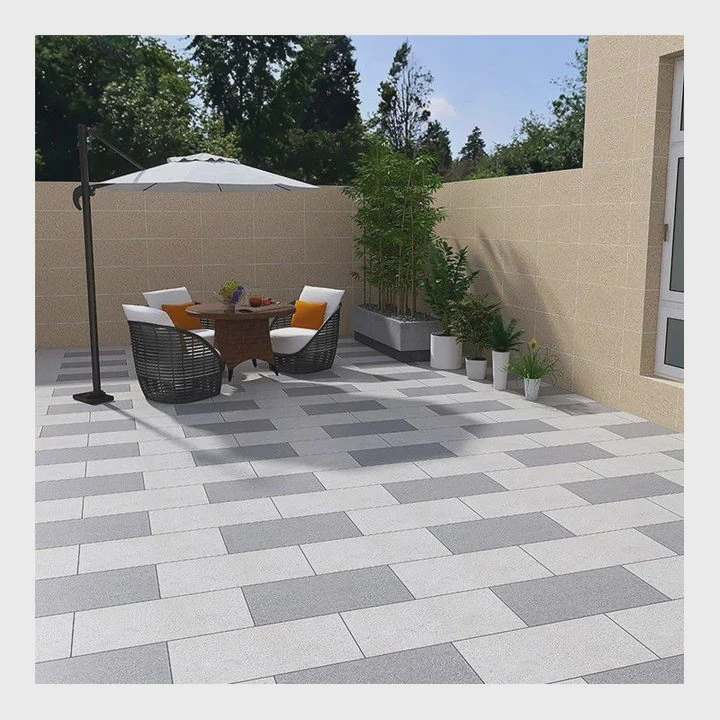
Ceramic tiles are produced from clay and other natural minerals. During manufacturing, these materials are pressed into shape and fired at high temperatures. The firing process creates a hardened structure, but microscopic pores often remain inside the tile body.
Understanding Tile Porosity
Porosity refers to the amount of tiny voids or pores inside a material.
These pores can:
- Absorb water
- Retain moisture
- Trap stains
- Influence strength
The more pores a tile contains, the more absorbent it becomes.
Factors That Affect Absorbency
Several manufacturing variables determine how much water a ceramic tile can absorb.
| Factor | Effect on Porosity |
|---|---|
| Clay composition | Influences density |
| Pressing pressure | Reduces internal voids |
| Firing temperature | Increases tile density |
| Firing duration | Improves vitrification |
| Tile thickness | Affects moisture movement |
Higher-density tiles generally absorb less water.
The Role of Vitrification
One of the most important processes in tile manufacturing is vitrification.
During firing:
- Minerals partially melt
- Pores become smaller
- Density increases
- Water absorption decreases
Tiles that undergo greater vitrification become less porous and more durable.
Ceramic Tile Water Absorption Categories
Industry standards often classify ceramic tiles according to water absorption rates.
| Category | Water Absorption |
|---|---|
| Non-vitreous | More than 7% |
| Semi-vitreous | 3%-7% |
| Vitreous | 0.5%-3% |
| Impervious | Less than 0.5% |
Traditional ceramic wall tiles usually absorb more water than porcelain tiles.
Why Some Ceramic Tiles Absorb More Water
Not all ceramic products are designed for the same purpose.
For example:
- Decorative wall tiles often have higher absorption rates.
- Floor tiles usually have lower absorption rates.
- Outdoor applications require lower porosity.
I often explain to customers that water absorption is not necessarily a defect. It is simply a characteristic that should match the intended application.
A ceramic tile with moderate absorption may perform perfectly on an interior wall, while a denser tile may be necessary for wet environments or heavy-traffic areas.
How Does Glazing Affect Tile Porosity?
Many people judge a tile only by its visible surface. However, the glaze can significantly influence how moisture interacts with the tile.
Glazing reduces surface porosity by creating a protective glass-like layer that limits water penetration, staining, and dirt absorption.
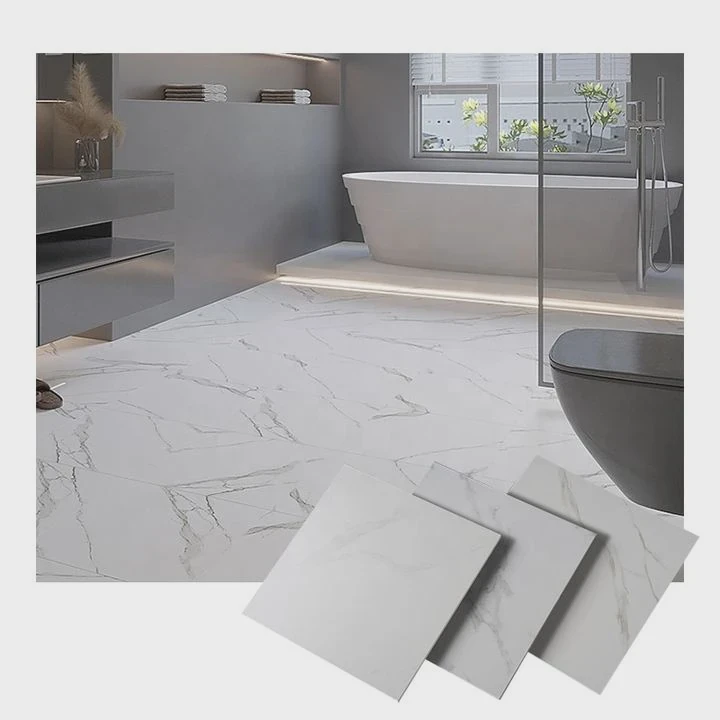
Glaze is one of the most important components of modern ceramic tile. It not only affects appearance but also contributes to performance.
What Is Tile Glaze?
Glaze is a liquid coating applied before firing.
After firing, it becomes:
- Hard
- Smooth
- Decorative
- Protective
The finished surface resembles a thin layer of glass.
How Glaze Reduces Water Absorption
The glaze seals many of the surface openings that would otherwise allow moisture to enter.
Benefits include:
- Improved stain resistance
- Easier cleaning
- Reduced water penetration
- Better chemical resistance
This protective layer greatly improves maintenance performance.
Glazed vs. Unglazed Ceramic Tile
| Feature | Glazed Tile | Unglazed Tile |
|---|---|---|
| Surface absorption | Very low | Higher |
| Stain resistance | Excellent | Moderate |
| Cleaning ease | Easy | More difficult |
| Surface sealing need | Rarely needed | Often recommended |
| Decorative options | Extensive | Limited |
While glazing protects the surface, it does not completely eliminate the porosity of the tile body underneath.
The Tile Body Still Matters
A common misconception is that glaze makes a tile waterproof.
In reality:
- The glaze protects the surface.
- The tile body may still absorb moisture through edges or exposed areas.
This distinction becomes important during installation.
For example:
- Cut edges remain unglazed.
- Tile backs are usually unglazed.
- Exposed side profiles may absorb moisture.
Advanced Glazing Technologies
Modern manufacturers continue improving glaze performance.
Today’s ceramic tiles may include:
- Nano-coatings
- Anti-bacterial glazes
- Anti-slip finishes
- Scratch-resistant surfaces
These technologies improve both functionality and appearance.
Why Glazing Matters in Real Projects
In residential kitchens and bathrooms, glazed ceramic tiles are often preferred because they simplify maintenance.
A homeowner can usually remove spills, grease, and dirt with basic cleaning methods. Without glaze protection, those same contaminants may penetrate the surface and become more difficult to remove.
The glaze serves as the first line of defense, helping ceramic tiles maintain their appearance for many years.
Why Is Porosity Important for Maintenance?
Many maintenance challenges are directly related to how much moisture a tile absorbs. Porosity influences everything from cleaning routines to long-term durability.
Porosity is important because it affects stain resistance, moisture management, cleaning requirements, mold prevention, and the overall lifespan of the tile installation.
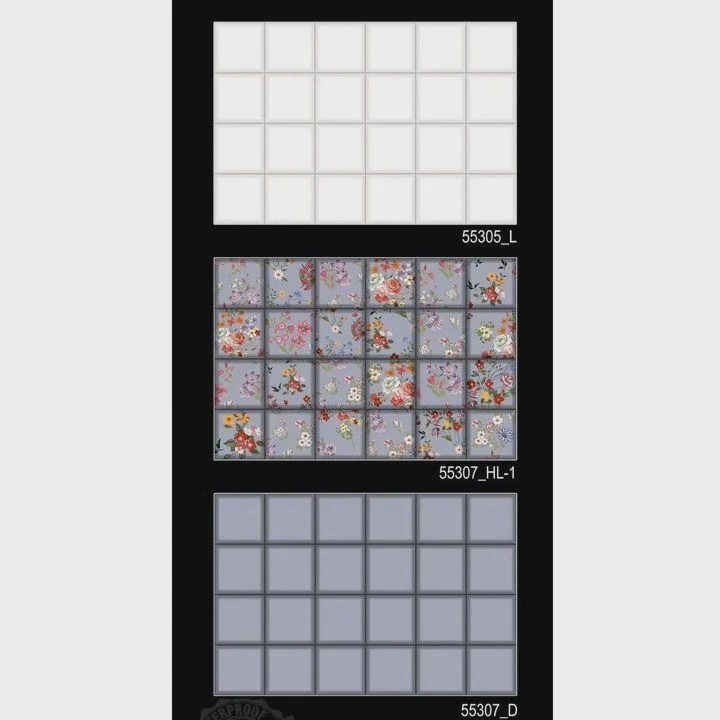
When selecting ceramic tile, maintenance requirements often become a deciding factor. Understanding porosity helps predict how much care the surface may require over time.
Stain Resistance and Porosity
Porous materials can absorb liquids into their surface structure.
Common staining agents include:
- Coffee
- Tea
- Wine
- Cooking oils
- Soap residue
- Dirt
When liquids enter the pores, cleaning becomes more difficult.
Low-porosity tiles generally resist staining more effectively.
Moisture Management
Water exposure affects tile performance differently depending on absorption rates.
Areas with frequent moisture include:
- Bathrooms
- Kitchens
- Laundry rooms
- Commercial washrooms
Tiles with lower porosity typically perform better in these environments.
Mold and Mildew Concerns
Moisture trapped inside porous materials can contribute to mold growth.
While ceramic tile itself does not support mold growth easily, moisture retention can affect:
- Grout joints
- Installation substrates
- Adjacent materials
Reducing water absorption helps minimize these risks.
Maintenance Comparison
| Porosity Level | Maintenance Requirement |
|---|---|
| High | Frequent cleaning |
| Moderate | Regular maintenance |
| Low | Easier upkeep |
| Very low | Minimal maintenance |
The lower the absorption rate, the easier routine cleaning generally becomes.
Sealing Considerations
Some ceramic tiles benefit from sealing.
This is particularly true for:
- Unglazed ceramic tile
- Rustic finishes
- Textured surfaces
Sealers help reduce water penetration and staining.
Long-Term Durability
Over many years, repeated moisture exposure can influence appearance and performance.
Potential issues include:
- Surface discoloration
- Efflorescence
- Staining
- Freeze-thaw damage in outdoor environments
Porosity directly affects how vulnerable a tile may be to these conditions.
The Customer Perspective
Many importers, distributors, and project buyers focus on design first. However, maintenance costs often continue long after installation.
When discussing tile selection with clients, I often encourage them to consider:
- Cleaning frequency
- Environmental conditions
- Expected lifespan
- User requirements
A tile that requires less maintenance can provide better long-term value even if the initial purchase cost is slightly higher.
Which Tests Determine Tile Water Absorption?
Water absorption is not determined by appearance alone. Manufacturers rely on standardized testing methods to measure tile porosity accurately.
Tile water absorption is determined through laboratory testing that measures the percentage of water absorbed by a tile after controlled drying, immersion, and weighing procedures.
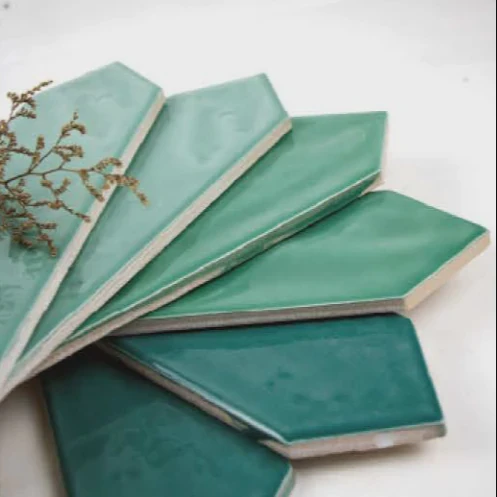
Testing provides objective data that helps manufacturers, architects, contractors, and buyers compare products consistently.
Why Testing Is Necessary
Two tiles may look nearly identical while having very different absorption rates.
Visual inspection cannot accurately reveal:
- Internal pore structure
- Density
- Moisture performance
Laboratory testing provides reliable measurements.
Basic Water Absorption Test Process
Most standards follow a similar procedure.
Step 1: Dry the Tile
The tile is placed in an oven until it reaches a stable dry weight.
Step 2: Record Dry Weight
The dry weight is carefully measured and documented.
Step 3: Water Immersion
The tile is immersed in water for a specified period.
Step 4: Record Wet Weight
After immersion, the tile is weighed again.
Step 5: Calculate Absorption
The difference between dry and wet weight determines water absorption percentage.
Common International Standards
Several organizations publish testing standards.
Examples include:
- ISO standards
- ASTM standards
- EN standards
These methods ensure consistency across global markets.
Understanding Absorption Results
A simplified example illustrates the process.
| Measurement | Value |
|---|---|
| Dry weight | 1000 g |
| Wet weight | 1050 g |
| Water absorbed | 50 g |
| Absorption rate | 5% |
This tile would be classified differently than a tile absorbing only 0.3%.
Additional Performance Tests
Water absorption testing is often combined with other evaluations.
These may include:
- Breaking strength
- Frost resistance
- Abrasion resistance
- Chemical resistance
- Slip resistance
Together, these tests provide a complete picture of tile performance.
Why Buyers Should Review Test Data
For large commercial projects, test reports are extremely valuable.
They help verify:
- Product consistency
- Application suitability
- Compliance with specifications
- Long-term performance expectations
Many experienced buyers request technical data sheets before placing large orders.
Accurate absorption testing removes guesswork from tile selection and allows informed decisions based on measurable performance rather than appearance alone.
Conclusion
Ceramic tile is naturally porous to varying degrees, but its actual water absorption depends on manufacturing methods, density, and glazing. Understanding porosity helps buyers evaluate maintenance needs, durability, and application suitability, while standardized absorption testing provides reliable data for selecting the right tile for every project.