Is Peel and Stick Tile Good?
- Sinotiles
- 2026-04-24
Peel and stick tiles seem like an easy solution for home renovations, but do they really deliver on convenience and quality?
Peel and stick tiles offer a quick and affordable way to refresh surfaces without professional help. They combine ease of installation with a variety of designs suitable for different rooms.
Many homeowners wonder if these tiles are just a temporary fix or if they can really perform like traditional tiles. Let’s explore their strengths, weaknesses, and practical tips for use.
What are advantages of peel and stick tiles?
Peel and stick tiles promise instant transformation, but what exactly makes them appealing?
The main advantages include quick installation, minimal tools required, cost-effectiveness, and design flexibility. They allow DIY enthusiasts to achieve professional-looking results without much experience.
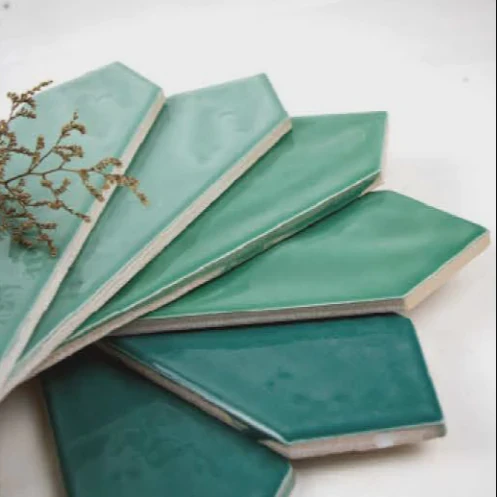
Peel and stick tiles have become popular because they solve several common problems for homeowners and renters. First, they are incredibly easy to install. Unlike traditional ceramic or porcelain tiles, you don’t need mortar, grout, or heavy equipment. Most of these tiles come with a backing that peels off to reveal a sticky surface ready for application. This can save hours or even days of labor and reduce the need for professional help.
Second, peel and stick tiles are budget-friendly. Traditional tiles often involve material costs, labor, and extra supplies. Adhesive tiles lower the entry cost significantly. Homeowners can buy small packs to experiment with designs or decorate a specific area, such as a kitchen backsplash or bathroom wall.
Third, they are versatile in design. Manufacturers offer peel and stick tiles in ceramic look, marble effect, metal, or even mosaic patterns. This variety allows people to match their existing decor easily. Furthermore, tiles can be cut to fit unusual spaces using a utility knife, adding flexibility for DIY projects.
However, there are limitations. They work best on smooth, clean surfaces. Uneven walls or surfaces with heavy texture can prevent proper adhesion. Also, while some peel and stick tiles are water-resistant, prolonged exposure to moisture may reduce their lifespan.
Pros and Cons Table
| Pros | Cons |
|---|---|
| Quick and easy installation | Less durable than traditional tiles |
| Affordable | Can peel or lift over time |
| Wide range of designs | Not ideal for textured surfaces |
| DIY-friendly | Sensitive to heat and moisture |
| Minimal tools needed | Limited long-term warranty |
Overall, peel and stick tiles offer a convenient solution for temporary or decorative applications. They are excellent for renters or anyone wanting a quick update without extensive work.
How durable are adhesive tiles over time?
Durability is a major concern when considering peel and stick tiles. Can they withstand daily wear and tear?
Adhesive tiles are reasonably durable for light to moderate use but may not match the longevity of ceramic or porcelain tiles in high-traffic areas.
Durability depends on quality, installation, and environment. High-quality peel and stick tiles with strong adhesive can last several years if applied correctly. They resist scratches and stains reasonably well, but they are more prone to damage under heavy use or frequent cleaning with harsh chemicals.
Tiles installed in kitchens or bathrooms may face additional challenges. Moisture and heat can weaken the adhesive over time, causing corners to lift. In contrast, tiles in low-moisture areas, like a bedroom accent wall, are likely to remain intact much longer.
Factors Affecting Longevity
| Factor | Effect |
|---|---|
| Surface Preparation | Clean, smooth surfaces improve adhesion and durability |
| Room Usage | High-traffic areas shorten lifespan |
| Moisture Exposure | High moisture may cause peeling or curling |
| Quality of Tile | Premium brands last longer and resist wear better |
| Installation Technique | Proper alignment and pressure improve longevity |
DIY enthusiasts should focus on surface prep. Remove grease, dust, and residues before applying tiles. Applying firm pressure when sticking each tile ensures a strong bond. It’s also wise to avoid areas where water regularly collects or walls are prone to humidity.
Adhesive tiles are not permanent solutions, but with careful selection and installation, they can serve well for several years. They are ideal for cosmetic updates rather than structural tiling.
Which surfaces work best for peel and stick tiles?
Not all surfaces are suitable for adhesive tiles. What surfaces give the best results?
Smooth, clean, and dry surfaces like painted walls, ceramic tiles, or laminate make the best base for peel and stick tiles. Rough or uneven surfaces may prevent proper adhesion.
The key to success is a flat, stable surface. Textured walls, brick, or untreated wood may cause tiles to lift or shift over time. Cleaning the surface thoroughly is essential to remove dust, grease, or moisture. Even a small amount of residue can weaken adhesion and reduce the lifespan of the tiles.
Some recommended surfaces include:
- Painted drywall: Provides a smooth surface that tiles stick to easily.
- Existing ceramic or porcelain tiles: Tiles can adhere directly over them, but make sure the old grout is clean.
- Laminate countertops: Works well for decorative backsplashes with minimal water exposure.
- Glass or metal panels: Often used for creative wall accents or DIY projects.
Surface Compatibility Table
| Surface Type | Recommended Use | Notes |
|---|---|---|
| Painted drywall | Walls | Must be clean and dry |
| Ceramic tiles | Backsplash | Clean grout lines for better adhesion |
| Laminate | Countertops | Avoid prolonged water exposure |
| Glass | Accent walls | Smooth surface only |
| Metal | Decorative panels | Non-porous surface improves sticking |
Avoid textured, rough, or uneven surfaces as these can cause lifting or bubbling. Testing a small area first is always a good practice. Ensuring proper alignment and firm pressing during installation will improve performance on acceptable surfaces.
Can peel and stick tiles be removed easily?
Many homeowners wonder if peel and stick tiles can be removed without damaging walls. Are they truly renter-friendly?
Peel and stick tiles can generally be removed easily, though the ease depends on surface type and adhesive strength. Some may leave residue that requires cleaning.
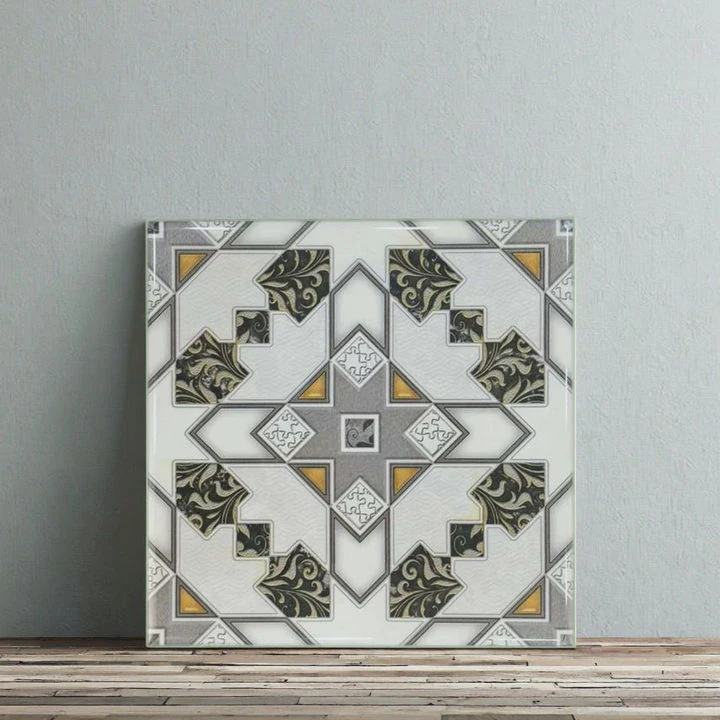
Removing these tiles usually involves peeling from a corner and pulling gently. Heat from a hairdryer can help soften the adhesive for easier removal. On smooth walls, tiles often come off cleanly. On textured surfaces, some adhesive residue may remain, requiring mild scraping or cleaning solutions.
Steps to Remove Peel and Stick Tiles
- Use a utility knife to loosen edges.
- Gently pull the tile away from the surface.
- Apply heat if adhesive is stubborn.
- Clean remaining residue with warm soapy water or adhesive remover.
It’s worth noting that older or high-strength tiles may be harder to remove. Some adhesives bond strongly with painted walls or laminate surfaces. In these cases, patience and careful technique prevent damage to the underlying surface.
For renters or short-term projects, peel and stick tiles offer flexibility. They allow temporary changes without long-term commitment, making them ideal for leased apartments or quick renovations. They are also great for experimenting with patterns or colors before committing to permanent tiling solutions.
Tips for Clean Removal
- Always peel slowly to avoid tearing the tile.
- Use heat for stubborn adhesive.
- Avoid sharp scraping on delicate surfaces.
- Test a small area first if unsure about residue.
By following these methods, tiles can be removed with minimal impact, which makes them an attractive option for DIY decorators and renters alike.
Conclusion
Peel and stick tiles offer convenience, design flexibility, and affordability for quick home updates. They are suitable for smooth surfaces, reasonably durable for light use, and can be removed with care, making them a practical choice for temporary or decorative projects.