Is Saltillo Tile Expensive?
- Sinotiles
- 2026-05-06
Many buyers love the warm look of Saltillo tile. Still, high prices and hidden costs often make people hesitate before placing large orders.
Saltillo tile is usually more expensive than standard ceramic tiles because it is handmade, porous, and labor-intensive. Material prices, tile size, finish, sealing needs, and installation complexity all affect the final cost.
Saltillo tile has a unique style that many homeowners, designers, and importers still prefer today. The earthy colors and handmade texture create a natural look that machine-made tiles often cannot fully copy. At the same time, buyers should understand where the extra cost comes from before making a purchase decision.
What Factors Influence Saltillo Tile Pricing?
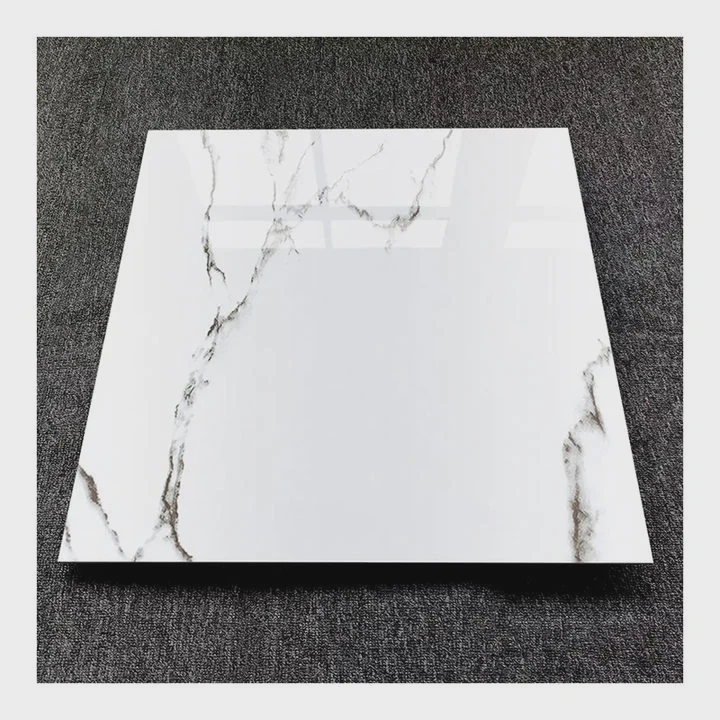
Many buyers compare Saltillo tile with porcelain or ceramic tiles and feel surprised by the price difference. The cost often looks high at first glance.
Saltillo tile pricing depends on raw materials, handmade production, tile size, finish type, transportation, sealing requirements, and market demand. Larger and more decorative tiles usually cost more than standard options.
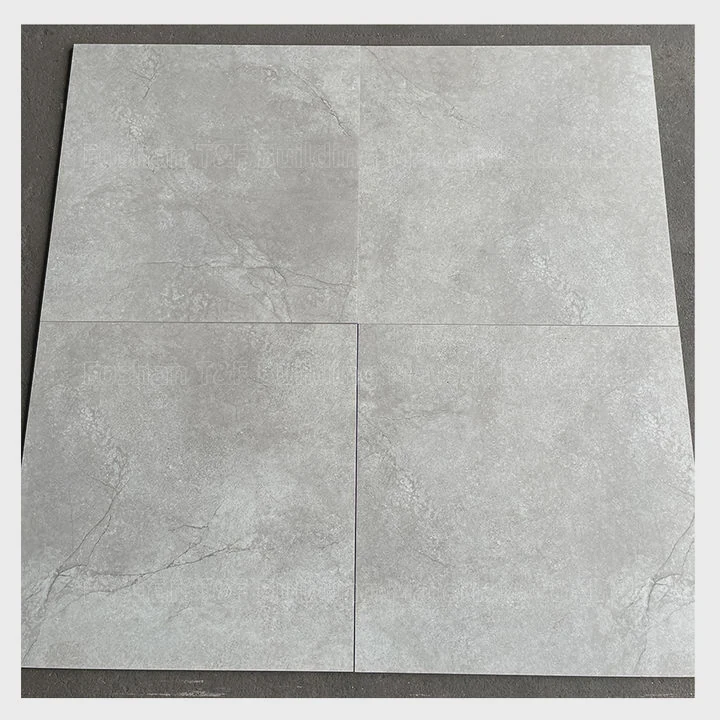
Saltillo tile prices vary widely between suppliers and markets. Some projects use basic unfinished tiles. Others require premium sealed products with custom shapes and colors. Each detail changes the final budget.
Raw Material Quality
Saltillo tiles are traditionally made from natural clay. The clay quality directly affects durability and appearance. Better clay sources create stronger and more consistent tiles. This usually increases production costs.
Low-grade clay may reduce prices, but it can also create problems such as:
- Uneven thickness
- Higher breakage rates
- Color inconsistency
- Weak edges
Buyers for commercial projects often choose more stable products because replacement costs later can become much higher.
Tile Size and Shape
Larger tiles need more raw materials and more careful firing. Custom shapes also increase waste during production.
Here is a simple comparison:
| Tile Type | Typical Cost Level | Production Difficulty |
|---|---|---|
| Small standard Saltillo tile | Lower | Easy |
| Large format Saltillo tile | Medium to High | Moderate |
| Custom decorative patterns | High | Complex |
| Hand-painted Saltillo tile | Very High | Labor-intensive |
Large tiles also increase transportation risks. Breakage during shipping is one of the hidden costs many importers forget to calculate.
Surface Finish
Saltillo tiles may come unfinished, presealed, or fully glazed. Each option changes both product price and installation cost.
Unfinished Tiles
These are usually cheaper upfront. Still, installers must apply sealers after installation. This increases labor time.
Presealed Tiles
These reduce installation work and help prevent stains during grouting. The factory cost is higher, but some contractors prefer them because they save time on-site.
Decorative Finishes
Some factories add antique effects, hand-painted details, or glossy coatings. These finishes increase labor and quality control requirements.
Shipping and Import Costs
Saltillo tiles are heavy. Freight costs matter a lot, especially for overseas buyers.
Several factors increase shipping expenses:
- Long-distance sea freight
- Pallet protection
- Container loading
- Import taxes
- Warehouse handling
This is especially important for distributors in North America, Europe, and the Middle East.
Supply and Demand
Design trends also influence pricing. Rustic and Mediterranean-style interiors have increased demand for natural-looking surfaces. When demand rises, prices usually increase as well.
At the same time, machine-made alternatives have become more competitive. Some buyers now choose porcelain products that imitate Saltillo designs because they offer lower maintenance and easier installation.
How Does Handmade Production Affect Cost?
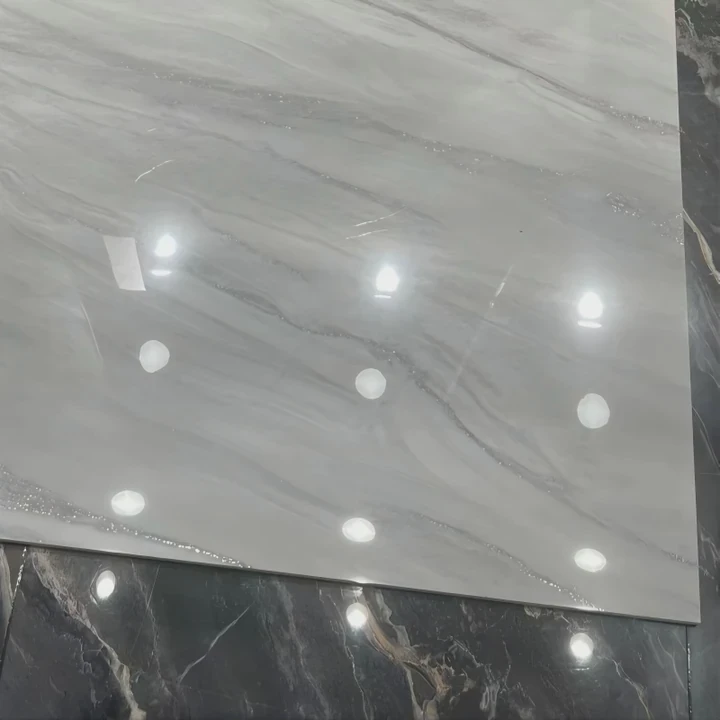
Many people love the handmade appearance of Saltillo tile. Still, few buyers fully understand how much labor is involved in production.
Handmade production raises Saltillo tile prices because each piece requires manual shaping, drying, finishing, and inspection. Labor-intensive manufacturing creates higher costs than machine-made ceramic tiles.

Handmade tile production takes much more time than automated ceramic manufacturing. This process creates unique visual beauty, but it also increases expenses across the supply chain.
The Handmade Process Takes Time
Factories producing machine-made porcelain tiles can manufacture thousands of perfectly identical pieces every hour. Saltillo production works very differently.
Traditional production often includes these steps:
- Clay preparation
- Hand pressing or molding
- Air drying
- Kiln firing
- Manual edge finishing
- Sorting and inspection
Workers handle many stages directly. This increases labor costs significantly.
Variations Increase Waste
One important detail many buyers overlook is production variation.
Because Saltillo tiles are handmade:
- Thickness may vary
- Sizes may differ slightly
- Surface texture changes naturally
- Color tones are inconsistent
Some variation is desirable because it creates the authentic rustic look. Still, factories must sort tiles carefully before packing. This sorting process adds extra labor.
The variation also creates higher waste percentages during installation.
Labor Costs Continue Rising
Labor costs have increased globally over the last decade. Handmade industries feel this pressure more than automated factories.
Here is a simple comparison between handmade and machine-made production:
| Production Type | Labor Requirement | Output Speed | Cost Level |
|---|---|---|---|
| Handmade Saltillo tile | Very High | Slow | High |
| Standard ceramic tile | Moderate | Fast | Medium |
| Automated porcelain tile | Low | Very Fast | Lower |
This explains why many distributors now look for porcelain alternatives that copy the Saltillo appearance.
Energy Consumption
Kiln firing also affects costs. Handmade tiles may require longer drying and firing cycles because moisture levels are less consistent.
Energy costs include:
- Natural gas
- Electricity
- Kiln maintenance
- Temperature control
When energy prices rise, handmade tile costs usually rise too.
Quality Control Requires More Attention
Machine-made products follow highly controlled dimensions. Handmade products need more inspection work.
Factories often check:
- Cracks
- Warping
- Color variation
- Edge quality
- Water absorption
This extra quality control protects buyers but also adds cost to every square meter.
Why Buyers Still Choose Handmade Tiles
Despite higher prices, many designers and homeowners still prefer handmade Saltillo tile because no two pieces look exactly the same.
The visual benefits include:
Natural Character
The surface feels warm and organic.
Rustic Appearance
The imperfect texture creates a timeless look.
Unique Color Movement
Natural clay tones create depth that printed tiles sometimes cannot fully copy.
For luxury residential projects, restaurants, resorts, and villas, this handcrafted appearance often justifies the higher investment.
Which Alternatives Offer Similar Appearance at Lower Price?
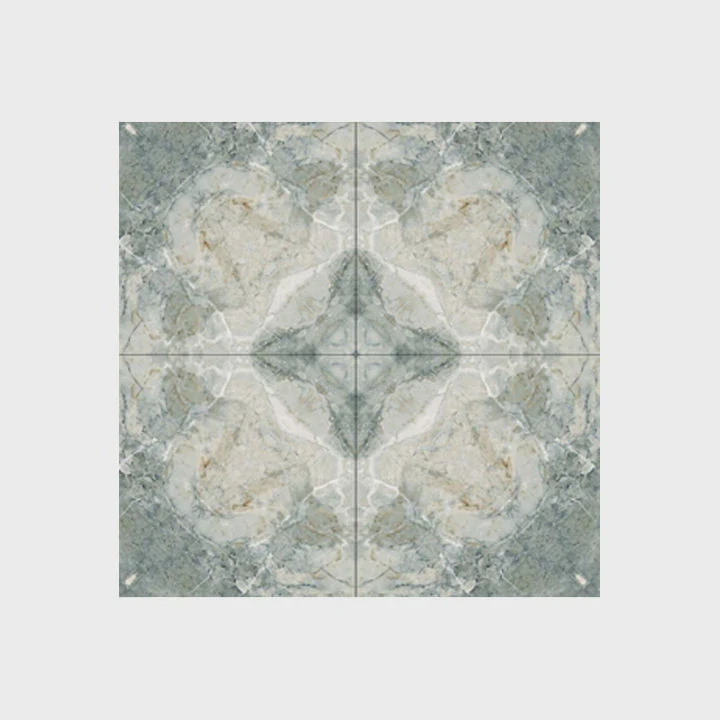
Many buyers want the warm rustic style of Saltillo tile but prefer lower maintenance and lower project costs.
Porcelain tiles, rustic ceramic tiles, terracotta-look tiles, and textured glazed tiles can provide a similar visual effect at a lower price than traditional Saltillo tile.
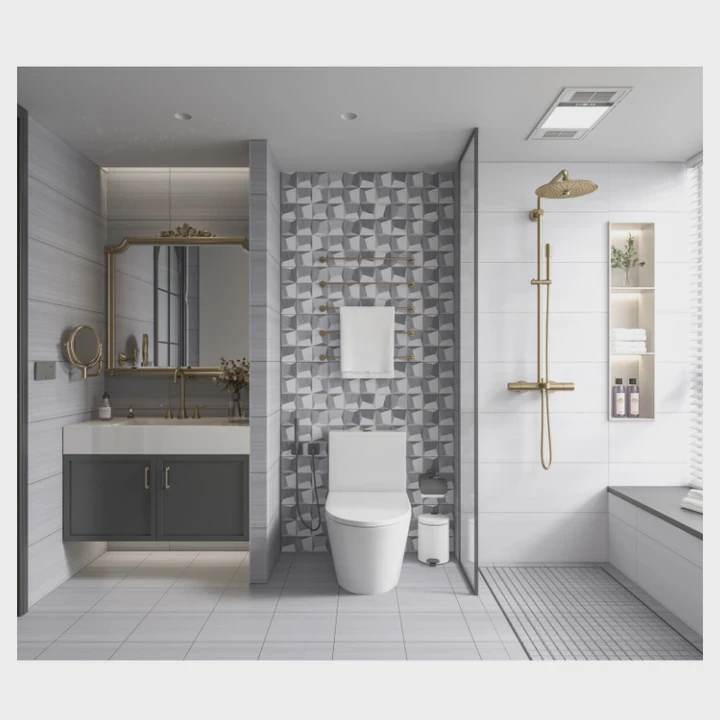
Today’s tile technology has improved significantly. Many factories now produce realistic Saltillo-look porcelain tiles that imitate handmade textures and natural color movement.
Porcelain Tile Alternatives
Porcelain is one of the most popular alternatives because it combines durability with easier maintenance.
Modern digital printing technology can reproduce:
- Clay color variation
- Rustic textures
- Worn antique effects
- Handmade surface appearance
Porcelain tiles also offer practical advantages.
Advantages of Porcelain Alternatives
| Feature | Saltillo Tile | Porcelain Alternative |
|---|---|---|
| Water absorption | High | Very Low |
| Maintenance | High | Low |
| Sealing needed | Yes | Usually No |
| Durability | Moderate | High |
| Color consistency | Variable | Stable |
| Installation difficulty | Higher | Easier |
This is why many commercial projects choose porcelain instead of traditional Saltillo products.
Rustic Ceramic Tiles
Ceramic wall and floor tiles can also imitate Saltillo style at lower prices.
These products usually cost less because:
- Production is automated
- Materials are standardized
- Sizes are more accurate
- Installation is faster
Still, ceramic tiles may not match the same durability level as porcelain in high-traffic areas.
Terracotta-Look Tiles
Some buyers specifically want earthy red and orange tones. Terracotta-look porcelain products are becoming very popular in this segment.
These tiles often combine:
- Matte finishes
- Textured surfaces
- Natural stone effects
- Rustic edge designs
Many suppliers now offer these styles in large formats such as 600×1200mm and 750×1500mm.
Why Importers Often Prefer Alternatives
Many distributors and wholesalers focus on long-term business efficiency. They often prefer products with:
Lower Breakage Risk
Machine-made tiles are more dimensionally stable.
Faster Installation
Installers save time during alignment and grouting.
Lower Customer Complaints
Porcelain surfaces resist stains and moisture better.
Better Container Efficiency
Uniform sizing improves pallet loading and reduces shipping waste.
Design Trends Continue Changing
Modern consumers still want natural-looking spaces. However, they also want easy maintenance.
Because of this, Saltillo-look porcelain products continue gaining market share in:
- Residential housing
- Hotels
- Restaurants
- Retail spaces
- Outdoor patios
This trend has pushed many factories to invest heavily in rustic surface technology.
Can Installation Costs Increase Total Expenses?
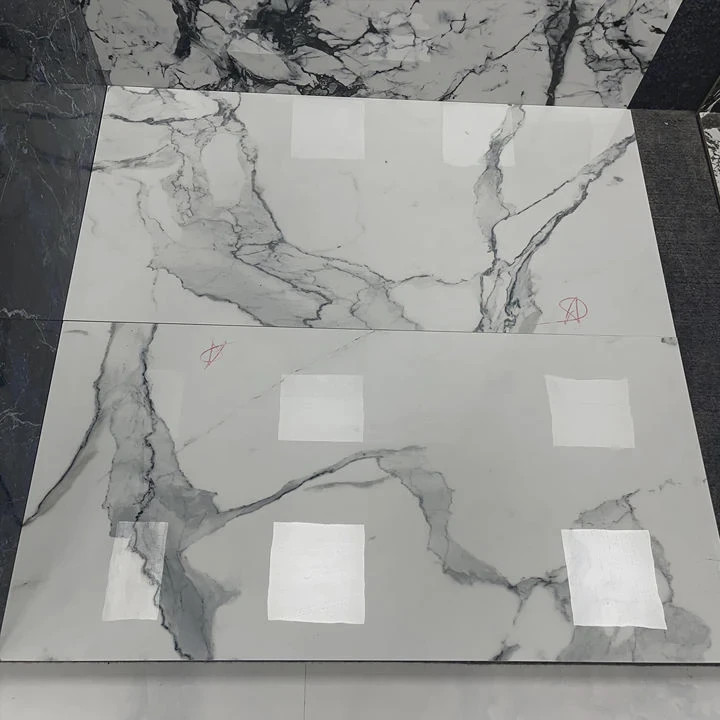
Many buyers only compare tile prices and forget to calculate installation expenses. This mistake can create major budget problems later.
Yes, installation costs can significantly increase total Saltillo tile expenses because the material often requires sealing, careful leveling, special grout handling, and extra labor during installation.
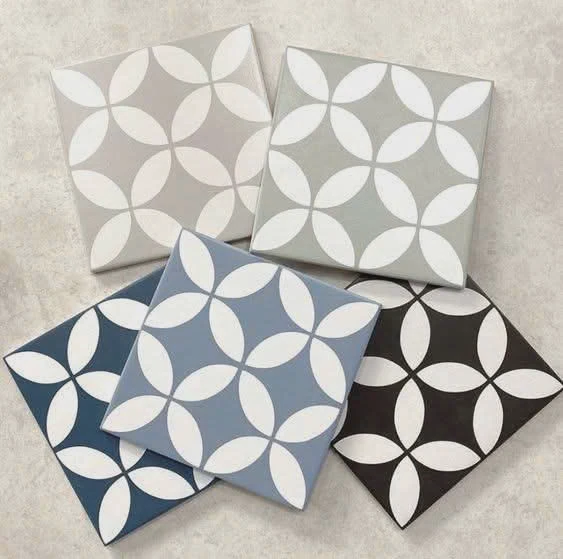
Installation is often one of the biggest hidden costs in Saltillo tile projects. In some cases, labor expenses may even exceed material costs.
Uneven Tile Thickness Creates More Labor
Saltillo tiles are handmade, so thickness variation is common.
Installers must spend more time:
- Adjusting mortar levels
- Aligning tile surfaces
- Correcting uneven edges
- Managing grout spacing
This slows down the entire installation process.
Sealing Is Usually Necessary
Saltillo tile is porous. Without sealing, the surface can absorb:
- Water
- Oil
- Dirt
- Food stains
Most installations require multiple sealing stages.
Pre-Grout Sealing
This protects the tile during grouting.
Final Surface Sealing
This helps improve stain resistance and durability.
Each sealing layer adds material and labor costs.
Higher Risk of Breakage
Saltillo tiles can crack more easily during handling and installation.
Installers often order extra material to cover waste. Waste percentages may range from 10% to 20% depending on project complexity.
Subfloor Preparation Matters
Uneven subfloors increase installation difficulty.
Contractors may need:
- Self-leveling compounds
- Waterproof membranes
- Additional mortar
- Reinforced substrates
These hidden preparation costs are common in renovation projects.
Skilled Labor Costs More
Not every installer has experience with handmade tile products.
Experienced installers usually charge more because they understand:
- Tile variation management
- Proper sealing methods
- Expansion joint planning
- Rustic layout techniques
Choosing inexperienced labor may reduce upfront cost but increase long-term problems.
Long-Term Maintenance Costs
Maintenance is another factor buyers should calculate before choosing Saltillo tile.
Typical maintenance may include:
| Maintenance Task | Frequency | Cost Impact |
|---|---|---|
| Resealing | Every few years | Medium |
| Deep cleaning | Regular | Medium |
| Crack repair | Occasional | Medium to High |
| Surface refinishing | Long-term | High |
Porcelain alternatives often reduce these long-term expenses significantly.
Why Some Buyers Still Accept Higher Installation Costs
Despite the added expense, many people still choose Saltillo tile because of its visual warmth and traditional style.
The final appearance often feels:
- More natural
- More artistic
- More handcrafted
- More unique
For luxury hospitality projects and custom homes, this design value can outweigh the higher installation budget.
Conclusion
Saltillo tile is often more expensive because handmade production, sealing needs, transportation, and specialized installation all increase total costs. Still, many buyers continue choosing it for its warm rustic character. For lower budgets, porcelain alternatives now offer similar appearance with easier maintenance and lower long-term expenses.