Is subway tile in a shower hard to keep clean?
- Sinotiles
- 2026-08-07
Subway tile showers look simple and modern, but many homeowners worry about daily cleaning. Water spots, soap buildup, and grout stains can slowly affect the fresh appearance.
Subway tile in a shower is not hard to keep clean when the right tile care methods, grout choices, and cleaning routines are used regularly.
I have seen that subway tile remains popular because it creates a clean design with many layout options. However, its maintenance depends on several details, especially grout size, tile finish, and daily habits.
What challenges come with cleaning subway tiles?
Subway tiles create a classic shower style, but their many small surfaces and grout connections can collect dirt over time. The cleaning difficulty usually comes from the spaces between tiles instead of the tiles themselves.
The main challenges of cleaning subway tiles include soap buildup, water stains, mildew growth, and dirt collecting in grout lines between each tile.

When I look at a subway tile shower, I notice that the tile surface is usually easy to clean. Most ceramic and porcelain subway tiles have smooth finishes that allow water and cleaning products to move across the surface. The problem often starts around the edges and corners.
A subway tile shower has many grout lines because the design uses repeated rectangular pieces. More grout lines mean more areas where moisture and residue can stay.
Common subway tile cleaning problems
Several issues can make maintenance harder:
| Cleaning challenge | Why it happens | How to manage it |
|---|---|---|
| Soap scum | Body products leave a sticky layer | Use gentle cleaners regularly |
| Water spots | Minerals remain after water dries | Wipe tiles after shower use |
| Mold growth | Moisture stays in grout areas | Improve airflow and clean grout |
| Dirty corners | Water and products collect in hidden areas | Use a small brush for details |
Soap scum is one of the most common problems. When soap mixes with minerals from water, it can create a cloudy layer on tile surfaces. If it stays for a long time, it becomes harder to remove.
Hard water can also create problems. Water contains minerals that may leave white marks on dark or glossy subway tiles. These marks do not mean the tile is damaged, but they can affect the appearance.
Tile finish changes cleaning needs
The type of subway tile also affects maintenance. Glossy tiles often show water marks more clearly, while matte tiles may hide spots better but can hold more surface dirt.
I usually recommend thinking about daily life before choosing a tile finish. A beautiful shower should also fit the cleaning time a homeowner wants to spend.
Large subway tiles can reduce cleaning work because they create fewer joints. Smaller subway tiles create more visual detail but require more attention because of additional grout lines.
Why installation quality matters
Good installation also affects cleaning difficulty. If grout lines are uneven or tile surfaces are not properly sealed, dirt can collect more easily.
A well-installed subway tile shower gives water fewer places to stay. Proper slope, sealed grout, and good ventilation all help reduce future cleaning problems.
The cleaning challenge is not caused by subway tiles alone. The complete shower design decides how easy or difficult maintenance will become.
How can grout lines affect maintenance difficulty?
Grout lines are one of the biggest factors that decide how much work a subway tile shower needs. The tile itself may stay clean, but grout can change color and collect moisture.
Grout lines affect maintenance difficulty because grout is porous and can absorb water, soap residue, and dirt more easily than the tile surface.
I have learned that grout deserves as much attention as the tile. Many people focus only on the visible tile surface and forget that grout controls the overall appearance of the shower.
Why grout becomes difficult to maintain
Grout is usually made from cement-based materials. Unlike smooth tile, grout has small spaces that can absorb moisture and particles.
This creates several common problems:
- Dark stains
- Mildew growth
- Soap residue buildup
- Color changes
- Difficult deep cleaning
The width of grout lines also matters. Wider grout lines create more surface area where dirt can collect. Narrow grout lines usually need less cleaning because there is less exposed grout.
Grout maintenance factors
| Factor | Effect on cleaning | Maintenance advice |
|---|---|---|
| Grout color | Light colors show stains faster | Choose practical colors |
| Grout width | Wider lines collect more dirt | Use smaller gaps when possible |
| Grout type | Some materials resist stains better | Select quality grout products |
| Sealing | Protects against moisture absorption | Reapply when needed |
I always consider grout as part of the shower design, not only as a construction material. A beautiful tile pattern can become difficult to maintain if the grout choice does not match the bathroom environment.
Sealing grout for easier care
Grout sealing can make cleaning easier because it adds a protective layer. The sealer reduces how much water and dirt enter the grout.
However, sealing does not remove the need for cleaning. It only provides extra protection.
I also avoid waiting until grout becomes heavily stained. Regular light cleaning is usually easier than trying to restore old discoloration.
Cleaning habits influence grout condition
Daily habits have a direct effect on grout life. Leaving water on the walls after every shower increases moisture exposure. Poor ventilation also creates a better environment for mildew.
A simple habit, such as drying the shower area after use, can reduce future problems.
Grout does not have to be difficult. It becomes difficult when small maintenance tasks are ignored for a long time.
Why choose darker grout for easier upkeep?
Grout color is an important design decision because it changes both appearance and maintenance needs. Many homeowners choose light grout for a clean look, but it often requires more care.
Darker grout is easier to maintain because it hides stains, water marks, and small dirt particles better than light-colored grout.
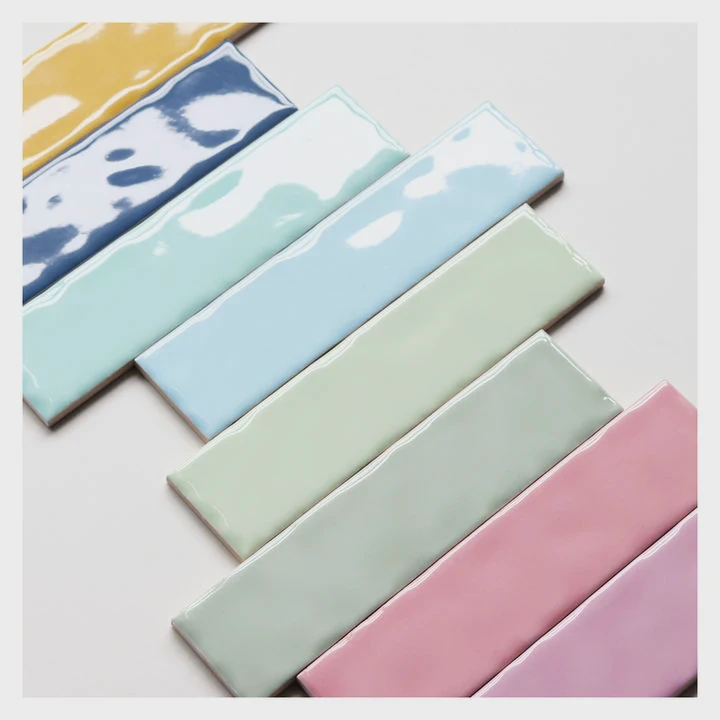
When I compare different subway tile showers, I notice that grout color can change the amount of visible cleaning. White grout creates a bright appearance, but it quickly shows every small stain.
Dark grout provides a practical advantage. It does not mean the grout never needs cleaning, but it can make the shower look cleaner between maintenance sessions.
Benefits of darker grout
Darker grout offers several benefits:
- It hides daily dirt better
- It keeps a consistent appearance longer
- It reduces visible discoloration
- It works well with many tile colors
- It creates stronger design contrast
For busy households, darker grout can reduce stress because small marks are less noticeable.
Comparing grout colors
| Grout color | Appearance | Cleaning needs |
|---|---|---|
| White | Bright and classic | Requires frequent cleaning |
| Light gray | Clean but practical | Moderate maintenance |
| Dark gray | Modern and forgiving | Lower visible maintenance |
| Black | Strong contrast design | Shows some mineral residue |
I often suggest gray grout as a balanced choice. It provides a modern look while hiding common shower marks better than pure white grout.
Dark grout still needs care
Some people think dark grout eliminates cleaning. That is not true. Dirt and mildew can still develop, especially in wet areas.
Dark grout only changes how quickly problems become visible. Regular cleaning remains important for hygiene and long-term durability.
The best grout choice depends on the bathroom style, water quality, and cleaning habits. A practical design should consider both beauty and everyday use.
Which tips keep subway tile showers clean?
A subway tile shower stays attractive when cleaning becomes a regular habit instead of a difficult project. Small actions can prevent major buildup.
The best tips for keeping subway tile showers clean include drying surfaces, using gentle cleaners, maintaining grout, and creating a simple cleaning schedule.

I believe maintenance becomes easier when the shower receives small amounts of attention often. Waiting until stains become obvious usually creates more work.
Daily maintenance tips
A few daily steps can make a big difference:
- Use a shower squeegee after bathing
- Keep air moving with a fan or open window
- Remove standing water
- Avoid leaving bottles covered with residue
- Rinse soap from tile surfaces
These habits reduce moisture and prevent residue from becoming permanent.
Weekly cleaning approach
A weekly cleaning routine can include wiping tile surfaces, checking grout areas, and cleaning corners.
I prefer gentle cleaning methods because they protect tile finishes. Strong chemicals are not always necessary when maintenance happens regularly.
Long-term subway tile care
A practical maintenance plan can include:
| Time period | Cleaning task |
|---|---|
| Daily | Remove water and improve airflow |
| Weekly | Clean tile surfaces and grout areas |
| Monthly | Check stains and deep clean problem areas |
| Yearly | Inspect grout condition and sealing needs |
I also recommend choosing cleaning tools carefully. Soft brushes and microfiber cloths usually work well because they remove dirt without scratching surfaces.
The best subway tile shower is not the one that never gets dirty. It is the one that is designed and maintained in a way that makes cleaning simple.
A good tile choice, suitable grout color, and consistent routine can keep a subway tile shower looking fresh for many years.
Conclusion
Subway tile showers are easy to maintain when grout, cleaning methods, and daily habits are managed correctly. With smart design choices and regular care, subway tiles can stay clean and attractive.