What Color Grout to Use With White Subway Tile?
- Sinotiles
- 2026-05-20
Many people choose white subway tile because it looks clean and timeless. Yet the wrong grout color can completely change the final result and make the space feel unbalanced.
The best grout color for white subway tile depends on the style, maintenance needs, lighting, and design goals of the space. White grout creates a seamless look, gray grout adds balance, and dark grout creates strong visual contrast.
White subway tile remains one of the most popular choices for kitchens, bathrooms, hotels, cafes, and commercial interiors. Still, grout selection is often overlooked during planning. A small color choice can change the entire appearance of the wall or floor.
Which Grout Colors Complement White Subway Tiles?
White subway tiles work with many grout colors because white acts as a neutral base. Still, not every grout color creates the same mood or visual effect.
White subway tiles pair well with white, light gray, dark gray, black, beige, and even colored grout. Each grout option changes the style, depth, and maintenance level of the finished design.
Many homeowners focus only on tile size or layout. Yet grout lines are equally important because they define the tile pattern. Some grout colors make the surface look smooth and soft. Others make every tile stand out clearly.
White Grout Creates a Classic Look
White grout is the most traditional choice for white subway tile. It creates a clean and continuous appearance. This style works very well in:
- Modern kitchens
- Minimalist bathrooms
- Scandinavian interiors
- Small spaces with limited light
Still, white grout may become dirty faster in high-traffic areas.
Gray Grout Adds Balance
Gray grout has become extremely popular in recent years. It offers contrast without becoming too bold.
Light gray grout creates a softer effect, while medium gray adds stronger tile definition.
Many designers prefer gray because it hides dirt better than pure white grout.
Black Grout Creates Strong Contrast
Black grout creates a dramatic and modern appearance. It highlights the subway tile pattern clearly.
This style works especially well in:
- Industrial interiors
- Modern cafes
- Contemporary bathrooms
- Commercial feature walls
However, dark grout may make small rooms feel busier.
Beige and Warm-Tone Grout
Warm grout colors help create cozy spaces. Beige grout pairs well with:
- Wood cabinets
- Warm lighting
- Rustic interiors
- Farmhouse kitchens
This option softens the brightness of white tile.
Colored Grout for Creative Design
Some designers use blue, green, or even metallic grout for unique projects.
These styles are more common in restaurants, boutiques, or artistic commercial spaces.
Popular Grout Color Comparison
| Grout Color | Visual Effect | Maintenance Level |
|---|---|---|
| White | Seamless and clean | High |
| Light gray | Soft contrast | Medium |
| Dark gray | Strong definition | Low |
| Black | Bold and modern | Medium |
| Beige | Warm and soft | Medium |
In many commercial projects, grout color also affects long-term maintenance costs. Some hotel and retail clients prefer darker grout because it hides stains more effectively in busy environments.
How Can Contrast Affect Tile Design Appearance?
Contrast changes how people see tile layouts. Even simple white subway tiles can look completely different depending on grout color contrast.
High-contrast grout makes tile patterns stand out strongly, while low-contrast grout creates a smoother and more unified appearance. Contrast influences room size perception, visual texture, and overall design style.
Many people underestimate how much grout lines shape the final design. In reality, grout can become one of the strongest visual elements in the room.
High Contrast Creates Visual Impact
Dark grout with white subway tile creates a clear grid pattern. Every tile becomes more visible.
This style often feels:
- Modern
- Industrial
- Geometric
- Structured
Restaurants and cafes often use this design because it creates strong visual identity.
Low Contrast Feels Softer
Light grout blends into white subway tile. This creates a calm and spacious appearance.
This approach works well in:
- Small bathrooms
- Luxury hotels
- Spa interiors
- Residential kitchens
Low contrast also helps walls feel less busy.
Contrast Changes Room Perception
Design contrast can affect how large or small a room appears.
Dark grout may visually break the surface into many smaller sections. This can make compact rooms feel tighter.
Light grout creates smoother surfaces and often helps rooms feel larger.
Lighting Also Matters
Natural and artificial lighting affect grout appearance.
A medium gray grout may look darker in low-light bathrooms but lighter in kitchens with strong sunlight.
This is why many designers test grout samples directly on site before final approval.
Tile Layout Visibility
Certain tile patterns become more noticeable with stronger contrast.
For example:
| Tile Pattern | Best Contrast Type |
|---|---|
| Classic brick layout | Medium contrast |
| Herringbone | High contrast |
| Vertical stack | Low contrast |
| Basket weave | Medium to high contrast |
The grout color can either emphasize or soften the installation pattern.
Maintenance and Contrast
Contrast also affects how dirt appears over time.
White grout shows stains faster. Black grout may reveal soap residue or mineral buildup in bathrooms.
Many commercial buyers now request stain-resistant grout options because appearance consistency is important in customer-facing spaces.
The right contrast level depends on the overall design goal. Some projects need strong visual energy, while others benefit from quiet and seamless surfaces.
Why Choose Light Grout for Seamless Looks?
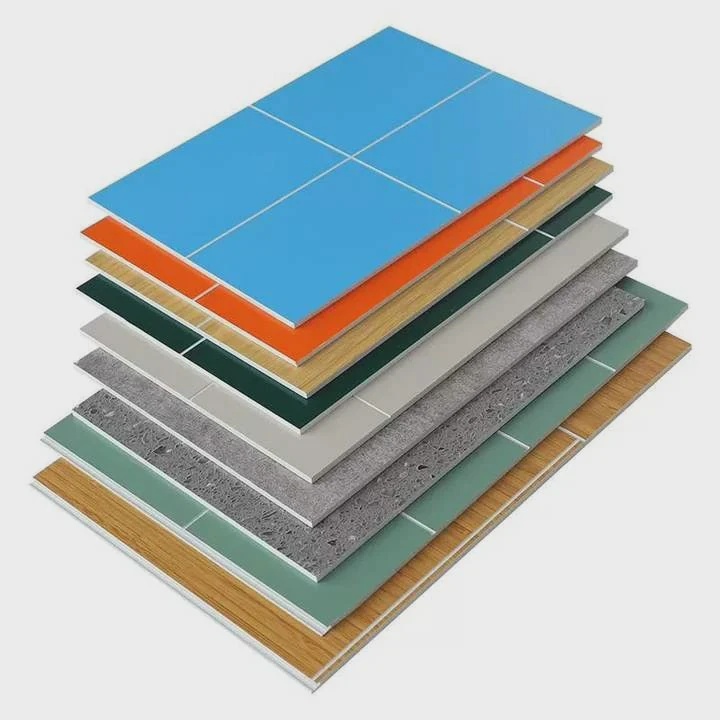
Many modern interiors aim for clean and simple surfaces. Light grout helps create this effect by reducing visual separation between tiles.
Light grout creates a seamless look because it blends with white subway tile, softens grout lines, reflects more light, and makes spaces appear cleaner and larger. This style remains popular in modern residential and hospitality design.
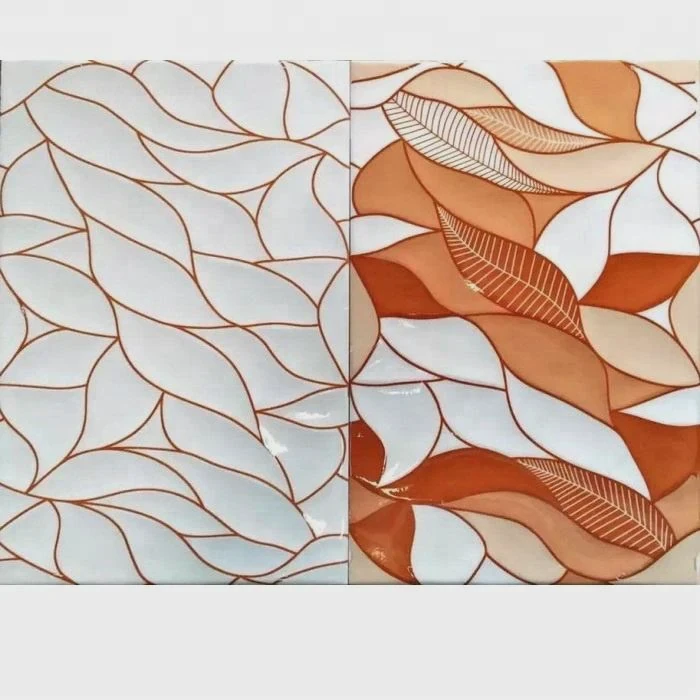
This design approach has become very common in luxury apartments, hotels, and minimalist interiors. Many designers prefer subtle grout because it allows other design elements to stand out more naturally.
Continuous Surface Appearance
Light grout reduces visual interruptions between tiles. Instead of focusing on each tile individually, the eye sees one larger surface.
This creates a calmer environment.
Better Light Reflection
White and light gray grout reflect more light than dark grout.
This helps brighten:
- Small kitchens
- Bathrooms without windows
- Narrow hallways
- Commercial interiors with limited lighting
Brighter surfaces often feel cleaner and more open.
Timeless Design Style
Strong contrast trends may change over time. Seamless white tile designs usually stay popular longer.
This is one reason why many property developers choose light grout for residential projects.
Neutral designs appeal to a wider range of buyers and tenants.
Ideal for Minimalist Interiors
Minimalist spaces focus on simplicity and clean lines.
Light grout supports this concept because it avoids strong visual distractions.
This style pairs well with:
- White cabinets
- Natural wood
- Soft lighting
- Matte finishes
- Neutral furniture
Challenges of Light Grout
Despite its beauty, light grout requires more maintenance.
Common issues include:
- Dirt buildup
- Grease stains
- Discoloration
- Mold growth in wet areas
Sealing grout helps reduce these problems.
Best Applications for Light Grout
| Space Type | Why Light Grout Works |
|---|---|
| Residential kitchen | Bright and clean appearance |
| Luxury bathroom | Spa-like atmosphere |
| Hotel wall design | Elegant and timeless |
| Small apartment | Makes space feel larger |
In many export projects, clients now request stain-resistant grout technology because they want the visual benefits of light grout without heavy maintenance problems.
A seamless design often feels more relaxing and refined. This is why light grout continues to remain one of the safest and most popular choices for white subway tile.
What Factors Influence Grout Color Selection?
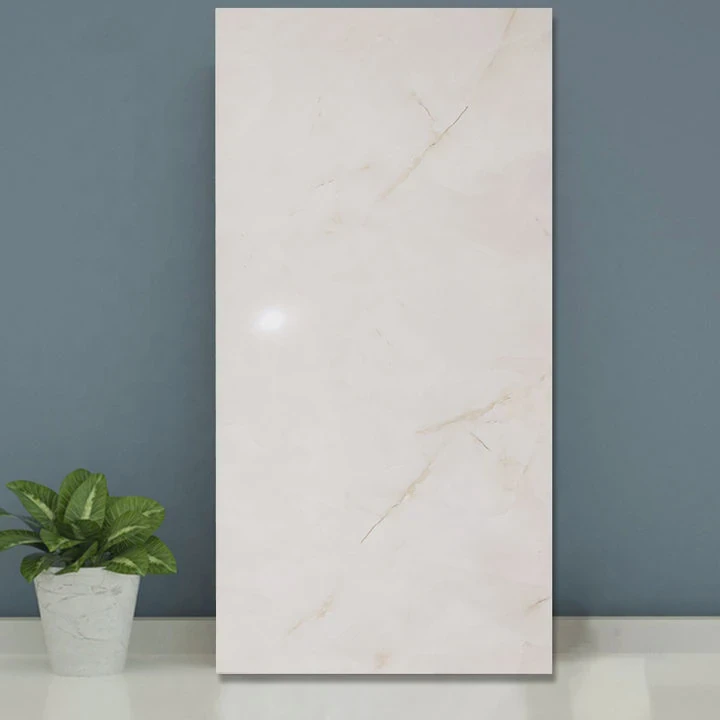
Choosing grout color is not only about personal taste. Many practical and visual factors affect which option works best for a project.
Grout color selection depends on tile style, room size, lighting, maintenance needs, design goals, traffic levels, and long-term durability expectations. The right grout balances appearance with practical performance.
In both residential and commercial projects, grout decisions affect maintenance costs, customer satisfaction, and overall visual quality.
Tile Finish and Texture
Glossy white subway tiles reflect more light and create sharper contrast with dark grout.
Matte tiles usually create softer transitions.
Textured surfaces may also trap more dirt near grout lines.
Room Size
Small rooms often benefit from lighter grout because it creates a more open feeling.
Large commercial spaces sometimes use darker grout to add structure and visual definition.
Cleaning Requirements
Maintenance is one of the biggest factors in grout selection.
Here is a simple comparison:
| Grout Shade | Cleaning Visibility |
|---|---|
| White | Shows dirt quickly |
| Light gray | Balanced |
| Dark gray | Hides dirt better |
| Black | Shows soap residue |
Busy kitchens and public spaces often avoid pure white grout for this reason.
Interior Design Style
Different design styles usually pair with different grout approaches.
| Design Style | Common Grout Choice |
|---|---|
| Minimalist | White or light gray |
| Industrial | Dark gray or black |
| Farmhouse | Beige or warm gray |
| Luxury modern | Soft gray |
| Vintage | Cream or beige |
The grout should support the overall design direction instead of competing with it.
Lighting Conditions
Lighting strongly changes grout appearance.
Warm lighting may make gray grout appear beige. Cool LED lighting may make white grout look blue-toned.
Testing samples inside the actual space helps avoid mistakes.
Long-Term Durability
Some grout colors age better than others.
Medium gray grout often provides the best balance between appearance and maintenance.
This is one reason why many contractors recommend it for large-scale projects.
Customer Preferences Continue to Change
Design trends evolve over time. A few years ago, black grout became very popular in industrial-style interiors. Today, many homeowners are returning to softer and warmer tones.
Still, timeless designs usually perform better in long-term residential and commercial projects.
Choosing grout color carefully helps create a balanced and durable tile design. The right combination improves beauty, maintenance performance, and long-term customer satisfaction.
Conclusion
The best grout color for white subway tile depends on the desired style, lighting, maintenance level, and room design. White grout creates seamless elegance, gray adds balance, and dark grout creates bold contrast. Careful grout selection helps white subway tile remain timeless, practical, and visually attractive for years.