What Is Encaustic Tile?
- Sinotiles
- 2026-07-14
Many people see beautiful patterned tiles in homes, hotels, and cafes, but they are not sure what makes them different from ordinary floor or wall tiles. The name “encaustic tile” often causes confusion because many modern products only copy the look.
Encaustic tile is a decorative cement tile made by pressing colored cement into molds instead of applying a printed glaze. Its pattern is part of the tile itself, which gives it a rich appearance, long-lasting color, and a handcrafted style that has remained popular for generations.
If you plan to use encaustic tiles in a home or commercial project, it helps to understand how they are made, how they compare with ceramic tiles, and how to keep them looking beautiful for years.
What Defines Encaustic Tile Design and Composition?
Many decorative tiles look similar at first glance. However, the manufacturing process behind encaustic tiles is completely different from most ceramic products.
Encaustic tiles are made from layers of colored cement, fine sand, marble powder, and pigments. Instead of using a glazed surface, the decorative pattern is created by pouring different colored cement mixtures into metal molds before the tile is hydraulically pressed and cured.
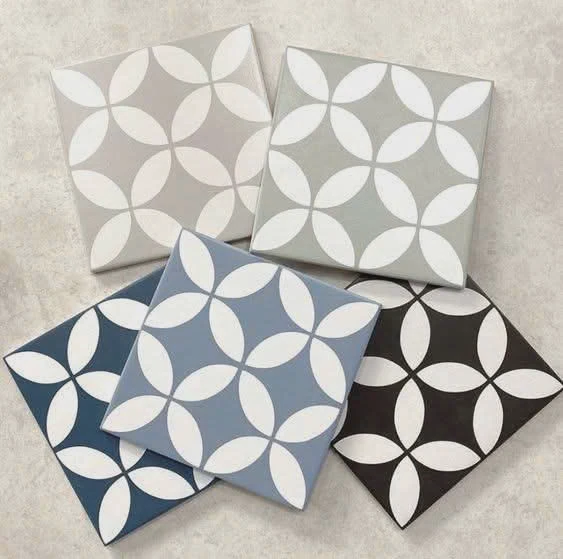
Unlike traditional ceramic tiles that depend on firing in a kiln, encaustic cement tiles are produced through pressure and natural curing. This manufacturing process gives each tile a handcrafted appearance with slight variations that many designers value.
The Main Materials
Every encaustic tile consists of several layers, each serving a different purpose.
The top layer contains:
- White cement
- Marble powder
- Mineral pigments
- Fine sand
The middle layer helps bond the decorative surface to the base.
The bottom layer provides strength and stability with coarse cement and sand.
These layers work together to create a durable tile that can withstand years of daily use.
How the Pattern Is Created
The decorative pattern is not printed on the surface.
Instead, skilled workers place a metal mold over the tile and pour different colored cement mixtures into separate sections.
Once the mold is removed, another cement layer is added before the entire tile is compressed using a hydraulic press.
This process means the color extends several millimeters into the surface instead of sitting on top like a glaze.
Characteristics of Encaustic Tiles
| Feature | Description |
|---|---|
| Material | Cement, marble powder, pigments |
| Manufacturing | Hydraulic pressing |
| Surface | Matte finish |
| Pattern | Colored cement throughout the top layer |
| Appearance | Handmade with natural variation |
Because each tile is individually produced, small differences in color and texture are normal. These slight changes give encaustic tiles their authentic character instead of making every piece look perfectly identical.
Another important point is that encaustic tiles continue curing after production. Unlike fired ceramic products, cement gains strength over time. This makes proper installation and sealing especially important. Once installed correctly, encaustic tiles can provide decades of reliable service while maintaining their distinctive handcrafted appearance.
Many architects also appreciate the design flexibility. Manufacturers can create geometric shapes, floral motifs, traditional patterns, and modern minimalist designs simply by changing the metal mold. This allows encaustic tiles to fit both classic and contemporary spaces.
How Are Encaustic Tiles Different from Ceramic Tiles?
Many homeowners compare encaustic tiles with ceramic tiles because both are widely used in kitchens, bathrooms, and living spaces. Although they may appear similar, they differ in several important ways.
Encaustic tiles are cement-based and handmade, while ceramic tiles are clay-based and kiln-fired. Ceramic tiles usually have a glazed surface, whereas encaustic tiles display their pattern through colored cement, giving them a softer, more natural appearance.
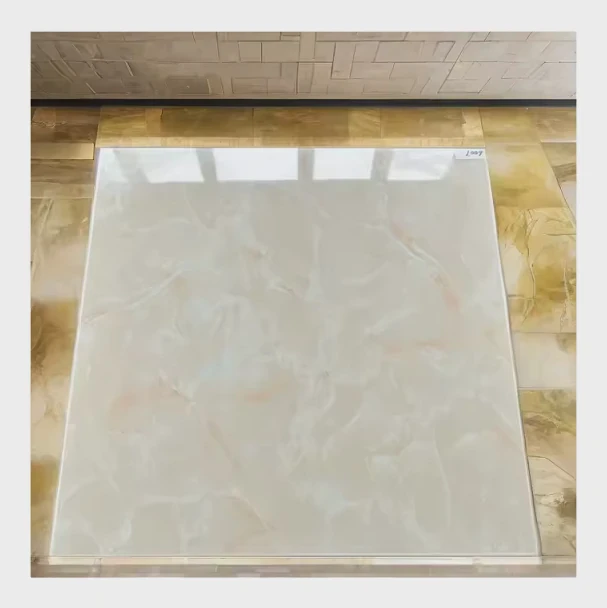
Choosing between the two depends on design goals, maintenance preferences, and project requirements.
Manufacturing Process
Ceramic tiles begin as clay.
They are shaped, dried, glazed if necessary, and fired at high temperatures.
Encaustic tiles use cement instead of clay.
They are compressed under high pressure and cured naturally without kiln firing.
This difference affects both appearance and performance.
Surface Finish
Ceramic tiles often have:
- Glossy finish
- Satin finish
- Matte glaze
- Printed decoration
Encaustic tiles usually feature:
- Natural matte surface
- Rich cement texture
- Handmade appearance
- Soft color transitions
Many interior designers prefer encaustic tiles because they look less manufactured.
Performance Comparison
| Property | Encaustic Tile | Ceramic Tile |
|---|---|---|
| Base Material | Cement | Clay |
| Production | Hydraulic press | Kiln fired |
| Surface | Matte cement | Glazed or unglazed |
| Color Depth | Through the top layer | Printed or glazed |
| Sealing Needed | Yes | Usually No |
Cost and Installation
Encaustic tiles generally cost more because production involves more manual work.
Installation also requires additional attention.
The tiles should be sealed before and after grouting to prevent staining.
Ceramic tiles are usually easier to install and require less maintenance after installation.
Neither material is automatically better.
Ceramic tiles offer convenience, excellent stain resistance, and wide design options.
Encaustic tiles provide a handcrafted appearance that many people find warmer and more artistic.
The decision often comes down to whether the project values low maintenance or unique visual character. For luxury residential projects, boutique hotels, restaurants, and feature walls, encaustic tiles often create a stronger design statement than mass-produced ceramic products.
Why Are Encaustic Tiles Popular in Interiors?
Many design trends come and go, yet encaustic tiles continue appearing in modern homes as well as historic buildings. Their popularity has remained strong because they combine artistic beauty with practical durability.
Encaustic tiles are popular because they offer bold patterns, handcrafted character, timeless appeal, and exceptional design flexibility. They can become the focal point of a room while complementing both traditional and contemporary interior styles.
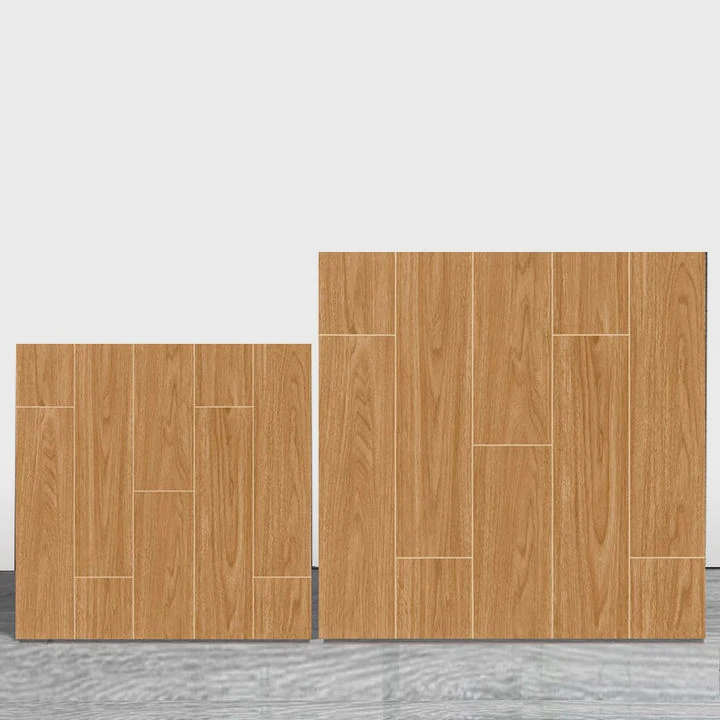
Interior designers often use encaustic tiles to add personality without relying on excessive decoration.
Rich Visual Impact
One patterned floor can completely transform a room.
Instead of covering every surface, designers often use encaustic tiles in selected areas.
Popular applications include:
- Kitchen backsplashes
- Bathroom floors
- Entryways
- Dining rooms
- Accent walls
- Fireplace surrounds
Even a small installation can create a memorable visual effect.
Wide Design Variety
Modern manufacturers produce thousands of patterns.
Common styles include:
- Moroccan
- Mediterranean
- Spanish
- Victorian
- Geometric
- Contemporary minimalist
This variety allows designers to match many different architectural styles.
Timeless Rather Than Trendy
Many decorative products lose popularity after only a few years.
Encaustic tiles have remained desirable for more than a century.
Historic buildings across Europe still feature original encaustic floors that continue inspiring modern interior design.
Natural Character
One feature many homeowners appreciate is the slight variation between individual tiles.
Small differences in tone and texture create a handcrafted appearance that machine-made products often cannot duplicate.
This natural variation adds warmth and depth to interior spaces.
Another reason for their popularity is versatility. Encaustic tiles work equally well in residential homes, hotels, restaurants, coffee shops, and retail stores. They can cover an entire floor or simply create a decorative border.
Designers also enjoy mixing encaustic tiles with wood, concrete, marble, and metal finishes. The matte cement surface balances polished materials while introducing color and pattern into otherwise simple spaces. This flexibility allows encaustic tiles to fit almost any interior design concept.
Which Maintenance Practices Suit Encaustic Tiles?
Beautiful tiles stay attractive only when they receive proper care. Because encaustic tiles are made from cement, they require different maintenance than glazed ceramic products.
Regular sweeping, damp mopping, prompt stain removal, and periodic sealing are the most effective maintenance practices for encaustic tiles. Gentle cleaning products help preserve both the surface and the decorative pattern over many years.
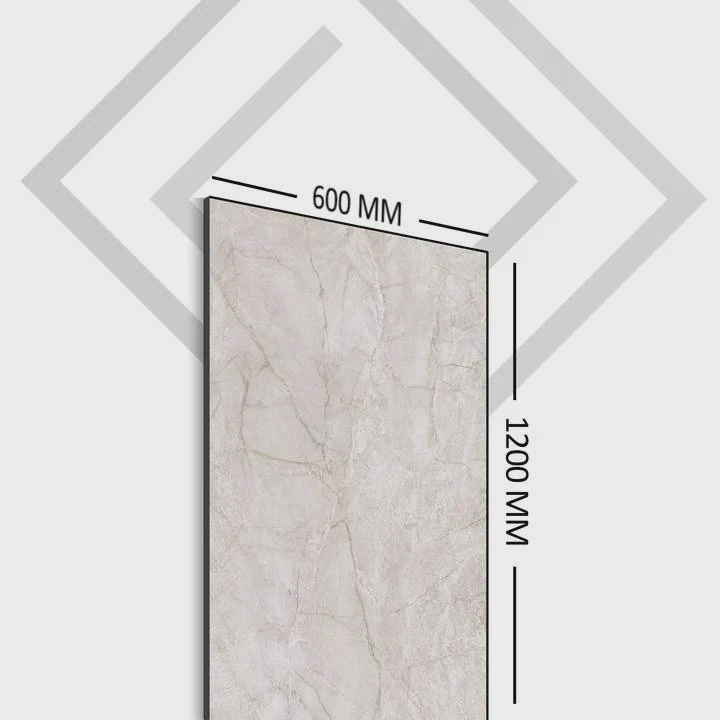
Good maintenance begins immediately after installation.
Seal the Surface
A high-quality penetrating sealer protects the porous cement from absorbing moisture and stains.
Most installers recommend:
- Sealing before grouting
- Applying another coat after installation
- Resealing periodically depending on traffic
This greatly improves stain resistance.
Daily Cleaning
Routine cleaning is simple.
Use:
- Soft broom
- Vacuum without a beater bar
- Damp microfiber mop
- pH-neutral cleaner
Avoid harsh chemicals that may damage the cement surface.
Remove Spills Quickly
Because cement is naturally porous, spills should not remain on the surface.
Coffee, wine, oil, and acidic liquids can leave permanent stains if ignored for too long.
Quick cleaning reduces this risk significantly.
Products to Avoid
Do not use:
- Strong acids
- Bleach
- Abrasive powders
- Steel wool
- Highly alkaline cleaners
These products may weaken the sealer or dull the tile surface.
Proper maintenance does not require complicated routines. Consistency matters much more than aggressive cleaning. Frequent light cleaning keeps dirt from becoming embedded in the surface and reduces long-term wear.
High-traffic commercial spaces may require more frequent resealing than residential homes. Entry mats also help reduce sand and grit that could gradually wear the tile finish.
With appropriate care, encaustic tiles age gracefully. Many older installations actually develop additional character over time, giving interiors a lived-in appearance that many homeowners and designers appreciate. Regular maintenance protects that beauty while allowing the handcrafted patterns to remain the centerpiece of the space for decades.
Conclusion
Encaustic tiles combine handcrafted artistry with durable cement construction, making them a timeless choice for both traditional and modern interiors. Understanding their composition, differences from ceramic tiles, design advantages, and proper maintenance helps homeowners and designers enjoy their unique beauty for many years.
- Pre: How to Join Tile and Carpet?
- Next: Sorry!