What Is Glazed Tile?
- Sinotiles
- 2026-06-15
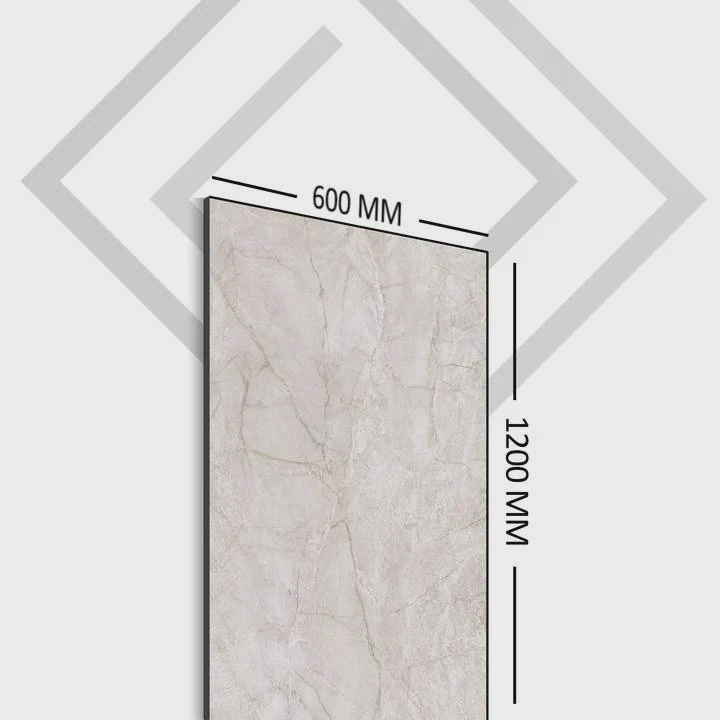
Many buyers see glazed tiles every day, yet many still feel unsure about what makes them different from other tile types.
Glazed tile is a ceramic or porcelain tile with a protective glass-like coating on its surface. This coating adds color, texture, pattern, and resistance to stains and moisture, making glazed tiles a popular choice for residential and commercial spaces.
Understanding glazed tiles is important for importers, distributors, contractors, and project buyers. The manufacturing process, performance features, applications, and durability all affect purchasing decisions. A closer look at these factors helps explain why glazed tiles remain one of the most widely used flooring and wall materials in the global market.
How Is Glazed Tile Manufactured?
Many buyers focus only on appearance. However, the manufacturing process often determines the quality, consistency, and long-term performance of glazed tiles.
Glazed tiles are manufactured by forming a ceramic or porcelain body, firing it, applying a glaze coating, and then firing it again at high temperatures. This process creates a durable surface with decorative and protective properties.
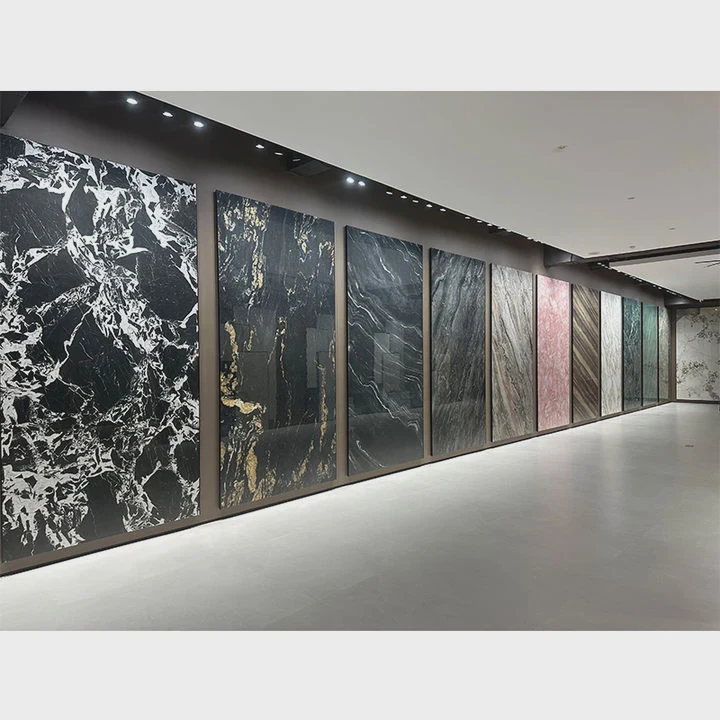
The production of glazed tiles involves several controlled stages. Each step plays a direct role in the final quality of the product.
Raw Material Preparation
The process starts with natural materials such as clay, feldspar, silica, and other minerals. These materials are carefully selected and mixed to achieve the desired technical properties.
The raw materials are crushed and ground into fine powder. Water is added to create a homogeneous mixture. This consistency is important because uneven material distribution can lead to defects during firing.
Tile Forming
After preparation, the material is shaped into tile bodies. Manufacturers commonly use hydraulic presses to compress the powder under high pressure.
This stage determines:
| Manufacturing Factor | Impact on Tile Quality |
|---|---|
| Pressing pressure | Density and strength |
| Moisture content | Shape stability |
| Material consistency | Surface quality |
| Size accuracy | Installation performance |
A dense tile body generally performs better during transportation and installation.
Drying and First Firing
Freshly pressed tiles contain moisture. Drying removes excess water before firing.
The tiles then enter a kiln where temperatures can exceed 1,000°C. During this firing stage, the tile body gains strength and structural stability.
Glaze Application
The glaze is a liquid mixture containing minerals, pigments, and additives.
Manufacturers can apply glaze through:
- Spraying
- Waterfall coating
- Screen printing
- Digital inkjet printing
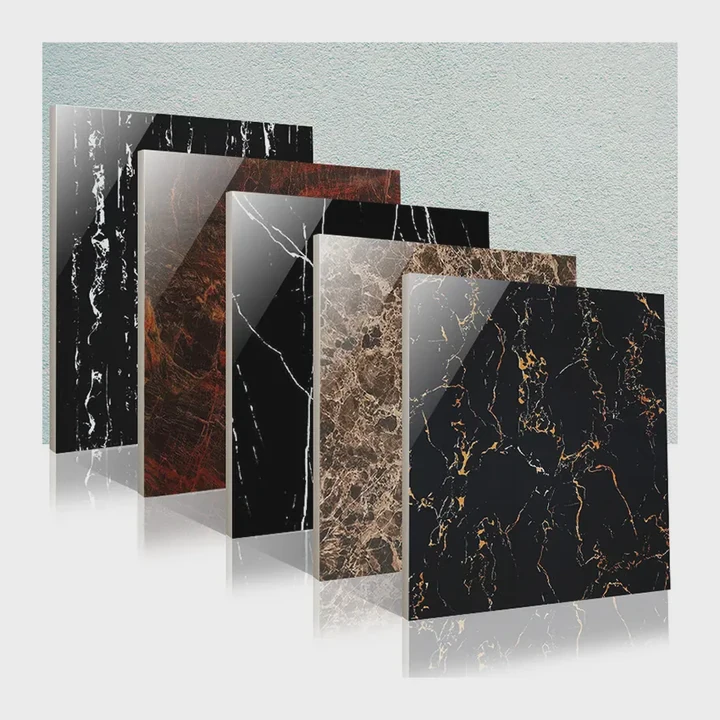
Modern digital printing technology allows highly realistic designs. Many glazed tiles today successfully imitate:
- Natural marble
- Wood grain
- Concrete
- Stone
- Fabric textures
Final Firing
After glaze application, the tiles enter the kiln again. High temperatures melt the glaze and bond it permanently to the tile surface.
The result is a smooth, hard, glass-like finish that becomes part of the tile itself rather than a separate coating.
Quality Control
Throughout production, manufacturers inspect:
- Surface appearance
- Size accuracy
- Water absorption
- Strength
- Glaze consistency
From my experience working with international buyers, quality control is often one of the first topics discussed during factory visits. Large distributors and project contractors usually request testing reports before placing bulk orders. This step helps reduce risk and ensures that each shipment meets project requirements.
The combination of advanced manufacturing equipment, controlled firing temperatures, and strict inspection standards is what allows modern glazed tiles to deliver both decorative value and reliable performance.
What Benefits Does Glazing Provide?
Many people choose glazed tiles because they look attractive. Yet appearance is only one part of the value that glazing adds.
Glazing provides protection, decoration, stain resistance, moisture resistance, and easier maintenance. It also allows manufacturers to create a wide variety of colors, patterns, and surface effects.
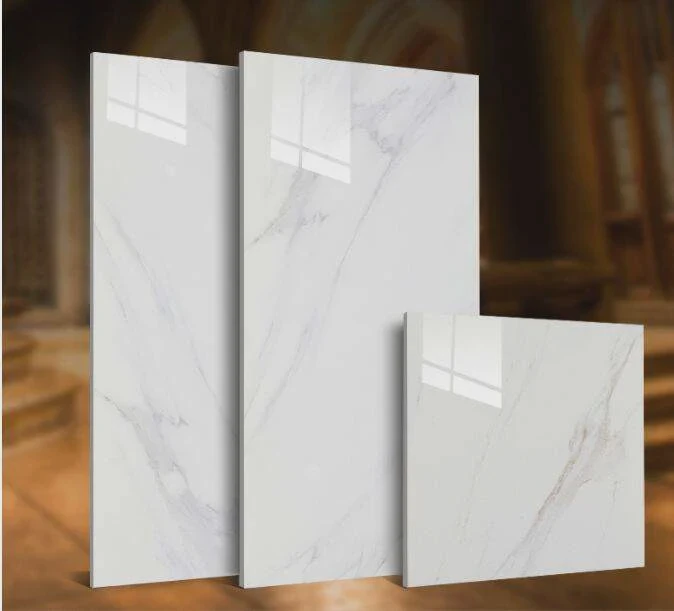
The glaze layer serves several important functions beyond decoration.
Enhanced Visual Appeal
One of the biggest advantages is design flexibility.
The glaze layer can create:
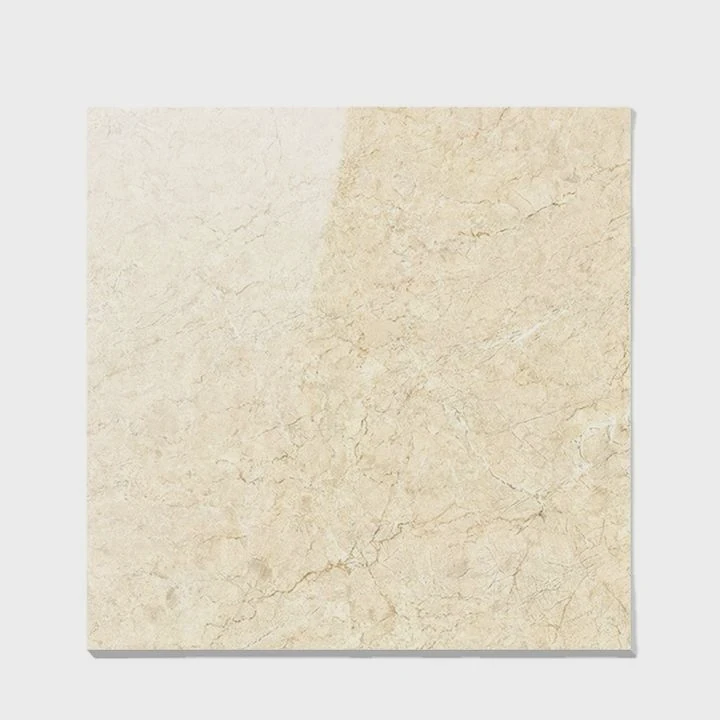
- High-gloss finishes
- Matte finishes
- Satin surfaces
- Textured effects
- Natural stone appearances
- Wood-look visuals
Modern printing technology has dramatically expanded design possibilities. Buyers can now find glazed tiles that closely resemble expensive natural materials while maintaining a more predictable supply chain and cost structure.
Better Stain Resistance
The glazed surface acts as a barrier against many common stains.
For example:
| Common Contaminant | Resistance Level |
|---|---|
| Coffee | High |
| Tea | High |
| Cooking oil | High |
| Dirt | High |
| Household cleaners | High |
This feature makes glazed tiles especially attractive for busy households and commercial environments.
Easier Cleaning
A smoother surface usually means less dirt retention.
Routine maintenance often requires only:
- Sweeping
- Vacuuming
- Mopping with mild detergent
This simplicity helps reduce long-term maintenance costs.
Moisture Protection
The glaze layer helps limit moisture penetration from the surface.
This benefit becomes particularly useful in:
- Bathrooms
- Kitchens
- Laundry rooms
- Hotel washrooms
- Commercial restrooms
Moisture resistance supports hygiene and reduces the likelihood of staining.
Expanded Design Options
Without glazing, ceramic surfaces would have fewer decorative possibilities.
Glazing allows manufacturers to create:
- Solid colors
- Marble effects
- Terrazzo looks
- Cement finishes
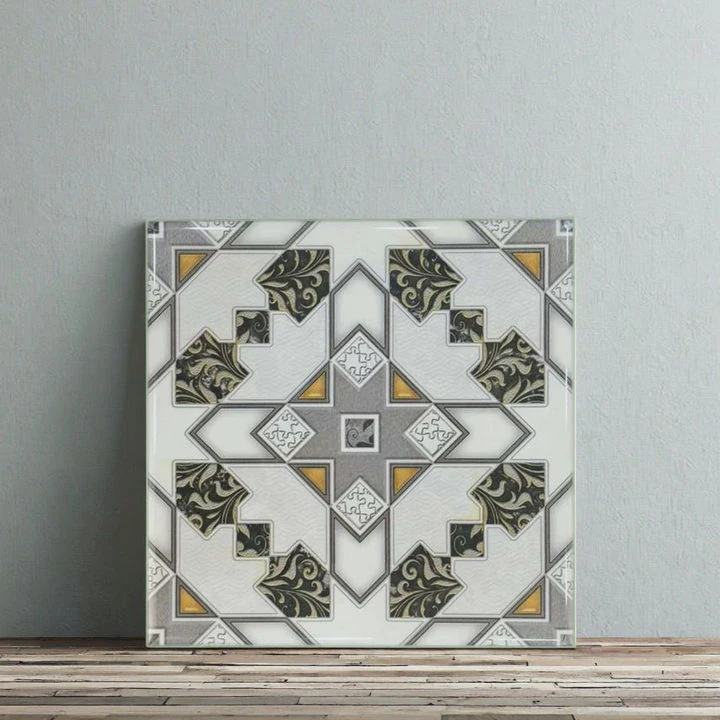
- Rustic patterns
- Contemporary designs
This flexibility helps distributors serve multiple market segments using a single product category.
Cost Efficiency
Many buyers compare glazed tiles with natural stone.
Natural materials can vary greatly in appearance and availability. Glazed tiles provide a more controlled and repeatable product. This consistency is often valuable for large residential developments, hotels, shopping centers, and commercial projects.
Improved Marketability
When discussing products with importers and wholesalers, attractive appearance often helps drive sales. End users usually make decisions based on what they see first.
Glazing allows tile collections to follow current design trends while maintaining practical performance characteristics. This balance between beauty and functionality explains why glazed tiles continue to dominate many global markets.
Where Are Glazed Tiles Commonly Used?
A beautiful tile has limited value if it cannot perform in real-world environments. Understanding where glazed tiles are commonly installed helps buyers choose the right products.
Glazed tiles are widely used in homes, hotels, offices, shopping centers, restaurants, and public buildings because they combine attractive design with practical maintenance and performance benefits.
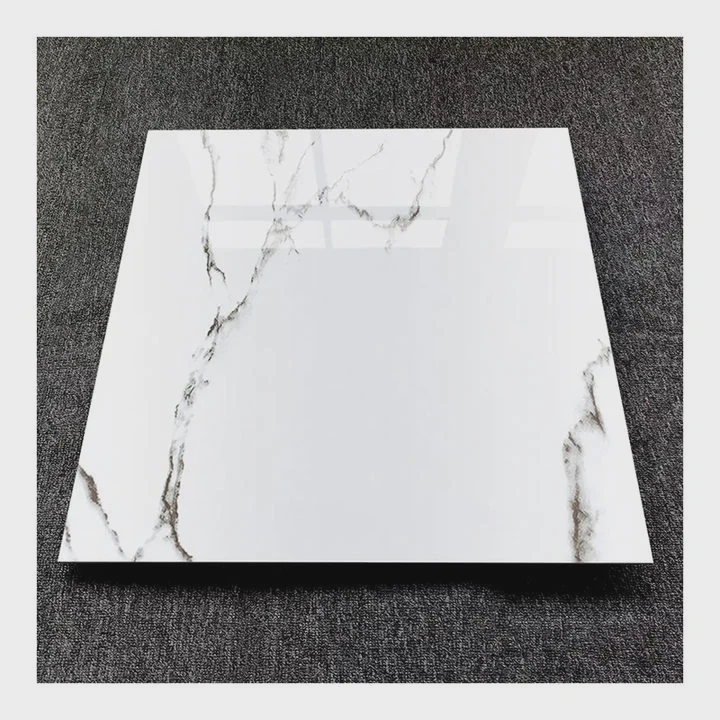
Glazed tiles are among the most versatile materials in the construction industry.
Residential Applications
Many homeowners prefer glazed tiles because they offer a combination of style and convenience.
Common residential locations include:
- Living rooms
- Bedrooms
- Kitchens
- Bathrooms
- Hallways
- Balconies
Different surface finishes can support different design goals. Glossy surfaces often create a brighter appearance, while matte finishes provide a more natural look.
Commercial Buildings
Commercial spaces experience heavier foot traffic than most homes.
Glazed tiles are frequently installed in:
- Office buildings
- Retail stores
- Shopping malls
- Restaurants
- Cafes
These environments require materials that are both attractive and easy to maintain.
Hospitality Projects
Hotels often use glazed tiles extensively.
Typical applications include:
| Hotel Area | Common Tile Usage |
|---|---|
| Lobby | Flooring and feature walls |
| Guest rooms | Floors and bathrooms |
| Restaurants | Decorative surfaces |
| Corridors | High-traffic flooring |
| Spa areas | Moisture-resistant surfaces |
Large hospitality projects often seek consistent appearance across hundreds of rooms. Glazed tiles provide that consistency.
Healthcare and Education Facilities
Schools and healthcare facilities frequently prioritize hygiene and easy cleaning.
Because glazed surfaces resist many stains and can be cleaned efficiently, they are commonly selected for:
- Classrooms
- Corridors
- Waiting areas
- Washrooms
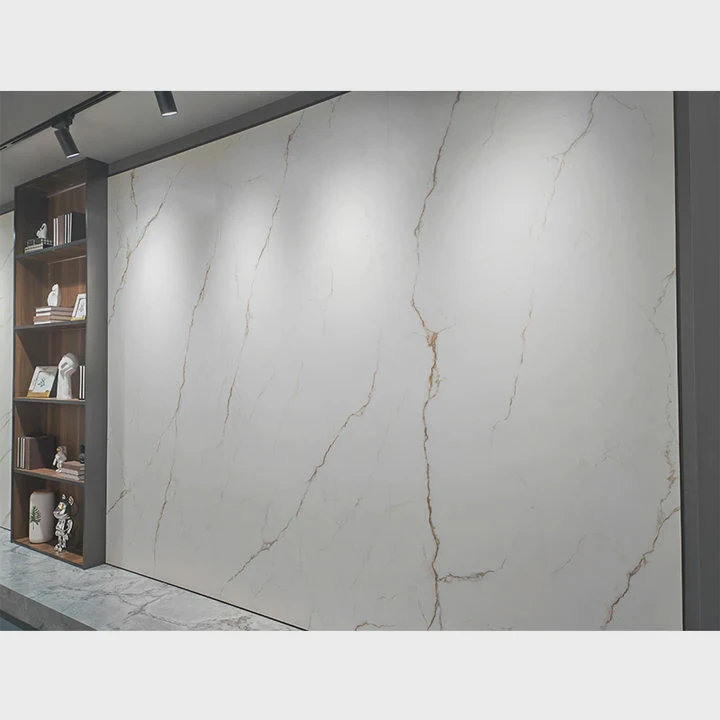
Wall Applications
Many people associate tiles mainly with floors. However, glazed tiles are also widely used on walls.
Popular wall applications include:
- Kitchen backsplashes
- Bathroom walls
- Feature walls
- Reception areas
- Commercial interiors
Wall installations allow designers to use decorative patterns that may not be suitable for floors.
Indoor and Outdoor Use
The suitability of glazed tiles for outdoor use depends on the tile body, surface finish, and technical specifications.
Porcelain glazed tiles with low water absorption are often selected for:
- Outdoor patios
- Terraces
- Building facades
However, product selection should always match environmental conditions.
Market Demand Across Regions
Different regions often show different preferences.
For example:
- Middle Eastern markets may favor polished and luxurious looks.
- European buyers often prefer natural stone appearances.
- North American markets frequently choose wood-look designs.
- Southeast Asian projects commonly focus on durability and value.
Over the years, I have noticed that design trends change quickly, but glazed tiles remain relevant because manufacturers can adapt colors, textures, and patterns without changing the core production process. This flexibility allows glazed tiles to serve both traditional and modern architectural styles.
Their broad range of applications is one of the main reasons they continue to represent a significant share of the global tile market.
Does Glazing Affect Tile Durability?
Many buyers worry that a decorative surface may reduce strength. This concern is understandable because appearance should never come at the expense of performance.
Glazing can improve surface protection against stains, moisture, and wear, but overall durability depends on both the glaze quality and the underlying tile body. High-quality glazed porcelain tiles can deliver excellent long-term durability.
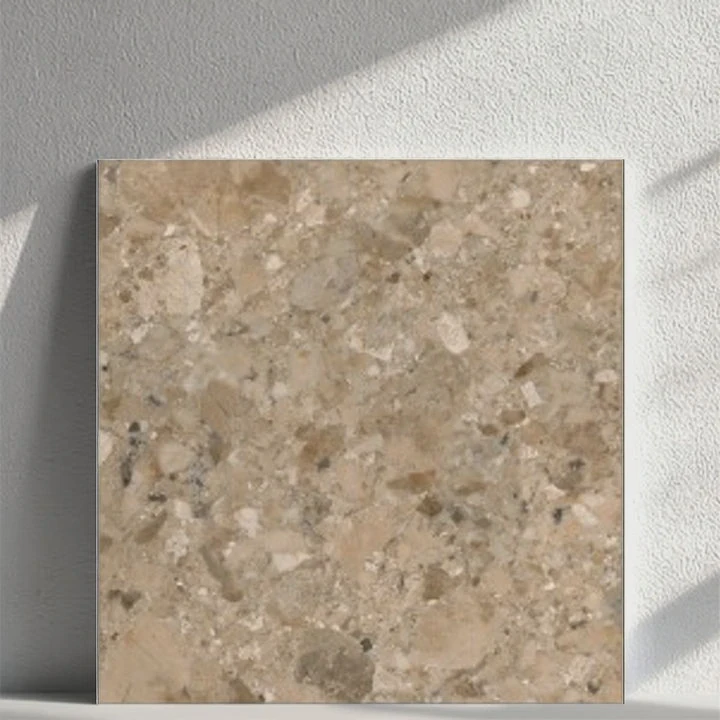
Durability is a combination of several performance factors.
Understanding Surface Protection
The glaze acts as a protective layer over the tile body.
This layer helps resist:
- Surface staining
- Water penetration
- Chemical exposure
- Everyday dirt accumulation
A properly fired glaze becomes strongly bonded to the tile surface.
Wear Resistance
Not all glazed tiles have the same wear performance.
Manufacturers design products for different environments.
Light-duty products may suit:
- Residential walls
- Decorative surfaces
Heavy-duty products may suit:
- Shopping centers
- Airports
- Hotels
- Commercial corridors
Wear resistance testing helps classify tiles according to expected traffic levels.
Relationship Between Tile Body and Durability
The glaze is important, but it is only one part of the equation.
The underlying body contributes significantly to:
| Property | Main Contributor |
|---|---|
| Breaking strength | Tile body |
| Impact resistance | Tile body |
| Water absorption | Tile body |
| Surface protection | Glaze layer |
| Visual appearance | Glaze layer |
A weak tile body cannot be fully compensated for by a strong glaze.
Scratch Resistance
Many modern glazes are engineered to resist everyday scratching.
However, no tile surface is completely scratch-proof.
Heavy metal objects, abrasive materials, or improper maintenance can still cause damage over time.
Selecting the correct tile specification remains essential.
Color Stability
One advantage of quality glaze is long-term color retention.
The colors are fired into the surface at high temperatures. This process helps maintain appearance even after years of normal use.
Resistance to Household Chemicals
Glazed surfaces typically resist many common cleaning products.
This characteristic supports long service life in kitchens, bathrooms, and commercial facilities where regular cleaning is required.
Long-Term Performance
When evaluating durability, buyers should consider several factors together:
- Water absorption
- Surface hardness
- Wear rating
- Installation quality
- Maintenance practices
A premium glazed porcelain tile installed correctly can perform for decades.
Common Misunderstandings
A common misconception is that all glazed tiles are fragile.
In reality, modern manufacturing technology has greatly improved performance. Many high-quality glazed porcelain products combine attractive decoration with strong technical properties.
The key is matching the tile specification to the intended application. A wall tile should not be evaluated by the same standards as a high-traffic commercial floor tile.
When buyers review product testing reports and select reputable manufacturers, glazed tiles can provide an excellent balance of beauty, protection, and long-term reliability.
Conclusion
Glazed tiles combine decorative flexibility with practical performance. Their manufacturing process creates a protective surface that improves appearance, maintenance, and resistance to everyday wear. When the right specification is chosen for the intended application, glazed tiles offer a durable and versatile solution for both residential and commercial projects.