What Is Reglazing Tile?
- Sinotiles
- 2026-07-07
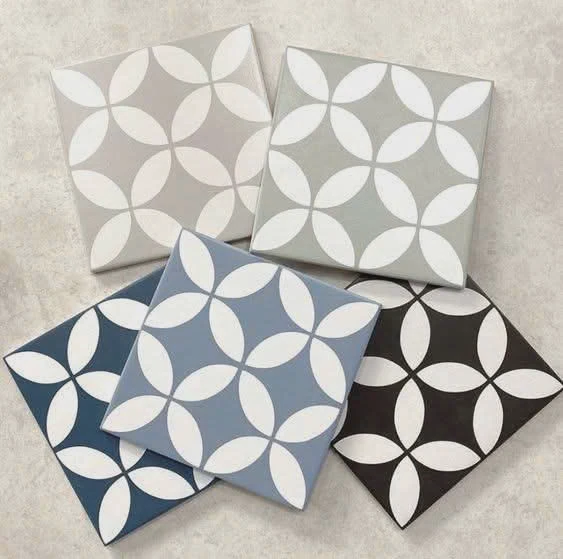
Old tiles can make an entire room look outdated. Many homeowners think replacement is the only solution, but full tile renovation often requires significant time, labor, and expense.
Tile reglazing is a restoration process that renews the surface of existing tiles by cleaning, repairing, and applying a new coating. It improves appearance, extends service life, and offers a more affordable alternative to complete tile replacement.
Many bathrooms, kitchens, and commercial spaces contain structurally sound tiles that simply look worn, stained, or faded. Reglazing gives these surfaces a fresh appearance without the disruption of demolition and reinstallation.
What Process Is Involved in Tile Reglazing?
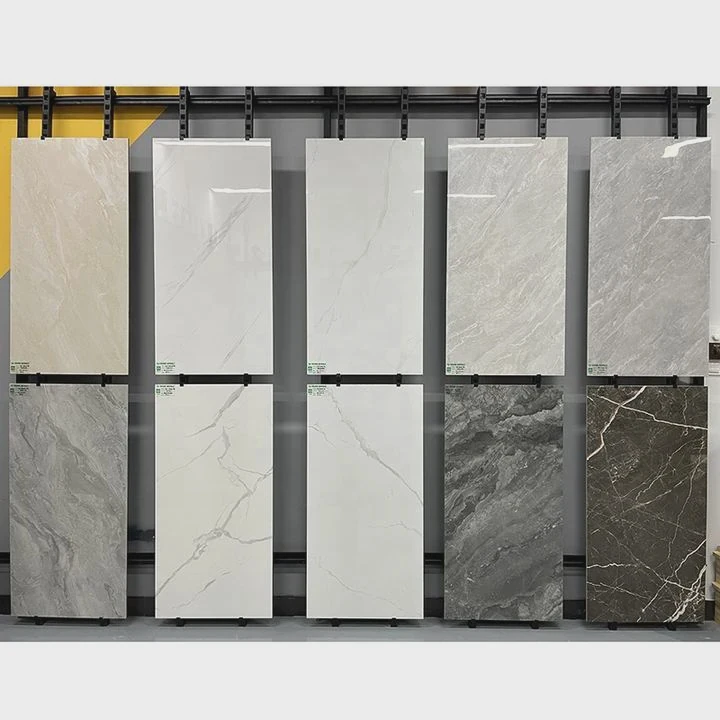
Many people assume tile reglazing simply means painting over old tiles. In reality, the process involves several important preparation and finishing steps that directly affect durability and appearance.
Tile reglazing involves deep cleaning, surface preparation, repairs, sanding or etching, primer application, coating application, and curing. Each step helps create a smooth, durable, and attractive new finish.
The success of a reglazing project depends heavily on preparation. A beautiful finish is only possible when the underlying surface is properly prepared.
Step 1: Thorough Cleaning
Years of use often leave tiles covered with:
- Soap residue
- Grease
- Hard water stains
- Cleaning chemical buildup
- Dirt and grime
Before reglazing begins, all contaminants must be removed.
Any residue left on the surface can weaken coating adhesion and shorten the life of the finish.
Step 2: Repairing Surface Damage
Minor defects should be repaired before coating.
Common repairs include:
- Small chips
- Surface cracks
- Pitting
- Damaged grout areas
The goal is to create a uniform surface before applying the new finish.
Step 3: Surface Etching or Sanding
Glazed tile surfaces are naturally smooth and non-porous.
To help coatings bond effectively, the surface is often:
- Sanded
- Mechanically abraded
- Chemically etched
This process creates microscopic texture that improves adhesion.
Step 4: Priming
A bonding primer is usually applied after surface preparation.
The primer serves several functions:
- Improves adhesion
- Increases coating durability
- Promotes uniform coverage
- Reduces coating defects
Step 5: Applying the New Coating
The reglazing coating is applied using professional spraying equipment in most projects.
This creates:
- Even coverage
- Smooth appearance
- Consistent color
- Professional finish
Multiple thin coats generally produce better results than one heavy coat.
Step 6: Curing
After application, the coating requires time to cure properly.
During curing:
- The surface hardens
- Bond strength develops
- Chemical resistance improves
- Durability increases
Following curing recommendations is essential for long-term performance.
Typical Reglazing Workflow
| Stage | Purpose |
|---|---|
| Cleaning | Remove contaminants |
| Repairing | Fix defects |
| Sanding/Etching | Improve adhesion |
| Priming | Create bonding layer |
| Coating | Restore appearance |
| Curing | Achieve final strength |
Why Preparation Matters
In many restoration projects, coating failure can often be traced back to poor preparation.
Common preparation mistakes include:
- Incomplete cleaning
- Skipping sanding
- Poor repair work
- Applying coatings too quickly
The visible coating may receive most of the attention, but preparation is usually the most important part of the entire process.
A well-executed reglazing project creates a smooth, glossy surface that can dramatically improve the appearance of aging tile installations.
How Does Reglazing Restore Tile Surfaces?
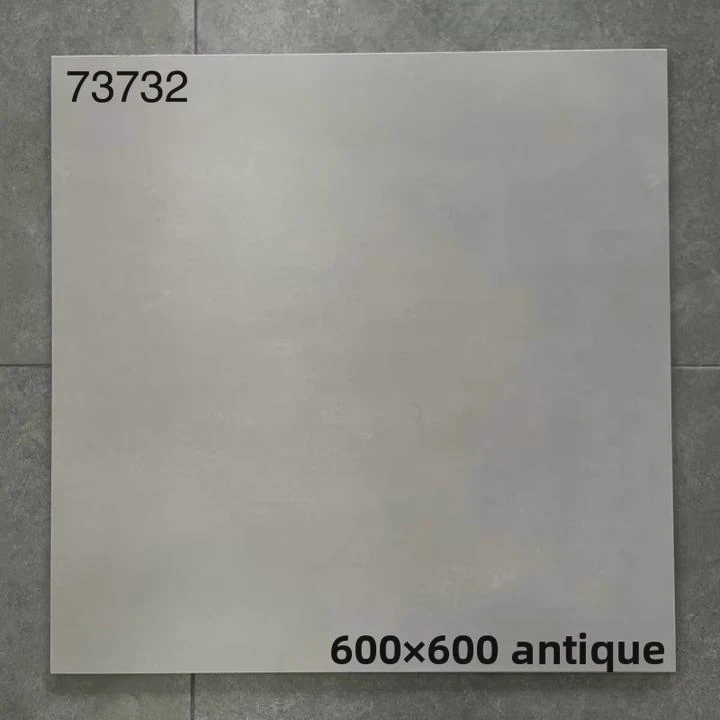
Over time, tile surfaces can lose their original beauty. Scratches, stains, discoloration, and dull finishes often make tiles appear older than they actually are.
Reglazing restores tile surfaces by covering worn areas with a durable new coating that improves color, gloss, uniformity, and surface protection. The process creates the appearance of a newly installed tile surface.
Many tiles remain structurally sound for decades. The visible wear often affects only the surface layer.
Covering Surface Imperfections
Reglazing can improve the appearance of:
- Minor scratches
- Staining
- Surface discoloration
- Faded finishes
- Small cosmetic defects
The new coating creates a fresh visual layer that hides many signs of age.
Restoring Gloss and Shine
One of the most noticeable benefits is the return of surface gloss.
Old tiles often become dull because of:
- Daily wear
- Cleaning chemicals
- Hard water deposits
- Surface abrasion
The reglazing finish restores a clean, reflective appearance.
Creating Uniform Color
Color inconsistency is a common problem in older tile installations.
Examples include:
- Sun fading
- Stain discoloration
- Uneven wear
- Previous repairs
A new coating creates a more consistent appearance across the entire tiled area.
Improving Surface Protection
Modern reglazing coatings provide additional protection against:
- Moisture
- Staining
- Daily wear
- Cleaning chemicals
This protective layer helps extend the useful life of the tile surface.
Before and After Comparison
| Condition | Before Reglazing | After Reglazing |
|---|---|---|
| Appearance | Dull | Glossy |
| Color | Faded | Refreshed |
| Stains | Visible | Reduced |
| Surface texture | Worn | Smooth |
| Overall impression | Aged | Renewed |
Common Areas for Restoration
Reglazing is frequently used in:
- Bathrooms
- Kitchens
- Laundry rooms
- Commercial restrooms
- Hotel renovations
These areas often experience high moisture exposure and frequent cleaning.
Extending Service Life
A tile surface may still have many years of structural life remaining.
Instead of replacing:
- Tiles
- Adhesives
- Grout
- Waterproofing systems
Reglazing focuses on restoring the visible surface.
Visual Transformation
Many renovation projects reveal that outdated appearance does not always mean poor performance.
A bathroom with twenty-year-old tiles may still be structurally sound. However, discoloration and surface wear can make the room feel neglected.
After reglazing, the same space often appears brighter, cleaner, and more modern without changing the tile layout.
This ability to dramatically improve appearance is one of the primary reasons reglazing remains a popular renovation option.
Why Is Reglazing a Cost-Effective Option?
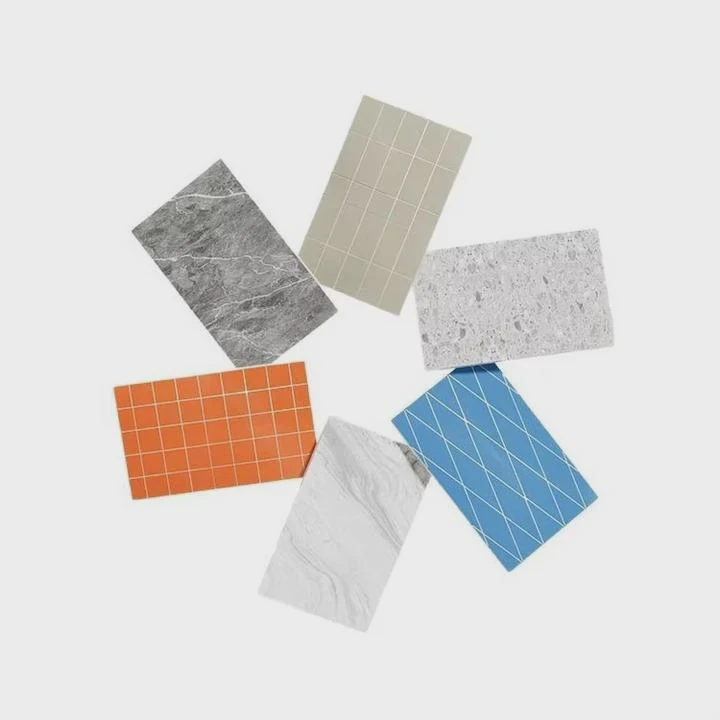
Tile replacement can quickly become expensive. Material costs are only one part of the total budget. Demolition, labor, disposal, and installation costs often exceed the cost of the new tiles themselves.
Reglazing is cost-effective because it restores existing tiles without demolition. It reduces labor, shortens project timelines, minimizes waste, and delivers a refreshed appearance at a fraction of replacement costs.
For many property owners, cost control is a major factor in renovation planning.
Avoiding Demolition Costs
Replacing tiles typically requires:
- Removing old tiles
- Removing adhesive
- Surface preparation
- Waste disposal
These tasks add labor and expense.
Reglazing eliminates most demolition-related costs.
Lower Material Requirements
A replacement project may require:
- New tiles
- Adhesives
- Grout
- Waterproofing materials
- Trim accessories
Reglazing requires far fewer materials.
Reduced Labor Expenses
Tile replacement is labor-intensive.
Installation often includes:
- Demolition
- Surface repair
- Waterproofing
- Tile installation
- Grouting
- Finishing
Reglazing generally involves fewer stages.
Faster Project Completion
Shorter project durations often reduce overall costs.
Property owners benefit from:
- Less disruption
- Reduced downtime
- Faster room availability
This is especially important in commercial properties.
Cost Comparison Overview
| Expense Category | Tile Replacement | Tile Reglazing |
|---|---|---|
| Demolition | High | Minimal |
| Disposal | High | Minimal |
| New materials | High | Low |
| Labor | High | Moderate |
| Project duration | Longer | Shorter |
Environmental Benefits
Cost savings often align with sustainability goals.
Reglazing reduces:
- Construction waste
- Landfill disposal
- Resource consumption
- Transportation requirements
Many renovation projects now consider environmental impact alongside financial cost.
Commercial Property Advantages
Hotels, apartment buildings, and commercial facilities often favor reglazing because it:
- Minimizes room downtime
- Reduces renovation budgets
- Preserves existing infrastructure
- Improves appearance quickly
When Replacement May Still Be Necessary
Reglazing is not always the best solution.
Replacement may be required when:
- Tiles are extensively cracked
- Moisture damage is severe
- Structural movement exists
- Waterproofing systems have failed
In these cases, surface restoration alone cannot address underlying problems.
Practical Budget Considerations
Many property owners discover that most of their dissatisfaction comes from the appearance of the tile rather than its structural condition.
When the tile remains firmly attached and functional, reglazing often provides a significant visual improvement while avoiding the major expenses associated with full replacement.
This balance between cost and appearance is one of the strongest reasons for its continued popularity.
Which Tiles Are Suitable for Reglazing?
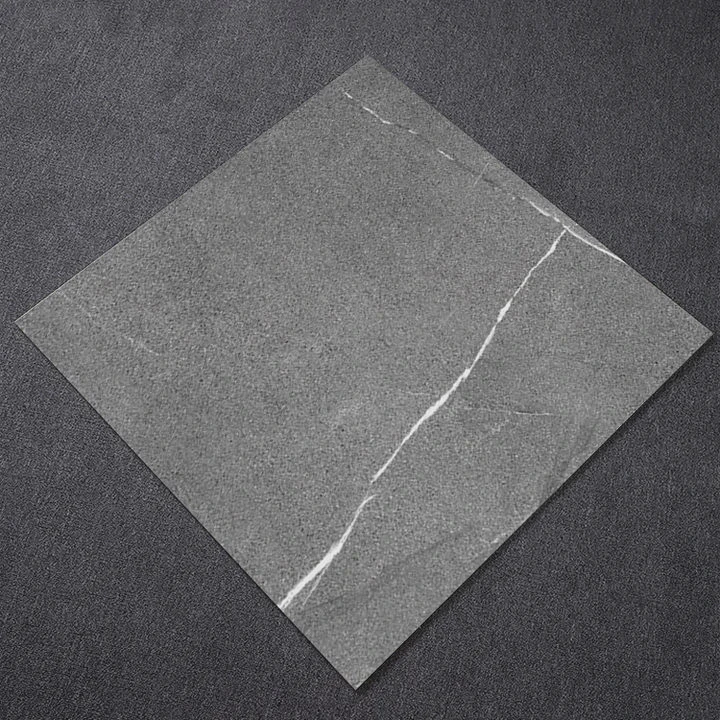
Not every tile surface responds equally well to reglazing. The condition, material, and stability of the existing installation all influence project success.
Tiles that are structurally sound, firmly bonded, and free from major damage are generally suitable for reglazing. Ceramic and porcelain tiles are among the most commonly reglazed surfaces.
Before beginning any project, the existing tile condition should be evaluated carefully.
Ceramic Tiles
Ceramic tile is one of the most common reglazing candidates.
Reasons include:
- Smooth surface
- Good coating compatibility
- Wide use in residential spaces
- Relatively stable installation systems
Many older bathrooms contain ceramic tiles that remain excellent candidates for restoration.
Porcelain Tiles
Porcelain tiles can also be reglazed successfully.
Benefits include:
- Dense structure
- Long service life
- Strong substrate performance
Proper surface preparation is especially important because porcelain is highly non-porous.
Wall Tiles
Wall tiles often perform particularly well in reglazing projects because they experience:
- Lower impact exposure
- Less mechanical wear
- Reduced structural stress
Bathroom walls are among the most frequently reglazed surfaces.
Floor Tiles
Floor tiles may also be suitable if they remain:
- Stable
- Well bonded
- Structurally intact
The coating selected must be designed to withstand foot traffic.
Suitable vs Unsuitable Tiles
| Tile Condition | Suitable for Reglazing? |
|---|---|
| Firmly bonded ceramic tile | Yes |
| Stable porcelain tile | Yes |
| Minor cosmetic wear | Yes |
| Severe cracking | No |
| Loose tiles | No |
| Major moisture damage | No |
Conditions That Must Be Corrected First
Certain problems should be addressed before reglazing.
Examples include:
- Loose tiles
- Missing grout
- Water intrusion
- Structural movement
- Significant cracking
Ignoring these issues may shorten coating life.
Commercial and Residential Applications
Suitable projects often include:
- Residential bathrooms
- Kitchen backsplashes
- Apartment renovations
- Hotel bathrooms
- Commercial washrooms
These locations frequently contain tiles that remain structurally sound despite cosmetic aging.
Evaluating Existing Installations
Before recommending reglazing, many professionals examine:
- Tile stability
- Surface condition
- Moisture exposure
- Existing damage
- Expected traffic levels
This evaluation helps determine whether restoration or replacement is the better option.
Long-Term Results
The best reglazing results occur when the original tile installation remains fundamentally sound.
A structurally stable tile surface provides an excellent foundation for restoration. In these situations, reglazing can deliver a refreshed appearance while extending the useful life of the installation for many years.
Understanding tile suitability is therefore one of the most important steps in planning a successful reglazing project.
Conclusion
Tile reglazing is a practical restoration method that renews worn tile surfaces without full replacement. Through careful preparation, surface repair, and professional coating application, reglazing can improve appearance, extend service life, reduce renovation costs, and provide an attractive solution for many ceramic and porcelain tile installations.