What Is Terrazzo Tile?
- Sinotiles
- 2026-05-06
Choosing the wrong tile can make a space look outdated fast. Many buyers now want materials that look modern, durable, and easy to match with different projects.
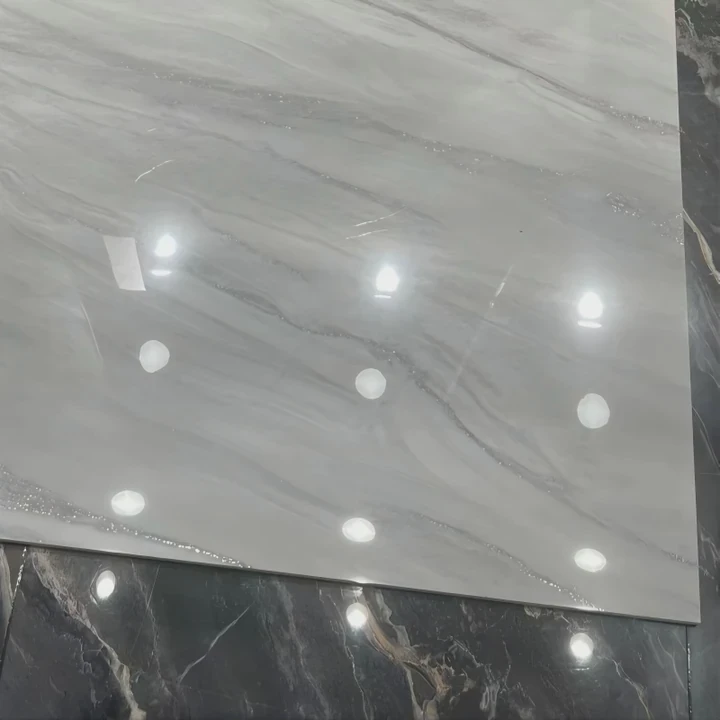
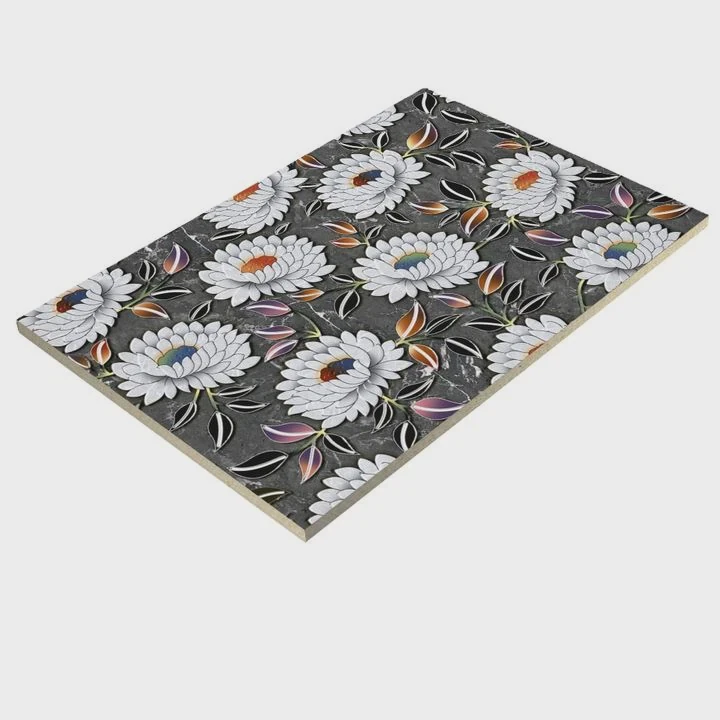
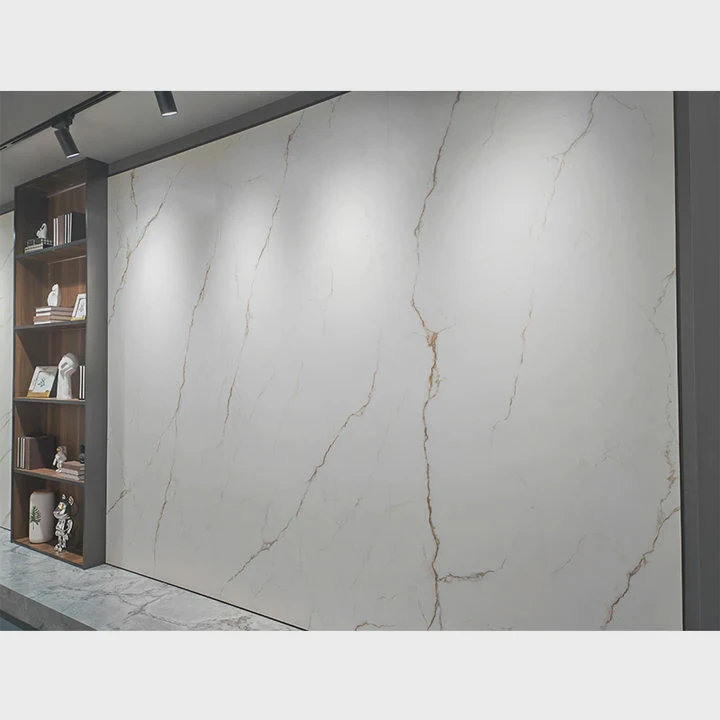
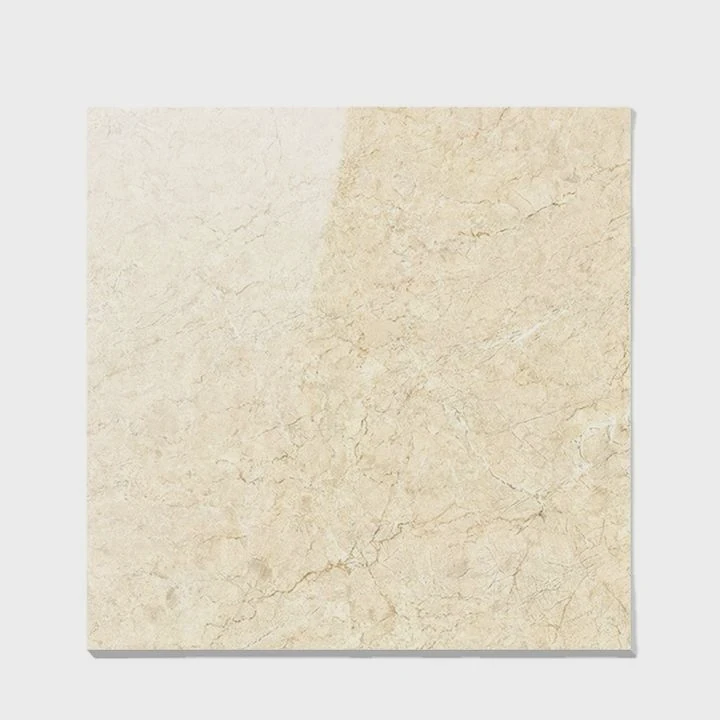
Terrazzo tile is a decorative tile made from chips of marble, quartz, glass, or stone mixed into cement or resin. It is known for its unique patterns, strong durability, and wide design flexibility for both residential and commercial spaces.
Terrazzo tile has become one of the most discussed materials in modern construction and interior design. Many architects, wholesalers, and project buyers now choose terrazzo because it combines style with long-term performance. The material works well in hotels, offices, retail stores, homes, and public buildings. Its surface can look simple or artistic, depending on the design goal. Over the years, terrazzo has changed from a traditional flooring option into a modern design product with endless possibilities.
How Is Terrazzo Tile Made and Composed?
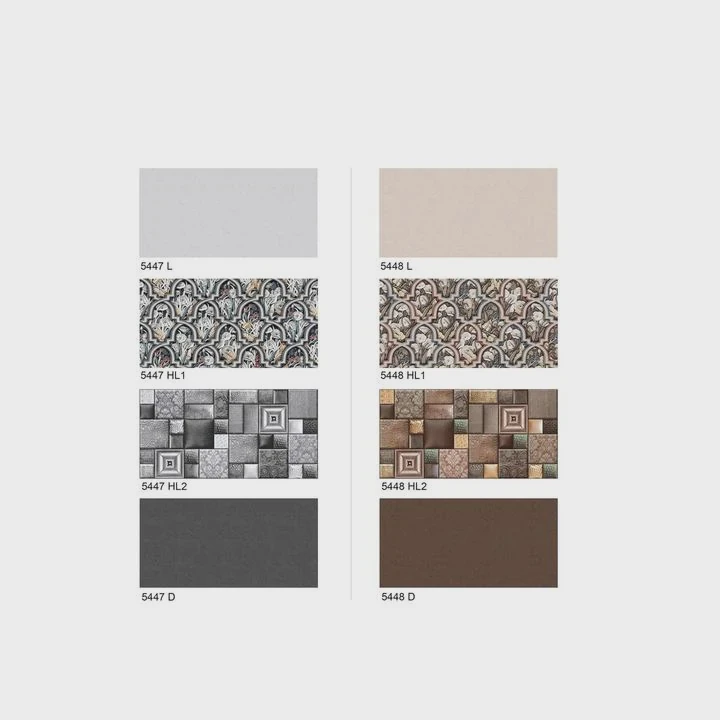
Many buyers see terrazzo tile in showrooms but do not fully understand what is inside the product. Without this knowledge, it becomes hard to compare quality between suppliers.
Terrazzo tile is made by combining stone chips, marble pieces, quartz, or glass with cement or resin binders. The mixture is pressed, cured, polished, and cut into tiles with different finishes and sizes.
Terrazzo production has improved a lot over the years. Traditional terrazzo was poured directly on-site. Modern terrazzo tiles are usually factory-made under controlled conditions. This gives better consistency, stable quality, and easier installation.
Main Materials Used in Terrazzo
The beauty of terrazzo comes from its mixed materials. Different chips create different textures and visual effects.
| Material | Purpose | Common Effect |
|---|---|---|
| Marble Chips | Decorative aggregate | Natural elegant look |
| Quartz Chips | Strength and shine | Bright modern finish |
| Glass Pieces | Color effect | Artistic appearance |
| Cement Binder | Traditional base | Matte natural surface |
| Resin Binder | Flexible modern base | Smooth glossy finish |
The aggregate size also changes the final look. Small chips create a cleaner and softer pattern. Large chips create bold and dramatic surfaces.
Cement-Based vs Resin-Based Terrazzo
Many buyers ask about the difference between cement terrazzo and resin terrazzo. Both have advantages.
Cement-Based Terrazzo
Cement terrazzo has a more natural and classic appearance. It is often used in commercial projects, outdoor areas, and heavy traffic spaces. It also handles UV exposure better.
Still, cement terrazzo may absorb more moisture if sealing is not done properly.
Resin-Based Terrazzo
Resin terrazzo has brighter colors and smoother finishes. It is popular in luxury retail shops, hotels, and modern residential interiors.
This type offers:
- Lower water absorption
- More color consistency
- Faster production cycles
- Better crack resistance
Still, resin terrazzo may not perform as well in direct sunlight for long periods.
Production Process
The production process directly affects quality.
Step 1: Mixing Raw Materials
Manufacturers mix aggregates with binders carefully. Poor mixing creates uneven patterns and weak surfaces.
Step 2: Pressing and Forming
The mixture goes into molds under strong pressure. This removes air gaps and improves density.
Step 3: Curing
Tiles need enough curing time to stabilize. Fast curing often leads to lower durability later.
Step 4: Grinding and Polishing
Machines grind the surface until aggregates appear clearly. Then polishing creates matte, satin, or glossy finishes.
Step 5: Cutting and Quality Inspection
Tiles are cut into standard sizes like:
- 600×600 mm
- 600×1200 mm
- 800×800 mm
- 900×1800 mm
Factories also inspect:
- Thickness consistency
- Surface flatness
- Water absorption
- Edge precision
Why Manufacturing Quality Matters
In export business, manufacturing quality affects installation performance directly. Uneven thickness creates installation problems on projects. Weak polishing reduces stain resistance. Poor raw materials may cause cracks during transport.
Large project buyers often request factory testing reports before placing orders.
From years of export experience, many customers focus heavily on these points:
| Buyer Concern | Why It Matters |
|---|---|
| Surface Flatness | Easier installation |
| Color Consistency | Better project appearance |
| Packing Strength | Reduces shipping damage |
| Stable Supply | Supports long-term projects |
| Precise Sizing | Saves labor cost |
This is especially important for wholesalers and contractors handling large commercial projects.
Why Is Terrazzo Popular in Modern Design?
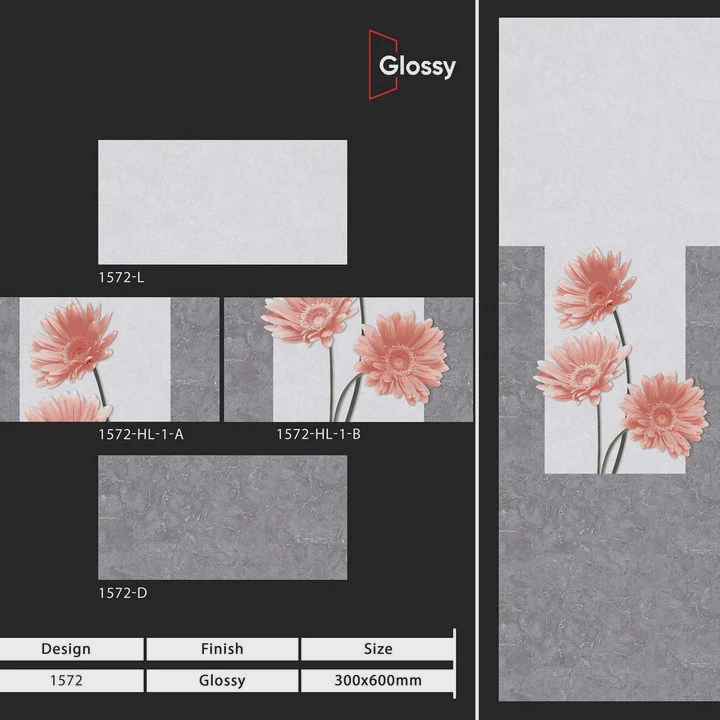
Many materials become trendy for a short time and disappear quickly. Designers and builders now look for products that stay attractive for many years.
Terrazzo is popular because it combines modern style, durability, low maintenance, and flexible design options. It fits minimalist, luxury, commercial, and contemporary interior spaces very well.
Modern design trends focus on clean spaces, natural textures, and durable materials. Terrazzo fits all these requirements.
Unique Visual Appearance
Every terrazzo tile surface looks slightly different. This creates a custom feeling in every project.
Some designers prefer soft neutral terrazzo. Others choose bold chips and bright colors.
Popular terrazzo looks include:
- White background with black chips
- Gray base with marble fragments
- Beige tones for warm interiors
- Black terrazzo with brass details
- Colorful terrazzo for creative spaces
This flexibility makes terrazzo useful for many industries.
Strong Performance in Busy Spaces
Modern buildings need materials that can handle daily use. Terrazzo performs very well in high-traffic areas.
Common Performance Benefits
| Feature | Benefit |
|---|---|
| Wear Resistance | Long product life |
| Easy Cleaning | Lower maintenance |
| Stain Resistance | Better appearance |
| Moisture Resistance | Suitable for wet areas |
| Hard Surface | Handles foot traffic |
Hotels, shopping malls, airports, and office buildings often choose terrazzo for this reason.
Works Well With Many Design Styles
One reason terrazzo remains popular is its flexibility.
Minimalist Design
Soft terrazzo patterns match modern minimalist interiors perfectly.
Luxury Commercial Design
Large terrazzo slabs create elegant hotel and retail spaces.
Scandinavian Style
Neutral terrazzo works well with wood furniture and soft colors.
Industrial Spaces
Dark terrazzo pairs nicely with concrete, metal, and black fixtures.
Social Media and Design Trends
Interior design trends also influence terrazzo demand.
Platforms like Pinterest and Instagram made terrazzo more visible worldwide. Many younger homeowners now recognize terrazzo as a stylish and premium material.
This demand also pushes wholesalers and distributors to add terrazzo collections to their catalogs.
Sustainability Appeal
Many architects now focus on environmentally friendly materials.
Terrazzo supports this trend because some products use recycled materials like:
- Recycled glass
- Stone leftovers
- Marble waste
- Reused aggregates
Long product lifespan also reduces replacement frequency.
Why Buyers Continue Choosing Terrazzo
Project buyers usually balance appearance, price, and durability. Terrazzo performs well in all three areas.
A cheap product may reduce initial costs but increase maintenance later. Terrazzo often lowers long-term replacement costs because of its durability.
This is why many commercial developers continue using terrazzo in repeated projects across different countries.
Where Is Terrazzo Tile Commonly Installed?
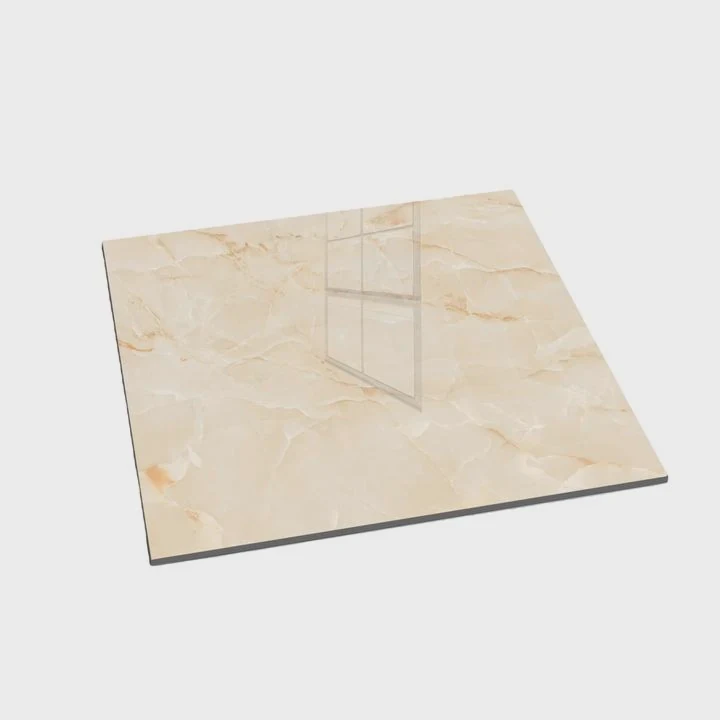
Some tiles look beautiful in catalogs but fail in real construction environments. Buyers need to know where terrazzo performs best before making project decisions.
Terrazzo tile is commonly installed in hotels, shopping malls, homes, offices, bathrooms, restaurants, airports, and commercial buildings because of its durability and decorative appearance.
Terrazzo works in both residential and commercial spaces. The final application depends on tile thickness, surface finish, and project requirements.
Residential Applications
Homeowners increasingly use terrazzo in modern homes.
Living Rooms
Large terrazzo tiles create clean and open spaces. Neutral terrazzo works especially well in modern apartments.
Kitchens
Terrazzo handles kitchen traffic and cleaning well.
Popular kitchen uses include:
- Flooring
- Backsplashes
- Countertops
- Kitchen islands
Bathrooms
Terrazzo is also common in bathrooms because it offers:
- Water resistance
- Stylish appearance
- Easy maintenance
Matte finishes improve slip resistance in wet areas.
Commercial Applications
Commercial projects are one of the largest markets for terrazzo.
| Commercial Space | Why Terrazzo Works Well |
|---|---|
| Hotels | Luxury appearance |
| Shopping Malls | High durability |
| Restaurants | Easy cleaning |
| Airports | Heavy traffic resistance |
| Offices | Modern style |
| Retail Stores | Decorative flexibility |
Large commercial projects often prefer terrazzo because it reduces long-term maintenance costs.
Hospitality Industry
Hotels and resorts often use terrazzo in:
- Lobby floors
- Reception counters
- Bathrooms
- Corridors
- Restaurant spaces
The material creates a premium look while remaining practical for daily cleaning.
Retail and Luxury Stores
Retail brands often choose terrazzo to improve customer experience.
Bright terrazzo floors reflect lighting well and make stores feel more open.
Some brands also customize terrazzo with:
- Brand colors
- Special patterns
- Large-format tiles
- Decorative logos
Outdoor and Semi-Outdoor Spaces
Cement terrazzo can work in some outdoor areas when proper materials are selected.
Common outdoor uses include:
- Courtyards
- Outdoor walkways
- Building entrances
- Public seating areas
Still, outdoor terrazzo requires proper installation and sealing.
Factors That Affect Installation Choice
Not every terrazzo tile suits every project.
Buyers should consider:
Surface Finish
Glossy terrazzo works well indoors. Matte finishes are safer for wet areas.
Tile Thickness
Heavy commercial traffic may require thicker tiles.
Slip Resistance
Public projects often require anti-slip testing.
Climate Conditions
Some climates need better moisture resistance or UV stability.
Why Contractors Like Terrazzo
Installers often prefer terrazzo because modern factory-made tiles simplify construction.
Compared with poured terrazzo systems, tile installation offers:
- Faster project completion
- Easier transportation
- Lower labor complexity
- Better replacement flexibility
This helps contractors manage large international projects more efficiently.
Can Terrazzo Be Customized in Colors and Patterns?
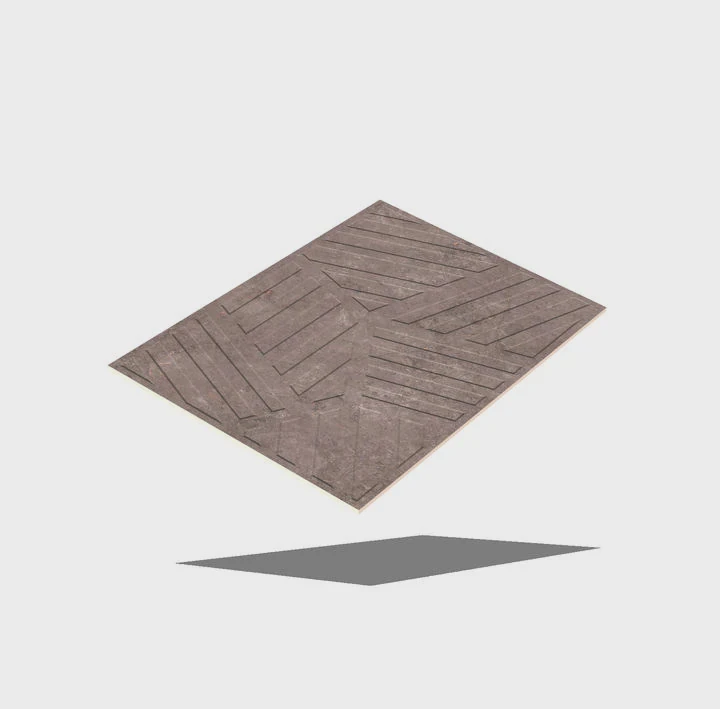
Many developers want unique designs that help their projects stand out. Standard tile products sometimes cannot meet these creative requirements.
Yes, terrazzo can be highly customized in colors, chip sizes, patterns, finishes, and tile dimensions. This flexibility makes terrazzo popular for both luxury and commercial projects.
Customization is one of terrazzo’s biggest advantages. Designers can create surfaces that look subtle, artistic, colorful, or highly premium.
Color Customization
Manufacturers can produce terrazzo in many colors.
Popular base colors include:
- White
- Gray
- Black
- Beige
- Cream
- Green
- Blue
Different pigments create different moods in a space.
| Color | Common Design Feeling |
|---|---|
| White | Clean and modern |
| Gray | Professional and balanced |
| Beige | Warm and soft |
| Black | Luxury and dramatic |
| Green | Natural and fresh |
Aggregate Customization
The aggregate mixture changes the overall visual effect.
Small Chips
Small chips create calm and elegant surfaces.
Medium Chips
Medium chips balance decoration and simplicity.
Large Chips
Large chips create bold statement designs.
Some designers also combine multiple aggregate sizes together.
Pattern and Layout Possibilities
Modern terrazzo can create many creative patterns.
Examples include:
- Geometric layouts
- Random chip designs
- Gradient effects
- Linear patterns
- Artistic custom graphics
Large projects sometimes request custom terrazzo branding for hotels or shopping malls.
Surface Finish Options
Different finishes create different performance levels and visual styles.
| Finish | Appearance | Typical Use |
|---|---|---|
| Polished | Glossy and reflective | Luxury interiors |
| Honed | Smooth matte look | Residential spaces |
| Textured | Better slip resistance | Wet areas |
| Satin | Soft modern finish | Commercial interiors |
Size Customization
Modern factories can produce terrazzo in different sizes for different applications.
Common sizes include:
- 600×600 mm
- 800×800 mm
- 600×1200 mm
- 750×1500 mm
- 900×1800 mm
Large-format terrazzo tiles are becoming more popular because they reduce grout lines and create cleaner spaces.
OEM and Brand Customization
Many importers and distributors now request OEM services.
This may include:
- Custom packaging
- Private labels
- Exclusive designs
- Market-specific collections
For wholesalers, exclusive terrazzo designs help reduce direct price competition.
Important Things Buyers Should Check
Customization increases design flexibility, but buyers should still evaluate quality carefully.
Color Consistency
Large projects require stable color production across different batches.
Delivery Time
Customized production usually needs longer lead times.
Sample Approval
Physical samples help reduce misunderstandings before mass production.
Packing Protection
Terrazzo can be heavy. Strong export packing is important for international shipping.
Why Customization Increases Market Demand
The construction market now values individuality more than before. Developers want projects that look different from competitors.
Terrazzo supports this demand very well because each project can create its own visual identity.
This is one reason terrazzo demand continues growing in residential, hospitality, and commercial sectors worldwide.
Conclusion
Terrazzo tile combines durability, design flexibility, and modern visual appeal. Its wide customization options and strong performance make it a reliable solution for residential, commercial, and large-scale architectural projects worldwide.