What Is the Best Tile for Shower Walls?
- Sinotiles
- 2026-07-07
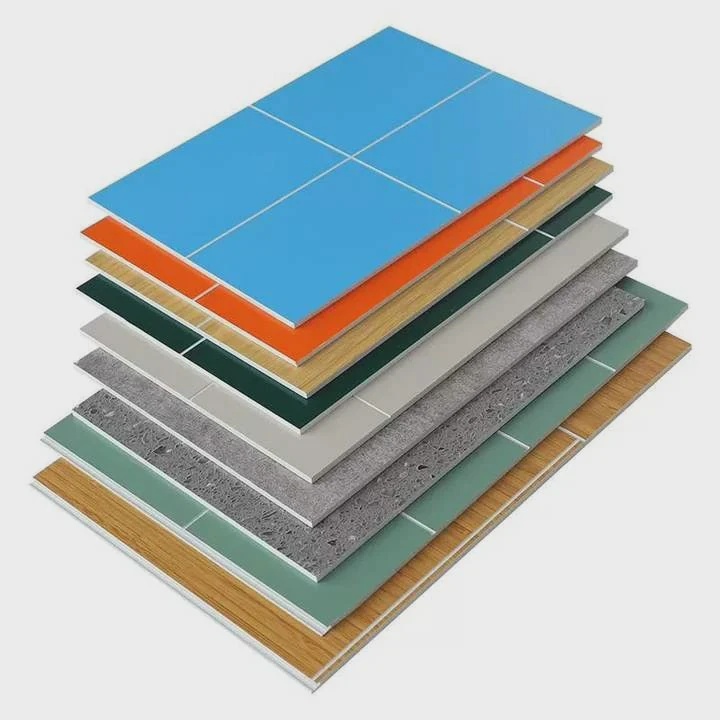
Choosing the wrong shower wall tile can lead to moisture problems, difficult maintenance, and costly renovations. Many buyers focus only on appearance and overlook long-term performance.
Porcelain tile is widely considered the best tile for shower walls because it offers excellent water resistance, durability, low maintenance, and design flexibility. However, ceramic, glass, natural stone, and other materials can also perform well when selected and installed correctly.
A shower is one of the most demanding areas in any home. Constant exposure to water, humidity, soap, and cleaning products means every material choice matters. Understanding how different tile materials perform helps homeowners, designers, contractors, and importers make better decisions.
What Materials Perform Best in Wet Environments?
Many materials look attractive in a showroom. However, not every tile performs equally well inside a shower.
The best shower wall materials combine low water absorption, high durability, easy maintenance, and long-term resistance to moisture-related damage. Porcelain, ceramic, glass, and properly sealed natural stone are among the most common choices.
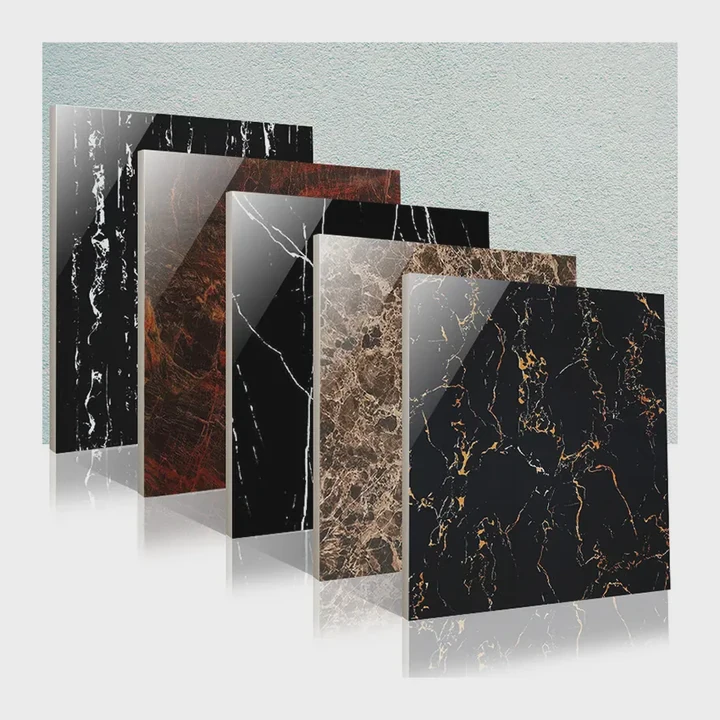
A shower environment creates continuous exposure to moisture. Materials must withstand daily use without deteriorating or requiring excessive maintenance.
Understanding Moisture Exposure
Water affects building materials differently.
Inside a shower, surfaces face:
- Direct water contact
- Steam exposure
- Temperature changes
- Soap residue
- Cleaning chemicals
A suitable tile material must handle all of these conditions consistently over time.
Porcelain Tile
Porcelain remains one of the strongest options for shower walls.
Key advantages include:
- Very low water absorption
- High durability
- Wide design selection
- Easy cleaning
- Long service life
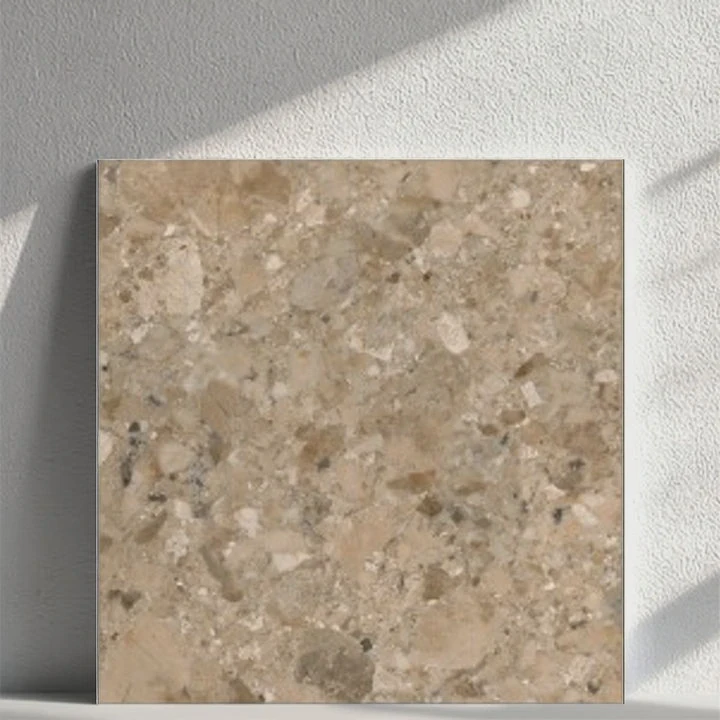
Modern manufacturing allows porcelain to replicate marble, wood, concrete, and natural stone while maintaining excellent performance.
Ceramic Tile
Ceramic tile is another popular choice.
Benefits include:
- Affordable pricing
- Large color selection
- Easy installation
- Good moisture resistance
While ceramic performs well in many residential showers, it generally absorbs more moisture than porcelain.
Glass Tile
Glass tile creates a distinctive visual effect.
Advantages include:
- Non-porous surface
- Excellent stain resistance
- Reflective appearance
- Modern aesthetics
Glass is frequently used as an accent material, feature wall, or decorative border.
Natural Stone Tile
Natural stone provides unique beauty that manufactured products often cannot fully duplicate.
Common options include:
- Marble
- Travertine
- Slate
- Limestone
Natural stone requires regular sealing and maintenance to protect against moisture penetration.
Material Comparison
| Material | Water Resistance | Maintenance Level | Durability |
|---|---|---|---|
| Porcelain | Excellent | Low | Excellent |
| Ceramic | Good | Low | Good |
| Glass | Excellent | Low | Good |
| Marble | Moderate | High | Good |
| Travertine | Moderate | High | Good |
| Slate | Good | Moderate | Very Good |
Matching Materials to Project Needs
The best material depends on project goals.
A luxury hotel may prioritize visual impact. A family home may focus on easy maintenance. A commercial project may require maximum durability.
Understanding the strengths and limitations of each material helps create a shower that remains attractive and functional for many years.
How Does Water Resistance Affect Tile Choice?
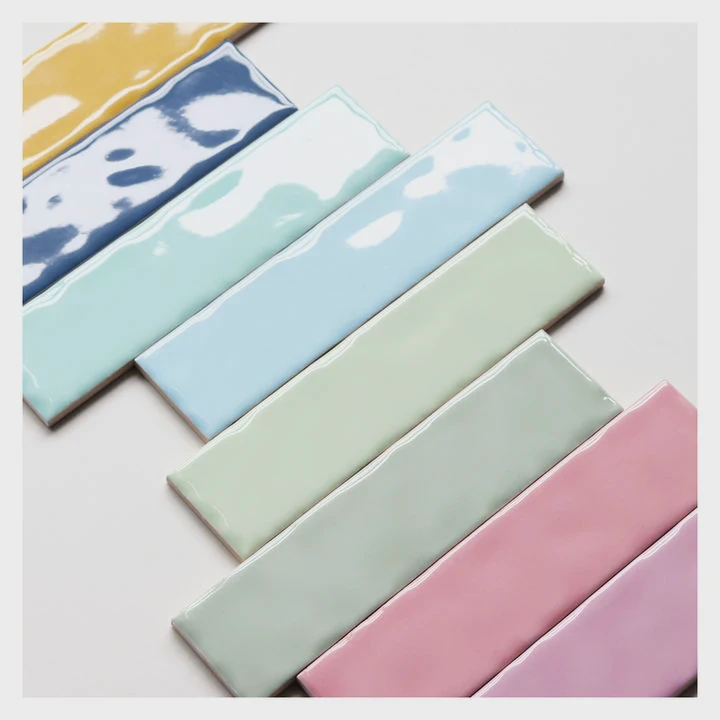
Many buyers compare tile colors, patterns, and sizes. Yet water resistance often has a greater impact on long-term performance than appearance alone.
Water resistance directly affects durability, maintenance requirements, mold prevention, and the overall lifespan of a shower wall installation.
Every shower experiences moisture exposure every day. Water that penetrates tile surfaces can create serious problems over time.
Understanding Water Absorption
Different tile materials absorb water at different rates.
Lower absorption generally means:
- Better durability
- Lower maintenance
- Improved hygiene
- Reduced staining risk
Manufacturers often classify tiles according to their water absorption rates.
Why Low Absorption Matters
When water enters a tile body, several issues may occur:
- Surface discoloration
- Mold growth
- Structural weakening
- Adhesive deterioration
- Grout damage
Low-absorption materials reduce these risks significantly.
Porous vs Non-Porous Materials
Porous materials contain tiny openings that allow moisture penetration.
Examples include:
- Some natural stones
- Terracotta products
- Unsealed surfaces
Non-porous materials include:
- Porcelain
- Glass
- Certain glazed ceramics
These materials resist water more effectively.
Impact on Cleaning
Water resistance also affects cleaning requirements.
Highly water-resistant surfaces often:
- Resist soap buildup
- Reduce staining
- Simplify maintenance
- Require less frequent sealing
This creates long-term convenience for homeowners and property managers.
Water Resistance and Mold Prevention
Moisture trapped behind surfaces creates ideal conditions for mold.
A water-resistant tile system helps reduce:
- Moisture accumulation
- Mold development
- Odor problems
- Indoor air quality concerns
Proper waterproofing behind the tile remains essential, but tile selection still plays an important role.
Why Shower Performance Depends on More Than Tile
Even highly water-resistant tile cannot compensate for poor installation.
A complete shower system includes:
- Waterproof membrane
- Quality adhesive
- Proper grout
- Expansion joints
- Correct drainage
Each component contributes to moisture protection.
Long-Term Cost Considerations
Some buyers select lower-cost materials to reduce upfront expenses.
However, poor water resistance can lead to:
- Higher maintenance costs
- More repairs
- Earlier replacement
- Increased labor expenses
Investing in water-resistant materials often reduces total ownership costs over the life of the installation.
Why Is Porcelain Often Preferred for Showers?
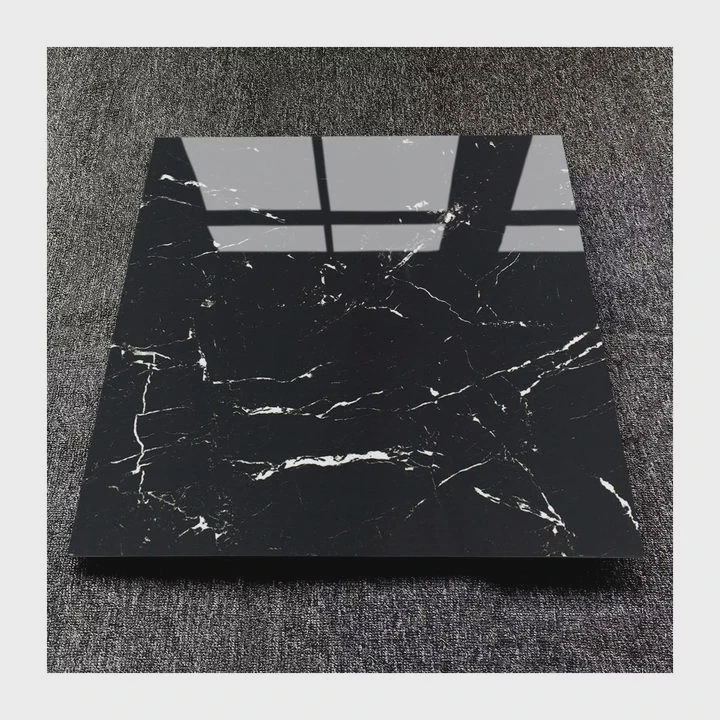
Porcelain has become one of the most specified materials for shower walls across residential and commercial projects worldwide.
Porcelain is preferred for showers because it combines exceptional water resistance, durability, low maintenance, design flexibility, and long-term reliability in wet environments.
Its performance advantages explain why architects, designers, builders, and homeowners frequently choose porcelain over other materials.
Extremely Low Water Absorption
Porcelain is manufactured under high pressure and high firing temperatures.
This process creates a dense structure with very low porosity.
Benefits include:
- Excellent moisture resistance
- Reduced staining
- Improved durability
- Better long-term performance
Low water absorption remains one of porcelain’s biggest advantages.
Outstanding Durability
Showers experience daily use.
Porcelain handles:
- Water exposure
- Cleaning products
- Temperature changes
- Humidity fluctuations
The material maintains its appearance and performance for many years.
Wide Range of Designs
Modern porcelain technology allows manufacturers to produce highly realistic surfaces.
Popular designs include:
- Marble look
- Stone look
- Concrete look
- Wood look
- Terrazzo look
This flexibility allows designers to achieve almost any aesthetic while maintaining practical performance.
Suitable for Multiple Project Types
Porcelain works well in:
- Residential bathrooms
- Hotels
- Resorts
- Apartment developments
- Commercial facilities
Its versatility makes it attractive for both small and large projects.
Large Format Tile Advantages
Large-format porcelain tiles continue to gain popularity.
Benefits include:
- Fewer grout joints
- Easier cleaning
- Modern appearance
- Enhanced visual continuity
Many luxury bathrooms now feature porcelain panels measuring 600x1200mm, 750x1500mm, or even larger sizes.
Performance Compared to Other Materials
| Feature | Porcelain | Ceramic | Natural Stone | Glass |
|---|---|---|---|---|
| Water Resistance | Excellent | Good | Moderate | Excellent |
| Maintenance | Low | Low | High | Low |
| Durability | Excellent | Good | Good | Good |
| Design Variety | Excellent | Very Good | Moderate | Moderate |
| Long-Term Value | Excellent | Good | Moderate | Good |
Why Contractors Recommend Porcelain
Many installers appreciate porcelain because it provides predictable results.
Advantages include:
- Consistent quality
- Reliable performance
- Broad product availability
- Long lifespan
These factors reduce project risk and improve customer satisfaction.
The Balance Between Beauty and Function
Some materials offer excellent appearance but require intensive maintenance. Others provide durability but limited design options.
Porcelain achieves a balance between both priorities. This combination explains why it remains one of the leading choices for modern shower wall installations worldwide.
Which Finishes Improve Safety and Maintenance?
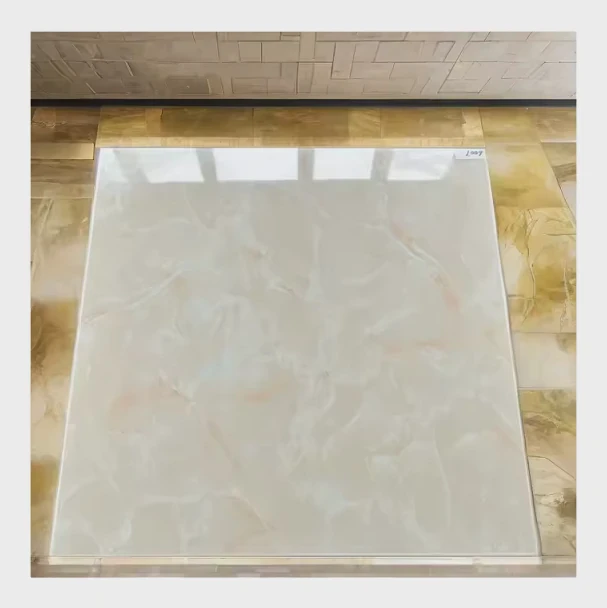
Tile material is important, but surface finish also affects safety, appearance, and maintenance requirements.
Matte, satin, textured, and certain glazed finishes often provide the best balance between safety, easy cleaning, and visual appeal for shower wall applications.
The right finish can influence how a shower performs for years after installation.
Understanding Tile Finishes
Manufacturers offer various surface treatments.
Common finish options include:
- Polished
- Matte
- Satin
- Textured
- Glossy
- Structured
Each finish creates different visual and functional characteristics.
Matte Finish
Matte surfaces remain popular for modern bathrooms.
Benefits include:
- Reduced fingerprints
- Less visible water spots
- Soft appearance
- Easier maintenance
Many homeowners prefer matte finishes because they create a clean and contemporary look.
Satin Finish
Satin finishes provide a balance between matte and glossy surfaces.
Advantages include:
- Subtle reflection
- Easy cleaning
- Elegant appearance
- Moderate maintenance
Satin often works well in both traditional and contemporary designs.
Glossy Finish
Glossy tiles reflect more light.
Benefits include:
- Bright appearance
- Enhanced color depth
- Visual spaciousness
Glossy wall tiles can make small bathrooms appear larger and brighter.
Textured Surfaces
Textured finishes create additional visual depth.
Advantages include:
- Decorative interest
- Natural appearance
- Better surface variation
Textured wall tiles are commonly used as feature walls and accent installations.
Maintenance Considerations
Different finishes require different cleaning efforts.
| Finish Type | Maintenance Level | Water Spot Visibility |
|---|---|---|
| Matte | Low | Low |
| Satin | Low to Moderate | Moderate |
| Glossy | Moderate | High |
| Textured | Moderate | Moderate |
| Polished | High | High |
Selecting a finish that matches the user’s maintenance expectations is important.
Safety Beyond the Floor
Safety discussions often focus on floor tiles. However, wall finishes can also influence shower performance.
Smooth surfaces generally:
- Clean more easily
- Resist soap accumulation
- Simplify maintenance routines
Textured surfaces may require more attention during cleaning.
Finding the Right Balance
The ideal finish depends on project priorities.
For low maintenance, matte and satin finishes often perform best.
For luxury visual impact, glossy surfaces may be preferred.
For decorative statement walls, textured finishes can add character and depth.
A thoughtful finish selection helps create a shower that remains attractive, practical, and easy to maintain over the long term.
Conclusion
The best tile for shower walls combines water resistance, durability, easy maintenance, and attractive design. Porcelain remains the leading choice for many projects because it offers exceptional performance in wet environments, while the right finish further improves both maintenance and long-term satisfaction.