What is vinyl composite tile?
- Sinotiles
- 2026-07-28
Many flooring buyers see different vinyl products but do not know which option fits their project. Choosing the wrong material can increase maintenance costs and reduce floor performance.
Vinyl composite tile, also called VCT, is a resilient flooring material made from vinyl resin, limestone filler, and other additives. It is known for durability, easy maintenance, and flexible design options, especially in commercial spaces.
When I work with flooring projects, I often find that people compare all vinyl floors together. However, different vinyl products have different structures and performance. Understanding VCT helps buyers choose a better flooring solution for their needs.
What defines vinyl composite tile material?
Understanding the material structure is important because the composition affects the floor’s strength, appearance, and maintenance needs. VCT is different from many modern vinyl flooring products because of its unique manufacturing process.
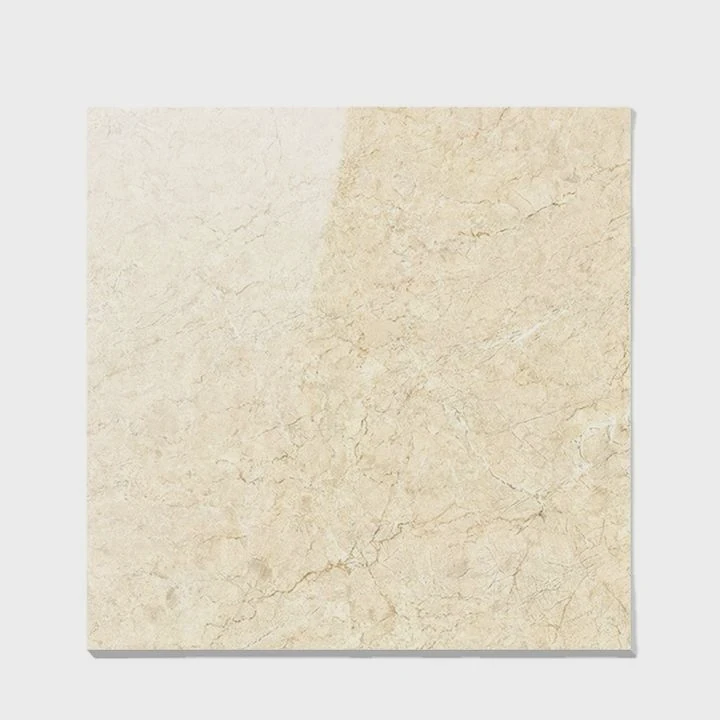
Vinyl composite tile is a flooring product made from a mixture of vinyl binders, mineral materials, pigments, and limestone. The combination creates a strong tile with good wear resistance and stable performance.
The main feature of VCT is its composite structure. Unlike some vinyl floors that use a flexible vinyl layer, VCT contains a large amount of limestone filler. This makes the tile harder and more rigid.
Main components of VCT
| Material Component | Function |
|---|---|
| Vinyl resin | Provides flexibility and bonding |
| Limestone filler | Improves strength and hardness |
| Pigments | Creates different colors and patterns |
| Additives | Improves performance and stability |
The manufacturing process combines these materials under high pressure and heat. The result is a dense tile that can handle heavy traffic areas. This is one reason why many schools, hospitals, offices, and public buildings use VCT.
VCT usually comes in square tiles. Common sizes include 12x12 inches, although other sizes may also be available depending on the manufacturer. The modular tile format makes replacement easier because damaged pieces can be removed and replaced individually.
Important characteristics of VCT
- Strong resistance to daily foot traffic
- Available in many colors and patterns
- Easy to replace damaged sections
- Requires regular maintenance
- Suitable for large commercial areas
One important point about VCT is that it normally needs finishing treatment. Unlike some luxury vinyl floors with protective wear layers, VCT often depends on floor polish and maintenance programs to keep its appearance.
I always explain to customers that VCT is not only a flooring material. It is part of a complete floor system. Installation quality, surface preparation, cleaning, and maintenance all affect the final performance.
The material works best when the project needs a balance between cost, durability, and design flexibility. It may not provide the premium feeling of some newer flooring options, but it remains a practical choice for many large-scale applications.
Where is vinyl composite tile commonly used?
VCT is widely used in areas that need strong flooring performance and easy maintenance. Its durability makes it suitable for spaces with high daily traffic.

Vinyl composite tile is commonly used in schools, hospitals, retail stores, offices, government buildings, and other commercial spaces. It is popular where floors need regular cleaning and long-term performance.
When I look at commercial flooring projects, I notice that many buyers focus on three points: durability, maintenance cost, and appearance. VCT can meet these needs when the project requires a reliable surface.
Common VCT applications
| Application Area | Why VCT Works Well |
|---|---|
| Schools | Handles heavy student traffic |
| Hospitals | Easy cleaning and replacement |
| Offices | Provides professional appearance |
| Retail stores | Supports frequent customer movement |
| Public buildings | Offers cost control for large areas |
Schools are one of the most common places for VCT flooring. Classrooms and hallways receive daily traffic from many people. The floor needs to resist wear while remaining easy to clean.
Hospitals and healthcare facilities also use VCT because maintenance is important. These environments need floors that can handle frequent cleaning routines. Individual tiles can also be replaced when damaged.
Retail stores choose VCT because the flooring can support large customer flows. The wide range of colors and patterns also allows designers to create different visual effects.
Why commercial projects choose VCT
- Lower material cost compared with some premium flooring options
- Easy repair through tile replacement
- Many design combinations
- Suitable for large spaces
- Long history of commercial use
However, VCT is not limited to commercial buildings. Some residential projects may also use it, especially in utility rooms, basements, or areas that need strong performance.
The installation environment matters. VCT needs a smooth and prepared surface because uneven concrete can affect the final appearance. Proper adhesive selection and installation methods also influence long-term results.
I usually recommend VCT for projects where function is more important than luxury appearance. It provides dependable performance and works well when the owner has a clear maintenance plan.
For large buildings, flooring decisions often involve many factors. VCT remains popular because it provides a practical solution without creating a very high initial investment.
How does vinyl composite tile differ from luxury vinyl tile?
Many buyers confuse vinyl composite tile with luxury vinyl tile because both products use vinyl materials. However, their structure, appearance, and performance are different.
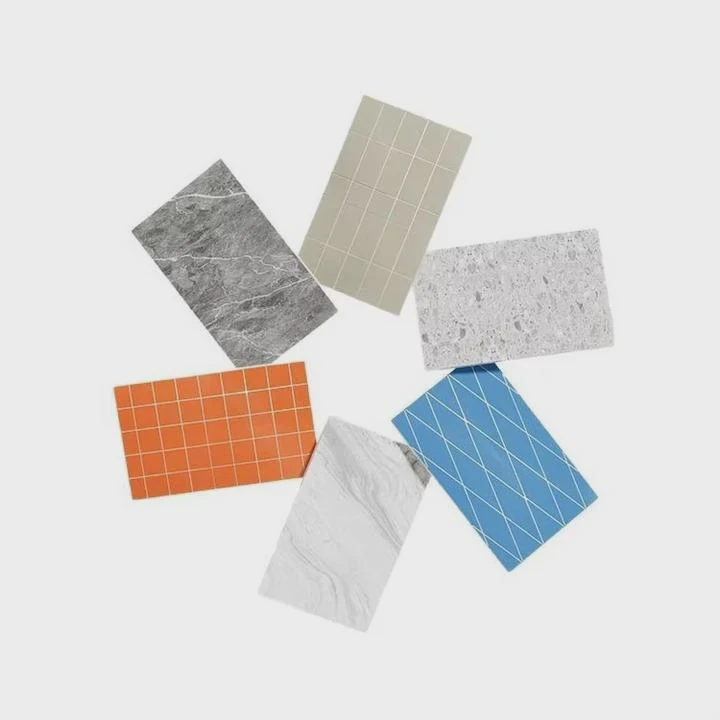
Vinyl composite tile is a hard commercial flooring product with limestone content, while luxury vinyl tile uses multiple flexible layers with printed designs and protective surfaces. LVT usually provides a more realistic appearance and higher water resistance.
When I compare VCT and LVT for customers, I explain that both products have advantages. The better choice depends on the project purpose, budget, and expected performance.
VCT vs LVT comparison
| Feature | Vinyl Composite Tile | Luxury Vinyl Tile |
|---|---|---|
| Structure | Vinyl and limestone composite | Multiple vinyl layers |
| Surface feel | Harder and more rigid | Softer and more flexible |
| Design style | Simple patterns and colors | Realistic wood and stone looks |
| Maintenance | Requires polishing | Usually easier maintenance |
| Water resistance | Moderate | Better protection |
LVT has become more popular in many modern designs because it can copy natural materials such as wood, marble, and stone. The printed decorative layer creates a realistic appearance.
VCT focuses more on performance and practicality. It may not create the same luxury visual effect, but it provides a strong surface for busy environments.
Key differences in daily use
VCT:
- Works well in high-traffic commercial spaces
- Needs regular polishing
- Has a lower initial cost
- Provides simple design choices
LVT:
- Offers more design flexibility
- Provides better moisture resistance
- Creates a more comfortable walking experience
- Often requires less maintenance
Another difference is installation. Both products require proper surface preparation, but LVT may offer more installation options depending on the product type.
The choice between VCT and LVT should match the project goal. If the priority is controlling budget for a large building, VCT can be a strong option. If the priority is appearance and modern design, LVT may be more suitable.
I always suggest looking at the complete lifecycle cost instead of only the purchase price. A cheaper material may need more maintenance, while a higher-priced product may reduce future work.
Both flooring types have their own market position. Understanding the difference helps buyers avoid choosing based only on appearance or price.
Is vinyl composite tile durable and cost-effective?
Durability and cost are two main reasons why many commercial projects continue to use VCT. The material has a long history of performance in demanding environments.
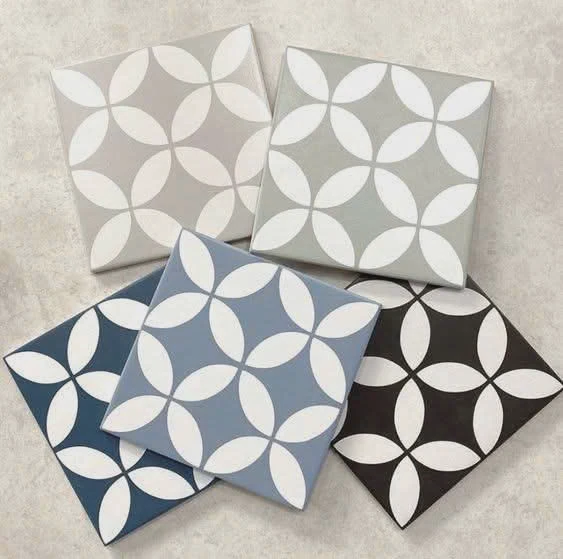
Vinyl composite tile is durable and cost-effective when installed correctly and maintained regularly. It provides strong wear resistance, affordable replacement options, and reliable performance for high-traffic spaces.
When I evaluate flooring materials, I look beyond the first purchase cost. A good flooring choice should provide value throughout its service life.
Advantages of VCT flooring
| Advantage | Benefit for Projects |
|---|---|
| High wear resistance | Supports heavy daily traffic |
| Low material cost | Reduces initial investment |
| Easy replacement | Lowers repair expenses |
| Many design options | Supports different layouts |
VCT can last many years when it receives proper care. Regular cleaning and floor finishing help protect the surface and maintain appearance.
However, maintenance is an important part of VCT performance. Without proper care, the surface may lose shine and show wear more quickly. Building owners should include maintenance plans when selecting this flooring.
Factors affecting VCT lifespan
- Installation quality
- Traffic level
- Cleaning routine
- Maintenance frequency
- Environmental conditions
The cost advantage of VCT comes from both material price and repair flexibility. If one tile becomes damaged, the entire floor does not need replacement. A small section can be repaired.
For large projects, this feature can create significant savings. Schools, hospitals, and offices often prefer materials that are easy to manage over many years.
VCT also supports design changes. Different colors can create patterns, zones, or visual guides. This flexibility allows designers to create functional spaces without using expensive materials.
I believe VCT remains valuable because it solves practical problems. It may not be the newest flooring technology, but it continues to provide reliable performance where durability and budget control are important.
Conclusion
Vinyl composite tile is a practical flooring choice with strong durability, flexible design, and affordable cost. It works especially well for commercial spaces that need reliable performance and easy maintenance.
- Pre: Can Laminate Flooring Be Installed Over Tile?
- Next: Sorry!