Can bathroom tile be reglazed?
- Sinotiles
- 2026-08-11
Old bathroom tiles can make a space look tired, even when the structure is still strong. Many homeowners think replacement is the only way to refresh the room, but this choice can bring high costs and long construction time.
Yes, bathroom tile can be reglazed. Reglazing is a surface renewal method that applies a new coating layer over existing tiles. It can restore color, improve shine, and give old tiles a cleaner modern look without full removal.
Before choosing a solution, I always look at the tile condition, the project goal, and the budget. Reglazing is not only about making tiles look new. It is also about finding a practical way to improve a bathroom space.
What is the process of tile reglazing?
Old bathroom tiles often lose their beauty because of stains, scratches, and years of daily use. A damaged surface can make the whole bathroom feel outdated. The good news is that reglazing can refresh many tile surfaces without removing the original tiles.
The process of tile reglazing includes cleaning, repairing, preparing the surface, applying a bonding layer, and adding a new protective finish. Each step helps create a smooth and durable tile surface.
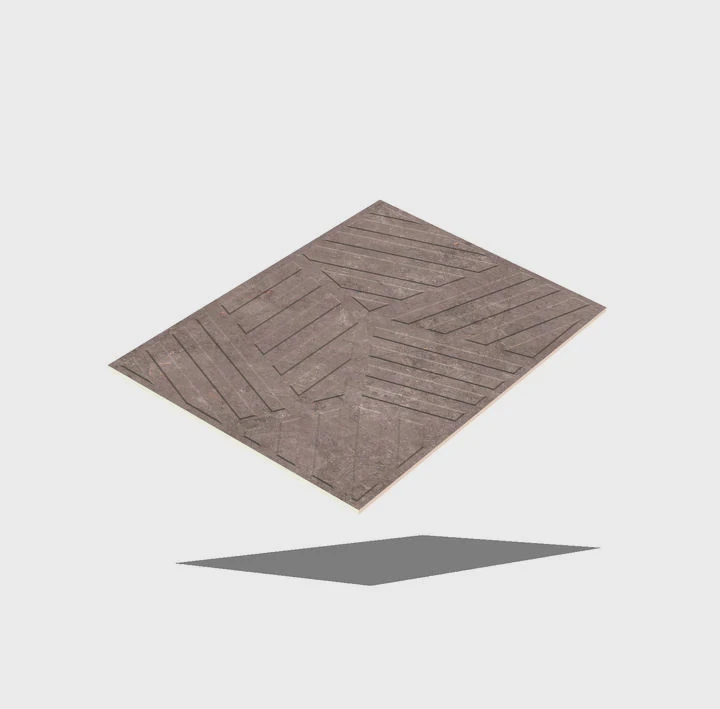
The reglazing process needs careful preparation because the new coating must connect strongly with the old tile surface. A simple paint layer cannot provide the same result. Professional reglazing uses special materials that are designed for wet areas like bathrooms.
The first step is a deep cleaning process. Dirt, soap residue, and oil must be removed because they can reduce coating strength. After cleaning, technicians check the tile surface for cracks, chips, or loose areas. Small problems are repaired before the new layer is added.
The next step is surface preparation. The old tile finish is usually treated to create a better bonding surface. This step is important because bathroom tiles face water, humidity, and frequent cleaning. A weak connection between old tile and new coating can lead to peeling.
The final steps include applying the new coating and allowing enough drying time. The finish can create a smooth surface with a fresh color and improved appearance. Many people choose white or light colors because they make bathrooms look brighter, but modern reglazing also offers many other color options.
Main steps of bathroom tile reglazing
| Step | Purpose | Result |
|---|---|---|
| Cleaning | Remove dirt and residue | Better surface preparation |
| Repairing | Fix chips and cracks | Stronger final finish |
| Surface treatment | Improve bonding ability | Longer coating life |
| Coating application | Add new tile layer | Fresh appearance |
| Drying and curing | Strengthen the finish | More durable surface |
A careful process can make reglazing a useful choice for many bathrooms. However, I believe it is important to understand that reglazing works best when the original tiles are still stable. If tiles have serious damage or movement, replacement may be a better option.
How long does reglazing last?
Many people worry that reglazing is only a short-term solution. This concern is understandable because bathrooms have constant exposure to water, cleaning products, and daily activity. A poor-quality coating may fail quickly, but a well-done reglazing project can provide many years of service.
Bathroom tile reglazing can usually last around 5 to 10 years when the surface is prepared correctly and maintained properly. The lifespan depends on material quality, installation skill, and daily care.
The life of reglazed tiles depends on several factors. The first factor is the quality of the preparation work. If the surface is not cleaned and treated correctly, the coating may not attach well. Good preparation creates a stronger base.
The second factor is the type of bathroom use. A guest bathroom with light use may keep its appearance longer than a busy family bathroom. A bathroom with frequent water exposure and heavy cleaning needs more careful maintenance.
The third factor is cleaning habits. Strong chemical cleaners and rough scrubbing tools can damage the finish over time. Gentle cleaning methods help protect the surface and keep the new appearance.
Factors that affect reglazing lifespan
| Factor | Positive Impact | Negative Impact |
|---|---|---|
| Surface preparation | Strong bonding | Early peeling risk |
| Material quality | Better durability | Faster wear |
| Cleaning method | Longer finish life | Surface damage |
| Bathroom usage | Less stress | More daily wear |
I also think homeowners should compare reglazing with their long-term goals. Reglazing is a surface improvement method, not a complete structural repair. It can solve appearance problems and improve old tiles, but it cannot fix serious water damage behind the wall or unstable tile installation.
With proper expectations, reglazing can be a smart investment. It gives people more time before a full bathroom renovation is needed. For many projects, extending the useful life of existing tiles is a practical decision.
Can reglazing improve tile appearance?
A bathroom can feel completely different when the tile surface looks clean, bright, and modern. Old tiles often lose their original beauty because of stains, faded colors, and worn finishes. Reglazing can change this appearance without changing the entire bathroom structure.
Yes, reglazing can improve tile appearance by creating a fresh surface, restoring color, covering minor stains, and giving old tiles a smoother and cleaner look.
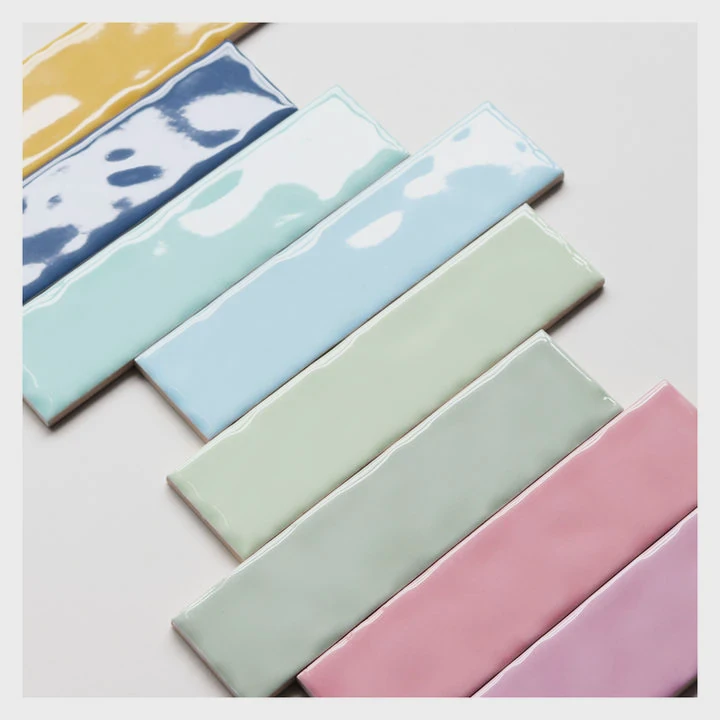
One reason people choose reglazing is the visual transformation. A bathroom with outdated tiles can become brighter after applying a new finish. This is especially useful when the existing tile layout is still attractive, but the surface looks old.
Reglazing can also help create a more consistent style. Older bathrooms may have colors that no longer match modern design trends. A new coating allows homeowners to update the overall feeling of the space without removing the existing tile structure.
Appearance improvements from reglazing
| Before Reglazing | After Reglazing |
|---|---|
| Faded tile color | Fresh and even color |
| Old surface marks | Cleaner appearance |
| Dull finish | Improved shine |
| Outdated style | More modern look |
However, I understand that appearance is not only about color. The quality of the finish, the smoothness of the surface, and the matching of the new style with the whole bathroom are also important. A good result requires planning.
For example, a bright white finish can make a small bathroom appear larger. A softer neutral color can create a calm and comfortable feeling. The right choice depends on the bathroom design and the desired atmosphere.
Reglazing is also useful for commercial spaces such as hotels and rental properties. These projects often need fast improvements because closing a bathroom for a long renovation can affect business operations. A refreshed tile surface can improve guest experience while reducing renovation time.
From my experience in the tile industry, many customers first focus on buying new materials, but they sometimes overlook the condition of their existing surfaces. Reglazing gives another option. It helps people make better decisions based on actual needs instead of automatically replacing everything.
Why choose reglazing over replacement?
Bathroom tile replacement can create a completely new space, but it also requires more time, labor, and cost. Removing old tiles may involve demolition, waste disposal, surface preparation, and new installation. For many homeowners and property managers, this process can be difficult.
Reglazing is often chosen over replacement because it costs less, requires less time, creates less waste, and can refresh existing tiles without major construction work.
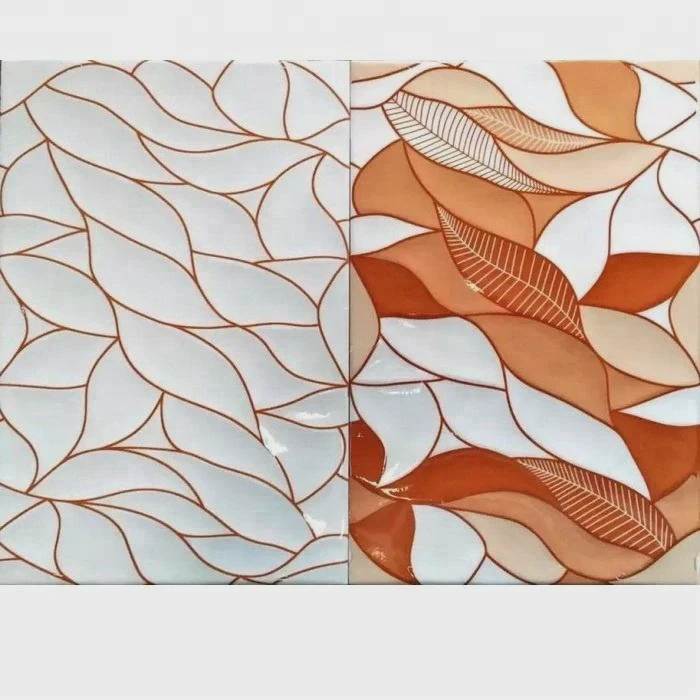
The biggest advantage of reglazing is efficiency. A full tile replacement project can take days or weeks depending on the bathroom size and design. Reglazing usually allows people to improve the space faster. This benefit is valuable for rental properties, hotels, and busy households.
Cost is another important factor. Replacement requires new tiles, labor, removal work, and possible repairs behind the old surface. Reglazing focuses on improving what already exists. This approach can reduce expenses while still creating a noticeable visual change.
Reglazing and replacement comparison
| Comparison Point | Reglazing | Replacement |
|---|---|---|
| Cost | Usually lower | Usually higher |
| Project time | Faster | Longer |
| Construction mess | Less waste | More demolition |
| Design change | Surface update | Full transformation |
| Best for | Stable old tiles | Damaged tile systems |
I also consider environmental impact when comparing these two options. Removing old tiles creates construction waste. Reglazing allows existing materials to stay in place, which can reduce unnecessary waste. This makes it an attractive option for people who want a more efficient renovation method.
However, replacement still has clear advantages. If tiles are cracked, loose, or have hidden water problems, a new coating cannot solve the deeper issue. A complete renovation may be the correct choice in these situations.
The best decision depends on the condition of the bathroom and the expected result. Reglazing works well for updating appearance and extending tile life. Replacement works better when the entire system needs improvement.
For many projects, the smartest approach is not choosing the newest option, but choosing the option that matches the real situation. A well-planned decision can save money, reduce stress, and create a better bathroom experience.
Conclusion
Bathroom tile can be reglazed, and this method can improve appearance, extend tile life, and reduce renovation costs. When existing tiles are stable, reglazing provides a practical way to create a fresh bathroom without full replacement.