How to fix a ceiling tile?
- Sinotiles
- 2026-08-11
Ceiling tiles can suddenly look uneven, damaged, or unsafe, and this problem can affect the appearance of a whole room. A small issue can become a bigger repair if it is ignored.
Fixing a ceiling tile usually requires checking the cause first, then repairing or replacing the damaged tile. A proper repair can improve safety, appearance, and the long-term use of the ceiling system.
Many people think a ceiling tile problem only needs a quick replacement. However, the real reason behind the damage is also important. A tile may sag because of moisture, poor support, aging materials, or problems with the ceiling grid. Understanding the reason helps avoid repeated repairs.
What causes ceiling tiles to sag?
Sagging ceiling tiles often happen because the tile loses strength, absorbs moisture, or does not receive enough support from the ceiling system. Finding the real cause helps create a better repair plan.
Ceiling tiles usually sag because of water damage, humidity, old materials, incorrect installation, or weak ceiling grid support. Checking these issues first can prevent future ceiling problems.

A sagging ceiling tile is not only a visual problem. It can also show that something inside the ceiling system is wrong. When a tile changes shape, the material may have already lost its original strength.
Common reasons behind sagging ceiling tiles
| Cause | How it affects ceiling tiles |
|---|---|
| Water leakage | Moisture makes the tile soft, heavy, and easy to deform |
| High humidity | Long-term moisture exposure reduces tile strength |
| Old ceiling materials | Aging tiles may lose stability and shape |
| Poor installation | Incorrect placement can create pressure on tiles |
| Damaged grid system | Weak support can make tiles move or fall |
Water damage is one of the most common causes. When water enters from a roof leak, pipe problem, or air conditioning system, ceiling tiles can absorb the moisture. Many ceiling materials are designed to stay dry. Once they become wet, they may expand, bend, or break.
Humidity can also create problems, especially in areas with warm and wet weather. Rooms such as kitchens, bathrooms, and commercial spaces often have higher moisture levels. Over time, continuous humidity can slowly weaken the tile structure.
The age of the ceiling tile is another factor. Some older tiles become fragile after years of use. They may look acceptable from the outside, but their inside structure can become weak. When cleaning, moving furniture, or performing maintenance, old tiles may crack more easily.
Installation quality also matters. A ceiling tile needs correct spacing and support. If workers install tiles without following proper measurements, the tiles may not sit evenly. Some areas may receive more pressure, which can cause bending.
The ceiling grid should also receive attention. Many people only look at the visible tile surface and ignore the hidden support system. However, the grid carries the weight of the tiles. If the grid becomes bent, rusty, or loose, the tiles may start to sag.
For commercial buildings, regular inspection is useful because ceiling problems can affect many rooms at the same time. A small repair today can prevent larger replacement costs later.
How to replace damaged ceiling tiles?
Replacing a damaged ceiling tile is usually simple when the ceiling system uses removable panels. The key is choosing the correct replacement tile and installing it carefully.
To replace a damaged ceiling tile, remove the old panel, check the grid condition, place the new tile correctly, and make sure it sits firmly in position.
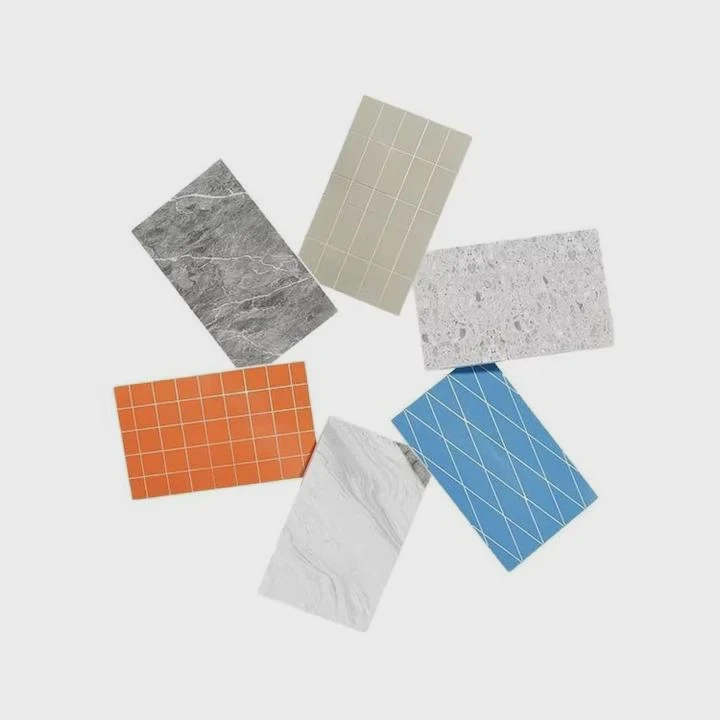
Replacing ceiling tiles does not always require major construction work. Many suspended ceiling systems allow individual tiles to be removed and replaced. This makes repairs faster and more affordable.
Basic steps for replacing a ceiling tile
The first step is identifying the correct tile size. Ceiling tiles come in different dimensions, materials, colors, and surface designs. A replacement tile should match the existing ceiling as closely as possible.
Common ceiling tile sizes include:
| Ceiling tile size | Common application |
|---|---|
| 600x600mm | Offices, commercial spaces, and public buildings |
| 600x1200mm | Large rooms and modern interior projects |
| Custom sizes | Special design and renovation projects |
Before removing the damaged tile, it is important to protect the area below. Dust and small pieces of material may fall during the repair process. Using protective equipment can make the work safer.
The next step is removing the old tile. Most suspended ceiling tiles can be lifted upward and moved through the grid opening. However, damaged tiles should be handled carefully because broken edges can create extra debris.
After removing the tile, the grid should be checked. The support frame should be straight and clean. If the grid has damage, installing a new tile may only provide a temporary solution.
The new tile should be placed into the opening at an angle and then lowered into position. The edges should sit evenly on the grid. A good installation should not leave visible gaps between tiles.
For large projects, selecting the right tile material is important. Different spaces need different performance features. For example, offices may need acoustic tiles to reduce noise, while kitchens may require moisture-resistant products.
Choosing the right replacement tile
A good replacement tile should consider several factors:
- Room environment
- Moisture level
- Fire safety requirements
- Sound control needs
- Design style
- Maintenance requirements
For example, a bathroom ceiling may need better moisture resistance than a dry office ceiling. A shopping mall may need stronger materials because of higher traffic and maintenance needs.
Professional suppliers can also help customers choose suitable ceiling materials. In many renovation projects, the goal is not only to repair damage but also to improve the overall ceiling performance.
Can adhesive fix loose ceiling tiles?
Adhesive can sometimes help fix loose ceiling tiles, but it is not always the best solution. The correct method depends on why the tile became loose.
Adhesive can fix some loose ceiling tiles when the problem is a small movement issue, but it cannot solve damaged tiles, moisture problems, or weak ceiling grid structures.
Many people use adhesive because it seems quick and simple. However, using glue without checking the cause can hide a bigger problem.
When adhesive may work
Adhesive can be useful when a ceiling tile slightly moves because of minor installation problems. For example, a small gap between the tile and support area may allow movement. In this situation, a suitable ceiling adhesive may provide extra stability.
However, adhesive should be selected carefully. Regular household glue may not provide enough strength for ceiling applications. Ceiling materials have different surfaces, and some adhesives may not bond properly.
When adhesive is not enough
| Situation | Is adhesive suitable? |
|---|---|
| Small movement caused by loose fitting | Sometimes suitable |
| Water damaged tile | Not recommended |
| Broken tile edge | Replacement is better |
| Damaged grid | Grid repair is needed |
| Old weak tile | Replacement is safer |
If a tile is sagging because of water damage, adhesive will not restore the original strength. The moisture problem must be solved first. Otherwise, the tile may continue to weaken.
Adhesive also cannot repair a damaged ceiling grid. The grid is the main support structure. If it is bent or broken, the correct repair method is replacing or fixing the grid components.
Another problem with adhesive repair is future maintenance. A glued tile may become harder to remove later. This can create extra work when technicians need access above the ceiling.
A better approach is to inspect the whole ceiling system before choosing a repair method. A small repair can be useful, but only when it matches the actual problem.
Why inspect grid before repairing tiles?
The ceiling grid is the foundation of a suspended ceiling system. Inspecting it before repairing tiles helps make sure the repair is safe and lasts longer.
Inspecting the ceiling grid before tile repair helps find hidden support problems, prevents repeated damage, and ensures the new tile can stay stable.
Many ceiling repair mistakes happen because people focus only on the visible tile. The tile is easy to see, but the grid controls the strength and position of the entire ceiling.
The role of the ceiling grid
The grid supports each ceiling tile and keeps the ceiling surface level. It includes main runners, cross tees, and other connecting parts. When these parts work correctly, tiles stay flat and secure.
A damaged grid can create several problems:
- Uneven ceiling surfaces
- Loose tiles
- Increased replacement frequency
- Possible safety risks
Before installing new tiles, checking the grid can save time and money. If the grid has rust, bending, or poor connections, the new tile may become damaged again.
What should be checked during inspection?
| Inspection item | Possible problem |
|---|---|
| Grid alignment | Uneven tile position |
| Metal condition | Rust or weakened support |
| Connection points | Loose ceiling structure |
| Load support | Risk of tile movement |
A proper inspection starts by looking at the visible condition of the grid. The frame should be straight and should not show signs of damage.
The connection points are also important. Loose connections can create movement when the building experiences vibration or temperature changes.
In some buildings, ceiling problems happen because the grid was not designed for the tile weight. Different ceiling materials have different weights, so the support system should match the product requirements.
Regular inspection is especially important for commercial buildings. Offices, hotels, shopping centers, and public spaces usually have larger ceiling areas. A small grid issue can affect many tiles.
When repairing ceiling tiles, the goal should not only be to make the ceiling look better. A complete repair should improve safety, stability, and future maintenance.
Conclusion
Fixing a ceiling tile requires more than replacing a damaged panel. Checking the cause, choosing the right repair method, and inspecting the grid can create a safer and longer-lasting ceiling system.