Can ceramic tile be stained?
- Sinotiles
- 2026-07-23
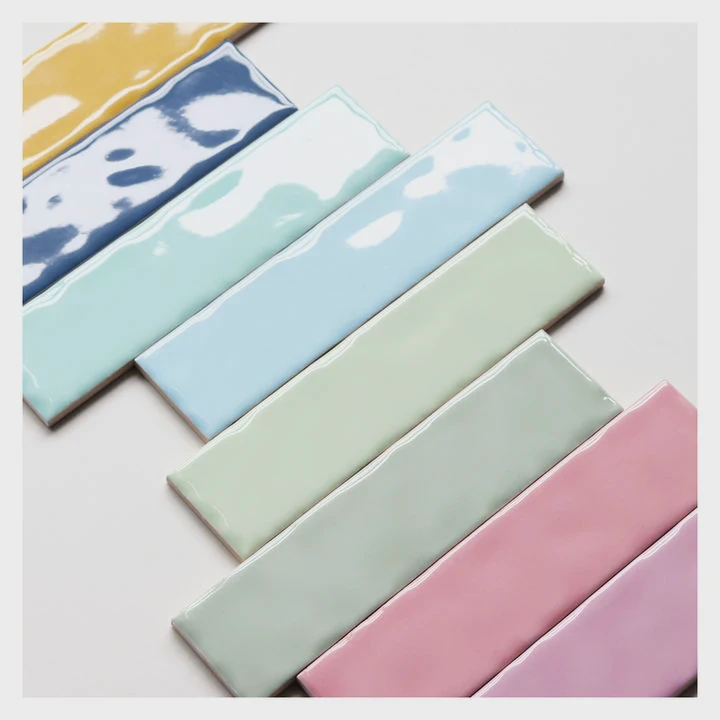
Many homeowners want to change old ceramic tiles without removing them. The idea of staining sounds simple, but the result is not always easy to control.
Ceramic tile usually cannot be stained like wood or natural stone because its surface is sealed and non-porous. Most color changes need coatings, refinishing methods, or tile replacement instead.
Before choosing a method, it is important to understand how ceramic tile works. The surface structure decides whether color can enter the tile or only stay on top.
What alternatives exist to staining ceramic tile?
Changing ceramic tile color does not always require traditional staining. Many practical methods can create a new appearance while keeping the original tile surface. In my experience working with ceramic products, many customers first ask about staining because they want a low-cost renovation option. However, other solutions often provide better control and longer-lasting results.
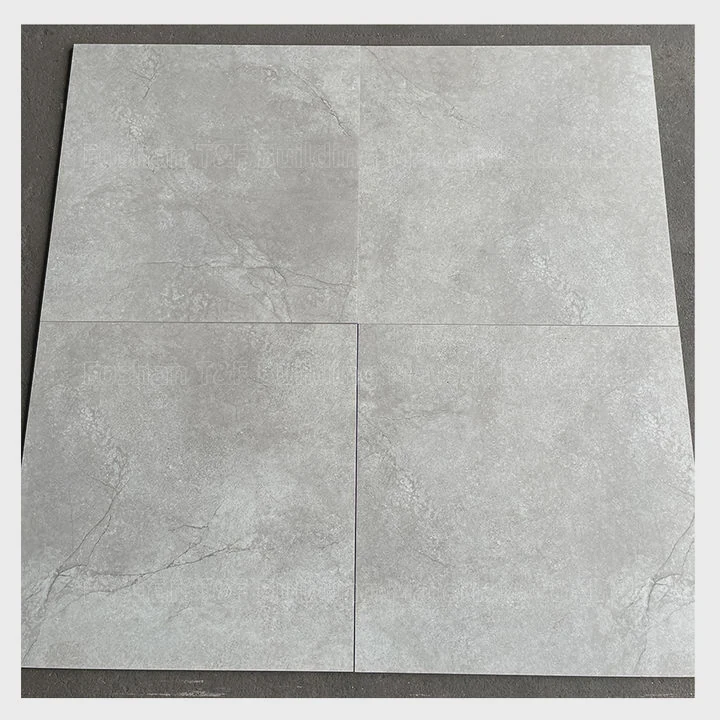
The best alternatives to staining ceramic tile include painting, tile refinishing, decorative coatings, replacement, and using new tile designs. These methods work because they change the surface appearance instead of trying to force color into the ceramic body.
Common ways to update ceramic tile appearance
| Method | How it works | Best use case |
|---|---|---|
| Tile paint | Adds a new color layer on the surface | Small areas and home updates |
| Epoxy coating | Creates a strong protective surface | Bathrooms, kitchens, and high-use areas |
| Tile refinishing | Repairs and changes the surface finish | Older tiles with good structure |
| Tile replacement | Removes old tiles and installs new ones | Large renovation projects |
When customers choose a new look for ceramic tile, they often focus only on color. However, the surface condition, location, and daily use are also important. A kitchen floor needs a stronger solution than a decorative wall area. A bathroom also needs materials that can handle water and cleaning products.
A painted tile surface can look attractive, but preparation is very important. The tile must be clean, dry, and free from grease. Without proper preparation, the coating may peel after regular use. Epoxy coatings usually offer better durability because they create a harder surface layer.
For commercial projects, I often see buyers choose replacement or new tile installation because they need reliable performance. A hotel, shopping center, or office building cannot depend on a temporary color change. These projects need materials that can handle traffic, cleaning, and long-term use.
Why new ceramic tile can be a better design choice
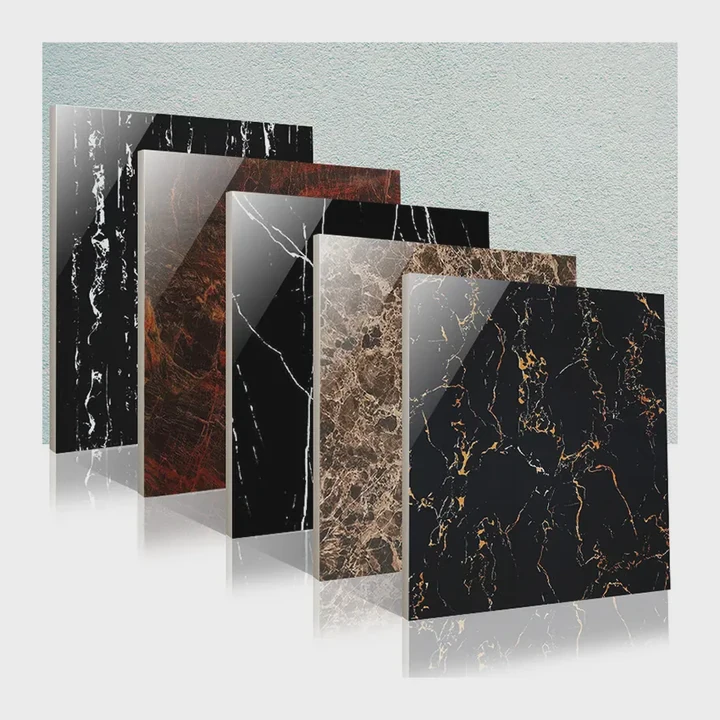
Modern ceramic tile production has changed a lot. Manufacturers now create many colors, patterns, and textures. Digital printing technology allows tiles to copy the appearance of marble, wood, stone, and concrete.
This means customers do not always need to modify old tiles. They can choose new tiles that already have the desired design.
For example, a homeowner who wants a dark stone appearance may choose porcelain or ceramic tiles with a stone pattern. A commercial designer may choose large format tiles to create a modern space. These options often provide better quality and a cleaner finish.
The choice depends on the project goal. If the goal is a quick visual change, coatings can work well. If the goal is long-term value, replacing tiles may be the stronger option.
Why doesn’t ceramic absorb stain easily?
Ceramic tile does not absorb stain easily because its surface is usually dense, hard, and covered with a protective glaze. This structure prevents liquids and pigments from entering the tile body.
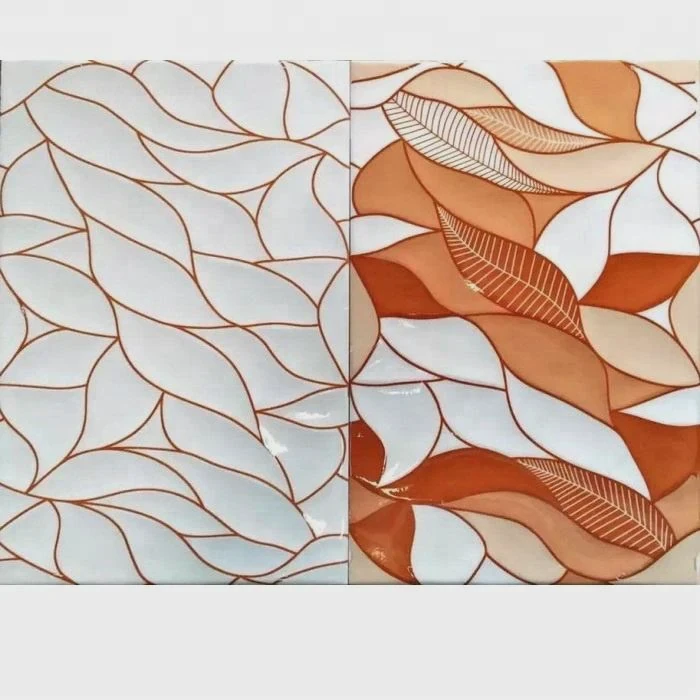
The main reason ceramic tile resists stains is the manufacturing process. During production, ceramic materials are shaped and fired at high temperatures. This process creates a strong surface with very low water absorption.
The glaze layer is especially important. Many ceramic tiles have a glass-like coating that protects the surface. This coating creates a barrier between the tile and outside materials.
Understanding ceramic tile structure
| Tile part | Function | Effect on staining |
|---|---|---|
| Ceramic body | Provides strength and shape | Limits deep color absorption |
| Glaze layer | Protects and adds design | Blocks most stains |
| Surface texture | Creates visual and physical effects | Can collect dirt in small areas |
When I explain ceramic tile to buyers, I usually compare it with wood. Wood has natural pores, so stain can enter the material and change its color. Ceramic tile works differently because the surface is closed and compact.
Some unglazed ceramic tiles can absorb more liquid than glazed tiles. However, even these tiles usually do not behave like wood or concrete. The absorption level depends on the tile type, production quality, and surface treatment.
Factors that affect stain resistance
Several factors decide how easily ceramic tile can be marked:
- Tile surface finish
- Water absorption rate
- Glaze quality
- Cleaning habits
- Type of liquid or chemical
A high-quality glazed ceramic tile can resist many common stains, including food marks, dirt, and household liquids. This is one reason ceramic tile is widely used in kitchens, bathrooms, and commercial spaces.
However, stain resistance does not mean complete protection. Strong chemicals, permanent markers, or damaged surfaces can still create problems. Scratches or worn glaze areas may allow dirt to collect more easily.
For this reason, regular maintenance is still important. Simple cleaning with suitable products can keep ceramic tile looking new for many years.
From a manufacturing view, stain resistance is a key quality feature. During production, factories test properties such as water absorption, surface strength, and durability. These tests help ensure that tiles can meet different market needs.
For international buyers, especially those purchasing large quantities, surface performance is a major concern. A tile may look beautiful in a sample, but it must also perform well after installation. This is why professional ceramic suppliers focus on both design and technical quality.
Can coatings mimic stained tile appearance?
Coatings can create a stained tile appearance by adding color and texture on top of ceramic surfaces. They do not create a true stain inside the tile, but they can produce a similar visual effect.
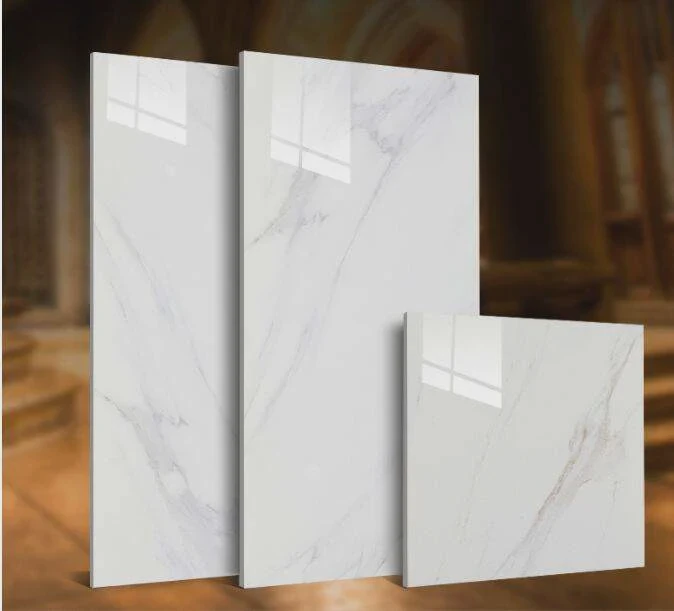
Many renovation projects use coatings because they provide more color choices. A coating can change a white tile into a darker style or create a special finish without removing the original material.
Types of coatings used on ceramic tile
| Coating type | Appearance | Durability |
|---|---|---|
| Acrylic coating | Smooth painted finish | Medium |
| Epoxy coating | Hard and glossy surface | High |
| Polyurethane coating | Protective finish | High |
| Decorative glaze | Ceramic-like appearance | High when professionally applied |
Coatings can be useful, but the final quality depends on the application process. A professional surface preparation step is necessary. The tile must be cleaned, sanded, and treated correctly before coating.
A poor coating job can create problems such as peeling, cracking, or color fading. This is especially true in areas with water exposure or heavy foot traffic.
When coatings make sense
Coatings are often suitable for:
- Bathroom walls
- Decorative areas
- Low-traffic rooms
- Temporary renovation projects
They are less suitable for areas that receive constant pressure, such as busy commercial floors. In those cases, the surface may wear faster than expected.
In my work with ceramic tile customers, I often notice that people want the appearance of expensive materials at a lower cost. Coatings can help achieve this goal, but expectations should be realistic.
A coating can imitate the look of stained ceramic tile, but it cannot completely replace the strength and durability of a factory-made tile finish. Modern ceramic tiles receive controlled treatment during production. The color, glaze, and surface texture are created together under high-temperature conditions.
For buyers who need a long-term solution, choosing a ceramic tile with the desired design is usually safer. Manufacturers now offer many options, from natural stone effects to modern concrete styles.
For example, large format ceramic tiles can create a luxury appearance with fewer grout lines. Wood-look tiles can create warmth while keeping ceramic durability. These designs reduce the need for surface modification.
Coatings remain a useful tool, especially for small renovation projects. They provide flexibility and can extend the visual life of existing tiles. The right choice depends on budget, location, and expected service time.
Is replacing tile better than staining?
Replacing ceramic tile is often a better choice when the existing tile has serious damage, outdated design, or performance problems. While staining or coating may change appearance, replacement can improve both beauty and function.
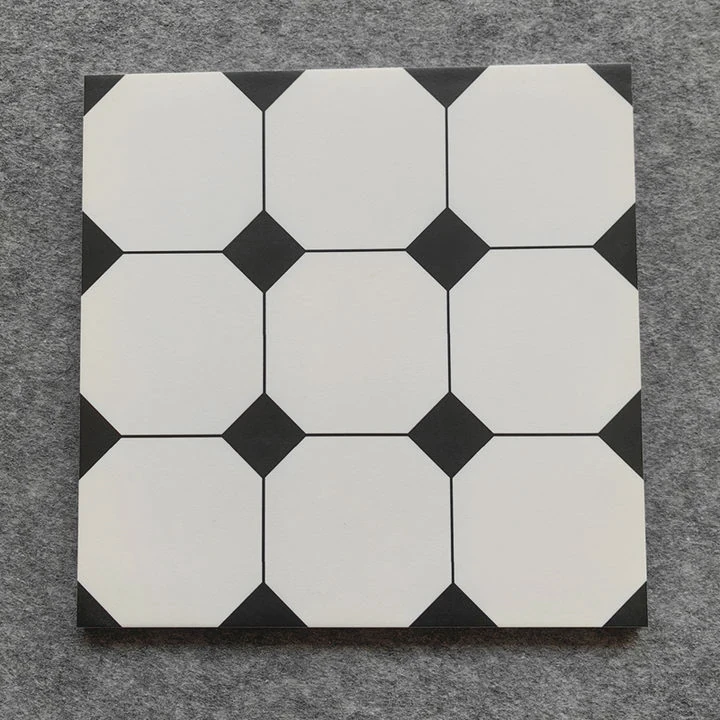
Many people consider staining because they want to avoid the cost and effort of removing old tiles. This is understandable. However, a surface change cannot solve problems such as cracks, loose tiles, poor installation, or outdated materials.
Comparing tile modification and replacement
| Option | Advantages | Limitations |
|---|---|---|
| Staining or coating | Lower cost and faster change | Limited durability and design control |
| Refinishing | Improves old surfaces | Needs professional work |
| Replacement | New design and long service life | Higher cost and more labor |
When I help customers choose ceramic products, I usually suggest looking at the full project value. A cheaper short-term solution may create higher maintenance costs later.
Replacement provides several benefits:
- New surface performance
- More design choices
- Better durability
- Improved property value
- Opportunity to upgrade tile size and style
Modern ceramic tile options are very different from older products. Buyers can choose from polished tiles, matte tiles, textured tiles, large slabs, and many decorative designs.
For example, a homeowner replacing small outdated tiles may choose 600x1200mm or 750x1500mm large format tiles. These sizes can create a cleaner and more modern appearance. Commercial projects may choose durable porcelain options for stronger performance.
However, replacement is not always necessary. If the existing tile is strong and only the color feels outdated, a coating solution may be enough. The decision should consider the condition of the tile, the purpose of the space, and the expected result.
A practical decision process
Before choosing a method, I recommend checking:
- Is the tile physically damaged?
- Is the current surface still strong?
- Is the area exposed to heavy use?
- How long should the new appearance last?
- Is a complete design change needed?
A careful evaluation helps avoid unnecessary spending. Some projects only need a visual refresh, while others need a complete upgrade.
For global ceramic tile buyers, replacement is often the preferred option because it provides consistent quality and reliable supply. A professional tile manufacturer can provide different designs, sizes, and customization options to match project requirements.
The ceramic industry continues to develop new products that combine design and performance. Instead of changing old tiles, many customers now choose products that already provide the desired appearance and technical features.
Conclusion
Ceramic tile is difficult to stain because its dense surface blocks color absorption. Coatings can change appearance, but replacement often provides the best long-term result when durability and design quality matter.