How Much Does It Cost to Remove Tile Floor?
- Sinotiles
- 2026-07-23

Removing an old tile floor can become stressful when hidden costs appear. Many homeowners start with a simple plan but later face extra labor, difficult materials, and unexpected preparation work.
The cost to remove tile floor usually depends on the tile type, floor size, labor difficulty, disposal needs, and the condition of the surface underneath. Most projects become more expensive when tiles are harder to break, remove, or transport away.
Before starting a tile removal project, I always suggest looking at every cost factor. A clear budget helps avoid surprises and creates a better renovation plan.
What Factors Affect Tile Removal Cost?
Tile removal cost changes because every floor has different conditions. A small room with easy-to-remove tiles can have a very different price from a large commercial space with strong adhesive and thick materials.
The main factors include floor size, tile installation method, tile material, labor rates, disposal fees, and the condition of the subfloor after removal.
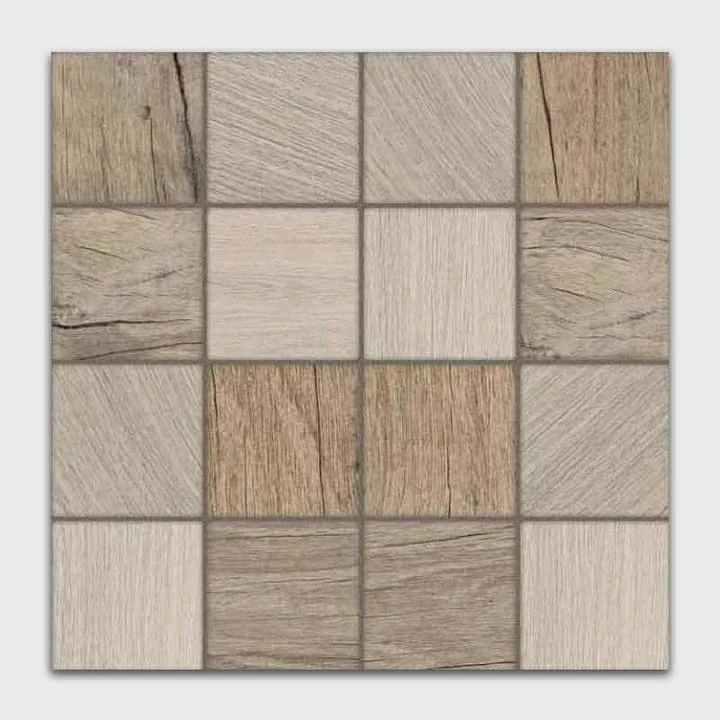
When I review tile removal projects, I usually find that the final cost is not controlled by one single factor. Many small details work together and change the total price. A homeowner may think that removing old tiles only requires breaking and lifting pieces, but the real process includes preparation, protection, cleaning, transportation, and surface repair.
Main cost factors during tile removal
| Cost Factor | Why It Changes Price |
|---|---|
| Floor size | Larger areas require more time, workers, and disposal |
| Tile installation method | Strong adhesives and mortar beds take more effort |
| Tile thickness | Thick tiles need stronger tools and more labor |
| Floor condition | Damaged surfaces may need extra repair |
| Location | Labor prices vary by region |
The size of the floor is usually the first thing that affects the budget. A bathroom floor may only need a short removal process, while a full house renovation can require several days of work. More square footage means more broken tile pieces, more dust control, and more waste handling.
The installation method also creates a big difference. Some tiles are installed with modern thin-set adhesives that are easier to remove. Other floors use thick cement layers that hold tiles tightly. These older methods often increase labor time because workers need more power tools and more physical effort.
The condition of the floor underneath is another important issue. Sometimes the tile comes off easily, but the concrete or plywood below becomes damaged. In this case, the project needs extra preparation before new flooring can be installed.
I also consider access to the work area. A room on an upper floor may cost more because workers need to carry heavy waste through stairs. A large open space with easy access usually reduces the total removal cost.
Understanding these factors helps homeowners create a more realistic budget. A low initial estimate may not include every part of the process, so checking the full project scope is always important.
Does Tile Type Impact Removal Pricing?
Yes, tile type has a direct impact on removal pricing. Different tiles have different hardness, thickness, and installation methods. These differences change the amount of time and equipment needed.
Ceramic tiles are usually easier to remove than porcelain tiles because porcelain is harder and denser. Natural stone tiles can also require more effort because materials like marble or granite are heavy and strongly attached.
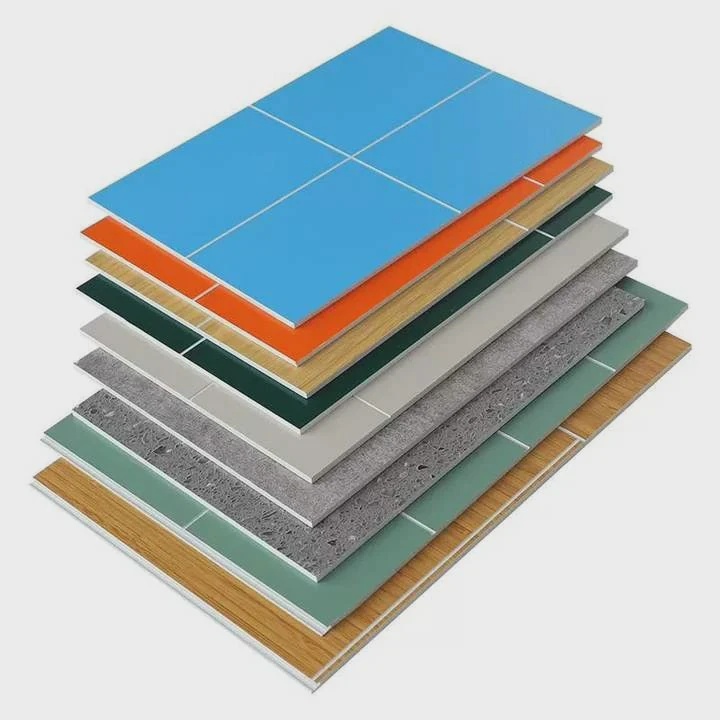
The tile material is one of the first things I check before estimating a removal project. Many people only look at the visible surface, but the hidden structure below the tile also matters. A beautiful tile floor may become difficult to remove if it has strong bonding materials underneath.
How different tile materials affect removal work
| Tile Type | Removal Difficulty | Common Reason |
|---|---|---|
| Ceramic tile | Medium | Common material with moderate strength |
| Porcelain tile | High | Dense structure and strong durability |
| Natural stone tile | High | Heavy material and strong installation |
| Mosaic tile | Medium to High | Many small pieces increase labor time |
| Large format tile | High | Bigger pieces require careful handling |
Ceramic tile is one of the most common flooring choices. It is often easier to break and remove compared with harder materials. However, the installation method can still make removal difficult. A ceramic tile floor installed with strong mortar can take much longer than expected.
Porcelain tile usually creates more challenges. Its dense body makes it resistant to cracks, which is useful during daily use but difficult during removal. Workers often need stronger tools and more time to separate porcelain tiles from the floor.
Natural stone tiles bring another level of difficulty. Materials like marble and granite are heavy and strong. They can also create larger waste pieces that require careful handling. The removal process may need more workers because the materials are heavier.
Large format tiles are becoming more popular in modern buildings. Sizes like 600x1200mm or larger create a clean appearance, but they require special attention during removal. Large pieces can break into sharp sections and may need careful control.
Mosaic tiles can also increase labor costs. Even though individual pieces are small, removing many connected pieces takes patience. Workers spend more time cleaning the surface and removing leftover adhesive.
The tile type does not only affect removal speed. It also affects disposal costs. Heavy materials create more waste weight, which may increase transportation and disposal expenses.
Is Labor the Biggest Cost Factor?
Labor is often the biggest cost factor in tile floor removal because the process requires time, physical work, and experience. Removing tiles is not only about breaking the surface. Workers need to prepare the area, control dust, remove materials, clean the floor, and prepare the surface for the next installation.
In many projects, labor costs become higher than material costs because the main resource is human time.

When I calculate tile removal expenses, labor is usually the area that requires the most attention. Tools and equipment have fixed costs, but labor changes based on project difficulty. A simple floor may take a few hours, while a difficult floor may require several days.
Why professional labor costs increase
Professional tile removal workers provide more than physical strength. They bring experience, proper tools, and knowledge about different flooring systems. This can reduce mistakes and protect the structure underneath.
A trained worker understands how to remove tiles without creating unnecessary damage. This is important because repairing a damaged subfloor can cost more than the original removal work.
The following factors often increase labor costs:
- Large project areas
- Hard tile materials
- Strong adhesives
- Limited working space
- Difficult waste transportation
- Need for surface preparation
The working environment also changes labor requirements. A simple ground-floor room is easier than a crowded apartment with limited access. Workers may spend extra time protecting walls, furniture, and nearby areas.
Dust control is another hidden labor cost. Tile removal creates a large amount of dust and debris. Professional teams often use protective methods to keep the area safer and cleaner.
The experience level of workers also matters. Low-cost labor may reduce the first estimate, but poor removal work can create future problems. Uneven surfaces, damaged floors, or leftover adhesive may affect the installation of new flooring.
For commercial projects, labor planning becomes even more important. Businesses usually need faster completion times because downtime affects operations. A professional team with enough workers can finish large projects more efficiently.
I believe labor should be viewed as an investment instead of only an expense. Good removal work creates a better foundation for the next flooring installation.
Can DIY Removal Reduce Overall Expenses?
DIY tile removal can reduce overall expenses because homeowners avoid professional labor costs. However, DIY projects also require time, tools, safety preparation, and physical effort.
For small areas, DIY removal may be a practical option. For large spaces or difficult materials, professional help may save money in the long term.
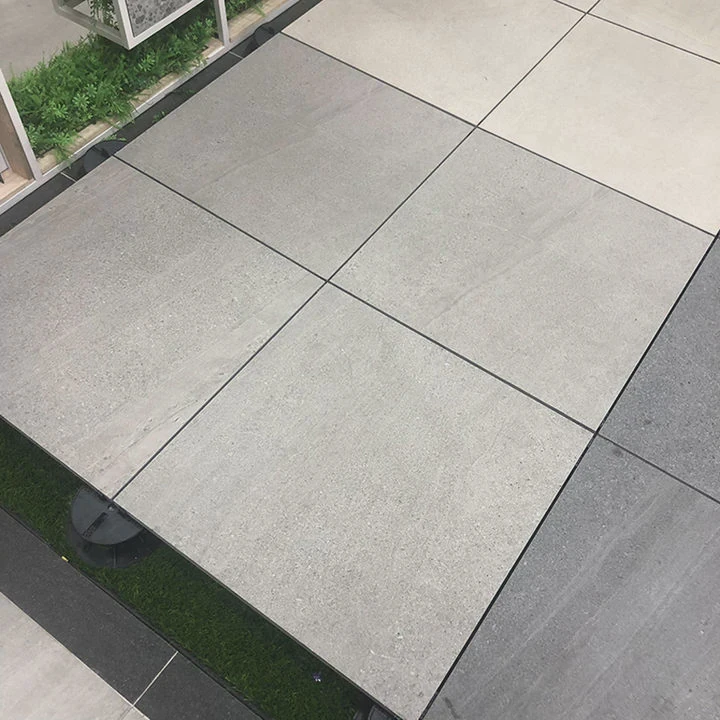
When homeowners ask whether they should remove tile floors themselves, I usually suggest comparing the total effort with the possible savings. The labor cost may look high, but professional workers already have the equipment and experience needed for efficient removal.
DIY removal advantages and disadvantages
| DIY Benefit | DIY Challenge |
|---|---|
| Lower labor cost | Requires significant physical effort |
| Flexible working schedule | Takes more personal time |
| Good for small rooms | Difficult for large areas |
| Personal control over the project | Risk of damaging the subfloor |
DIY removal works best when the project is small and the tile is easy to remove. A homeowner with basic tools and enough time may successfully remove tiles from a bathroom, entry area, or small kitchen.
However, larger projects become more complicated. Breaking hundreds of tiles creates heavy waste. Moving debris, cleaning dust, and preparing the surface can become exhausting.
Tool costs are another point many people forget. Tile removal often requires tools such as hammers, chisels, scrapers, protective equipment, and sometimes power tools. Buying or renting these items adds to the real DIY cost.
Safety is also important. Broken tiles create sharp edges, and dust from old flooring materials can affect indoor air quality. Proper protection is necessary during the entire process.
Another risk is damaging the floor underneath. If a homeowner removes tiles too aggressively, the subfloor may need repairs. These extra repairs can remove the savings created by avoiding labor costs.
For people who enjoy home improvement projects, DIY removal can be a useful experience. It can reduce expenses and provide more control. However, the project should match the homeowner’s skills, available time, and physical ability.
A balanced approach is often the best choice. Some homeowners remove tiles from easy areas and hire professionals for difficult sections. This method can reduce costs while keeping the project manageable.
Conclusion
Tile floor removal costs depend on tile type, labor, floor size, and project difficulty. A clear evaluation before starting helps create a realistic budget and prevents unexpected renovation expenses.