Can I Install Wood Flooring Over Tile?
- Sinotiles
- 2026-04-03
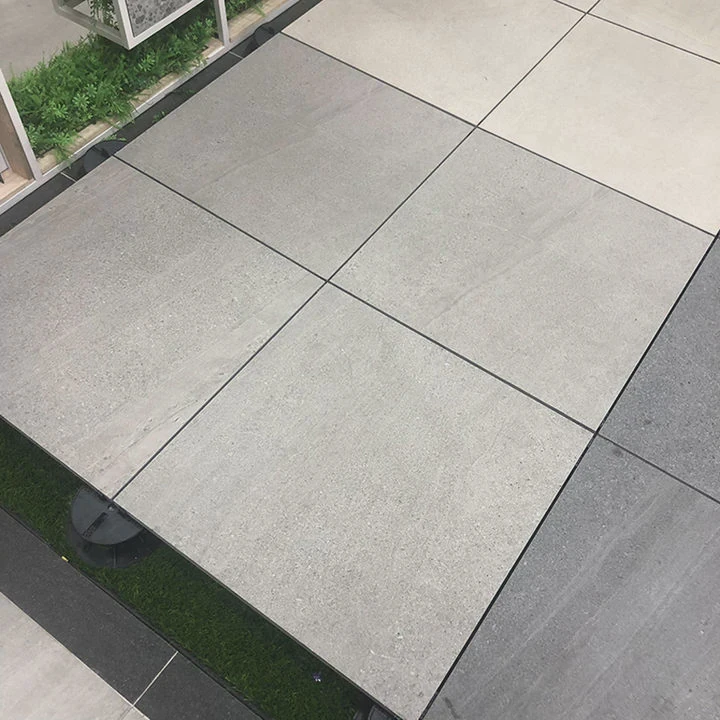
Old tile floors often look outdated, and removing them feels messy, slow, and expensive. Many people want a faster upgrade without demolition. The question becomes simple: can wood flooring go directly over tile?
Yes, wood flooring can be installed over tile if the surface is flat, stable, clean, and properly prepared. The right underlayment and installation method are key to avoid long-term problems like uneven floors or moisture issues.
This guide breaks down when it works, how to prepare the surface, what materials to use, and what risks to watch before making the decision.
What conditions allow wood flooring over tile?
Old tiles can create problems if they are cracked, uneven, or loose. Many people skip checking the base condition and end up with poor results.
Wood flooring can be installed over tile only when the tile is level, firmly bonded, clean, and free of major damage. Any unevenness or loose tiles must be fixed before installation.
A tile floor can act as a strong base, but only under the right conditions. It is important to evaluate the tile like a foundation, not just a surface.
Surface Flatness Matters
Wood flooring needs a flat base. Even small height differences can cause gaps or movement.
- Variation should be less than 3mm over 2 meters
- High spots must be ground down
- Low spots should be filled with leveling compound
If the tile has deep grout lines, they may also need filling.
Tile Stability Is Critical
Loose tiles are a major problem. They will shift under pressure.
- Tap tiles to check for hollow sounds
- Re-glue or replace loose tiles
- Ensure full bonding with the subfloor
If many tiles are loose, removal is a better option.
Moisture Conditions Must Be Controlled
Tile itself resists moisture, but moisture can still come from below.
- Check for dampness in concrete subfloor
- Use moisture barriers if needed
- Avoid installing wood in high-humidity areas
Cleanliness Affects Adhesion
Dust, grease, or wax reduces bonding strength.
- Deep clean the tile surface
- Remove any sealers or coatings
- Allow the surface to fully dry
Quick Condition Checklist
| Condition | Requirement |
|---|---|
| Flatness | Within 3mm variation |
| Tile Stability | No loose or hollow tiles |
| Moisture Level | Dry and controlled |
| Surface Cleanliness | Free of grease, dust, and coatings |
When these conditions are met, tile can serve as a solid base. Skipping any of them increases the risk of failure later.
How do you prepare tile surface for wood floors?
Many installation failures happen not because of materials, but because of poor preparation. A smooth-looking tile floor may still need serious prep work.
Preparing tile for wood flooring includes cleaning, leveling, repairing damage, and sometimes adding a bonding or smoothing layer to create a stable base.
Preparation is not optional. It directly affects how long the wood floor will last.
Step 1: Deep Cleaning
Start with removing all contaminants.
- Use degreasing cleaners
- Remove wax or polish layers
- Vacuum dust from grout lines
Any residue can weaken adhesives or underlayment grip.
Step 2: Repair and Fix Tiles
Damaged tiles must be addressed.
- Replace cracked tiles
- Re-adhere loose tiles
- Fill chipped areas
This step ensures the base will not move over time.
Step 3: Level the Surface
Tile floors often have uneven grout joints.
- Apply self-leveling compound
- Fill deep grout lines
- Sand high edges if needed
This creates a smooth plane for installation.
Step 4: Apply Primer or Bonding Layer
Some surfaces need extra adhesion support.
- Use primer before leveling compound
- Improve bonding between tile and new layer
- Reduce risk of delamination
Step 5: Final Inspection
Before installation, check everything again.
- Ensure dryness
- Confirm flatness
- Remove any debris
Preparation Steps Overview
| Step | Purpose |
|---|---|
| Cleaning | Remove contaminants |
| Repair | Fix structural issues |
| Leveling | Create smooth surface |
| Priming | Improve adhesion |
| Inspection | Final quality check |
Proper preparation takes time, but it prevents costly repairs later. Skipping steps often leads to noise, movement, or even floor failure.
Which underlayment improves installation results?
Choosing the wrong underlayment can ruin the entire installation. Many people focus only on the wood flooring itself and ignore what goes underneath.
The best underlayment depends on the flooring type, but foam, cork, and rubber underlayments help improve comfort, reduce noise, and handle minor imperfections over tile.
Underlayment acts as a bridge between tile and wood flooring. It adds flexibility and protection.
Foam Underlayment
Foam is the most common choice.
- Lightweight and affordable
- Easy to install
- Provides basic sound insulation
Best for floating floors like laminate or engineered wood.
Cork Underlayment
Cork offers better performance.
- Natural and eco-friendly
- Strong sound absorption
- Good thermal insulation
It works well in apartments or multi-level buildings.
Rubber Underlayment
Rubber is more durable and dense.
- Excellent noise reduction
- High durability
- Better support for heavy use
Often used in commercial spaces.
Vapor Barrier Options
Moisture protection is important, especially over concrete.
- Some underlayments include built-in vapor barriers
- Plastic sheets can be added if needed
Choosing the Right Option
| Underlayment Type | Best Use Case | Key Benefit |
|---|---|---|
| Foam | Residential, light traffic | Cost-effective |
| Cork | Apartments, quiet spaces | Sound insulation |
| Rubber | Commercial, heavy traffic | Durability |
Matching Underlayment to Flooring
- Floating floors → Foam or cork
- Glue-down floors → Minimal or none
- Click-lock systems → Foam preferred
The choice depends on both the environment and flooring type. A mismatch can lead to instability or poor performance.
What risks come with installing over tile?
Installing wood over tile saves time, but it also introduces risks. Ignoring these risks can lead to expensive fixes later.
The main risks include increased floor height, moisture problems, poor adhesion, uneven surfaces, and long-term structural instability if the tile base is not properly prepared.

Understanding these risks helps in making a better decision.
Increased Floor Height
Adding layers raises the floor level.
- Can affect doors and transitions
- May require trimming doors
- Creates uneven transitions between rooms
Moisture Trapping
Moisture can get trapped between layers.
- Leads to mold or warping
- Especially risky over concrete slabs
- Requires vapor barriers
Adhesion Problems
Glue may not bond well to tile.
- Smooth tile reduces grip
- Requires proper priming
- Wrong adhesive can fail
Uneven Surface Issues
Small imperfections become bigger problems.
- Causes creaking sounds
- Leads to movement over time
- Reduces lifespan of flooring
Structural Concerns
Tile is hard but not flexible.
- Movement below can transfer upward
- Cracks in tile may affect wood flooring
- Poor base leads to instability
Risk Summary Table
| Risk Type | Impact |
|---|---|
| Floor Height | Transition and door issues |
| Moisture | Warping and mold |
| Adhesion | Floor loosening |
| Uneven Surface | Noise and instability |
| Structural Issues | Long-term damage |
When Removal Is Better
Sometimes removing tile is the safer option.
- When tiles are damaged or loose
- When height increase is not acceptable
- When moisture problems exist
Installing over tile is not always the best choice. The condition of the existing floor decides everything.
Conclusion
Wood flooring can go over tile, but only when the base is stable, flat, and well-prepared. The right underlayment and careful installation reduce risks and improve durability. Skipping preparation often leads to costly problems later.